Guinea Pig Grooming and Social Bonding Explained
Published on: February 4, 2026 | Last Updated: February 4, 2026
Written By: Kate M. Callahan
Hello CavyFam! Have you ever spotted your guinea pigs grooming each other and questioned if it’s a friendly gesture or a cause for concern? This natural behavior often reflects their social dynamics and overall well-being.
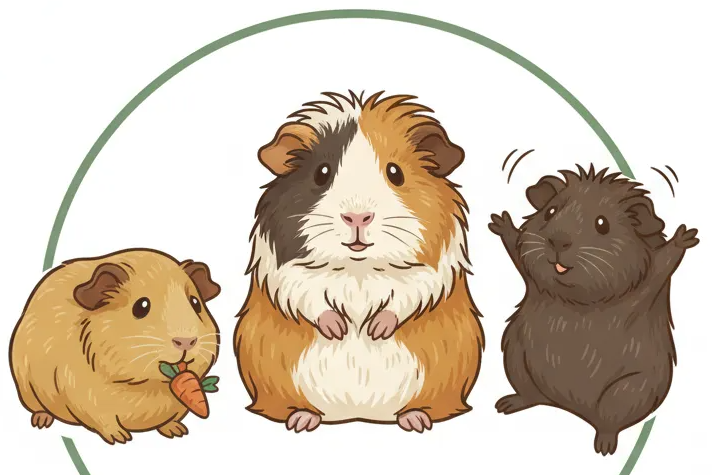
In this article, we’ll dive into grooming rituals, bonding signals, health indicators, and practical care tips. I’ve raised guinea pigs like Pepper, Clover, and Biscuit for years, so I’ll share insights from my own experiences to help you understand your furry friends better.
The Role of Grooming in Guinea Pig Social Life
Grooming is essential for guinea pigs because it keeps them healthy and strengthens their social bonds. Regular grooming removes dirt, loose fur, and parasites, which prevents skin infections and keeps your pet comfortable. I’ve seen this with my own guinea pigs, where a quick lick can stop minor irritations from turning into bigger problems.
In group settings, grooming helps establish a clear social structure. Dominant guinea pigs often groom subordinates to show authority, reducing fights and keeping the peace. This behavior mimics how wild herds maintain order, and it makes your pets feel secure in their home environment. Understanding your guinea pig’s personality can help determine if they are a good fit as pets. By recognizing traits like boldness or shyness, you can tailor care and bonding to suit their temperament.
Companionship thrives on mutual grooming, as it builds trust and reduces stress. When guinea pigs groom each other, it’s like a friendly hug that deepens their connection and makes them feel safe. I notice this with Pepper and Clover; their gentle nibbling sessions seem to calm them both, especially after a noisy day.
From my experience, grooming impacts group dynamics by fostering cooperation. Observing my trio-Pepper, Clover, and Biscuit-I see that shared grooming time helps them resolve minor squabbles without aggression. It’s a natural way for them to communicate care and respect, which is vital for a harmonious cage life.
Types of Guinea Pig Grooming Behaviors
Self-grooming is a daily ritual where guinea pigs clean themselves to stay healthy. They lick their fur to remove debris and use their paws to wipe their faces, much like how we wash our hands after eating. This keeps their coat shiny and free from tangles, which I’ve found prevents mats in long-haired breeds like Biscuit. A complete guinea pig hygiene cleaning routine also includes regular brushing and nail checks. Regular cage cleaning helps maintain overall health.
- Licking fur: Distributes natural oils and removes loose hair, promoting a healthy skin barrier.
- Cleaning paws: They lick their front feet and rub them over their eyes and nose, ensuring no food particles cause irritation.
Mutual grooming, or allogrooming, involves pigs grooming each other to bond and help with hard-to-reach spots. This includes nibbling ears or gently licking backs, which reinforces friendships and provides comfort. With Clover and Pepper, I often see ear nibbling that seems to soothe them during stressful moments, like vet visits.
- Allogrooming: One pig grooms another’s fur, often in areas like the neck or back, showing trust and affection.
- Nibbling ears: A common behavior that can signal relaxation or a desire to connect, similar to a gentle massage.
Some grooming actions are tied to scent marking and hierarchy, helping pigs communicate status. Behaviors like chin rubbing or scent gland contact during grooming leave pheromones that define territories or dominance. In my herd, Biscuit’s reserved nature means she often initiates grooming to assert her place without conflict.
- Chin rubbing: Rubbing the chin on objects or other pigs deposits scent, marking safe spaces or social rank.
- Hierarchy displays: Dominant pigs may groom others more actively to maintain control, which I’ve observed reduces bullying in mixed groups.
How Grooming Strengthens Social Bonds Among Guinea Pigs
-
Affiliative behaviors like mutual grooming are vital bonding rituals in guinea pig pairs or groups. I’ve watched Pepper and Clover take turns grooming each other’s fur, which deepens their connection and establishes a gentle hierarchy. This shared activity reinforces their social structure and fosters long-term friendships.
-
Grooming often pairs with distinct vocalizations that reveal their emotional state. When Biscuit lets out soft wheeks during grooming, it shows happiness, while chattering teeth can signal playful dominance or mild tension. Recognizing these sounds helps you understand their communication and strengthen your bond with them.
-
Regular grooming sessions significantly reduce stress and build trust among guinea pigs. After a loud noise startled my trio, I saw them huddle and groom each other, which is one of the common bonding behaviors that quickly soothed their nerves and restored their sense of security. This mutual care creates a safe, trusting environment that supports their overall well-being.
Practical Tips for Encouraging Healthy Grooming and Bonding
-
Create a calm environment for grooming sessions by choosing a quiet, familiar space. I always groom my guinea pigs in a low-traffic area to minimize stress and help them focus on bonding. A peaceful setting makes the experience enjoyable and effective.
-
Use gentle handling to mimic natural grooming behaviors, like soft strokes along their back. When I emulate Clover’s gentle nibbles with light petting, Pepper relaxes and responds positively. This approach builds trust and makes grooming feel natural.
-
Introduce safe grooming tools gradually for acclimation, starting with a soft-bristle brush. I let Biscuit sniff and explore the brush first, which reduced her hesitation and made her more comfortable. Slow introductions prevent fear and encourage acceptance.
-
Reward with treats to reinforce positive grooming experiences, using small, healthy options like leafy greens. After a smooth session, I give Pepper a tiny piece of cilantro, which she eagerly accepts and associates with grooming. Treats create happy memories and promote repeat behavior.
-
Monitor body language to ensure comfort and avoid over-handling, watching for relaxed postures or signs of distress. I’ve learned from my guinea pigs that flattened ears or hiding indicate it’s time to stop, preserving their trust and well-being. Paying attention prevents stress and supports a positive bond.
Recognizing and Addressing Grooming Issues
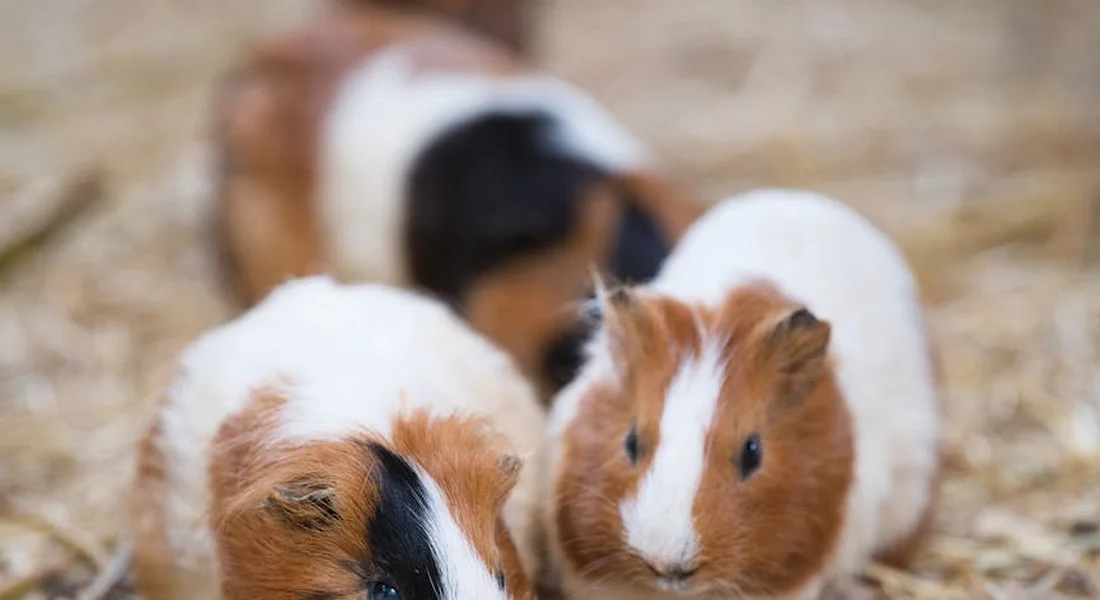
If you notice your guinea pig grooming another too much, it might signal a problem. Over-grooming often shows up as bald patches or red, irritated skin on the groomed pig. In my experience with Clover, her graceful nature sometimes led to her being targeted by others, leaving small bare spots I had to monitor closely. Watch for aggressive nibbling that causes squeaks or attempts to escape, as this can indicate grooming aggression rather than bonding. Understanding barbering—guinea pigs chewing fur on or between cagemates—can help you tell when grooming is bonding versus stress. If this becomes frequent, look at social dynamics, space, and enrichment to reduce tension.
- Look for hair loss in specific areas, especially around the back or rump.
- Check for skin abrasions or signs of pain when touched.
- Listen for distressed vocalizations during grooming sessions.
Dominance plays a big role in how guinea pigs interact. In a herd, the alpha might groom subordinates to assert control, while submissive pigs may groom back to show respect. With my trio, Pepper’s gentle demeanor means she often grooms Biscuit, who is more reserved, reinforcing their social order without conflict. Understanding this hierarchy helps you spot when grooming crosses into bullying, which can stress the animals and harm their well-being. Understanding guinea pig dominance behaviors and the hierarchy behind them helps you read these signals and support a peaceful group. Recognizing signs of a stable versus disrupted hierarchy lets you intervene early to prevent bullying.
If grooming leads to health risks like wounds or infections, act quickly to protect your pets. Proper guinea pig care means preventive grooming and close observation for skin issues. Regular handling, clean housing, and timely vet visits help them stay healthy. Start by separating the pigs temporarily to prevent further injury and reduce stress. I had to do this once when Clover developed a sore from over-grooming, and it gave her skin time to heal. Provide a clean, quiet space for the affected guinea pig, and consult a vet if issues persist to rule out underlying problems like parasites or skin conditions.
- Gently separate the pigs using a divider or extra cage.
- Monitor the injured area for swelling or discharge daily.
- Offer extra hay and hideouts to keep them calm and distracted.
- Schedule a vet visit if no improvement occurs in a couple of days.
Introducing New Guinea Pigs for Better Social Dynamics
Bringing a new guinea pig into your home requires patience to foster positive relationships. Begin introductions in a neutral area where no pig has established territory, like a clean playpen or bathtub. When I introduced Biscuit to Pepper and Clover, I used a spacious floor area with fresh bedding to avoid territorial disputes. This step reduces aggression and encourages curiosity, helping them bond over shared exploration without feeling threatened.
- Set up a neutral space with hiding spots and scattered veggies.
- Supervise the meeting closely for at least 30 minutes.
- Allow them to sniff and circle each other without forcing interaction.
- Repeat short sessions daily until they show comfort together.
Compatibility depends on factors like age, personality, and past experiences. Pairing guinea pigs with similar energy levels, like my thoughtful Clover with gentle Pepper, often leads to smoother bonds. Avoid mixing very dominant pigs initially, as this can spark fights. Instead, try socialization techniques like group feeding or shared playtime to build trust gradually, always prioritizing their safety and comfort to prevent stress-related health issues.
- Match pigs by temperament-calm with calm, active with active.
- Consider age; younger pigs may adapt faster to new mates.
- Use positive reinforcement with treats to reward peaceful behavior.
Reading body language during first meetings helps you gauge their reactions and prevent conflicts. Happy signs include relaxed postures, soft purring, and mutual grooming, while raised fur or teeth chattering means back off. I learned this with Biscuit, whose reserved nature made him hunch initially, but he soon relaxed when he felt accepted. Pay attention to ear positions and vocal cues-low rumbles can be friendly, but high-pitched squeals often signal fear or anger, requiring your intervention to keep things calm.
- Look for relaxed bodies and curious sniffing as good indicators.
- Watch for freezing or lunging, which suggest tension.
- Listen for contented rumbles versus aggressive hisses or growls.
FAQs

Where can I find guinea pig grooming services near me?
Search online for pet salons specializing in small animals or ask your local veterinarian for trusted recommendations. When you seek professional grooming for your guinea pig, consider its temperament and any health issues, and call ahead to discuss these with the groomer. This helps ensure a safe, comfortable session. Always verify that the groomer has specific experience with guinea pigs to ensure safe and gentle handling.
What should be included in a guinea pig grooming kit?
A basic kit should have a soft-bristle brush, small animal nail clippers, and a fine-toothed comb for detangling. Include styptic powder to quickly stop any bleeding from accidental nail cuts and keep your pet comfortable.
How much does professional guinea pig grooming typically cost?
Costs usually range from $20 to $50 per session, depending on your location and the services needed. Additional treatments like nail trimming or sanitary clips may increase the price, so inquire about package details beforehand.
What types of grooming services do professionals offer for guinea pigs?
Common services include full brushing, nail clipping, ear cleaning, and sanitary trims to maintain hygiene. Some groomers provide bathing, but it’s used sparingly since guinea pigs can easily become stressed or chilled from water exposure. In a guinea pig grooming guide, nail trimming and bathing are covered with practical, step-by-step tips to keep your pet calm and clean. These topics help owners safely maintain nails and fur while minimizing stress during grooming.
What are some effective guinea pig grooming techniques for home care?
Use gentle brushing in the direction of hair growth to prevent tangles and incorporate regular nail checks to avoid overgrowth. When trimming nails, use proper pet nail clippers and trim only the tip to avoid the quick. Reward your guinea pig with small treats during sessions to build positive associations and reduce anxiety. Keep sessions calm and brief to prevent stress and injury.
Building a Happy Guinea Pig Family
From my time with Pepper, Clover, and Biscuit, I’ve noticed how their grooming habits reveal deep social connections. Always provide safe spaces for them to interact and groom, as this builds trust and reduces stress.
Stay curious about new ways to care for your pets while protecting our planet. Opt for reusable or biodegradable supplies to make their habitat eco-friendly and healthier for everyone.
Further Reading & Sources
- Guinea Pig Bonding: A Step-By-Step Guide | Small Pet Select Blogs | Small Pet Select
- Guinea pig bonding basics | Animal Humane Society
- The Ultimate Guide to Guinea Pig Bonding and Pairing
- Are Your Guinea Pigs Bonded: How can you Tell? – Pocket Sized Pets
Kate is a passionate guinea pig owner and advocate for small pet welfare. With over a decade of experience caring for guinea pigs, she has become a trusted voice in the small pet community.
Uncategorized