7 Worst Pieces of Guinea Pig Advice Online
Published on: February 28, 2026 | Last Updated: February 28, 2026
Written By: Kate M. Callahan
Hello CavyFam! Searching for guinea pig care tips online can feel overwhelming. You might worry about accidentally following advice that could harm your precious pet.
Today, I’m debunking the most dangerous myths you’ll find. We’ll cover cage size misconceptions, dangerous bedding choices, improper diet recommendations, harmful handling techniques, incorrect social setups, misguided grooming practices, and risky health treatments.
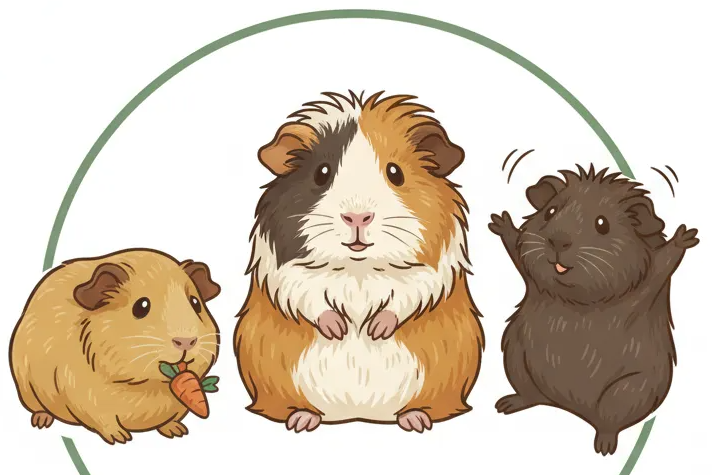
I’ve learned what truly works through raising my three guinea pigs-Pepper, Clover, and Biscuit-for years.
Myth 1: Guinea Pigs Thrive Living Alone
I’ve seen this advice floating around, and it honestly breaks my heart. Guinea pigs are not solitary creatures by nature. In the wild, they live in large, noisy herds, and that deep-seated need for companionship doesn’t vanish in a domestic setting. So, if you’re considering keeping just one guinea pig, their need for a friend still matters. Generally, most guinea pigs benefit from a same-sex companion and proper introductions.
My own guinea pig, Pepper, became a completely different animal after we introduced Clover. He was more active, more vocal, and his overall zest for life skyrocketed. A lone guinea pig is often a lonely, bored, and even depressed guinea pig.
Here’s what you can expect from a solo piggy:
- Increased lethargy and hiding.
- Less vocalization, meaning fewer happy “wheeks.”
- A higher risk of developing stress-related illnesses.
The best practice is to adopt a bonded pair from the start. If you’re introducing a new friend, always do so on neutral territory and be patient. Watching my trio-Pepper, Clover, and Biscuit-popcorn around together is the ultimate proof that their social needs are non-negotiable.
Myth 2: A Small Cage is Perfectly Fine
This is one of the most pervasive and harmful myths out there. Many pet stores sell cages labeled for guinea pigs that are far too small. A cramped cage doesn’t just limit movement; it severely impacts their physical health and mental well-being. To build the set-up that fits their needs, aim for a spacious, secure cage with safe materials. A careful build will help your guinea pig stay healthy and happy.
Imagine spending your entire life in a walk-in closet. You couldn’t run, explore, or have a dedicated space for eating, sleeping, and using the bathroom. That’s the reality for a guinea pig in an undersized enclosure.
Here are the critical risks of a small cage:
- Pododermatitis (Bumblefoot): Constant pressure on dirty, wet flooring causes painful sores on their feet.
- Obesity: Without space for a proper “zoomies” sprint, they quickly gain unhealthy weight.
- Respiratory Issues: Ammonia from urine builds up faster in a small, poorly ventilated space.
- Boredom and Bar Chewing: A sign of a frustrated animal with no enrichment.
The absolute minimum for two guinea pigs is 7.5 square feet, but I always advocate for 10.5 square feet or more. My three pigs live in a large C&C cage, and the difference in their happiness is night and day. They have room to run laps, separate hideys for personal space, and a dedicated kitchen area. Giving them space is a fundamental act of care. If you’re asking ‘what size cage do guinea pigs need,’ this complete space requirements guide lays out the minimums, recommended sizes, and layout ideas. It helps turn those numbers into a practical setup you can implement for your own trio.
Myth 3: Any Type of Bedding Will Do
I learned this lesson the hard way with my own guinea pigs. Choosing the wrong bedding can directly impact your pet’s respiratory health and overall comfort. Not all materials are created equal for these sensitive creatures. Air quality matters too. Household scents and cleaning chemicals can irritate a guinea pig’s lungs, so use unscented products and keep good ventilation.
Some beddings are downright dangerous. Cedar and pine shavings, often sold in pet stores, release aromatic oils called phenols. These natural oils can cause severe liver damage and respiratory distress over time. I noticed Pepper started sneezing more on a softwood bedding, and switching made an immediate difference.
Your safest and most comfortable options are paper-based bedding or aspen wood shavings.
- Paper Bedding: Highly absorbent, soft on feet, and virtually dust-free.
- Aspen Shavings: A safe wood alternative that doesn’t contain those harmful phenols.
- Fleece Liners: A reusable option that’s cozy, but requires diligent daily spot-cleaning.
Your guinea pig’s home should be a sanctuary, not a source of hidden health risks. Investing in the right bedding is one of the easiest ways to ensure their long-term wellbeing. In this ultimate guide to safe bedding options for guinea pigs, you’ll learn which materials are best and how to choose them. We’ll cover common pitfalls to avoid and practical tips for a clean, comfy setup.
Myth 4: Pellets Are a Complete Diet
If you think a bowl of pellets is all your guinea pig needs, please reconsider. Pellets are merely a supplement, not the main event in a healthy guinea pig diet. I used to over-rely on them until my vet explained their proper role.
The true cornerstone of their diet is unlimited, high-quality hay. Timothy hay is ideal for most adult pigs.
- Hay provides the essential fiber for healthy digestion.
- The constant chewing wears down their ever-growing teeth naturally.
- It keeps them mentally stimulated and mimics their natural foraging behavior.
Fresh vegetables are the other critical component. A daily “salad” provides vital Vitamin C, which guinea pigs cannot produce on their own. My trio, Pepper, Clover, and Biscuit, get excited for their evening veggie mix.
Look for pellets that are simple and plain.
- Select a timothy hay-based pellet for adult guinea pigs.
- Avoid mixes with colorful bits, seeds, or dried fruit-these are just sugary junk food.
- Check the Vitamin C content, as it degrades over time.
A balanced plate of hay, fresh veggies, and a small portion of quality pellets is the golden ticket to a thriving guinea pig. Pellets alone will leave them malnourished and unhappy.
Myth 5: Grooming is Only for Long-Haired Breeds
I used to believe this myth myself, thinking my short-haired guinea pig, Pepper, was maintenance-free. Every guinea pig, regardless of coat type, requires a consistent grooming routine for their health and comfort. Their needs are just a little different.
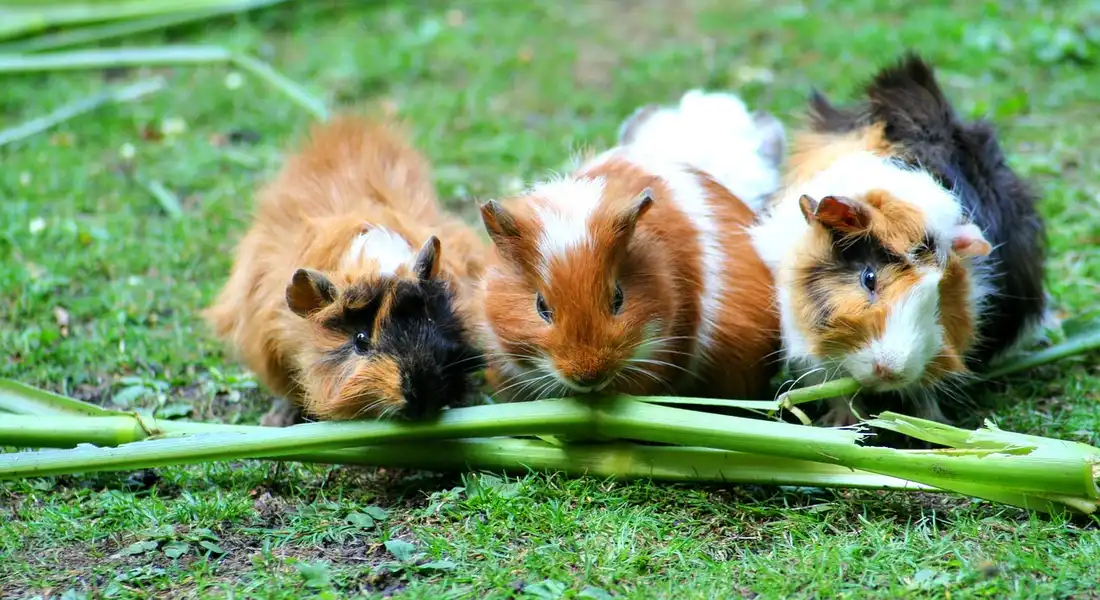
For my short-haired pigs like Pepper, a gentle weekly brushing does wonders. This removes loose hair and distributes natural skin oils, keeping their coat shiny and healthy. It’s also our special bonding time. For my Abyssinian, Clover, with her rosettes, I pay extra attention to the swirls where debris can hide.
Nail care is non-negotiable for all pigs. Overgrown nails can curl into their footpads, causing pain and potential infection. I check my herd’s nails every two weeks. I learned to use a small, sharp clipper designed for small animals to make a clean cut without splintering.
Don’t forget about their scent glands! Guinea pigs have a grease gland near their rear end that can become clogged, especially in males. A gentle wipe with a damp cloth during grooming sessions keeps it clean. Regular grooming lets you spot early signs of issues like mites, lumps, or skin sores long before they become serious. This is part of a complete guinea pig hygiene cleaning routine. Regular grooming, brushing, nail trimming, and cage cleaning keep them clean and healthy.
Myth 6: They Don’t Need a Specialized Vet
This is one of the most dangerous pieces of advice I’ve encountered. Guinea pigs are considered “exotic” pets, meaning their anatomy and physiology are vastly different from cats and dogs. A standard small-animal vet may not have the specific training to treat them effectively. That’s why many owners seek an exotic vet who specializes in small mammals. Understanding the difference between exotic vet vs general vet can help you get the right care for your guinea pig.
I learned this the hard way when my gentle Pepper stopped eating. Their digestive systems are extremely delicate, and a problem that seems minor can become critical in just hours. An exotic vet understood the urgency and knew exactly which medications were safe for her sensitive gut.
Look for a veterinarian who lists “exotics” or specifically “small mammals” in their practice specialties. An experienced exotic vet will understand subtleties like proper antibiotic use, as many common ones are fatal to guinea pigs. They are also better equipped to handle their unique dental issues, which constantly grow and can cause malocclusion.
Establishing a relationship with a qualified vet before an emergency is crucial. This ensures your pig gets the best possible care from someone who truly understands their complex needs. It gives you peace of mind, knowing you have an expert to call when your furry friend needs help the most.
Myth 7: Human Food Scraps Make Great Treats
I learned this lesson the hard way with my guinea pig, Biscuit. A tiny piece of onion skin from a salad scrap made its way into his bowl, and the resulting digestive upset was scary. Many common human foods are toxic or difficult for guinea pigs to process, making your kitchen scraps a potential danger zone.
Their digestive systems are delicate and built for a specific diet of hay, fresh veggies, and pellets. What seems like a harmless leftover to us can cause serious harm to them.
Common Kitchen Scraps to Absolutely Avoid
- Onions, garlic, and leeks: These can cause dangerous blood disorders.
- Potato peels and eyes: They contain solanine, which is toxic.
- Dairy products: Guinea pigs are lactose intolerant.
- Processed foods: Bread, crackers, and chips are far too high in salt, sugar, and fat.
- Chocolate and candy: These are outright poisonous.
Stick to vet-approved fresh vegetables like bell peppers, romaine lettuce, and cilantro. Always wash produce thoroughly to remove pesticides and offer it in small, controlled portions. This prevents digestive issues and keeps your pets at a healthy weight.
How to Vet Guinea Pig Care Advice You Find Online
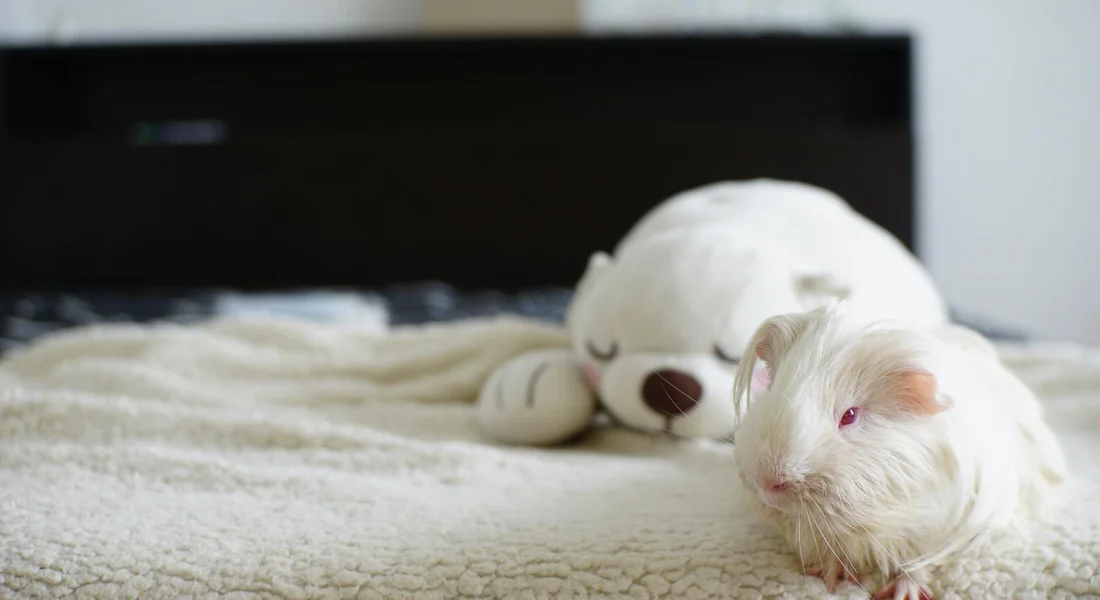
After my scare with Biscuit, I became much more critical of the information I found. The internet is a wonderful resource, but it’s also filled with well-meaning but misinformed opinions. Protecting your pets starts with developing a keen eye for credible sources.
Check the Source’s Credentials
Look for advice from established, reputable organizations. I always prioritize information from these types of sources first.
- Registered veterinary websites (.org or.edu domains are often good signs).
- Recognized animal welfare organizations and guinea pig rescues.
- Forums can be helpful, but treat them as a starting point, not the final word.
Look for These Red Flags
Bad advice often has common warning signs. If you see any of these, it’s best to close that tab and keep looking.
- Vague Language: Advice like “give them a variety of foods” without specifying what is safe.
- One-Size-Fits-All Solutions: Guinea pigs have different needs based on age, breed, and health.
- No Scientific Backing: Claims that aren’t supported by veterinary science or established care guidelines.
When in doubt, your veterinarian is your most reliable resource. I keep a list of questions for my vet based on things I read online, and it has saved me from making several mistakes with my trio. Cross-reference any new advice across multiple trusted sources before changing your pet’s care routine.
FAQs
How can I make my guinea pig feel more comfortable when I first bring them home?
Provide a quiet, secure space with plenty of hiding spots like tunnels or igloos to reduce stress. Avoid handling them too much initially and let them explore their new environment at their own pace to build trust.
What are some essential supplies I need for a new guinea pig?
You’ll need a spacious cage, high-quality hay, a water bottle, and food bowls for daily needs. Also include hideouts, safe chew toys, and a proper bedding material to ensure their health and enrichment.
How often should I take my guinea pig to the vet for check-ups?
Schedule annual wellness exams with an exotic vet to monitor their overall health and catch any issues early. Regular vet visits are part of a complete care schedule for guinea pigs. This includes routine dental checks, weight monitoring, and preventive care. If you notice changes in behavior or appetite, seek veterinary care immediately, as guinea pigs hide illness well.
What are some common guinea pig behaviors and what do they mean?
Popcorning, where they jump and twist, indicates happiness and excitement, while rumbling or teeth chattering can signal dominance or irritation. Understanding these cues helps you respond appropriately to their emotional state and strengthen your bond.
Where can I find reliable guinea pig care guides and communities for support?
Look for reputable sources like veterinary websites, established guinea pig rescues, and dedicated forums that emphasize evidence-based care. Engaging with experienced owners in online groups can provide practical tips and emotional support for your journey.
Our Final Thoughts on Guinea Pig Care
Stick with a diet rich in fresh hay and quality pellets, and always provide a spacious, enriching habitat. For properly caring for guinea pigs, include daily cage cleaning, fresh water, and regular vet visits. Your guinea pig’s health and happiness depend on you filtering out the well-meaning but harmful myths you find online.
Continue learning from reputable sources and connect with experienced owners to grow your knowledge. Being a responsible pet parent means committing to a lifelong journey of compassionate, eco-friendly care for your small friends.
Further Reading & Sources
- No Research Owner Horror Stories | The Guinea Pig Forum
- r/guineapigs on Reddit: This might be controversial but I don’t understand why people say guinea pigs aren’t good “starter” pets?
- What are the reasons why people do not recommend getting guinea pigs as pets anymore? – Quora
- I feel like a terrible Guinea pig owner | The Guinea Pig Forum
Kate is a passionate guinea pig owner and advocate for small pet welfare. With over a decade of experience caring for guinea pigs, she has become a trusted voice in the small pet community.
Uncategorized