Are Guinea Pigs Afraid of the Dark?
Published on: January 18, 2026 | Last Updated: January 18, 2026
Written By: Kate M. Callahan
Hello CavyFam! If you’ve ever worried your guinea pig feels scared when night falls, you’re not alone in that thought. Many pet owners notice their little pals acting differently in dim light and wonder what’s going on.
In this article, I’ll explore how guinea pigs perceive darkness, signs of fear to watch for, and simple ways to keep them calm and secure. I’ve cared for guinea pigs like my own Pepper, Clover, and Biscuit for years, so I’m sharing advice from real-life experience.
Understanding Guinea Pig Behavior in Darkness
Guinea pigs are crepuscular animals, meaning they are most active during dawn and dusk when light levels are naturally low. This natural rhythm means they are biologically wired to navigate and function well in dim conditions, not complete darkness.
Their vision is adapted for these low-light periods, but they do not see well in pitch black. They rely more on their exceptional hearing and sense of smell to map out their environment when visibility is poor. Think of it like you trying to find your way to the kitchen for a midnight snack with just a nightlight on.
From my own evenings spent with my herd, I’ve noticed a distinct pattern. My guinea pig, Clover, often becomes most playful and starts her “zoomies” around the cage just as the sun is setting and the room is growing dim. It’s her signal that the active part of her day is beginning.
Signs Your Guinea Pig Might Be Scared of the Dark
While they are comfortable in low light, true darkness can be unsettling. Watch for these specific behaviors that signal fear.
- Hiding: If your guinea pig immediately retreats to a hidey-hole and refuses to come out once the lights go off, it’s a clear sign of discomfort.
- Startle Response: A guinea pig that jumps or flinches violently at normal, quiet sounds in a dark room is likely on high alert.
- Alarm Vocalizations: Listen for sharp, high-pitched “wheeking” or chattering teeth. These are vocal signs of distress, not excitement.
Their body language speaks volumes. A scared guinea pig will often freeze in place, with their body tense and eyes wide, trying to pinpoint any potential threat they cannot see clearly. By learning to interpret these cues, you can understand common guinea pig behaviors and respond appropriately.
I learned this with my gentle boy, Pepper. One night, a sudden noise in the dark caused him to let out a short, sharp shriek and scramble into his fleece forest. His reaction was a textbook example of a fear response, and I knew then he needed a gentle night light to feel secure. Observing your pet’s unique reactions is the best way to understand their comfort level.
Why Darkness Can Trigger Fear in Guinea Pigs
-
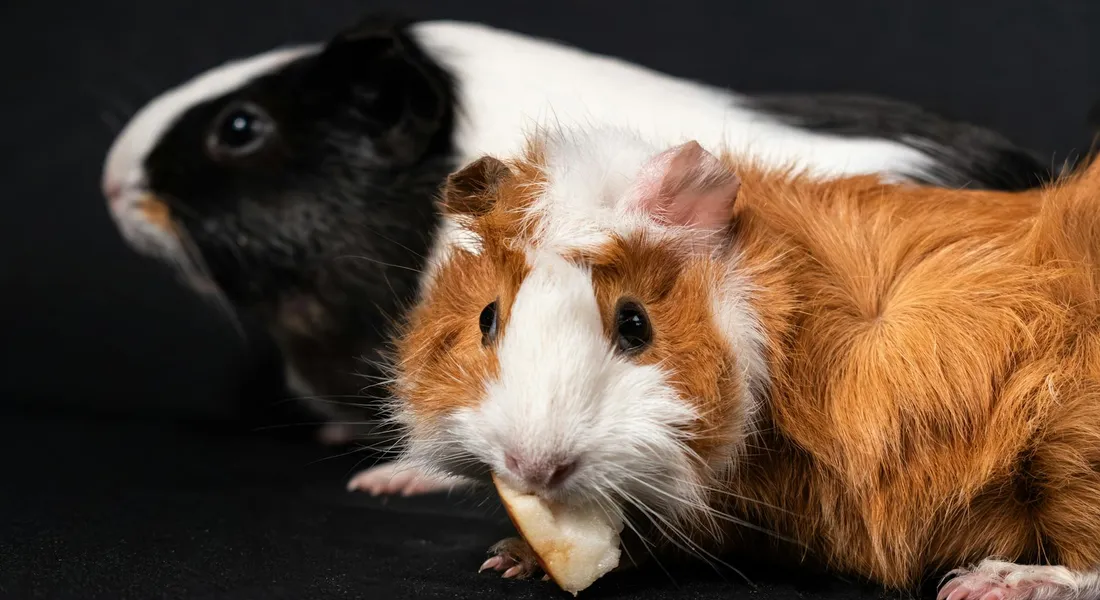
Guinea pigs have incredibly sharp hearing that picks up even faint sounds in quiet, dark environments. This heightened sound sensitivity means everyday household noises can startle them when visual cues are absent. For instance, my guinea pig Clover, who is graceful and thoughtful, often perks up and freezes if she hears a distant creak at night, showing how darkness amplifies her alertness to potential threats.
-
As prey animals in the wild, guinea pigs rely on instincts to avoid predators, and darkness historically signaled higher risk. Their natural wariness of dark places stems from an evolutionary need to stay vigilant against unseen dangers. I’ve observed this with Pepper, my gentle American Guinea Pig; she tends to huddle in corners when lights dim, reflecting her innate drive to seek safety from imagined predators.
-
Enclosure design plays a huge role in whether darkness becomes a source of stress. Cages without adequate hiding spots or placed in high-traffic areas can turn nighttime into a fearful experience due to environmental triggers like sudden movements or loud sounds. From caring for Biscuit, my reserved Peruvian, I learned that a well-setup habitat with cozy nooks reduces her anxiety by mimicking the secure burrows her ancestors used.
How to Calm an Anxious Guinea Pig at Night
-
Offer multiple hideouts and shelters where your guinea pig can retreat. Providing safe spaces like small wooden houses or fabric tunnels gives them a sense of control and security when lights go out. I always keep an extra hideout in each corner for my trio—Pepper, Clover, and Biscuit—so they never feel trapped or exposed after dark. In a best cage setup New Guinea Pig Beginners Guide, these safe spaces are essential for comfort and stress reduction. They help first-time owners create a calm, secure environment from day one.
-
Stick to consistent bedtime routines to ease their stress. Regular activities, such as a gentle evening feeding or soft petting session, help guinea pigs anticipate calm periods and feel more at ease. With my guinea pigs, I do a quick check-in and offer a favorite veggie treat right before lights-out, which has made nights much smoother for all of us.
-
Use gentle caregiver cues and avoid sudden disturbances. Speaking in a soft, reassuring voice and moving slowly near their enclosure prevents startling them and reinforces your presence as a source of comfort. I’ve found that quietly talking to Clover when she seems nervous helps her relax without needing bright lights or loud noises.
-
Monitor and adjust light levels gradually to avoid shocking their senses. Introducing a dim night light or cracking a door open slightly can bridge the transition from day to night, reducing panic. For Biscuit, who’s more reserved, I slowly dim the room lights over 10-15 minutes, which has lessened her nighttime jitters significantly.
Creating a Safe Nighttime Environment
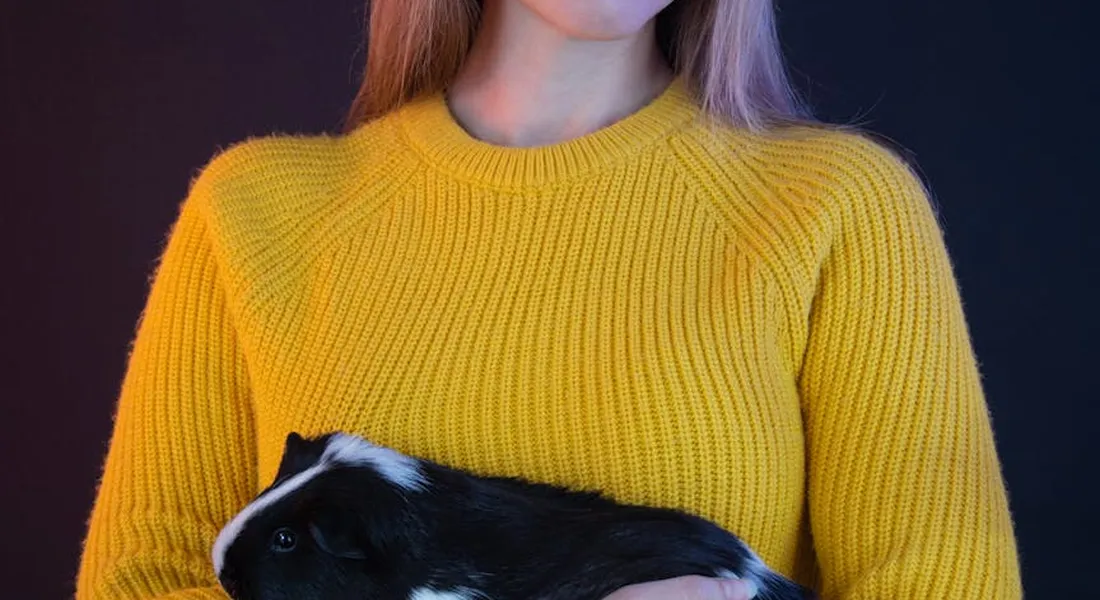
Setting up a secure enclosure helps your guinea pigs feel protected when darkness falls. From my time caring for Pepper, Clover, and Biscuit, I’ve seen how a well-designed space reduces their nighttime jitters.
- Provide hiding boxes made of cardboard or wood, like the one Biscuit adores for quiet moments.
- Add tunnels and fleece-lined bedding to mimic burrowing instincts, keeping them snug and engaged.
- Include chew toys and forage mats to ward off boredom, which can heighten fear in dim light.
Enrichment items are key for mental stimulation after sunset. Rotating toys weekly prevents monotony and encourages natural behaviors, something I do with Clover’s puzzle feeders.
- Offer hay racks and safe wooden blocks to chew on, promoting dental health and distraction.
- Use scent-free, soft bedding like paper-based liners to avoid respiratory issues and add comfort.
Maintain a calm atmosphere with consistent routines and minimal disruptions. Keeping noise levels low and avoiding sudden movements helps guinea pigs like Pepper relax through the night.
- Stick to regular feeding and cleaning times to build trust and predictability.
- Place the enclosure in a low-traffic area to shield them from household commotion.
Should You Use a Nightlight for Your Guinea Pig?
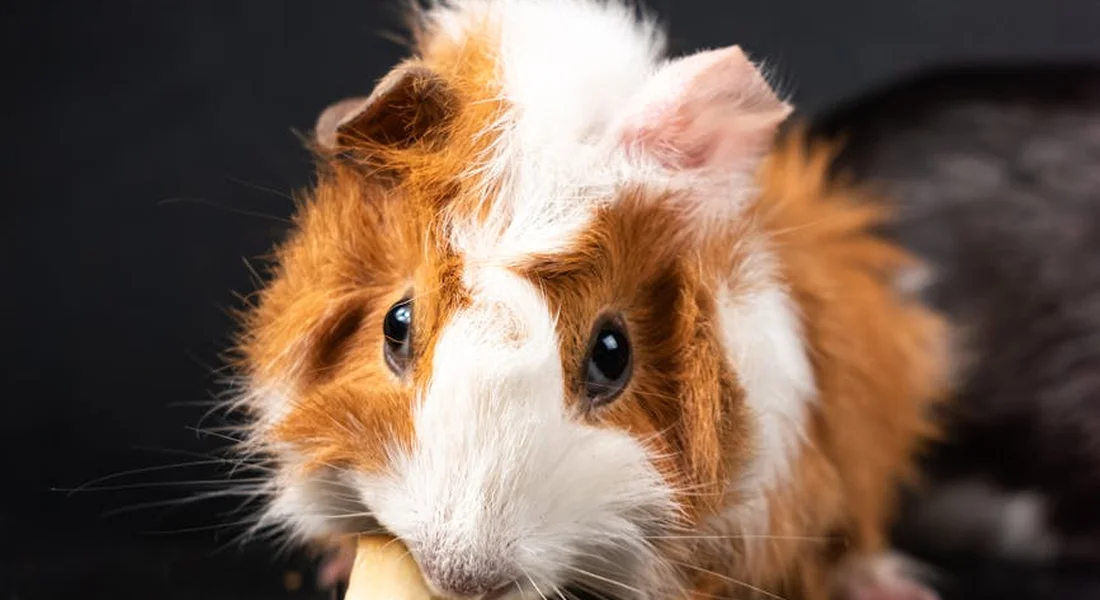
Deciding on a nightlight involves weighing its benefits and drawbacks for your pet’s well-being. I’ve found that a dim, red-toned light can ease anxiety for skittish pigs like Biscuit without overwhelming them.
- Pros: Reduces startle responses and helps them navigate safely if they wake up.
- Cons: Too much light may disrupt sleep cycles or cause stress if it’s too bright.
Introduce subtle lighting gradually to avoid startling your guinea pig. Start with a low-wattage bulb placed away from the cage, and observe their behavior over a few nights.
- Use timers to automate the light, turning it on at dusk and off at dawn for consistency.
- Opt for LED options with adjustable brightness to find what suits your pet best.
Balancing light and darkness supports their natural health rhythms. Guinea pigs need periods of darkness to regulate their circadian cycles, just like in the wild. They’re typically most active at dawn and dusk, with quieter periods during midday. Understanding these daily patterns helps you time play and feeding for when they’re most alert.
- Aim for 10-12 hours of dim light or darkness to promote restful sleep and overall vitality.
- Monitor for signs of discomfort, such as hiding more often, and adjust lighting accordingly.
Debunking Myths About Guinea Pigs and Darkness
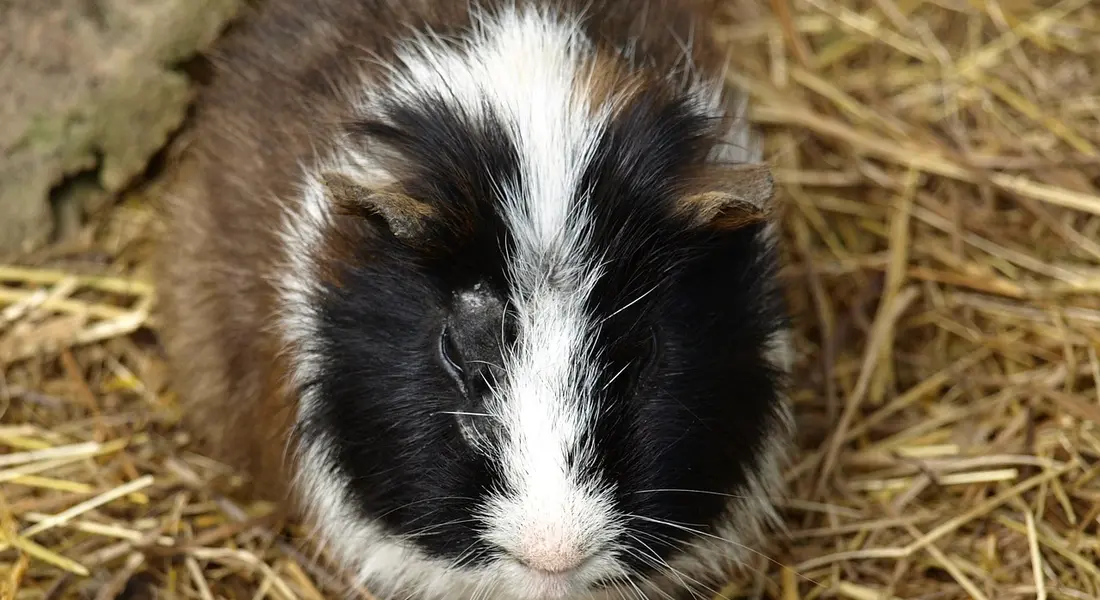
One of the most common questions I get from new owners is whether their little friends are nocturnal, active all night long like hamsters. Guinea pigs are not nocturnal; they are crepuscular, meaning their peak activity times are at dawn and dusk. My own trio, Pepper, Clover, and Biscuit, perfectly illustrate this. They are often most lively during those dim morning and evening hours, foraging and popcorning around their cage.
- They do not possess exceptional night vision and are not biologically wired for a fully nocturnal life.
- Their natural rhythm is tied to the soft light of sunrise and sunset, not the pitch black of midnight.
- Expect periods of quiet rest and sleep throughout both the day and the night.
Understanding this natural rhythm helps clarify their relationship with darkness. A dark, quiet environment is not something they inherently fear; it is essential for their quality sleep and stress reduction. In the wild, darkness provides safety from predators, and that instinct remains strong in our domestic pets. I’ve noticed my pigs sleep most soundly when the room is dark and calm.
If you see your guinea pig freeze or become still when you turn off the lights, don’t panic. This freezing behavior is a normal prey-animal instinct, not a sign of terror. They are simply pausing to listen and assess their surroundings for any potential danger. My gentle Pepper does this often, holding perfectly still for a moment before resuming her quiet munching.
- A consistent day/night cycle with periods of darkness supports their mental and physical health.
- Complete, prolonged darkness can make it harder for them to navigate and find food and water.
- A small, dim night light in the room can offer a comforting middle ground without disrupting their sleep.
Observing your pet’s individual personality is key. Each guinea pig has its own comfort level, and paying attention helps you provide the best care. Recognizing their temperament helps you tailor care. Understanding their unique personalities guides enrichment and handling. My graceful Clover seems utterly unbothered by dark rooms, while the more reserved Biscuit appreciates a sliver of light from the hallway. Their well-being is deeply connected to feeling secure in their environment, day or night.
FAQs
Are guinea pigs afraid?
Yes, guinea pigs can experience fear due to their instincts as prey animals. They may feel scared in unfamiliar or loud environments where they perceive potential threats, especially as they are sensitive to loud noises.
What should you do if your guinea pig is afraid of people?
Move slowly and speak in a calm, gentle voice to avoid startling your guinea pig. Offer small treats from your hand to build positive associations and encourage trust over time. This gentle, step-by-step approach helps shy, timid guinea pigs overcome shyness and build confidence. With patience and consistency, you’ll see them become more relaxed and curious around you.
How can you introduce a guinea pig to a new home without scaring it?
Set up a quiet, secure enclosure with plenty of hiding spots and familiar bedding to help them feel safe. Avoid handling them excessively at first and let them explore their new space gradually.
How do you calm an anxious guinea pig?
Provide cozy hideouts and maintain a predictable daily routine to reduce stress. Softly talking to them and offering favorite snacks can also help ease their anxiety.
What signs indicate fear in a guinea pig?
Look for behaviors like freezing in place, hiding, or making sharp, high-pitched noises. Other signs include rapid breathing, trembling, or trying to flee from perceived dangers.
Final Thoughts: Creating a Safe Space After Dark
Help your guinea pig feel secure by gradually acclimating them to darkness and maintaining a consistent evening routine. A gentle light source and a cozy, predictable habitat are your best tools for easing their natural caution. When providing care, it’s essential to understand their specific needs.
Your daily observations and willingness to learn about their unique behaviors are the heart of exceptional guinea pig care. Understanding their individual personalities helps you know if a guinea pig is a good fit for your household and how to bond with them. Choose eco-friendly bedding and toys to nurture both your pet’s well-being and our planet’s health.
Further Reading & Sources
- r/guineapigs on Reddit: Can Guinea Pigs Be Scared of the Dark?
- Scared of the dark? | The Guinea Pig Forum
- scared of the dark? – Guinea Pig Cages
- Do Guinea Pigs Prefer Light or Dark?
Kate is a passionate guinea pig owner and advocate for small pet welfare. With over a decade of experience caring for guinea pigs, she has become a trusted voice in the small pet community.
Uncategorized