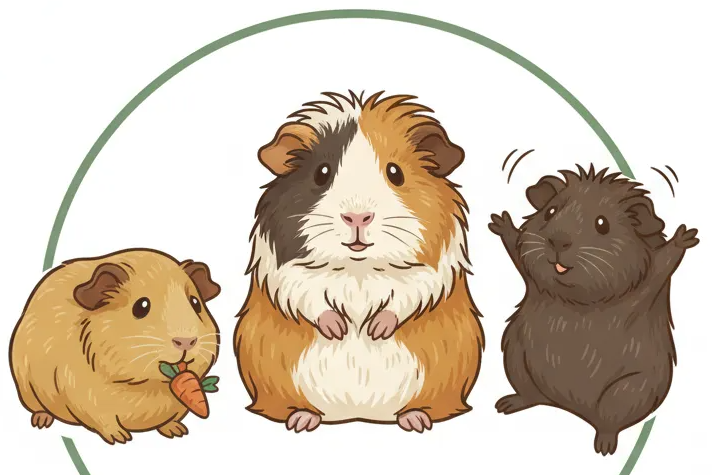
Building Trust with Your Rescued or Traumatized Guinea Pig
Hello CavyFam! Bringing home a rescued or traumatized guinea pig can feel overwhelming. You might worry they will never feel safe or learn to trust you.
I will guide you through patience and realistic timelines, creating a safe space, understanding body language, and bonding techniques. Having helped my own shy guinea pigs, Biscuit and Clover, learn to trust, I understand this beautiful journey firsthand.
Understanding Your Rescued Guinea Pig’s Past and Needs
Many rescued guinea pigs come from situations involving neglect, overcrowding, or sudden, frightening changes in their environment. My own guinea pig, Biscuit, arrived after being passed between homes, and he spent weeks hiding at the slightest sound. Understanding this potential background helps you respond with the patience they desperately need.
Watch for clear signs of stress or fear in their daily behavior. These signals are their only way of communicating their discomfort to you.
- Hiding for extended periods, rarely emerging even for food.
- Freezing in place when you approach or enter the room.
- Loud, sharp squeaks or teeth chattering, which indicate fear or annoyance.
- Refusing to eat favorite treats from your hand.
- Startling easily at common household noises.
Progress can be slow, but you will notice beautiful moments when your guinea pig begins to feel secure. You can tell if your guinea pigs are happy by watching their posture and playful behaviors. Celebrating these small victories is crucial for your morale and their recovery.
- They start taking food from your hand without flinching away.
- You hear soft, contented “purring” sounds when you are near.
- They begin exploring their cage more openly when you are present.
- Your guinea pig no longer instantly flees when you open the cage door.
- They exhibit “popcorning,” those joyful little jumps signaling happiness.
Setting Up a Secure and Calming Home Environment
A proper home setup is the foundation of trust for a traumatized pet. The cage itself should be a sanctuary, not just containment. I always recommend the largest cage you can manage, as cramped spaces amplify anxiety.
Place the cage in a quiet part of your home, away from blaring TVs and high-traffic areas. A corner of a calm bedroom or study is far better than a bustling living room. Think of it as their home base when you decide where to place it. Pick a spot you’ll pass by regularly for daily care and social interaction, while still staying out of the busiest areas. Ensure it’s not in direct sunlight or drafty spots, as stable temperatures promote a sense of safety.
Stock this safe space with items that cater directly to their need for security and comfort.
- Multiple hiding spots: Use at least two hideys, like wooden huts or fleece forests, so they always have an escape.
- Soft, absorbent bedding: Paper-based or fleece liners are gentle on their sensitive feet.
- A dedicated quiet area: Arrange hides and hay racks to create a low-stimulation corner.
- Tunnels and chews: These provide both entertainment and safe cover for moving around.
Minimizing sudden noise is perhaps the most impactful thing you can do. Loud, unpredictable sounds can shatter the trust you are carefully building.
- Place a thick towel or blanket over one section of the cage to dampen sound.
- Avoid slamming doors or playing loud music near their space.
- Maintain a consistent daily routine for feeding, cleaning, and interaction.
- Warn house guests, especially children, to use quiet voices near the cage.
- Turn off unnecessary electronics in the room to create a more peaceful atmosphere.
Step-by-Step Techniques for Gentle Trust Building
-
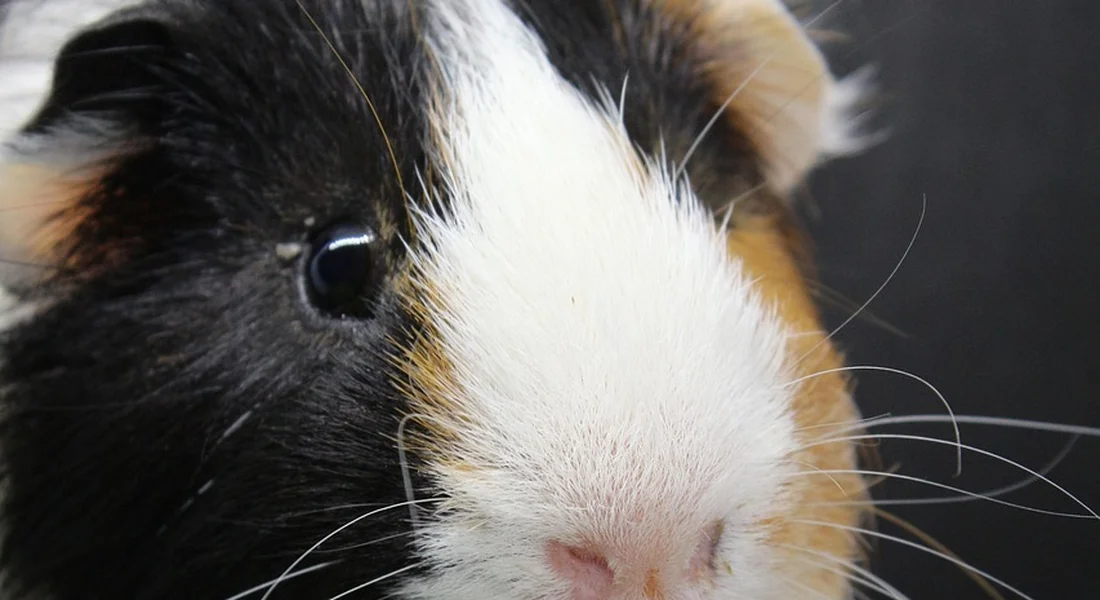
Start with observation from a distance to avoid overwhelming your guinea pig.
I often sit quietly near the cage for 15 minutes, letting Pepper and Clover watch me before I even attempt to interact. This simple act shows them your presence isn’t a threat. They learn your scent and the normal, non-threatening sounds you make. This is the first step in a gentle, step-by-step guide to taming a scared new guinea pig. With patience, you’ll gradually progress through the steps to build trust. -
Use soft voice and slow movements during initial interactions.
Speak in a gentle, low tone, almost like a soft hum, and move your hands like they’re moving through water. Sudden gestures can trigger a flight response, especially in my Peruvian, Biscuit, who startles easily. Slow is smooth, and smooth is safe in their world. -
Introduce hand-feeding of favorite treats to create positive associations.
Hold out a small piece of bell pepper or cilantro with a flat, open palm, letting them approach the treat on their terms. My Abyssinian, Clover, went from hiding to eagerly awaiting my hand once she connected it with her favorite greens. Your hand becomes a source of good things, not something to fear. -
Gradually progress to light tactile contact, like gentle petting.
Once they comfortably take food from you, try a single, slow finger stroke on their back or cheek while they munch. I found Pepper was most receptive to a gentle scratch behind his ears. Keep these sessions brief, ending on a positive note before they show any sign of discomfort.
Reading and Responding to Guinea Pig Body Language
Learning to interpret their silent signals is the most crucial skill for building a bond with a traumatized pig. Their entire world is communicated through posture and sound. Misreading these cues can set back your progress by days or even weeks.
- Detail common body language cues: relaxed postures vs. signs of fear.
A relaxed guinea pig will have a loose, stretched-out posture, might close their eyes contentedly, and emit soft, purring “bubbling” sounds when petted. In contrast, a frozen stance, wide-eyed staring, or sudden, frantic running indicates pure fear. I’ve seen Biscuit “popcorn” (a happy jump) one minute and freeze solid the next if a shadow moves too quickly.
| Calm & Content Behaviors | Stressed & Fearful Behaviors |
|---|---|
| Soft, chattering “wheeking” for food | Loud, sharp, repetitive shrieking or squealing |
| Relaxed, sprawled-out napping | Pressed flat to the ground, trying to disappear |
| Gentle purring or “bubbling” when petted | Chattering teeth (a clear warning sign) |
| Slow, curious exploration | Rapid, frantic running (zooming) |
- Note when to back off and give space based on their reactions.
The moment you see teeth chattering, hear a high-pitched shriek, or the animal completely freezes, you must immediately stop what you’re doing and give them space. Pushing an interaction when they are clearly communicating “no” will destroy the fragile trust you’ve built. I learned this the hard way with Clover; one forced petting session cost me three days of progress.
Establishing Routine and Positive Reinforcement
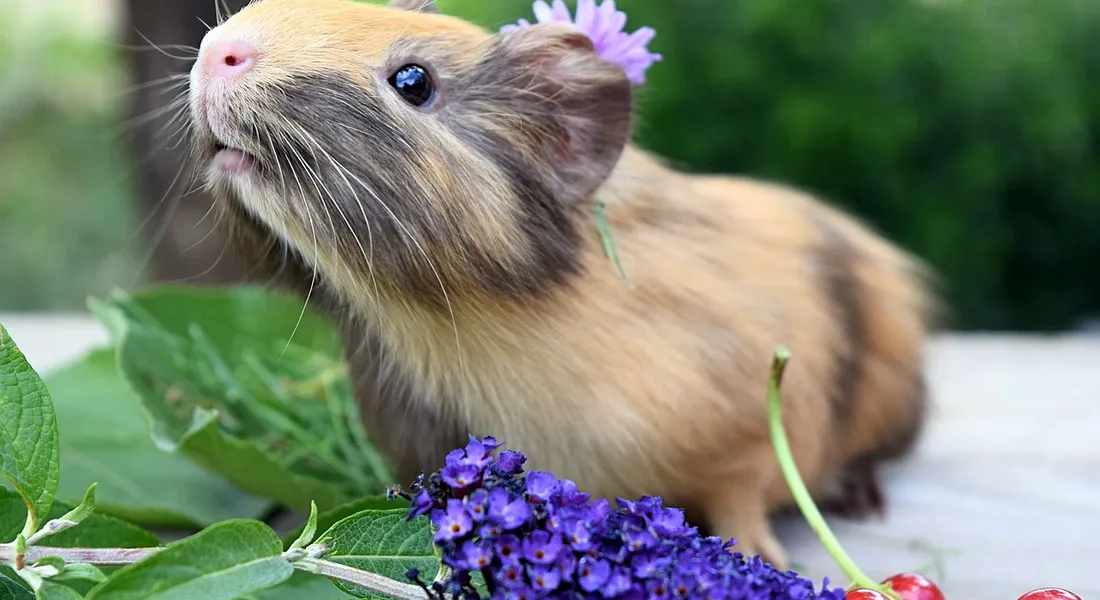
Consistency is your most powerful tool when helping a rescued guinea pig feel secure. I stick to a strict schedule for feeding, cleaning, and our daily bonding time, as this predictability tells my piggies the world is a safe, reliable place. This structure was vital for Biscuit, who was initially very reserved, especially when it came to displaying any bonding behaviors.
Your daily routine should be a comforting anchor for them.
- Feed fresh vegetables and pellets at the same times each morning and evening.
- Perform spot-cleaning of their habitat daily and a full clean on the same day each week.
- Dedicate a quiet 15-30 minute session each day for simply sitting near their enclosure and speaking softly.
Positive reinforcement turns scary new experiences into opportunities for joy. I always have a small stash of their favorite treats, like cilantro or a slice of bell pepper, to reward any brave behavior. When Clover first took a veggie piece from my hand instead of fleeing, I celebrated that tiny victory.
Enrichment activities double as fantastic rewards for their growing confidence.
- Hide treats inside a paper bag stuffed with hay to encourage natural foraging.
- Offer a new, safe chew toy after a successful lap around their playpen.
- Use a gentle, reassuring voice as a constant reward for simply being near you.
Addressing Health Issues in Rescued Guinea Pigs
Many rescued guinea pigs arrive with underlying health problems that can hinder their emotional recovery. You must become a dedicated observer, watching for subtle signs of discomfort that a traumatized piggy cannot vocalize. Crusty eyes, a perpetually wet nose, or patches of flaky skin are clear signals for a veterinarian visit. Equally important is learning how to recognize stress or anxiety in guinea pigs to provide holistic care.
Gentle grooming sessions serve a dual purpose of health monitoring and trust-building.
- During weekly brushing, feel for any lumps, bumps, or areas of tenderness.
- Check their underside daily for urine scalding, which is common in less mobile pigs.
- Observe their eating and drinking habits-any sudden change is a red flag.
Knowing when to seek professional help is a critical part of responsible ownership. I never hesitate to call my vet if Pepper shows a decrease in appetite or energy, as guinea pigs hide illness until they are very sick. Their physical wellness is completely intertwined with their capacity to heal emotionally.
Look for these specific signs that warrant an immediate vet appointment.
- Wheezing, sneezing, or labored breathing indicating a respiratory infection.
- Overgrown teeth, which can prevent eating and cause immense pain.
- Lethargy or a hunched posture, often the only sign of internal discomfort.
Long-Term Bonding and Enrichment Strategies
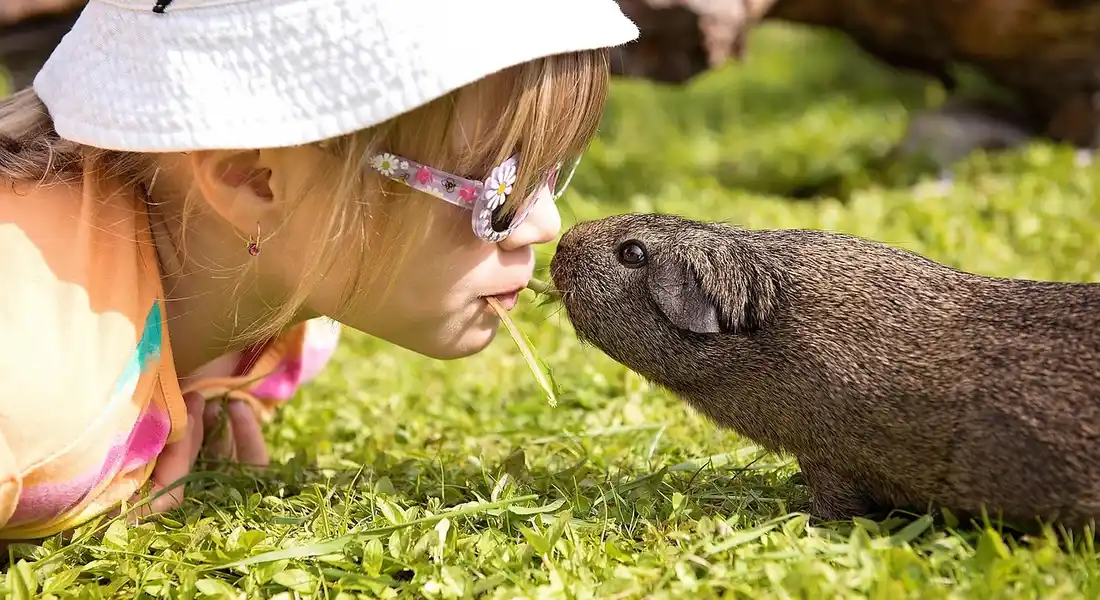
Deepening trust with a rescued guinea pig hinges on consistent, gentle interactions. I schedule daily five-minute sessions where I sit quietly by the cage, letting them approach me at their own pace. Offering small treats like fresh veggies from my hand builds positive associations without pressure. Over time, these routines help you bond with your guinea pig and build a long-term relationship. With patience and consistency, the bond grows deeper and lasts.
- Use regular, short bonding times to prevent overwhelm and reinforce safety.
- Speak in a soft, calm voice to help them recognize you as a friend.
- Gradually introduce light petting once they seem relaxed during sessions.
Enrichment keeps their minds active and reduces stress from past trauma. Rotating toys and tunnels weekly prevents boredom and encourages natural behaviors like exploring and chewing. Social play with other guinea pigs, if they are compatible, can boost confidence through gentle interactions. This aligns with boredom busters and 20 safe, engaging enrichment ideas for guinea pigs. Try mixing in a few from that list to keep them motivated.
- Toys: Chew blocks, hay balls, and puzzle feeders stimulate their curiosity.
- Tunnels: Cardboard tubes or fabric tunnels offer safe hiding and play spaces.
- Social play: Supervised floor time with cage mates like Pepper and Clover helps them learn from calmer companions.
Patience is your greatest tool in this journey. With Biscuit, my reserved Peruvian, it took over a month before she would nibble lettuce from my palm without flinching. Celebrate small victories, like when they start wheeking for food or come closer during sessions.
Essential Supplies for Supporting a Rescue Guinea Pig
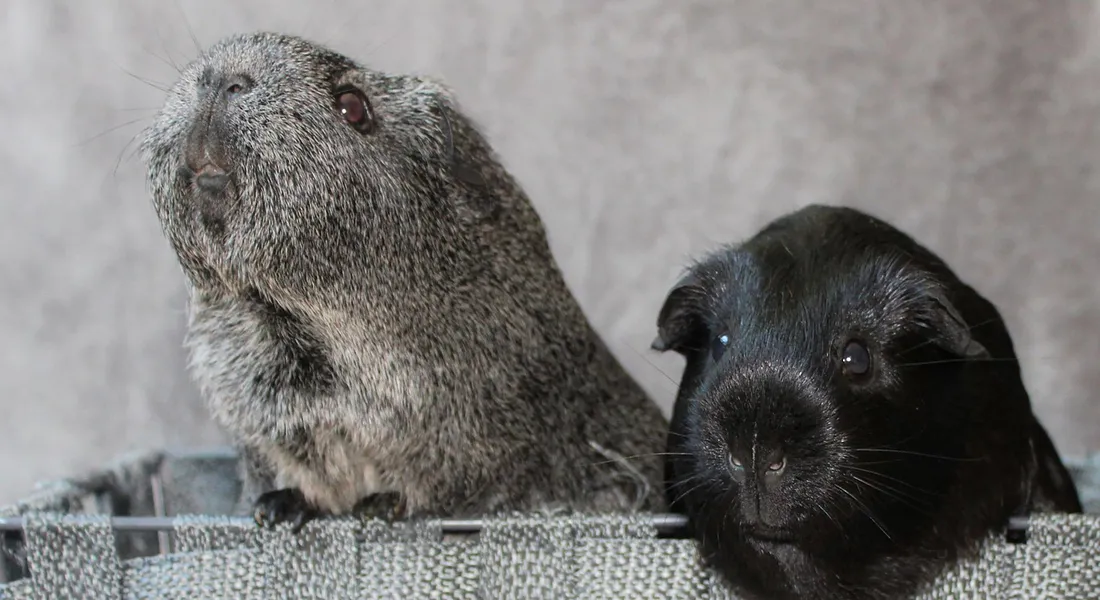
Choosing the right cage accessories can transform a fearful guinea pig into a content one. Covered huts or igloos provide essential hiding spots that mimic the security of burrows in the wild. I always include at least two per cage so no one feels cornered or stressed.
- Covered huts: Opt for ones with multiple exits to prevent trapping and encourage exploration.
- Sturdy ramps and platforms: These add vertical space without risking falls or injuries.
- Non-slip flooring: Use fleece liners or mats to protect delicate feet and reduce noise.
Comfort items make their environment feel like home, especially for rescues with rough pasts. Soft blankets or fleece pads offer warmth and a cozy spot to rest, which I change weekly to keep things fresh. Chew toys made from safe woods or loofah satisfy their need to gnaw and prevent dental issues.
- Soft blankets: Choose machine-washable materials for easy cleaning and hygiene.
- Chew toys: Apple sticks or untreated willow branches are favorites among my herd.
- Quiet hideaways: Place these in low-traffic areas to give them a peaceful retreat from household sounds.
Basic medical supplies ensure you are prepared for minor issues and emergencies. I keep a small kit with styptic powder for accidental nail cuts and saline solution for gentle eye cleaning. Having critical items on hand can ease stress for both you and your pet during unexpected moments.
- Styptic powder: Stops bleeding quickly if you trim nails too short.
- Saline solution: Useful for flushing out debris from eyes or minor wounds.
- Emergency vet contacts: Save numbers for a guinea pig-savvy veterinarian in your phone and on paper.
FAQs
What causes crusty eyes in guinea pigs?
Crusty eyes can result from infections, irritants, or underlying health issues like respiratory problems. Always consult a veterinarian for a proper diagnosis and treatment plan.
How should I treat my guinea pig’s crusty nose?
A crusty nose may indicate a respiratory infection or environmental irritation. Seek veterinary care to address the cause and prevent complications.
Why does my guinea pig have a crusty bum?
A crusty bum often stems from urine scalding, poor hygiene, or digestive issues. Ensure clean bedding and consult a vet to rule out infections or other concerns.
What is the treatment for crusty nipples in guinea pigs?
Crusty nipples can be due to mites, infections, or hormonal changes. A veterinarian can recommend appropriate treatments, such as topical ointments or medications.
Is a crusty ear a sign of illness in guinea pigs?
Yes, a crusty ear may signal mites, fungal infections, or injuries. Prompt veterinary evaluation is essential for accurate treatment and recovery.
Your Path to a Trusting Bond
Focus on patience and a safe, quiet space to help your guinea pig feel secure, as I’ve seen with my own trio—Pepper, Clover, and Biscuit—who each blossomed at their own pace. Consistent, gentle handling and positive reinforcement, like offering their favorite veggies, gradually build the trust needed for a happy, confident pet. It’s especially crucial when you’re trying to make your new guinea pig feel safe and acclimated.
Commit to ongoing learning about guinea pig care, including eco-friendly choices like recycled paper bedding or organic hay, to support both their health and our environment. Understanding guinea pig nesting behavior—how they burrow, mound bedding, and pick warm, dry spots—helps you select bedding that keeps them comfortable and safe. This awareness guides bedding depth, material choice, and cleaning routines to keep them dry and cozy. Responsible ownership means adapting to their needs and reducing waste, ensuring a better life for your furry friends and the world they inhabit.
Further Reading & Sources
- r/guineapigs on Reddit: How do I gain guinea pig trust ?
- How to Get Your Guinea Pig to Trust You: 14 Steps (with Pictures)
- Piggy Personalities: on Bonding and Building Relationships with Your Pigs
- 4 Steps to Bond With Your Guinea Pigs (2023 Update!) – GuineaDad
Kate is a passionate guinea pig owner and advocate for small pet welfare. With over a decade of experience caring for guinea pigs, she has become a trusted voice in the small pet community.
Uncategorized