Can Guinea Pigs Get Hiccups? Causes & Care
Published on: February 1, 2026 | Last Updated: February 1, 2026
Written By: Kate M. Callahan
Hello CavyFam! You might have noticed your guinea pig making a tiny, rhythmic jerking motion and wondered what’s happening. It’s a common sight that can cause a bit of worry for any pet parent.
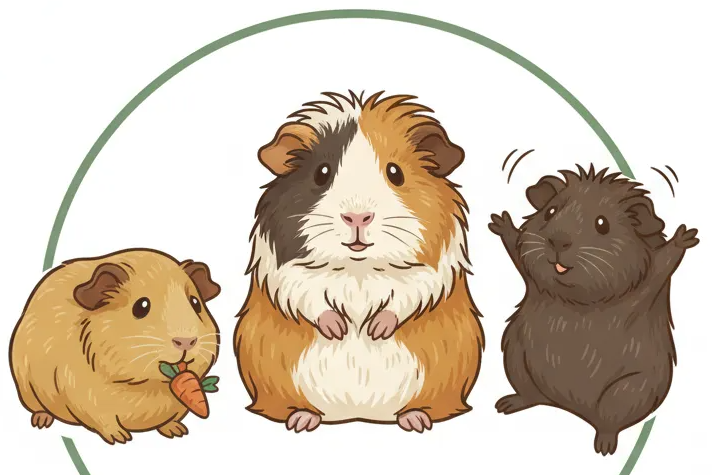
In this guide, we’ll cover what causes hiccups, how to tell them apart from serious issues, when you should be concerned, and simple ways to help prevent them. I’ve learned all this from years of caring for my own trio of guinea pigs-Pepper, Clover, and Biscuit.
Identifying Guinea Pig Hiccups: What to Look and Listen For
The Sound and Sensation of a Guinea Pig Hiccup
Guinea pig hiccups produce a distinct, sharp little sound, often like a soft, high-pitched “squeak” or “chirp.” You might hear this sound repeated rhythmically every few seconds, paired with a small, quick jerk of their entire body. My guinea pig, Pepper, gets them sometimes after a particularly enthusiastic meal, and the first time I heard it, I was quite concerned! It’s a very different sound from their normal, contented wheeking.
Beyond the sound, you can often feel the hiccups if you’re holding your pet. Place a gentle hand on their back or side, and you’ll detect a tiny, involuntary spasm that coincides with the sound. Their whole frame gives a little jump. It’s a strange sensation, but it’s usually harmless and passes quickly.
It’s crucial to distinguish these hiccups from more serious respiratory issues. A key difference is that hiccups are rhythmic and brief, while labored breathing or a persistent cough is irregular and often accompanied by lethargy. If the jerking motions or sounds continue for more than ten minutes, it’s a good idea to consult your veterinarian.
Common Causes of Hiccups in Guinea Pigs
Eating Too Fast and Swallowing Air
This is the most frequent culprit I’ve observed with my own herd. When a guinea pig eats too quickly, they tend to gulp down air along with their food, which can irritate the diaphragm and trigger those familiar spasms. My little Biscuit is a prime example; her reserved nature means she sometimes eats rapidly to avoid competition, leading to a post-meal hiccup session.
You can help prevent this by managing their feeding environment. Try using a foraging toy or scattering their pellets across a larger area instead of one pile in a bowl. This encourages natural foraging behavior and forces them to eat more slowly, dramatically reducing the amount of air they swallow.
- Scatter vegetables and pellets in their hay.
- Use a treat ball for portioned pellets.
- Provide multiple food dishes if you have a dominant pig.
Environmental Triggers: Cold Air and Stress
Sudden exposure to a draft or a significant drop in temperature can be a shock to their system. Just like in humans, a quick intake of cold air can cause the diaphragm to contract involuntarily, resulting in hiccups. Many people wonder if guinea pigs hibernate. They do not truly hibernate, but they can become less active in cold weather and may benefit from extra warmth and consistent care. I always make sure my guinea pigs’ cage is placed away from drafty windows or air conditioning vents, especially for my graceful but sensitive Clover.
Stress is another powerful trigger that many owners overlook. Loud noises, the presence of other household pets, or even a sudden change in their cage layout can cause enough anxiety to bring on a bout of hiccups. Their bodies react to perceived threats in subtle ways, and this is one of them.
Creating a calm, stable environment is your best defense. Ensure their habitat is in a quiet part of your home and introduce any changes to their routine or living space gradually. A happy, relaxed guinea pig is far less likely to experience stress-induced hiccups. If you’re unsure whether your guinea pig is stressed or anxious, watch for signs like hunched posture, fluffed fur, rapid breathing, reduced appetite, or withdrawal. Recognizing these early helps you adjust their environment to keep them calm.
When Hiccups Are Normal and When to Pay Closer Attention
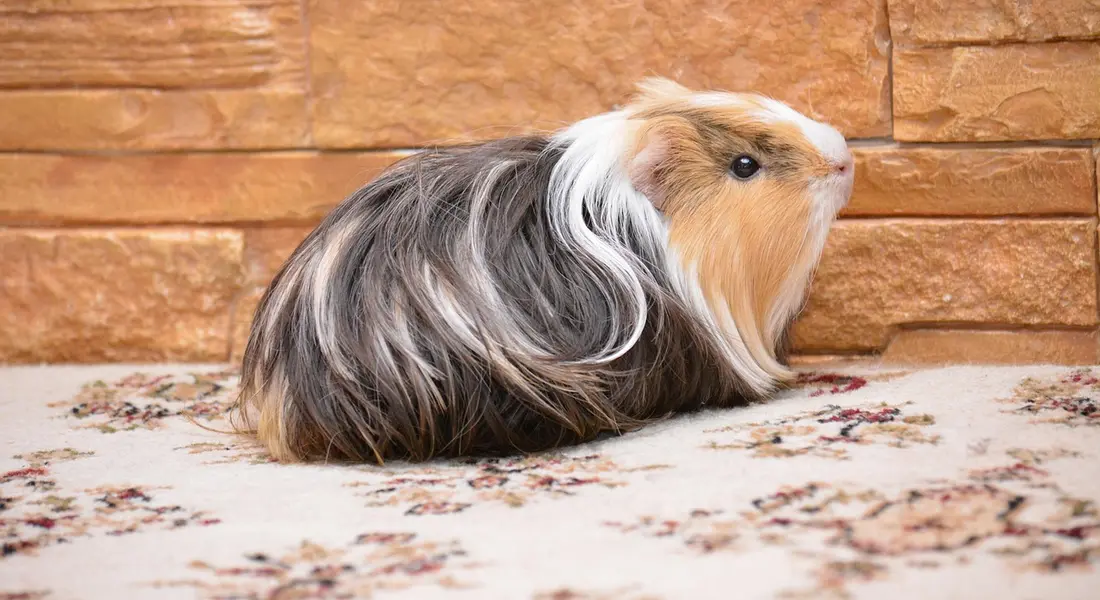
Most guinea pig hiccups are brief and resolve on their own, just like a sudden sneeze.
Occasional, short-lived hiccups after a meal or a drink are usually nothing to worry about.
My guinea pig, Pepper, often gets a quick bout after eagerly munching on his morning veggies.
Signs That Hiccups May Indicate a Problem
You should watch closely if the hiccups persist or are accompanied by other changes in behavior.
Persistent hiccups lasting more than a few hours are a clear signal to contact your veterinarian.
- Hiccups paired with a loss of appetite or refusal of favorite treats.
- Noticeable labored breathing, wheezing, or any discharge from the nose.
- Lethargy or a hunched posture, as if in pain.
- Bloating of the abdomen, which can indicate serious digestive issues.
My thoughtful Clover once had hiccups that wouldn’t stop, and it turned out she had eaten too fast and had a minor gas bubble.
Simple Home Care for a Hiccuping Guinea Pig
A calm, gentle approach is the best first aid you can offer your little friend.
Your primary goal is to help your guinea pig relax, as stress can make hiccups worse.
Step 1: Ensure a Calm Environment
Sudden loud noises or fast movements can startle your pet and prolong the hiccups.
Speak to them in a soft, soothing voice and avoid picking them up unnecessarily.
I find that simply sitting near Biscuit’s cage and talking quietly helps him settle down much faster.
Step 2: Encourage Proper Hydration
Offer fresh, cool water in a clean bottle.
Sometimes a small, calming sip of water can help reset their diaphragm.
Never force water into their mouth, as this can cause them to aspirate and lead to more serious health problems.
Step 3: Promote Steady Digestion with Hay
Unlimited access to high-quality timothy hay is crucial for guinea pig health.
The constant chewing motion required to eat hay can help naturally resolve minor diaphragm spasms.
I always make sure my guinea pigs’ hay racks are full, as the steady digestion it promotes prevents many common issues. Some people argue that a loose hay pile more closely matches guinea pigs’ natural foraging behavior, while a rack helps reduce waste. A balanced setup—using both—can offer steady access with enrichment.
Preventing Future Hiccup Episodes
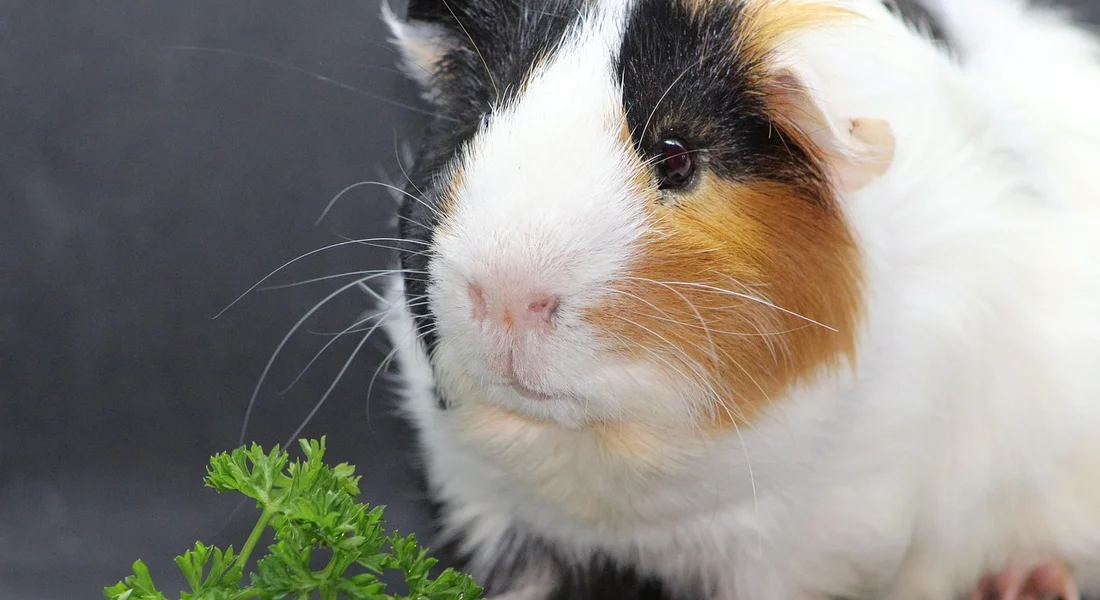
I’ve noticed with my own guinea pigs-Pepper, Clover, and Biscuit-that small changes in their daily care can make a big difference. Preventing hiccups often comes down to managing how and what your guinea pigs eat and drink. A calm, stable environment also plays a key role in keeping those tiny diaphragms relaxed.
Adjust Feeding and Drinking Habits
Guinea pigs tend to gulp their food when excited or overly hungry. Slow down their eating by using a hay feeder with smaller openings or scattering pellets in their bedding for foraging. This technique is part of a complete guide for foraging your guinea pig, outlining safe, enrichment-focused feeding practices. Following it helps maintain digestion and mental engagement. My Abyssinian, Clover, used to hiccup after meals until I started this scatter-feeding method—it encourages natural behavior and prevents frantic eating.
- Provide fresh, long-strand hay to promote slower, more deliberate chewing.
- Use heavy, tip-proof water bottles to avoid air gulping from a dangling sipper tube.
- Offer vegetables at room temperature; very cold foods can trigger spasms.
Create a Low-Stress Environment
Loud noises, frequent handling, or sudden changes can startle guinea pigs and lead to hiccups. Place their cage in a quiet part of your home, away from televisions and high-traffic areas. I keep my guinea pigs’ enclosure in a calm corner, and reserved Biscuit has become much more relaxed and hiccup-free as a result. Guinea pigs are indeed sensitive to loud noises and can react with startled jumps or freezing in place. Keeping noise levels low helps them stay calm and less prone to stress-related hiccups.
- Maintain a consistent daily routine for feeding and playtime.
- Use soft bedding and hiding spots so your pets feel secure.
- Introduce new toys or cage mates gradually to avoid stress.
Knowing When to Seek Veterinary Care
While hiccups are usually harmless, certain signs indicate a deeper issue. Always trust your instincts—you know your guinea pig’s normal behavior best. If something feels off, it’s better to consult a vet than to wait and worry. If your guinea pig seems sick, you can use a complete home troubleshooting checklist to guide your next steps. It helps you act quickly and calmly while you assess symptoms and seek care.
Watch for These Red Flags
Hiccups that persist for more than a few hours or occur with other symptoms need attention. Labored breathing, lethargy, or loss of appetite paired with hiccups could point to respiratory infection or digestive blockage. My gentle Pepper once had hiccups with wheezing, and a quick vet visit caught a mild URI early.
- Hiccups lasting over an hour without pause.
- Noticeable weight loss or refusal to eat favorite foods.
- Clicking sounds while breathing or discharge from nose/eyes.
What Your Vet Might Check
If you bring your guinea pig in for persistent hiccups, the vet will likely perform a thorough exam. They’ll listen to the heart and lungs, check teeth for overgrowth, and palpate the abdomen for gas or blockages. In some cases, an X-ray can reveal underlying issues not visible from the outside. During the visit, handle your guinea pig gently and securely. Use a small carrier and support the chest and hindquarters to keep them calm.
- Physical examination of breathing and digestion.
- Review of diet and habitat setup with you.
- Possible diagnostic tests if an infection is suspected.
FAQs
What are the common causes of guinea pig hiccups?
Guinea pig hiccups are often caused by eating too quickly or swallowing air during meals. Stressful situations or sudden exposure to cold drafts can also trigger these spasms.
What does a guinea pig hiccup sound like?
A guinea pig hiccup typically makes a soft, high-pitched chirping or squeaking noise. This sound is rhythmic and may be accompanied by a small, visible body jerk. In this complete guide to guinea pig vocalizations and what they mean, we explain what hiccups can signal. Recognizing these cues helps you gauge your pet’s mood and health.
Can guinea pigs have silent hiccups?
Yes, guinea pigs can experience silent hiccups where no sound is audible. You might only notice a slight trembling or spasm in their body when observing or holding them. Even silent hiccups are part of their communication, but a lot of meaning comes from the sounds they make. For new owners, a guide to interpreting common guinea pig sounds can help you understand what to listen for and when to seek help.
How can I treat my guinea pig’s hiccups at home?
Most hiccups resolve on their own, but you can help by providing a quiet environment and fresh water. Offering hay to encourage steady chewing may also ease the hiccups naturally.
Why is my guinea pig hiccuping so much?
Frequent hiccuping could result from consistent fast eating or ongoing stress in their environment. If it persists regularly, consider adjusting their diet and habitat or consulting a veterinarian.
Your Guinea Pig’s Health Journey
From my time with Pepper, Clover, and Biscuit, I’ve learned that guinea pig hiccups are usually harmless and stem from simple causes like eating too quickly or minor stress. Keep a close eye on your pet’s behavior and consult a vet if hiccups last more than a few minutes or come with other worrying signs.
Responsible pet ownership means always putting your guinea pig’s well-being first through attentive care and eco-friendly choices in their habitat. Embrace continuous learning to make sustainable decisions that benefit both your furry friend and the planet, such as knowing how to properly care for guinea pigs.
Further Reading & Sources
- r/guineapigs on Reddit: Guinea pig hiccups?
- Guinea Pig Hiccups: Causes, Symptoms, and Solutions
- Sick guinea pig or just hiccups? | The Guinea Pig Forum
- Can Guinea Pigs Get Hiccups?
Kate is a passionate guinea pig owner and advocate for small pet welfare. With over a decade of experience caring for guinea pigs, she has become a trusted voice in the small pet community.
Uncategorized