Do Guinea Pigs Have Periods or Menstrual Cycles? A Clear Answer
Published on: February 6, 2026 | Last Updated: February 6, 2026
Written By: Kate M. Callahan
Hello CavyFam! You might be wondering if your guinea pig experiences a menstrual cycle similar to humans, especially if you’ve noticed any unusual signs. This question often pops up when owners spot blood or behavior changes, sparking worries about their pet’s health.
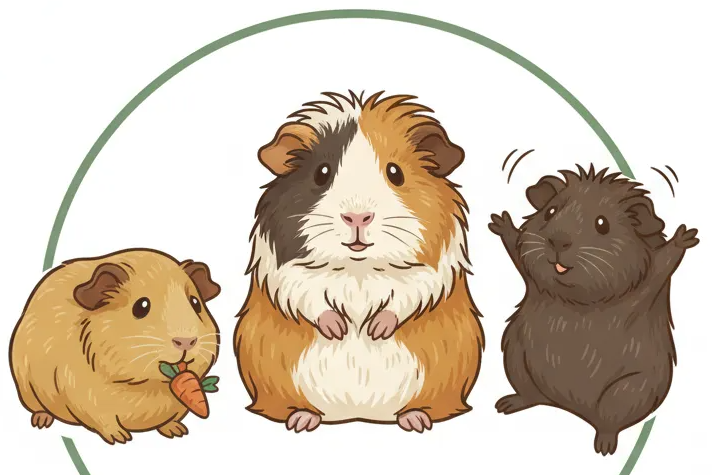
In this article, we’ll explore guinea pig reproductive cycles, key differences from human periods, common signs of estrus, and practical health tips. With years of hands-on care for my guinea pigs like gentle Pepper, graceful Clover, and reserved Biscuit, I’m here to offer reliable insights based on real experience.
Understanding the Guinea Pig Reproductive Cycle
Key Features of the Estrous Cycle
Guinea pigs do not have a menstrual cycle like humans; they experience an estrous cycle. The entire cycle repeats roughly every 16 days, with the female being receptive to a male for only about 8 hours during that time. This is a crucial distinction, as there is no bleeding or shedding of the uterine lining. I’ve noticed my own guinea pigs become more vocal and active during this receptive phase, which is a completely normal part of their biology.
The cycle is divided into four main phases: proestrus, estrus, metestrus, and diestrus. Estrus is the short “heat” period when ovulation occurs and mating can happen. My pig, Clover, often becomes more exploratory during this window, showing a clear change in her daily routine that signals where she is in her cycle.
Guinea Pig Puberty and Cycle Onset
Female guinea pigs reach puberty remarkably early. They can experience their first estrous cycle and become pregnant as young as 4 to 6 weeks old. That also means you should be prepared for nursing if a litter occurs. Monitoring nursing, weight gain in pups, and a safe nesting space is part of responsible guinea pig care. This is much sooner than many new owners expect, so it’s vital to separate males from females well before this age. I learned this the careful way after adopting my first pair and had to rearrange their living situation quickly.
Their reproductive life is long and prolific. A healthy sow can continue having cycles and producing litters for several years, though breeding older females carries more risks. This early and sustained fertility is a key reason why responsible ownership and separation are so important for their welfare.
Signs Your Female Guinea Pig Is in Estrus
Normal Estrus Symptoms
When your guinea pig is in heat, her behavior provides clear clues. You might observe a distinct, low rumbling sound, often accompanied by a slow, swaying walk, which is her way of signaling she is receptive. These mood shifts can also help you know if your guinea pig is happy—when she relaxes and seeks affection, it’s a sign she’s content. My guinea pig, Pepper, becomes noticeably more sociable and seeks extra head scratches during this time.
Other common signs are perfectly healthy and temporary.
- Increased restlessness and exploration of her enclosure.
- A slight swelling of the external genitalia.
- More frequent vocalizations, including purrs and wheeks.
- She may “present” herself to cage mates by lowering her front end.
When Symptoms Might Signal Issues
While estrus is normal, some signs can indicate a health problem. Any visible blood from the vaginal area is not a period and is a definite signal to contact your veterinarian immediately. This could point to a serious condition like a urinary tract infection, bladder stones, or a uterine issue.
Pay close attention to the intensity and duration of the symptoms.
- Lethargy or a noticeable loss of appetite during her cycle.
- Signs of pain, such as teeth chattering or hunching.
- Persistent, aggressive mounting of cage mates that causes stress.
- A swollen abdomen that doesn’t subside after her heat ends.
Trust your instincts-you know your pet’s normal behavior best, and any major deviation warrants a professional opinion. From my experience, a quick vet visit for a strange symptom is always better than waiting and hoping it resolves on its own.
Why Guinea Pigs Don’t Have Menstrual Bleeding
Reproductive Differences from Humans
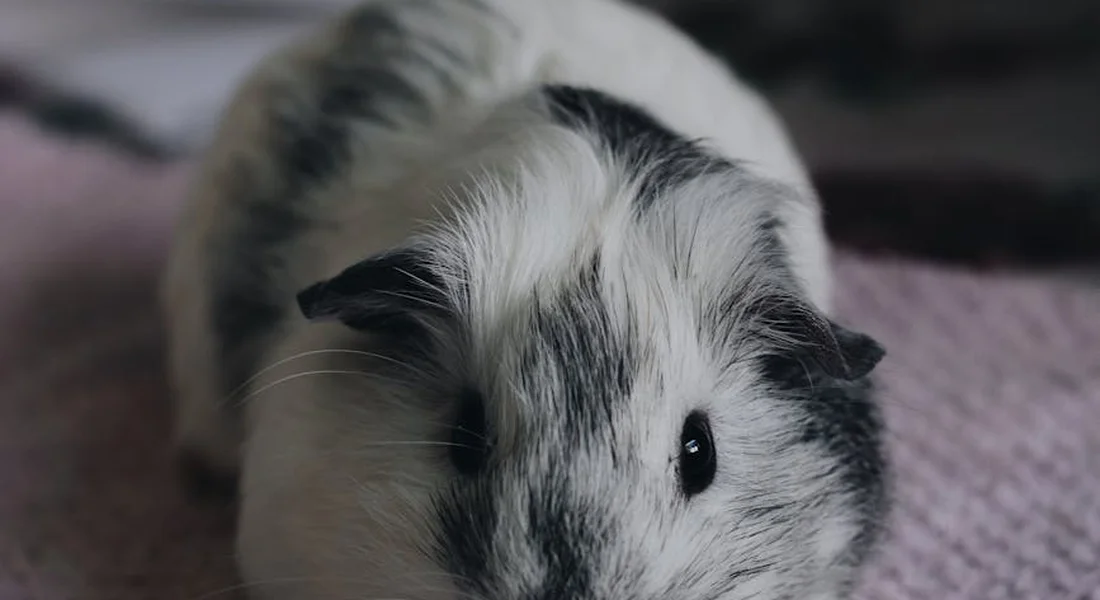
Guinea pigs, like my gentle Pepper, operate on a completely different reproductive schedule than humans. They experience estrous cycles, not menstrual cycles, which is a fundamental biological distinction. This means their bodies reabsorb the uterine lining if pregnancy doesn’t occur, rather than shedding it as a period. If you’re interested in understanding more about guinea pig pregnancy, especially when to expect signs and their timeline, you can check out this guide.
Their reproductive process is known as being “induced ovulators.” This means the physical act of mating triggers the release of an egg, a system I’ve observed makes their fertility incredibly efficient. It’s a fascinating adaptation that sets them apart from many other mammals.
Bleeding in Guinea Pigs: Causes and Concerns
Common Health Problems Linked to Bleeding
Seeing any blood on your guinea pig or in their cage is a major red flag. Bleeding is never normal and always warrants immediate attention from an exotic vet. From my years of caring for my trio, I know it can point to several serious conditions.
- Urinary Tract Infections (UTIs): These are a common culprit, often causing blood in the urine, which can be mistaken for vaginal bleeding. My Clover once had a UTI, and her discomfort was evident.
- Pyometra: This is a severe, life-threatening uterine infection that can cause a bloody or pus-like discharge.
- Bladder Stones: These painful stones can scrape the bladder wall, leading to bleeding during urination.
- Ovarian Cysts: Common in older females, these cysts can cause hormonal imbalances and sometimes bleeding.
- Trauma or Injury: A sharp object in the cage or a minor scuffle with a cage mate can cause a cut.
Steps to Take If You Notice Bleeding
Staying calm and acting quickly is the most important thing you can do for your pet. Your first and most critical step is to contact your exotic veterinarian immediately. Do not wait to see if it resolves on its own.
- Gently isolate the affected guinea pig in a clean, comfortable, and quiet carrier with a soft towel. This reduces stress and allows you to monitor them closely.
- Check their bedding thoroughly to confirm the source and color of the blood. Is it in the urine, on the fur, or from a specific wound?
- Note any other symptoms like lethargy, loss of appetite, or vocalizations of pain. This information is vital for your vet.
- Keep your pet warm and comfortable while you prepare for the vet visit. Offer them fresh water and a favorite vegetable to encourage them to eat.
Always prioritize a vet’s diagnosis over online advice, as internal issues can deteriorate rapidly in these small animals. Prompt, professional care is the best way to ensure a positive outcome for your furry friend.
Caring for a Guinea Pig in Estrus or Pregnancy
Daily Care During Estrus
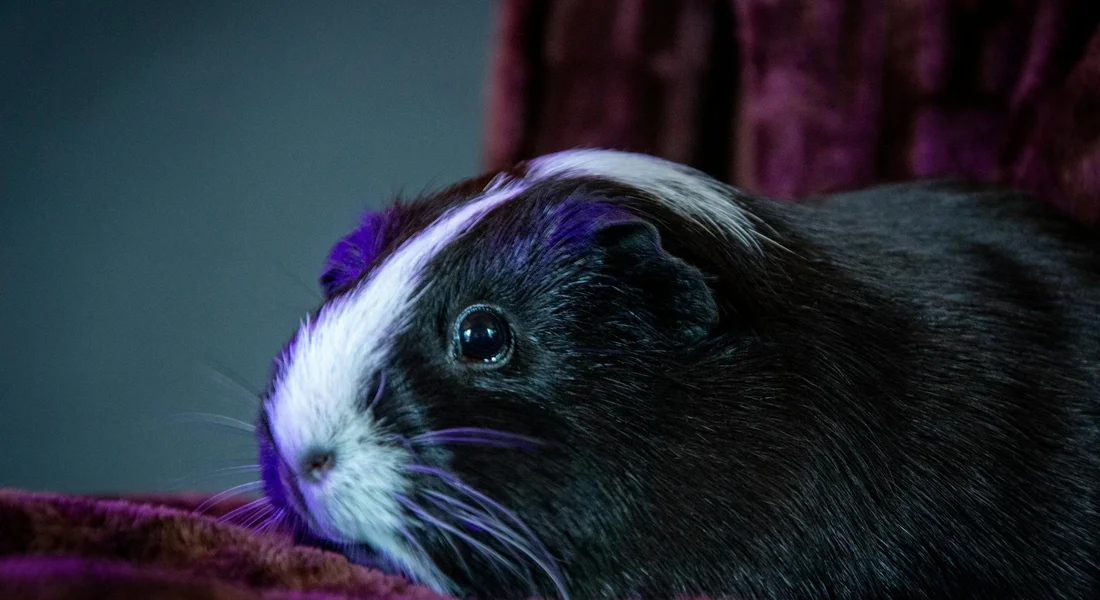
When your guinea pig is in estrus, her daily routine needs small tweaks. I noticed my girl, Pepper, becomes more vocal and fidgety during this time. Providing extra floor time in a secure, spacious area helps her expend that restless energy safely. Her gentle personality remains, but she appreciates having more room to move.
Handling requires extra patience. Always approach slowly and let her sniff your hand before picking her up, as she might be more sensitive to touch. I found that speaking softly to Clover, my more thoughtful pig, reassured her during these phases. Keep her environment calm and predictable to reduce any stress.
Diet stays largely the same, but monitor her hay and water intake closely. A consistent supply of fresh timothy hay and clean water is non-negotiable for her digestive health. I sometimes offer a small, extra piece of bell pepper as a hydrating treat, which my crew always appreciates.
Recognizing Pregnancy Signs
Spotting pregnancy early makes a big difference. The most obvious sign is a rapidly expanding belly, but it starts subtly. You might first notice her sides beginning to round out symmetrically, typically after two to three weeks. With my Peruvian, Biscuit, her reserved nature became even more pronounced as she sought quiet corners more often.
Behavioral shifts are key indicators. A pregnant sow often drinks more water and may show a noticeable increase in appetite well before her shape changes. She might also become less tolerant of her cage mates. Weigh her weekly with a small kitchen scale; a steady weight gain is a strong clue.
In the final stages, you might feel the babies moving. Gently placing a hand on her side when she’s relaxed can reveal slight kicks or rolls, confirming the pregnancy. Always be incredibly gentle, as this is a delicate time for her. If you suspect pregnancy, a vet visit is the best next step for confirmation and care advice.
Spaying and Responsible Breeding Choices
Weighing Spaying Decisions
Deciding to spay your guinea pig is a significant choice that impacts her long-term health. Spaying can prevent common, life-threatening conditions like ovarian cysts and uterine tumors later in life. I’ve seen the relief it brings, knowing my pigs are protected from these painful issues. It’s just one of the many steps I take to ensure they are healthy and comfortable, especially when handling them during health checks.
It’s not a decision to take lightly due to the surgery’s risks. The procedure requires an experienced exotic vet, as guinea pigs are delicate under anesthesia. The recovery period demands a quiet, clean space and careful monitoring of her eating and drinking habits post-surgery. Recovery specifics vary by procedure, but most require close monitoring of appetite, hydration, and wound healing. Knowing what to expect for common guinea pig surgeries helps you plan and spot issues early. Discuss the pros, cons, and full cost with your vet beforehand.
For many owners, the peace of mind is worth it. Spaying eliminates the regular hormonal cycles of estrus, which can reduce stress for some individuals. It also means you can house her with a male companion without the risk of constant pregnancies, simplifying social groupings.
Breeding and Mating Insights
Breeding guinea pigs is a major commitment that should not be undertaken casually. Responsible breeding starts with a clear purpose, such as improving a specific breed’s health traits, not just producing cute babies. It requires extensive knowledge of genetics to avoid passing on hereditary problems. Guinea pigs come in several breeds, which you can learn more about here, and coat types. Each type can have different health and care needs, which matters for responsible breeding.
You must be prepared for all outcomes. Have a solid, vetted plan for homing every single baby, and be ready to keep them all if suitable homes cannot be found. I’ve known breeders who ended up with double-digit piggies because they overestimated the demand.
The process itself has risks for the sow. Pregnancy and birth can be hazardous for guinea pigs, especially for first-time mothers or those over a certain age. Complications like pregnancy toxemia are real threats. For the vast majority of pet owners, the most responsible and kindest choice is to avoid breeding altogether. Similarly, for male guinea pigs, owners weigh the pros and cons of neutering. It can reduce aggression and prevent unwanted breeding, but it carries surgical risks and possible long-term effects.
FAQs

Why is it a myth that guinea pigs have menstrual periods?
Guinea pigs experience an estrous cycle where the uterine lining is reabsorbed instead of shed. This means there is no bleeding or period like in humans. Guinea pigs also shed fur as part of normal grooming, and understanding their shedding patterns can guide practical care solutions. Noticing when shedding deviates from the norm can help you adjust grooming and diet to keep their coat healthy.
What are common signs of estrus that might be confused with period symptoms?
Normal estrus signs include increased vocalization and restlessness, which are temporary. However, any bleeding or prolonged discomfort is not related to a cycle and needs vet care.
What does it mean if I see blood near my female guinea pig?
Blood is never normal and could indicate a urinary tract infection or other serious issue. You should seek immediate veterinary assistance to diagnose the cause.
How does the estrous cycle affect a female guinea pig’s daily life?
During estrus, she may show more social behavior or activity for a short time. These changes are harmless and part of her natural reproductive rhythm.
Can female guinea pigs have reproductive issues similar to menstrual problems?
They can develop conditions like ovarian cysts or infections that may cause symptoms. Regular health checks help prevent and manage these issues early.
Caring for Your Guinea Pig’s Unique Health
Guinea pigs do not experience periods like humans, but any vaginal bleeding is a serious sign requiring immediate veterinary attention. If you notice other critical signs in guinea pigs such as sudden lethargy, not eating, or unresponsiveness, these could indicate your guinea pig is in danger and needs urgent veterinary care. Note that guinea pigs do not hibernate, but a sudden drop in activity can be a red flag that warrants immediate attention. Always monitor for unusual discharge or behavioral changes and consult an exotic pet specialist if you have concerns about your pet’s reproductive health.
Responsible ownership means committing to lifelong learning about your guinea pig’s specific needs and well-being. Consider eco-friendly choices like paper-based bedding and proper waste disposal to create a healthier, sustainable home for your small companion. Properly caring for guinea pigs also means daily attention to their diet, housing, and health needs. Regular vet visits and clean, safe living spaces help keep them healthy and happy.
Further Reading & Sources
- Do guinea pigs have periods? – GuineaDad
- Do Guinea Pigs Get Periods? Vet-Reviewed Menstrual Cycle Facts & FAQ | Hepper Pet Resources
- Do Female Guinea Pigs Have Periods? – A-Z Animals
- Do Guinea Pigs Have Periods (Menstrual Cycle)? | Bleeding Explained – Guinea Pig Tube
Kate is a passionate guinea pig owner and advocate for small pet welfare. With over a decade of experience caring for guinea pigs, she has become a trusted voice in the small pet community.
Uncategorized