Understanding Guinea Pig Shedding Patterns and Solutions
Published on: January 10, 2026 | Last Updated: January 10, 2026
Written By: Kate M. Callahan
Hello CavyFam! If you’ve spotted more fur in your guinea pig’s cage lately, you might be wondering if this is a normal part of pet ownership or a cause for concern. Shedding can feel confusing, but with the right knowledge, you can keep your furry friend comfortable and healthy.
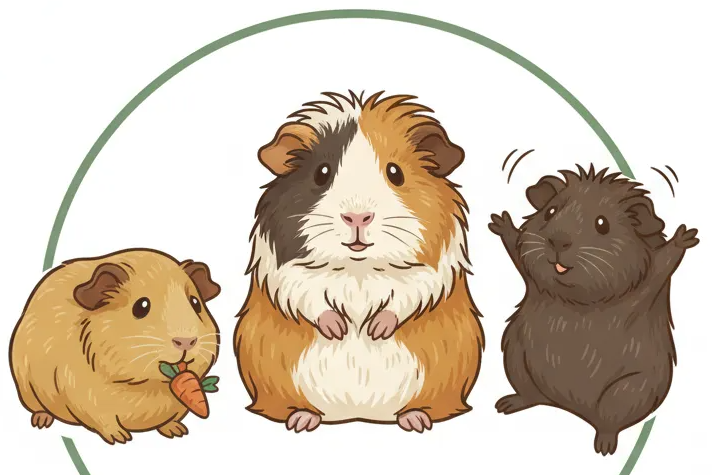
We’ll explore seasonal shedding habits, health indicators, and simple grooming techniques. Having cared for my guinea pigs Pepper, Clover, and Biscuit, I’ve gained practical insights into managing shedding safely and effectively.
What is Normal Guinea Pig Shedding?
Guinea pigs shed their fur regularly as a natural way to replace old or damaged hair, much like how we lose a few strands daily. This process keeps their coat fresh and helps regulate their body temperature throughout the year. From my time caring for Pepper, Clover, and Biscuit, I’ve seen how a little fur loss is just part of their routine-it’s nothing to worry about if it’s mild and consistent.
You’ll typically notice loose fur appearing in small amounts every day, especially when you pet them or clean their cage. A healthy shedding pattern involves fine, soft hairs that come out easily without leaving bald patches behind. It’s common to find a light dusting of fur in their bedding, but if it piles up quickly, that might signal something else.
Here are signs that your guinea pig’s shedding is healthy and normal:
- No visible bald spots or irritated skin
- Fur feels smooth and isn’t matted or greasy
- Your pet grooms itself regularly without excessive scratching
- Their energy levels and appetite remain steady
How Shedding Changes with Seasons, Age, and Breed
Seasonal shifts play a big role in how much your guinea pig sheds. In warmer months, they often lose more fur to develop a lighter summer coat, while winter brings a thicker layer that sheds less to retain heat. I’ve watched Clover, my Abyssinian, fluff up in fall and slim down in spring—it’s their clever way of staying comfy. Grooming should adapt with the seasons—brush more often in summer to manage shedding and stay cool, and lighter grooming in winter to protect a thicker coat.
Breed type makes a huge difference in shedding intensity and care needs. Short-haired breeds like American guinea pigs (such as Pepper) tend to shed less visibly and are easier to maintain with weekly brushing. Long-haired varieties, like Biscuit my Peruvian, require daily grooming to prevent tangles and reduce loose fur around your home. Understanding these grooming differences helps you plan a routine that fits both short- and long-haired breeds. With the right care, both types stay healthy and comfortable.
Age also influences shedding patterns from youth to senior years. Young guinea pigs might shed more as they grow into their adult coats, whereas older ones can experience changes due to slower metabolism or health shifts. Pepper, now two years old, sheds evenly, but I keep an eye on seniors for any sudden increases that need a vet’s input.
Spotting Trouble: When Shedding Isn’t Normal
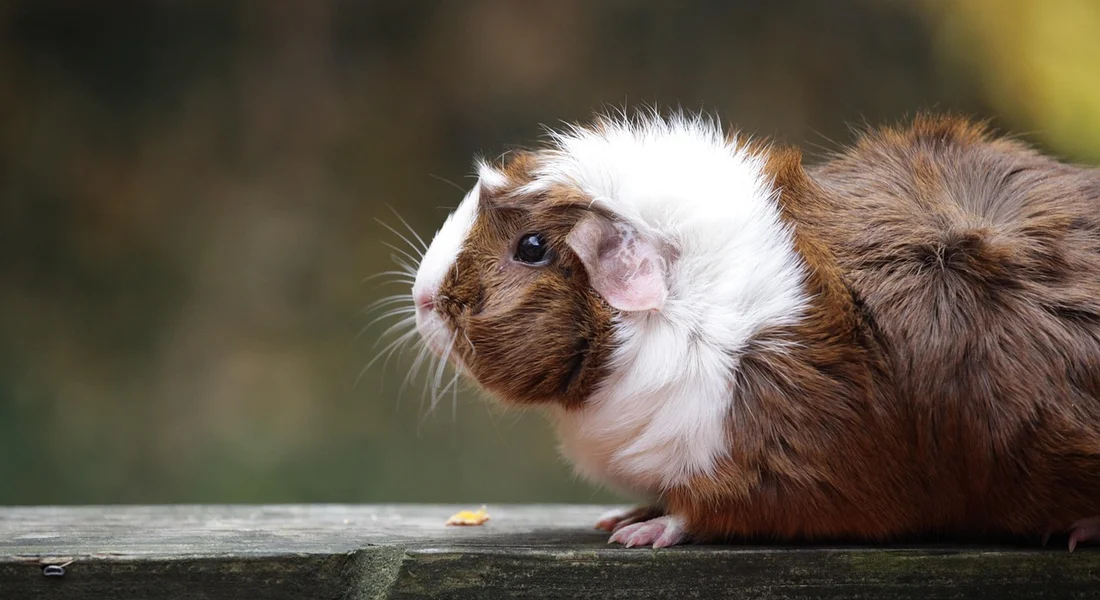
Healthy shedding is a gradual process, but sometimes your guinea pig’s fur tells a different story. You should become concerned if you notice large, circular bald patches appearing, especially around the back or sides. This isn’t normal molting. Understanding guinea pig fur types and their characteristics can help you tell normal shedding from a problem. With different coats—short, long, or wiry—knowing what normal looks like for your pig helps you spot issues early.
Watch for these clear signs of excessive hair loss:
- Symmetrical baldness on both sides of the body
- Hair coming out in large clumps with gentle brushing
- Visible red, flaky, or crusty skin underneath
- Constant, frantic scratching or chewing at their own skin
These symptoms often point to underlying skin problems. Parasites like mites cause intense itching, leading to hair loss from all the scratching. I remember my guinea pig, Clover, started with just a small patch, but it quickly spread because mites burrow under the skin. Fungal infections, like ringworm, create distinct circular lesions. Allergies or contact dermatitis can also flare up from certain bedding materials.
Never underestimate the impact of stress or a poor environment on fur health. A stressed guinea pig can literally shed its fur from anxiety. Loud noises, a predator’s presence (like a cat staring into the cage), or frequent bullying from a cage mate will take a visible toll. An improper diet lacking vitamin C weakens their entire system, including their skin and coat. Ensuring a calm, safe, and nutritious home is your first line of defense. To tell if your guinea pig is stressed or anxious, look for behavior changes like hiding, reduced activity, or loss of appetite, in addition to fur shedding. Early recognition lets you adjust their environment before fur health declines.
Your At-Home Grooming Routine to Manage Shedding
A consistent grooming routine is your best tool for managing normal shedding and bonding with your pet. I find that a gentle brushing session two to three times a week keeps my guinea pigs’ coats in great shape and reduces loose hair around the house.
Follow this simple step-by-step routine:
- Settle your guinea pig on a soft towel on your lap.
- Speak to them in a calm, soothing voice throughout.
- Using your chosen brush, gently stroke in the direction of hair growth.
- Pay extra attention to the back and rump, where shedding is often heaviest.
- Keep sessions short, around 5-10 minutes, to prevent stress.
- Always reward them with a small piece of their favorite veggie afterward!
Choosing the right tool makes all the difference. For my short-haired Pepper, a soft-bristled brush or a fine-toothed comb designed for small animals works perfectly. For my Abyssinian, Clover, with her rosettes, I use a wider-toothed comb to navigate her unique coat without pulling. My long-haired Peruvian, Biscuit, requires a slicker brush to prevent painful mats from forming.
Bathing a guinea pig is very rarely needed and can strip essential oils from their skin. I’ve only ever given my guinea pigs a “butt bath” when they’ve had messy accidents that brushing couldn’t fix. If you must bathe them, use a small basin with just an inch or two of lukewarm water and a shampoo specifically formulated for guinea pigs. Work quickly, keep them warm, and dry them thoroughly with a towel to prevent chilling. Their own grooming habits are usually more than enough to keep them clean. In a complete guinea pig hygiene cleaning routine, regular brushing and spot cleaning are included between any needed baths. This approach keeps skin healthy and minimizes stress for your pet.
Supporting Healthy Skin and Fur from the Inside Out
-
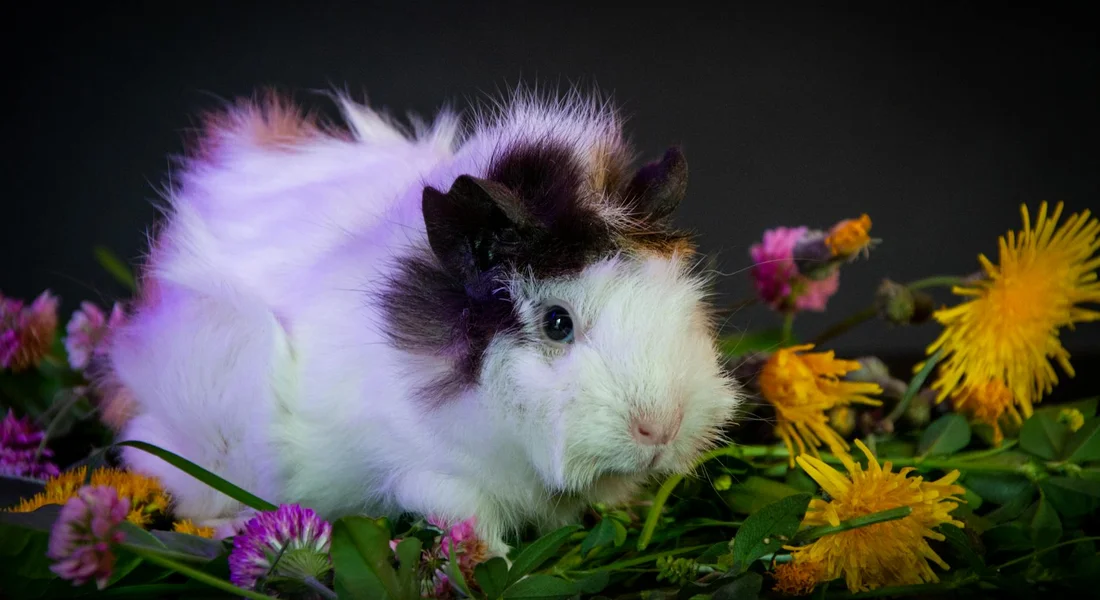
Focus on a diet rich in Vitamin C to keep your guinea pig’s coat shiny and healthy. Guinea pigs cannot produce their own Vitamin C, so they rely on you to provide it through fresh foods like bell peppers, kale, and small amounts of oranges. I’ve seen a huge difference in Pepper’s golden-brown fur since I started adding daily slices of red bell pepper to his meals. Always include high-quality hay and fortified pellets to support overall nutrition and reduce shedding issues—even if you’re careful about ensuring they get the right amount of Vitamin C daily.
-
Proper hydration plays a big role in maintaining soft skin and reducing dryness. Make sure fresh, clean water is available at all times in a drip-free bottle to encourage drinking. With Clover, I noticed her light brown coat became dull when she wasn’t drinking enough, so I check her water levels twice a day to prevent dehydration-related skin problems.
-
Choose bedding that is soft, absorbent, and free from dust or chemicals to prevent skin irritation. Opt for paper-based bedding or fleece liners instead of cedar or pine shavings, which can cause allergies. I switched to fleece for Biscuit, and his dark brown fur has fewer tangles and less redness since it minimizes contact with irritants.
When to Seek Help from Your Veterinarian
-
Watch for symptoms like bald patches, constant scratching, or redness that signal a need for veterinary care. If your guinea pig shows signs of lethargy, weight loss, or open sores, schedule a vet visit immediately to rule out serious conditions. When Pepper started losing fur in small patches, I took him in right away and learned it was due to mites, which are common but treatable with prompt attention.
-
Common treatments include topical ointments for fungal infections or oral medications for parasites like mites. Vets often prescribe ivermectin for mites or antifungal creams for ringworm, tailored to your pet’s specific needs. After Clover had a mild skin infection, her vet recommended a gentle medicated shampoo that cleared it up within weeks, and I made sure to follow the dosage exactly.
-
Monitor your guinea pig’s skin health by doing weekly checks during grooming sessions. Look for any changes in fur texture, swelling, or behavioral shifts, and keep a log to share with your vet during check-ups. I gently run my fingers through Biscuit’s long fur each week to feel for lumps or dry spots, which helps me catch issues early and keep him comfortable. These steps are part of properly caring for guinea pigs. Sticking to a routine helps prevent problems.
FAQs
Do male and female guinea pigs shed differently?
Male and female guinea pigs generally shed similarly, as shedding patterns are more influenced by breed, age, and health rather than gender. However, hormonal changes during pregnancy in females might temporarily increase shedding.
How long does a guinea pig molt typically last?
A typical guinea pig molt can last from a few days to a couple of weeks, depending on the individual and seasonal factors. During this period, you may notice more loose fur, but it should not result in bald patches or skin irritation. If you notice persistent matting, bald patches, or skin irritation, seek professional grooming help for your guinea pig. A qualified groomer or veterinary professional can safely trim fur and check for underlying skin issues.
What is the difference between shedding and hair loss in guinea pigs?
Shedding is a natural, gradual process where old fur falls out evenly to allow for new growth, without causing bald spots. Hair loss, in contrast, often involves sudden bald patches or clumps and can signal underlying health problems like parasites or infections.
Can stress affect shedding in guinea pigs?
Yes, stress can lead to increased shedding or even abnormal hair loss in guinea pigs due to factors like loud noises or changes in environment. Reducing stressors and maintaining a calm habitat helps keep shedding within normal ranges.
Are there grooming products that help with shedding in guinea pigs?
Yes, grooming tools like soft-bristled brushes, fine-toothed combs, and slicker brushes designed for small animals can effectively reduce loose fur and manage shedding. Regular use of these products during gentle brushing sessions helps maintain a healthy coat and minimize shedding around the home.
Your Guinea Pig Shedding Guide: Final Thoughts
To manage shedding effectively, groom your guinea pig regularly and feed a vitamin C-rich diet. Avoid common grooming mistakes, such as over-brushing or using harsh shampoos. Use a gentle, appropriate brush and handle nails and ears carefully to keep grooming safe. Watch for unusual shedding shifts, as they can hint at health issues needing quick attention.
From my time with Pepper, Clover, and Biscuit, I’ve found that being a great owner means always learning and choosing eco-friendly options. Simple steps like using biodegradable bedding or natural brushes make a big difference for your pets and our planet.
Further Reading & Sources
- How To Reduce Guinea Pig Shedding | Frequently Asked Questions
- 3 Ways to Stop a Guinea Pig from Shedding – wikiHow
- Guinea Lynx :: Hair Loss
- Do Guinea Pigs Shed? (Tips For Keeping Your Home Hair-Free)
Kate is a passionate guinea pig owner and advocate for small pet welfare. With over a decade of experience caring for guinea pigs, she has become a trusted voice in the small pet community.
Uncategorized