Neutering Your Male Guinea Pig: Pros and Cons Explored
Published on: January 8, 2026 | Last Updated: January 8, 2026
Written By: Kate M. Callahan
Hello CavyFam! Deciding whether to neuter your male guinea pig can stir up worries about his health and daily habits. You want the best for your furry friend but feel unsure about the right path forward.
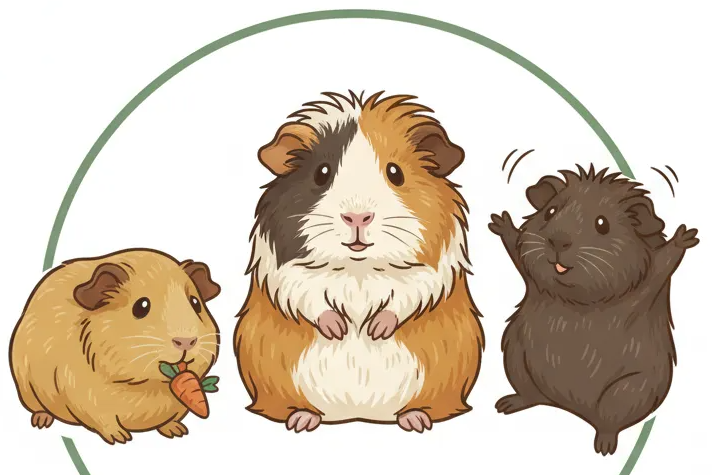
I’ll guide you through health advantages, behavior shifts, possible complications, cost factors, and post-surgery care steps. Having cared for guinea pigs like gentle Pepper, graceful Clover, and reserved Biscuit, I offer advice rooted in real-life experience to help you choose wisely.
Understanding the Neutering Procedure
Neutering, also called castration or gonadectomy, is a surgery where a veterinarian removes both testicles from your male guinea pig.
This permanently stops his ability to reproduce and drastically lowers the hormones driving many male behaviors.
The procedure is done under general anesthesia, so your piggy feels no pain during the operation itself.
Veterinarians experienced with small animals use specialized, tiny instruments to perform the surgery through a small scrotal incision.
It’s vital to understand this is completely different from spaying a female, which is a more complex abdominal surgery.
Health and Behavioral Benefits of Neutering
One of the biggest changes you’ll notice is a calmer, more relaxed companion.
Neutering significantly reduces territorial aggression, which means fewer squabbles over food, hideys, and your attention.
You’ll also see much less scent marking and mounting behavior, making for a cleaner and more peaceful living environment.
From a health standpoint, this surgery eliminates the risk of testicular cancer later in life.
Removing the testicles is a definitive prevention for testicular tumors, a common concern in older, intact males.
Overall, his quality of life improves dramatically, and bonding him with a companion-whether another neutered male or a female-becomes far simpler and less stressful for everyone involved.
I’ve found that neutered males like my own guinea pigs integrate into social groups more smoothly and display more consistent, predictable personalities. This connects to the broader question of neutering boars and group living, and how behavior and health analyses weigh the trade-offs. In many cases, neutering can reduce aggression and stress-related health issues, supporting the viability of group living under careful management.
Risks and Potential Complications
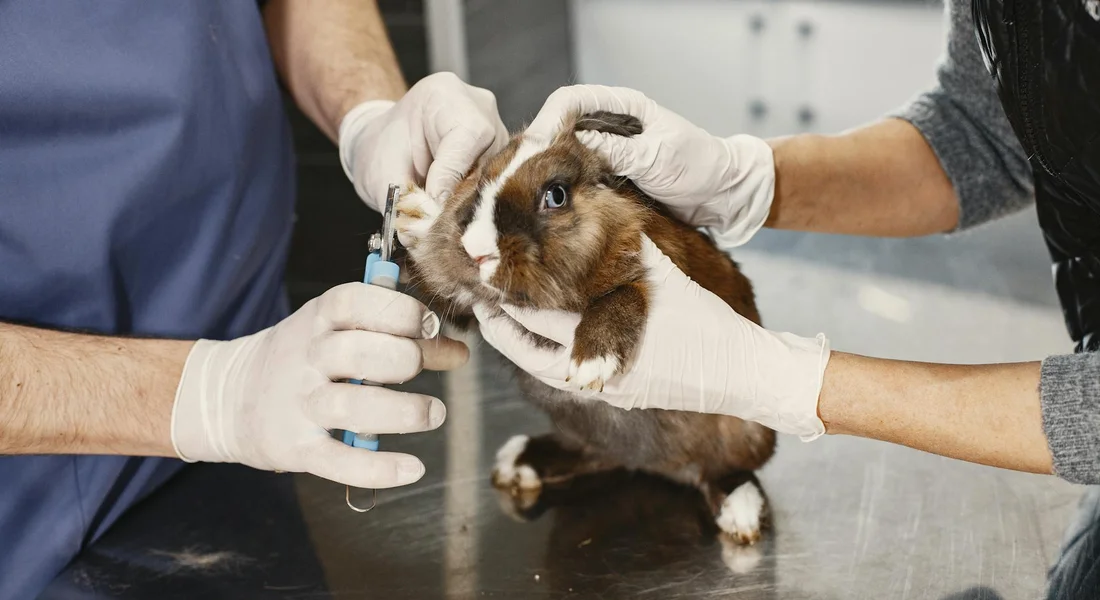
Even routine surgeries carry some level of risk, and neutering is no exception. Anesthesia is the most significant concern for a small animal like a guinea pig. Their tiny bodies process drugs differently, making them more sensitive, and a dedicated anesthetist monitoring vitals throughout the procedure is non-negotiable for safety.
Any break in the skin can invite infection, and the surgical site is vulnerable during healing. You must keep their living space impeccably clean to prevent bacteria from causing a post-operative infection. I learned this the hard way with my guinea pig, Biscuit; a seemingly clean cage wasn’t clean enough, and we faced a scary infection that required emergency antibiotics.
Surgical complications, while rare with a skilled vet, can include bleeding or issues with internal sutures. Guinea pigs are experts at hiding pain, which makes managing their discomfort a real challenge after surgery. Recovery after common guinea pig surgery procedures is a critical period that benefits from careful monitoring, a quiet environment, and gentle handling. You have to watch for subtle signs like a hunched posture, squinted eyes, or a sudden lack of interest in their favorite veggies, as these are their quiet cries for help.
After the surgery, their hormonal landscape shifts dramatically. The drop in testosterone can sometimes lead to a calmer, less territorial personality, but the transition period can be confusing for them. My guinea pig, Pepper, became much more docile and cuddly, while Clover took a few weeks to settle into his new hormonal balance.
Finding the Right Veterinarian and Understanding Costs
Not every vet is equipped to handle guinea pig surgery. You must seek out a veterinarian who specifically lists “exotics” or “small mammals” in their practice specialties. Ask directly about their experience with guinea pig neutering procedures—a good vet will be happy to share their success rates and protocols. It’s important to understand the difference between an exotic vet and a general vet when it comes to specialized care.
The cost of neutering can vary widely based on your location and the clinic. A typical neutering procedure can range from $150 to $400, and this fee should include the pre-operative exam, anesthesia, the surgery itself, and pain medication for recovery. Always get a detailed, itemized estimate upfront so there are no surprises.
Some factors that influence the final bill include:
- The complexity of the procedure for your specific pig.
- Diagnostic tests like blood work to ensure they are healthy for anesthesia.
- Post-operative medications and any required follow-up visits.
Under no circumstances should you ever consider at-home neutering. Attempting this yourself is incredibly dangerous and amounts to animal cruelty, as it almost certainly will lead to a painful infection, severe bleeding, or death. The sterile environment, professional surgical tools, and emergency equipment of a veterinary clinic are what make this a safe procedure, not a kitchen table.
Ideal Timing for Neutering Surgery
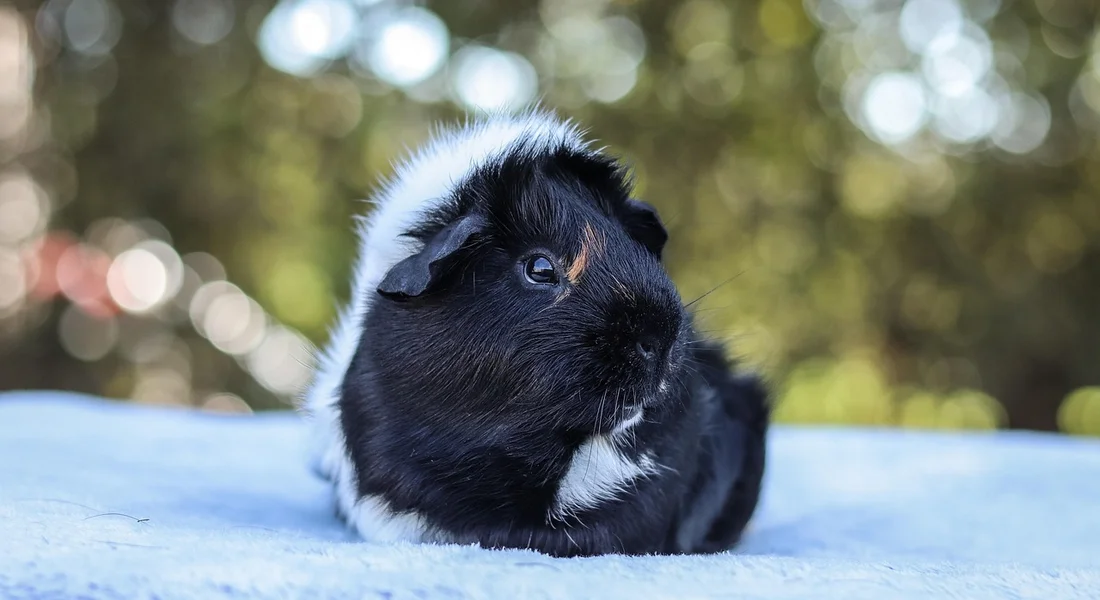
The best age for neutering your male guinea pig is typically between 4 to 6 months old, once he has reached a healthy weight but before full sexual maturity. For help pinpointing his exact age and planning care, check out our complete guide on determining your guinea pig’s age. It covers aging signs, milestones, and when neutering is most appropriate.
Before scheduling, ensure your cavy weighs at least 500 grams and receives a thorough vet exam to check heart and lung function. A pre-surgery health screen dramatically reduces anesthetic risks for these sensitive animals.
Fertility doesn’t vanish instantly post-surgery. Sperm can remain viable in the tract for up to three weeks, so keep him separated from unspayed females during this period.
Postoperative Care and Recovery Process
Immediate Post-Surgery Care (First 24-48 Hours)
- Monitor for pain signs like teeth grinding, hunched posture, or refusing favorite treats-your vet will prescribe safe pain medication.
- Gently check the incision site twice daily for redness, swelling, or discharge; prevent infection by ensuring his bedding is clean, dry, and paper-based.
- Encourage eating and drinking by hand-feeding wet leafy greens and offering water from a syringe if he seems sluggish.
Guinea pigs’ digestive systems need constant food intake, so stimulating appetite quickly is critical for recovery. Understanding what normal eating looks like helps monitor recovery. So, what do normal guinea pig eating habits look like?
Long-Term Healing and Behavioral Adjustment
- From 72 hours onward, activity should slowly increase; by two weeks, the incision should be fully closed with no scabs or swelling.
- Normal healing involves a clean, dry suture line, while complications include pus, foul odor, or reopening-contact your vet immediately if these appear.
- Behavioral shifts emerge gradually over 4-6 weeks as hormones balance, often reducing mounting and rumbling but preserving his unique personality.
My guinea pig Biscuit became more relaxed with his cage mates after neutering, but his curious, intelligent nature remained completely unchanged. This is a clear example of guinea pig personality temperament in action. Recognizing each pig’s temperament helps caregivers tailor socialization and enrichment to their well-being.
FAQs
How can I find a veterinarian for guinea pig neutering in my area?
Search online for exotic pet veterinarians or ask for referrals from local guinea pig rescue groups. Look for clinics that explicitly mention experience with small mammals to ensure safe and effective care. To narrow your search to your area, look for exotic veterinarian near me or “guinea pig veterinarian” in listings. Then confirm they specifically treat guinea pigs and offer essential services such as dental and preventive care.
Is it safe to neuter a guinea pig at home?
No, at-home neutering is extremely dangerous and should never be attempted. It can lead to severe pain, infection, or fatal complications without proper sterile conditions and veterinary expertise.
What factors influence the cost of guinea pig neutering?
Costs depend on the veterinarian’s location, experience, and included services like pre-operative exams or medications. Always request a detailed estimate to understand fees for anesthesia, surgery, and follow-up care.
Your Guinea Pig’s Health Comes First
Ultimately, neutering your male guinea pig is a powerful step toward preventing unwanted litters and can significantly improve harmony in a multi-pig home. Additionally, careful cage management—keeping males and females apart unless both are neutered—can prevent unwanted matings in the cage. If breeding isn’t your plan, discuss a complete prevention strategy with your veterinarian. The decision rests on weighing these benefits against the surgical risks, so always partner with a veterinarian experienced with guinea pigs.
Being a great pet owner means committing to lifelong learning about your guinea pigs’ needs, from their diet to their habitat. I always choose eco-friendly paper bedding for my herd, finding it’s safer for them and gentler on our planet, too. This approach fits into the guide to safe bedding options for guinea pigs. When evaluating bedding, consider safety, dust, absorbency, and chew resistance.
Further Reading & Sources
- How Do We Neuter a Male Guinea Pig With Laser?
- Spaying & Neutering Guinea Pigs: What You Need To Know | Woodgreen Pets Charity
- Neutering Guinea Pig – Guinea Pigs Australia
- Guinea Pig Neutering, How to Neuter your Guinea Pigs
Kate is a passionate guinea pig owner and advocate for small pet welfare. With over a decade of experience caring for guinea pigs, she has become a trusted voice in the small pet community.
Uncategorized