Do Male Guinea Pigs Get Along Peacefully in the Same Cage?
Published on: January 5, 2026 | Last Updated: January 5, 2026
Written By: Kate M. Callahan
Hello CavyFam! Are you worried about whether your male guinea pigs can share a cage without constant squabbles? It’s a common concern for pet owners, especially with their social yet territorial instincts.
I’ll explore bonding techniques, cage setup tips, signs of aggression, and when to separate. With years of hands-on experience raising guinea pigs like gentle Pepper, graceful Clover, and intelligent Biscuit, I provide reliable advice to keep your pets happy and safe.
Understanding Male Guinea Pig Social Behavior
Male guinea pigs, or boars, possess deep-rooted herd instincts, naturally forming small groups with a fluid hierarchy. This social structure isn’t about a single boss but a constantly negotiated order of who gets the best hidey or first nibble of parsley.
You will often see dominance displays that look intense but are usually harmless. A low, vibrating rumble is a common sound, like a tiny motor revving up. Nose-offs, where two boars gently touch noses and lift their heads, are their way of sizing each other up. Mounting is another frequent, though sometimes awkward, behavior used to assert status.
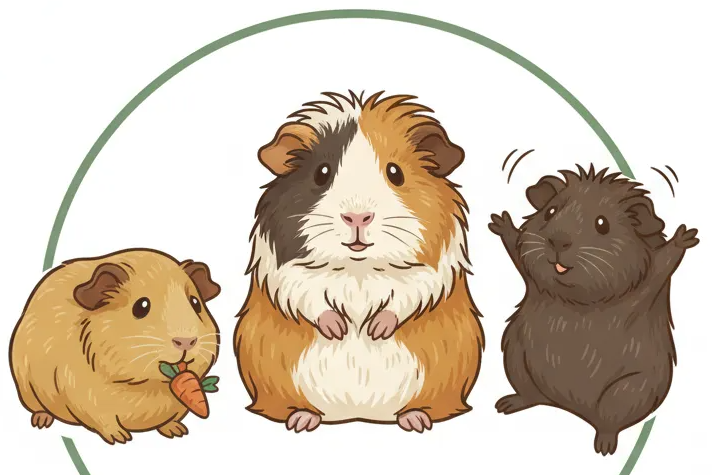
Watching my own trio, I’ve seen this firsthand. Pepper, my steady American, will often start rumbling when he wants the cozy corner. Clover, my graceful Abyssinian, responds with a gentle nose lift, and they usually settle without a fuss. Most of these interactions are just communication, not true fights, and learning the difference is key for any owner.
Key Factors for Male Guinea Pig Compatibility
Age and Life Stage Considerations
- Pairing a young baby with an older adult often works beautifully. The baby hasn’t developed strong territorial instincts, and the adult is less threatened. I found introducing Biscuit as a baby to my older boars was a smooth process filled with curious sniffing, not aggression.
- Sexual maturity, which hits around 3 months, dramatically changes the game. Hormones surge, and previously calm boars can become more assertive and competitive. This is the most common age for bonding challenges to surface, as each boar tries to establish his place in the world.
Personality and Temperament Matching
- Assessing personalities before pairing is your best strategy for peace. Look for a confident, but not overly dominant, boar and pair him with a more easy-going or submissive companion.
- In my cage, Pepper’s gentle and steady nature provides a calming anchor for Clover’s thoughtful grace and Biscuit’s reserved intelligence. Avoid putting two highly dominant personalities together, as they are far more likely to clash over resources and space.
Neutering and Its Effects
- Neutering can significantly reduce hormonally-driven aggression and the urge to constantly challenge cage mates. It doesn’t change their core personality but can remove a major source of tension.
- This procedure is typically recommended for boars over 4-6 months old, but only if they are healthy and a good surgical candidate. Always consult an experienced exotics veterinarian to discuss if neutering is the right and safe choice for your specific pigs.
How to Introduce Male Guinea Pigs Safely
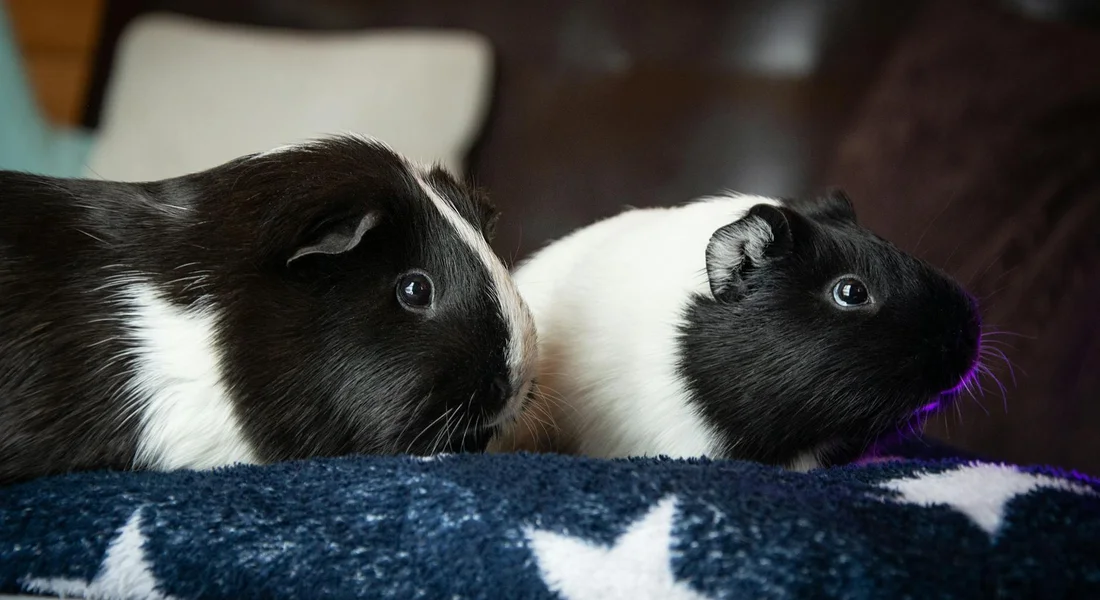
- Set up a neutral space free of scents from either guinea pig. I use a clean playpen that none of my boys have ever been in to avoid territorial disputes right from the start.
- Monitor initial interactions for positive or negative body language. Watch them closely; you want to see curious sniffing, not raised hackles or chattering teeth.
- Gradually increase supervised time together over days or weeks. Don’t rush this process. A successful first 30-minute session is far better than a stressful two-hour one.
- Respond to signs of stress or fighting by separating and retrying later. If they start lunging or biting, calmly scoop them up and give them a break before trying again another day.
Recognizing Positive Bonding Signs
- Mutual grooming, where they gently nibble or lick each other’s heads and ears.
- Peaceful co-resting, sleeping or lounging near each other without tension.
- Soft, contented purring sounds when they are close together.
- Sharing food from the same pile without any guarding or pushing.
Seeing my boys, Pepper and Biscuit, cuddled up together after a successful introduction was one of the most rewarding moments of my pet ownership journey.
Handling Aggression During Introductions
- Use distractions like a fresh handful of fragrant cilantro or a new cardboard tunnel to redirect their focus.
- Never use your bare hands to break up a serious fight; instead, gently herd them apart using a towel or a piece of cardboard.
- If a fight results in any broken skin, bleeding, or limping, separate them immediately and contact your veterinarian for advice.
Always prioritize safety over speed; a slow introduction is a safe introduction.
Setting Up a Cage for Male Guinea Pig Harmony
Space and Layout Essentials
- For two males, a minimum of 10.5 square feet is the absolute starting point, but I always aim for 12-13 square feet or more to give them room to have their own zones.
- Provide at least two identical hideouts placed far apart, so no one pig can guard them all.
- Use multiple food bowls and water bottles stationed at opposite ends of the cage to prevent resource guarding.
Ample space is the single most critical factor for preventing conflicts between male guinea pigs.
Safe and Suitable Cage Materials
- For bedding, I prefer paper-based bedding or washable fleece liners for their softness and absorbency.
- Choose hideouts, tunnels, and platforms made from untreated wood, sturdy plastic, or seagrass that can withstand constant chewing.
- Avoid any accessories with small, loose parts or toxic paints and dyes that could harm your pets if ingested.
Investing in non-toxic, chew-resistant accessories protects your pets’ health and provides long-lasting enrichment.
Enrichment for Reducing Stress
- Rotate a variety of toys like willow balls, treat puzzles, and paper bags to keep their environment novel and engaging.
- Create a maze of cardboard tunnels and tubes to satisfy their natural instinct to explore and hide.
- Scatter their daily pellet ration or hide leafy greens around the cage to encourage natural foraging behavior.
- Spot-clean soiled bedding daily and perform a full cage clean weekly to maintain a healthy, odor-free, and well-ventilated home.
A clean, stimulating cage is a happy cage, and a bored guinea pig is much more likely to pick a fight with his cage mate.
Monitoring and Maintaining Peaceful Cohabitation
Daily Health and Behavior Checks
-
Watch how your guinea pigs eat, drink, and interact every single day to spot any shifts early on. I make it a habit to check on Pepper and Clover during feeding times, noting if one hesitates or avoids their usual veggies, which could signal tension or illness. Changes in social habits, like reduced play or increased isolation, especially during their most active periods, often hint at underlying issues that need quick attention to keep the peace.
-
Keep an eye out for clear stress signs, such as patches of missing fur or constant hiding in corners. When Biscuit started losing hair on his back, I learned it wasn’t just grooming but a cry for help from bullying, prompting me to step in with a vet visit and cage adjustments. If you know how to tell when your guinea pig is stressed or anxious, you can respond quickly. Early intervention can prevent the problem from escalating. Excessive hiding or frantic movements can mean your guinea pig feels unsafe, so address these behaviors promptly to restore harmony.
Addressing Ongoing Aggression
-
If fights escalate with biting or persistent chasing, it’s time to think about separating them permanently or talking to a vet. If your guinea pigs are not getting along, you’ll want to pause bonding attempts and reassess the situation with safety in mind. In my years with guinea pigs, I’ve seen that ignoring severe aggression can lead to injuries, so I always err on the side of caution and consult a professional for advice on rehoming or solo setups. A vet can rule out pain or health problems that might be fueling the clashes, ensuring your pets stay safe and sound.
-
Adjust their diet to include more vitamin C-rich foods and limit sugary treats, as this can help calm their nerves. I’ve found that adding fresh bell peppers and reducing fruits for Clover and the others reduced their skittishness, making interactions smoother and less confrontational. A balanced diet supports overall well-being, which in turn fosters a more relaxed environment where disputes are less likely to flare up.
What to Do If a Cage Mate Dies
-
Help your surviving guinea pig cope by spending extra time with gentle handling and maintaining their routine to ease the grief. When I lost one of my earlier guinea pigs, I saw how Pepper became quieter, so I made sure to talk to him softly and keep his favorite hideouts clean, which slowly brought back his chirpy sounds. Offering comfort through familiar sounds and smells can make a big difference in helping them adjust to the loss without feeling alone. Do guinea pigs grieve their companions? They often show signs of distress after a loss, such as withdrawal or quieter behavior.
-
If you decide to introduce a new companion, do it gradually in a neutral space to prevent stress and conflicts. I always start with short, supervised playdates for Biscuit and any new friend, watching for positive signs like nose-touching before considering a shared cage. This slow approach reduces the risk of rejection and helps build a bond based on mutual curiosity rather than fear.
-
From my own experience, guinea pigs often form deep bonds, so giving them time to mourn before adding another pet is key to a smooth transition. After a loss, I’ve noticed that rushing into a new pairing can backfire, but waiting a week or two allows the survivor to heal and be more open to new friendships. For families navigating grief, following a gentle, patient approach is commonly advised in guinea pig loss guides and can help both owners and children cope. Patience here pays off, leading to happier, more peaceful cohabitation down the line.
Neutering Male Guinea Pigs for Better Compatibility
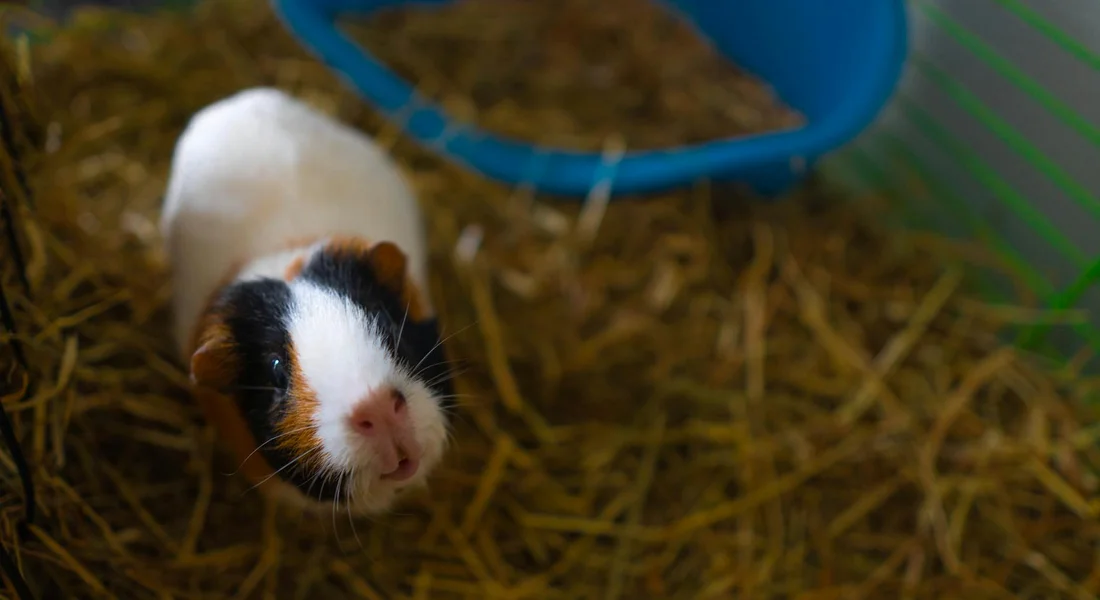
Neutering involves a vet surgically removing the testicles under anesthesia, which typically takes about 30 minutes. I’ve seen how this procedure can reduce aggressive behaviors in male pairs, making cage life much calmer for everyone involved. Risks include anesthesia complications, infection, or bleeding, but a skilled exotic vet minimizes these with careful monitoring.
- Process: Your guinea pig is anesthetized, the vet makes a small incision, and the testicles are removed.
- Risks: Watch for signs like lethargy or loss of appetite; these can signal post-surgery issues.
- Recovery care: Keep them in a quiet, clean space, offer soft foods like critical care formula, and check the incision daily for redness.
After neutering, hormone levels drop, which often cuts down on territorial disputes and mounting. In my own herd, introducing a neutered male helped ease tensions over food and hiding spots, leading to fewer squabbles. This change supports long-term harmony, as they’re less likely to fight over dominance as they age.
Always talk to a vet who specializes in small animals for advice tailored to your guinea pigs’ personalities and health. Consulting a professional ensures you get the safest, most effective plan for your furry friends’ well-being. For new guinea pigs, this includes guiding their first veterinary check-up to establish a health baseline. A first visit helps catch issues early and sets you up with a care plan.
FAQs
What bedding materials are hypoallergenic for guinea pigs?
Paper-based bedding is often hypoallergenic and low-dust, making it ideal for sensitive respiratory systems. Fleece liners are another great option if washed regularly to prevent bacteria buildup.
Can I use cardboard in my guinea pig’s cage?
Yes, untreated cardboard is safe and provides enrichment for chewing and hiding. However, replace it frequently as it can become soiled and harbor bacteria.
What should I avoid when choosing toys for the cage?
Avoid toys with small, detachable parts or those made from soft plastic that can be easily chewed. Always select items designed specifically for small animals to ensure they are non-toxic and durable.
How can I help my guinea pig cope with the loss of a friend?
Spend extra time with your guinea pig, offering gentle pets and their favorite treats to provide comfort. Maintaining a consistent routine can also help reduce stress and anxiety during this difficult time. If your cagemate has recently passed, continue providing gentle contact to help them grieve. When appropriate, think about a gradual introduction to a new companion under veterinary guidance.
Is it better to get a new companion immediately after one dies?
No, it’s best to wait a week or two to allow your guinea pig to grieve and adjust. When ready, introduce a new companion slowly in a neutral area to ensure a smooth bonding process.
Your Peaceful Guinea Pig Pairing
To keep male guinea pigs living together peacefully, you must provide a spacious cage with multiple hideaways and food stations to prevent competition. Neutering can also dramatically reduce territorial disputes, making cohabitation far more successful for your boys. Neutering has pros and cons to weigh with your veterinarian.
Remember, being a responsible pet owner means continuously learning about your guinea pigs’ unique needs and behaviors. Choosing sustainable bedding and toys is a simple way to make your pet care routine more eco-friendly and enriching for your small companions. In our ultimate guide to safe bedding options for guinea pigs, you’ll find clear, practical recommendations. You’ll learn which materials are safest and how to keep their enclosure dry and comfy.
Further Reading & Sources
- Establishing New Isosexual Pairs in Adult Male Guinea Pigs (Cavia porcellus) to Facilitate Social Housing – PubMed
- Guinea pig bonding basics | Animal Humane Society
- How to introduce guinea pigs – PDSA
- Males – Managing with Males – Guinea Pig Cages
Kate is a passionate guinea pig owner and advocate for small pet welfare. With over a decade of experience caring for guinea pigs, she has become a trusted voice in the small pet community.
Uncategorized