Understanding Guinea Pig Physical Growth and Fragility
Published on: January 15, 2026 | Last Updated: January 15, 2026
Written By: Kate M. Callahan
Hello CavyFam! Watching your guinea pig grow can be both amazing and a little nerve-wracking. You might wonder if their small, delicate bodies are developing as they should, or if you’re doing everything possible to keep them safe.
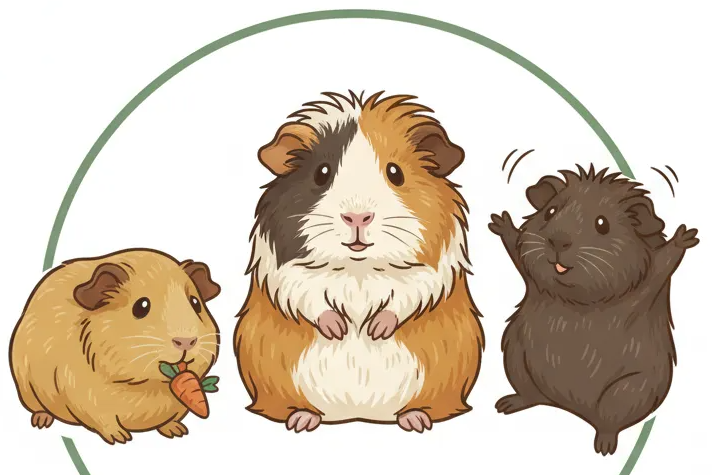
In this article, I’ll guide you through the key stages and considerations for your pet’s physical development. We will cover developmental stages, common causes of fragility, and daily care strategies to support robust health. My advice comes from years of hands-on experience caring for my own trio of guinea pigs, each with their own unique growth journey.
Guinea Pig Growth and Development Timeline
Watching my own guinea pigs grow has been one of the most rewarding parts of pet ownership. Their journey from a tiny, fragile newborn to a sturdy adult happens in distinct, fascinating stages. Each phase brings new changes in both body and behavior.
From birth, their bodies are in a constant state of building. Think of cellular growth as millions of tiny construction crews, tirelessly building bone, muscle, and organ tissue from the nutrients they consume. This rapid development is why a proper diet is so critical from day one.
- Birth to 8 Weeks (The Rapid Growth Phase): Height: 3-4 inches. Weight: 70-100 grams at birth, soaring to 250-400 grams. This is their most dramatic growth spurt, building the foundation for their entire adult frame.
- 2 to 5 Months (The Awkward Teenager Phase): Height: 4-5 inches. Weight: 400-700 grams. They fill out significantly, with muscle tissue developing rapidly alongside their lengthening bones.
- 6 Months to 1 Year (Maturing into Adulthood): Height: 5-6 inches. Weight: 700-900 grams for females; 900-1200 grams for males. Growth slows, focusing on denser bone mass and final tissue maturation.
Understanding Guinea Pig Body Mass and Weight
I make it a habit to weigh my guinea pigs weekly; it’s the single best way to catch health issues early. A stable, appropriate weight is a direct reflection of their overall health and well-being. Sudden loss or gain is often the first sign of trouble. Weighing your guinea pigs at home on a weekly schedule makes the checks easy to maintain. A weekly weight log helps you spot trends and act quickly.
Their body mass isn’t just about food. Activity level plays a huge role; a guinea pig with ample floor time will naturally develop leaner muscle mass than a more sedentary one. Diet quality is paramount-too many sugary treats leads to unhealthy fat, not strong tissue.
| Breed | 4 Months (grams) | Adult Weight Range (grams) |
|---|---|---|
| American (like Pepper) | 450-550 | 700-1200 |
| Abyssinian (like Clover) | 500-600 | 800-1100 |
| Peruvian (like Biscuit) | 400-500 | 700-1000 |
To check for obesity, you should easily feel their ribs with a gentle press. If you have to push to find them, they are likely carrying excess fat. Conversely, prominent hip bones or a sharply defined spine signal being underweight, requiring immediate dietary adjustment and a vet visit.
Signs of Fragility in Guinea Pigs
Spotting early signs of fragility helps you act fast to keep your guinea pig healthy and happy. From watching my own guinea pigs like Pepper, who’s usually steady, I’ve noticed that changes in their usual behavior or movement often signal something’s off. Pay close attention to these symptoms, as they can indicate underlying health issues.
- Weakness or difficulty moving, such as struggling to stand or walk.
- Limping or favoring one leg, which I saw in Biscuit once due to a minor injury.
- Changes in mobility, like reluctance to climb ramps or explore their cage.
- Low energy levels, where your pet sleeps more and shows less interest in play.
- Hunched posture, where the back is arched and the body looks tense or uncomfortable.
- Reduced appetite or weight loss, which can accompany other fragility signs.
- Unusual vocalizations, like whimpering or less frequent wheeking, indicating pain or distress.
Always handle your guinea pig gently and check for these signs during daily interactions to catch problems early. This proactive approach has helped me ensure my pets, like Clover, stay active and content. During health checks, support their chest with one hand and their hindquarters with the other, keeping them close to your body. Move slowly, avoid squeezing, and never lift by the scruff to prevent stress or injury.
Causes of Growth and Fragility Issues
Understanding what leads to growth and fragility issues empowers you to provide better care and prevent common problems. In my years of raising guinea pigs, I’ve found that a combination of diet, genetics, and environment plays a big role in their overall health. Let’s break down the main causes and how to spot them, focusing on prevention to support your pet’s well-being.
Nutritional deficiencies, such as a lack of vitamin C, are a top cause-guinea pigs can’t produce this vitamin on their own, leading to scurvy and weak bones. Genetics can predispose some pigs, like certain breeds, to joint or bone issues. Aging naturally brings slower growth and increased fragility, while diseases like osteoporosis or infections can worsen mobility and strength. Regular vet check-ups and a balanced diet have been key in managing these risks for my guinea pigs, Pepper and Biscuit.
- Ensure a diet rich in vitamin C through fresh veggies like bell peppers and leafy greens to prevent deficiencies.
- Monitor for genetic traits by researching your guinea pig’s breed history and watching for early signs of weakness.
- Adjust care as they age, providing softer bedding and easier access to food and water to reduce strain.
- Screen for diseases by observing changes in behavior or mobility and consulting a vet promptly.
- Maintain a clean, stress-free environment to support immune health and overall growth.
By taking these steps, you can help your guinea pig thrive and avoid many common fragility issues. Properly caring for guinea pigs means providing a balanced diet, a clean, spacious habitat, and regular gentle handling. Regular checkups and enrichment play key roles too. I’ve seen this make a real difference in keeping my pets, like Clover, lively and resilient over the years.
Preventing Problems Through Proper Care
-
Step 1: Ensure a balanced diet with essential nutrients for bone and tissue health. I feed my guinea pigs fresh vegetables rich in vitamin C daily, like bell peppers and kale, because their bodies can’t produce it. This simple habit prevents issues like scurvy and supports strong bone development. For example, Pepper enjoys his golden bell pepper slices, and I’ve noticed how steady his movements are when he gets his nutrients right.
-
Step 2: Provide safe housing to support musculoskeletal development. A spacious cage with solid flooring prevents leg injuries and encourages natural movement. Guinea pigs need room to run and play to build muscle without stress on their joints. Clover, with her graceful nature, thrives in her large enclosure where she can stretch and explore safely. For a complete space requirements guide, check recommended cage sizes based on the number and age of guinea pigs. This helps ensure the enclosure provides the right amount of room for growth and activity.
-
Step 3: Practice gentle handling to maintain structural integrity. Always use two hands to lift your guinea pig, cradling their body to avoid pressure on the spine. Rough handling can lead to fractures, so slow, calm interactions keep them secure. I learned this early with Biscuit, who used to startle easily but now trusts my gentle touch.
How to Handle and Care for Fragile Guinea Pigs
-
Offer tips on safe lifting, supporting bones and cartilage. Place one hand under the chest and the other under the hindquarters to distribute weight evenly. This method reduces strain on delicate bones and cartilage, making your guinea pig feel supported. Finding the right balance in handling means avoiding over-handling while staying supportive. I always check for any signs of discomfort, like squeaking or squirming, and adjust my grip immediately.
-
Include a bulleted list for daily care routines to reduce fragility risks.
- Check for any limping or unusual behavior during playtime.
- Provide a diet high in hay and fresh greens to maintain healthy tissues.
- Keep their living area clean to prevent infections that weaken bones.
- Schedule regular vet visits for early detection of issues.
Sticking to this routine helps catch problems early and keeps your pet thriving. For instance, I monitor Clover’s activity daily to ensure she stays graceful and pain-free.
-
Discuss aging-related care for elasticity and collagen maintenance. Older guinea pigs, like my 3-year-old Clover, need extra soft bedding and joint-supporting supplements. Adding foods rich in antioxidants, like blueberries, can help maintain skin elasticity and collagen levels. I’ve seen how gentle massages and warm spots in their cage ease stiffness in senior pigs.
When to Seek Veterinary Assistance
From my years caring for guinea pigs like gentle Pepper and graceful Clover, I’ve learned that quick action can save lives when health issues arise. Guinea pigs hide illness well, so any sudden change in behavior or appearance deserves immediate attention. There are 9 common vet visit mistakes that can compromise a guinea pig’s diagnosis, and recognizing them can make visits more effective. Being aware of these pitfalls helps you advocate for your pet at the clinic. Trust your instincts—if something feels off, it’s better to err on the side of caution and consult a vet.
- Fragility fractures from minor falls or handling, as I saw with reserved Biscuit when he slipped off a low ledge.
- Severe weight loss you can feel along their spine or ribs during gentle checks.
- Lethargy or refusal to move, eat, or drink for over 12 hours.
- Labored breathing, wheezing, or discharge from eyes or nose.
- Swollen joints or limping that doesn’t improve with rest.
Monitoring for sarcopenia, or age-related muscle loss, is key for older guinea pigs. I regularly weigh my pets weekly and watch for a sunken back or reduced muscle mass around their hips. Gentle handling helps you feel for changes, and providing easy access to food and water supports their comfort as they age. For aging guinea pigs, awareness of senior health issues helps tailor care. Regular vet checks and gentle, appropriate daily routines help keep them comfortable as they age.
FAQs
What are the best types of hay for supporting guinea pig growth?
Timothy hay is ideal as it provides essential fiber for digestive health and steady growth. Avoid alfalfa hay for adult guinea pigs, as it can lead to excess weight gain and related issues.
How can I tell if my guinea pig is getting enough exercise?
Observe if your guinea pig actively explores its cage and engages in running or popcorning during playtime. A lack of movement or reluctance to exercise may indicate a need for more stimulating activities or a health check. Also, you can tell if your guinea pig is stressed or anxious by noting signs of stress such as excessive hiding, trembling, or changes in eating or grooming. If you notice these signs persist, adjust the environment and seek veterinary advice.
Are there any toys or activities that help strengthen guinea pig bones?
Provide tunnels and low ramps to encourage climbing, which builds muscle and supports bone density. Avoid high falls or rough surfaces to prevent injuries while promoting safe, natural movement.
Supporting Your Guinea Pig’s Healthy Development
Track your guinea pig’s weight and size changes to spot growth issues quickly. Curious how big they should get? Our size guide by breed and age can help you gauge healthy growth. Handle them with full body support to protect their delicate bones and build a trusting bond.
Commit to lifelong learning about guinea pig needs for their well-being. Opt for sustainable choices, like biodegradable bedding, to care for your pet and the planet together. In the ultimate guide to safe bedding options for guinea pigs, you’ll find vetted material recommendations, setup tips, and safety considerations. This guide helps you choose safe, comfortable bedding while keeping cleanup easy.
Further Reading & Sources
- Growth Stages of Baby Guinea Pigs | Pets on Mom.com
- How Big Do Guinea Pigs Get? (+ Growth Charts)
- Energy balance and growth rate of outbred and inbred male guinea pigs – PubMed
- Measurements, years of life and sex of guinea pigs – Cunipic
Kate is a passionate guinea pig owner and advocate for small pet welfare. With over a decade of experience caring for guinea pigs, she has become a trusted voice in the small pet community.
Uncategorized