9 Vet Visit Mistakes That Can Compromise Your Guinea Pig’s Diagnosis
Published on: February 28, 2026 | Last Updated: February 28, 2026
Written By: Kate M. Callahan
Hello CavyFam! Are you worried that a simple slip-up during your guinea pig’s vet appointment might lead to an inaccurate diagnosis? I’ve felt that same concern when taking my own cavies, like gentle Pepper or thoughtful Clover, for check-ups.
In this guide, I’ll walk you through key pitfalls to avoid, including:
- Not preparing a detailed health history
- Overlooking pre-visit observations
- Forgetting to bring essential items like fresh stool samples
With years of hands-on experience caring for guinea pigs such as reserved Biscuit and graceful Clover, I’ve learned how to make vet visits smoother and more effective.
Failing to Gather Crucial Health Evidence Before You Go
Walking into the vet’s office without solid evidence is like trying to solve a puzzle with half the pieces missing. Your vet relies heavily on the clues you bring from home to connect the dots of your guinea pig’s health. I learned this the hard way when my guinea pig, Biscuit, was acting off, and I arrived empty-handed, scrambling to remember details under pressure. If your guinea pig seems sick, a complete home troubleshooting checklist can help you gather the right clues before the appointment. It covers symptoms, recent changes in behavior or appetite, and what to note for the vet.
What You Absolutely Must Bring
Think of yourself as a detective gathering a case file for your vet. This evidence makes diagnosis faster and more accurate.
- A fresh stool sample from the last 12-24 hours, sealed in a clean bag or container.
- A detailed log of their food and water intake over the past few days.
- Photos or a short video of any unusual behavior you’ve witnessed.
- The brand and type of pellets, hay, and any treats you regularly provide.
A simple plastic bag with a few fresh poops can reveal issues like parasites or digestive troubles that aren’t visible during a quick exam. Having this ready shows the vet the ‘before’ picture of your pet’s health.
Overlooking Subtle Shifts in Behavior and Routine
Guinea pigs are masters of subtlety. They hide illness instinctively, so the smallest change can be a giant red flag. My Abyssinian, Clover, taught me that a slight decrease in her morning “wheek” was the only sign of an oncoming respiratory infection. You must become a keen observer of their normal to spot the abnormal. Understanding when your pig is most active helps you map their daily patterns. Tracking those peak activity windows makes deviations easier to notice.
Key Behavioral Red Flags to Track
Keep a simple notebook or use your phone’s notes app. Document anything that seems even a little different from their usual self.
- Changes in vocalization patterns or volume.
- Shifts in eating habits, like taking longer to finish veggies.
- Alterations in sleeping spots or how they interact with cage mates.
- A sudden lack of interest in favorite activities or treats.
Tracking these tiny details provides a timeline that is pure gold for your veterinarian. It transforms a vague feeling that “something’s wrong” into concrete, actionable data.
Miscommunicating Your Guinea Pig’s Medical History
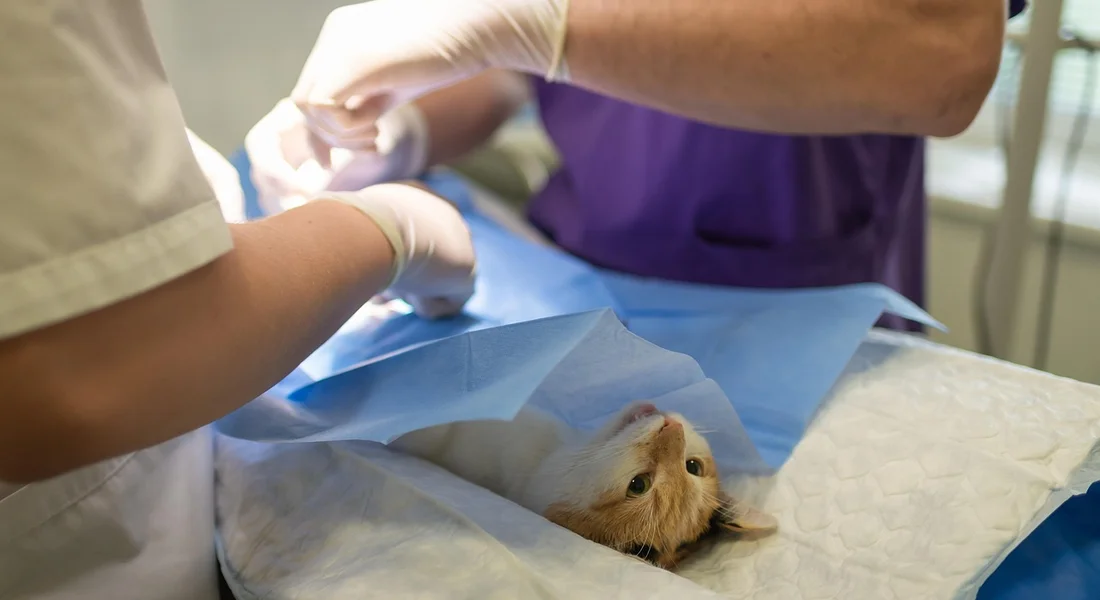
Recalling your pet’s past health issues on the spot is difficult and often leads to forgotten details. An incomplete history can lead to misdiagnosis or treatments that conflict with past conditions. I keep a dedicated “Pet Passport” for each of my pigs after a mix-up with Pepper’s past medication.
How to Create a Clear Medical History
Don’t rely on memory. Create a single, easy-to-read document you can hand to any vet.
- List all past illnesses, no matter how minor they seemed.
- Note any medications, including the dosage and how long they were given.
- Record the dates of previous vet visits and the reason for each visit.
- Include any known allergies or bad reactions to food or handling.
This simple document prevents you from having to recite a complex history from memory while you’re worried about your sick pet. It ensures your vet gets the full story every single time.
Compounding Stress Through Poor Handling and Transport
I learned this lesson the hard way with my first guinea pig, Pepper. I rushed her into a noisy cardboard box for a vet trip, and she was so terrified she wouldn’t come out for the examination. Your guinea pig’s stress levels begin the moment you start the carrier process, and a stressed pet is a difficult patient to diagnose. It’s important to recognize signs of stress in your guinea pig before taking them to the vet.
Arriving Unprepared for the Veterinary Physical Exam
A flustered owner with a panicked pet creates a chaotic start to the appointment. I now treat the journey as part of the healthcare process. Here is what I do to ensure a smoother experience.
- Use a Proper, Secure Carrier: A hard-sided plastic carrier designed for small animals is safest. Line it with a familiar-smelling fleece liner or towel from their cage.
- Minimize Environmental Stressors: Keep the carrier covered with a light cloth in the car to block overwhelming sights. Play soft, calming music at a low volume.
- Bring Their “Security Blanket”: Tuck a favorite hidey hut or a handful of their regular hay into the carrier. The familiar scent is profoundly reassuring.
- Pack a “Go-Bag”: I never leave without a small bag containing recent photos of their cage setup, a list of their daily diet, and a fresh sample of their poop.
Arriving calm and prepared means your vet can immediately focus on your pet’s health, not on managing their fear. My Abyssinian, Clover, used to freeze in fear, but with these steps, she now curiously peeks out at the vet.
Neglecting to Ask Clarifying Questions During the Consultation
Veterinarians are brilliant, but they aren’t mind readers. I used to nod along, only to get home and realize I had no idea how to administer the prescribed medication. Your role as your pet’s advocate doesn’t end when the vet starts speaking; it becomes more critical.
Do not be shy about asking for clarification. A good vet welcomes engaged owners. When you’re evaluating a potential guinea pig veterinarian, these questions will help you assess suitability. Here are essential questions to have ready.
- Can you show me exactly how to give this medication? (Ask for a demonstration.)
- What are the specific signs of improvement I should look for in the next 24-48 hours?
- What are the potential side effects of this treatment, and what would constitute an emergency?
- Is this condition contagious to my other guinea pigs? What precautions should I take?
- What is the follow-up plan? Do we need a recheck appointment, or should I just call with an update?
Jot down the answers in your phone’s notes app as you receive them. This simple act has saved me from countless mix-ups with my Peruvian, Biscuit’s, complex care routines. Clear communication is a direct line to a better diagnosis and recovery.
Disregarding the Need for Diagnostic Tests
You might think skipping tests saves money or stress, but this choice often leads to bigger problems down the road. Diagnostic tests like blood work or X-rays give vets a clear picture of what’s happening inside your guinea pig’s body, catching issues you can’t see with your eyes. I learned this the hard way with my guinea pig Pepper; we once assumed her lethargy was just a minor bug, but a simple urinalysis revealed a urinary tract infection that needed immediate treatment. That’s why guinea pigs benefit from regular vet visits as part of a complete care schedule. A routine check can monitor weight, dental health, and early signs of illness before they become serious.
Common tests for guinea pigs include fecal exams for parasites, dental X-rays for overgrown teeth, and blood panels for organ function. Each test plays a role in ruling out or confirming conditions, ensuring your pet gets the right care without guesswork. If you skip them, you risk misdiagnosis, which can worsen your guinea pig’s health over time. When you bring home a new guinea pig, schedule their first veterinary check-up promptly. A vet can review these tests, confirm baseline health, and help you set up a preventive care plan.
- Fecal exams detect worms or bacterial imbalances.
- X-rays spot dental issues or internal blockages.
- Blood tests monitor for infections or metabolic diseases.
Always ask your vet to explain why each test is recommended-it helps you make informed decisions for your furry friend’s well-being.
Misunderstanding the Prescribed Treatment Plan
Even with a clear diagnosis, confusion about treatment steps can derail your guinea pig’s recovery. Misunderstanding dosage instructions or timing can lead to underdosing, overdosing, or missing critical doses altogether. With my guinea pig Clover, I once misread the antibiotic schedule and gave her medication at the wrong intervals, which slowed her healing and made her feel worse.
To avoid this, take notes during the vet visit and repeat back the instructions to confirm you’ve got it right. Don’t hesitate to ask for written guidelines or demonstrations, especially for things like giving oral medications or applying topical treatments. Your vet is there to help, and clarity ensures your guinea pig gets consistent care. It also helps when you know how to safely handle your guinea pig during health checks.
- Write down all medication names, doses, and frequencies.
- Set phone reminders for treatment times to stay on track.
- Follow up with your vet if anything seems unclear-it’s better to ask than to guess.
Advocating for your pet means double-checking everything, so they recover smoothly and safely.
Forgetting the Importance of Follow-Up and Preventive Care
Many owners focus on the immediate vet visit but overlook what comes next, which is just as vital for long-term health. Follow-up appointments allow vets to monitor progress, adjust treatments, and catch new issues before they escalate. I saw this with Biscuit; a routine follow-up after a respiratory infection caught early signs of weight loss, prompting diet changes that kept her thriving.
Preventive care, like regular check-ups and proper habitat maintenance, reduces the risk of common guinea pig ailments. Simple habits, such as weighing your pet weekly and keeping their cage clean, can prevent obesity, dental problems, and skin infections. This proactive approach saves you money and stress in the long run. These steps fit neatly into a weekly guinea pig care routine for owners. They’re part of the ultimate weekly checklist for guinea pig care.
- Schedule bi-annual vet visits for overall health assessments.
- Monitor weight and behavior changes at home to spot red flags early.
- Provide a balanced diet rich in hay and vitamin C to support immunity.
By prioritizing follow-up and prevention, you give your guinea pig the best chance at a happy, healthy life.
FAQs
How can I find a vet experienced with guinea pigs?
Look for veterinarians who specialize in exotic pets or have specific training in small animals. You can ask for recommendations from local guinea pig rescue groups or check online reviews for exotic vets for guinea pigs in your area.
What should I do if my guinea pig seems stressed after returning from the vet?
Provide a quiet, familiar environment with their favorite hideouts and treats to help them feel secure. Monitor their behavior closely and contact your vet if they show prolonged signs of stress or refuse to eat.
Are there any common household items that could harm my guinea pig before a vet visit?
Avoid using scented bedding or cleaning products that could mask symptoms or irritate their respiratory system. Refrain from introducing new foods or treats that might cause digestive issues and complicate the diagnosis.
Your Guinea Pig’s Health Journey Continues
By avoiding these nine vet visit errors, you empower your vet to deliver a precise diagnosis and effective care plan. I’ve learned through caring for Pepper, Clover, and Biscuit that small, mindful steps prevent big health scares.
Stay curious and proactive in your guinea pig care education to build a foundation of trust and well-being. Choose sustainable, planet-friendly options like recycled paper bedding to nurture both your pet and our environment responsibly. This approach aligns with our ultimate guide on bedding options for guinea pigs.
Further Reading & Sources
- Guinea Lynx :: What The Vet Will Do
- Routine Health Care of Guinea Pigs – All Other Pets – Merck Veterinary Manual
- r/guineapigs on Reddit: Do piggies need regular vet checkups?
- How to care for your pet guinea pig » Small Animal Hospital » College of Veterinary Medicine » University of Florida
Kate is a passionate guinea pig owner and advocate for small pet welfare. With over a decade of experience caring for guinea pigs, she has become a trusted voice in the small pet community.
Uncategorized