Respiratory Distress in Guinea Pigs: An Emergency Symptoms Checklist
Published on: April 14, 2026 | Last Updated: April 14, 2026
Written By: Kate M. Callahan
Hello CavyFam! If you notice your guinea pig struggling to breathe or acting unusually lethargic, it’s natural to feel a wave of panic. Recognizing these signs early can be the difference between a quick recovery and a serious health crisis.
In this article, I’ll guide you through identifying critical symptoms, taking immediate first-aid steps, and knowing when to rush to the vet. With years of hands-on experience caring for my own guinea pigs like gentle Pepper and reserved Biscuit, I’ve faced these scares and learned how to respond calmly and effectively.
Recognizing Critical Respiratory Distress Symptoms
-
Labored breathing looks like your guinea pig is working too hard just to take a breath. You might notice their sides heaving rapidly or their whole body rocking with each inhale and exhale. I saw this with my gentle guinea pig, Pepper; her normally calm breathing turned into shallow, frantic pants that made me rush her to the vet right away.
-
Open-mouth breathing is a major red flag because guinea pigs should always breathe through their noses. If their mouth hangs open while they gasp, it signals severe oxygen struggle. My thoughtful Clover once panted with her mouth open during a heatwave, and I knew it wasn’t normal-immediate care saved her from worse trouble.
-
Cyanosis, or a blue-tinged tongue, means your pet isn’t getting enough oxygen and needs urgent help. This bluish color can appear suddenly, often alongside other breathing issues. I check my pigs’ mouths regularly; spotting cyanosis early could prevent a life-threatening situation.
-
Sudden collapse can happen without warning and points to extreme respiratory failure. Your guinea pig might slump over or seem weak and unresponsive. When my reserved Biscuit collapsed after a stressful noise, I learned that every second counts in getting veterinary support.
-
Muffled breath sounds, where you hear less air movement than usual, often hide serious lung problems. Listen closely by placing your ear near their chest; faint or blocked noises mean something is wrong. I’ve noticed this in my pigs during quiet moments, and it always prompts a vet visit to rule out infections.
Secondary Warning Signs You Shouldn’t Ignore
-
Abnormal breathing patterns like tachypnea (fast breathing), dyspnea (struggling for air), or wheezing (a whistling sound) are subtle but dangerous. Tachypnea feels like your guinea pig is panting non-stop, dyspnea shows as heaving chest movements, and wheezing sounds like a tiny whistle with each breath. I’ve watched Pepper breathe too quickly after play, but if it lasts, it’s a sign to act fast.
-
Nasal discharge varies in color and texture, telling you a lot about their health. Clear mucus might just mean irritation, but thick yellow or green discharge often signals infection. My Clover had runny noses that turned cloudy, reminding me to keep her bedding clean and seek advice if colors change.
-
Coughing, sneezing, or panting behaviors can be occasional or chronic, so note how often they happen. Occasional sneezes from dust are fine, but frequent coughing or panting without heat stress points to respiratory issues. Biscuit’s sneezing fits taught me to monitor her environment for allergens and drafts.
-
Stress signs like teeth chattering or nasal flaring often accompany breathing troubles and show discomfort. Teeth chattering sounds like a soft grind, and nasal flaring means their nostrils widen with effort. I’ve seen my pigs chatter when scared, and combining that with breathing changes means it’s time for a vet check-up.
Behavioral Changes That Signal Trouble
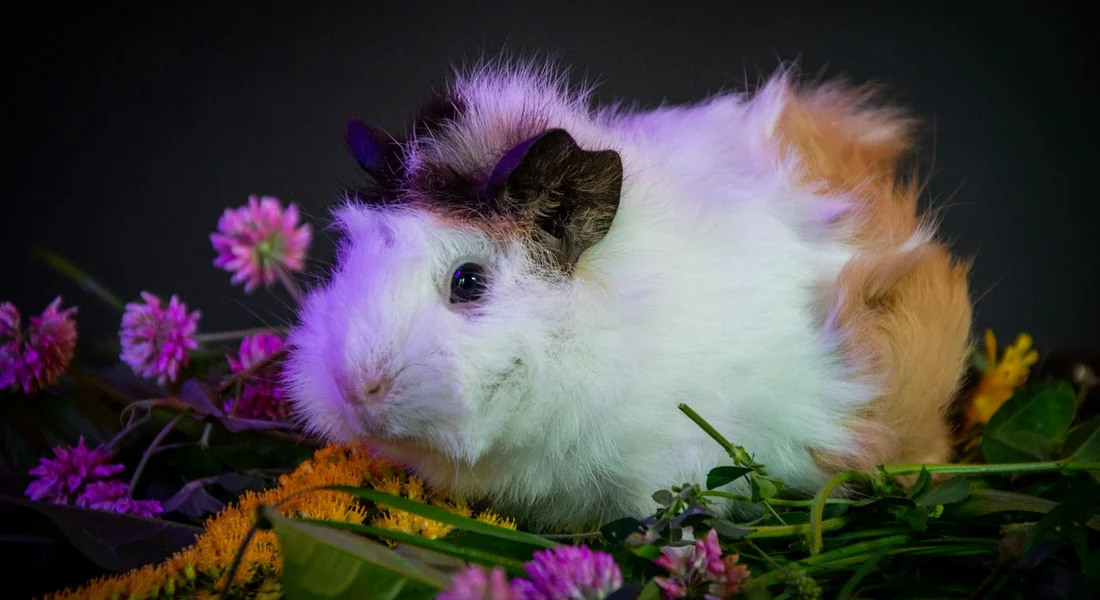
Your guinea pig’s daily habits tell a powerful story about their health. Lethargy and a decreased appetite are often the first and most telling signs of respiratory distress, as the effort to breathe becomes their body’s overwhelming priority. I noticed this with my own guinea pig, Biscuit, who stopped approaching the cage bars for her favorite bell pepper the day she developed a respiratory infection.
It’s vital to differentiate between normal resting and genuine distress. A healthy, resting guinea pig will still be alert, with bright eyes and ears perked toward interesting sounds, while a pig in distress often sits hunched with a puffed-up coat and glassy, half-closed eyes. Normal napping involves occasional repositioning, but a sick pig may remain motionless in one spot for hours.
Appetite changes are a major red flag. From my experience, a guinea pig that ignores fresh cilantro or passes on their morning pellet ration is communicating that something is seriously wrong internally. This isn’t just picky eating; it’s a physiological response where illness suppresses the drive to eat and digest.
Fever and reduced activity often go hand-in-hand. You might feel unusual warmth when you gently stroke their back or notice their ears are hotter than normal, coupled with a dramatic drop in their usual popcorning or exploring. A pig that no longer vocalizes for food or hides constantly is signaling for help.
Emergency Assessment Steps for Immediate Action
-
First, evaluate their breathing rate and pattern by watching their sides for one full minute while they are at rest. A healthy rate is 40-100 breaths per minute; consistently faster breathing, or any visible struggle where the sides suck in deeply with each breath, is a critical sign.
-
Gently check gum and tongue color by offering a favorite treat and looking for a healthy pink hue. Pale white gums or, most alarmingly, a blueish tint (cyanosis) on the tongue or lips means oxygen levels are dangerously low and this is a life-threatening emergency.
-
Listen carefully for abnormal lung sounds by holding your guinea pig close to your ear, away from drafts and noise. You should hear quiet, smooth breaths. Any clicking, gurgling, wheezing, or rasping indicates fluid or blockage in the airways and requires immediate veterinary diagnosis. Be sure to listen to common guinea pig sounds regularly to differentiate between normal and abnormal noises.
-
Provide immediate comfort by moving your pet to a warm, quiet, and draft-free area, ensuring they have easy access to water. While you prepare for the vet, you can offer a small piece of a high-moisture vegetable like cucumber to help with hydration, but do not force-feed as this can cause aspiration.
Common Causes of Respiratory Distress in Guinea Pigs
-
Infections like bacterial pneumonia or viral illnesses often trigger breathing issues. Guinea pigs are prone to respiratory infections from bacteria such as Bordetella, which can spread quickly in unclean environments. Fungal infections from moldy hay or bedding also pose risks, so always check for freshness. Guinea pigs with pneumonia often show rapid breathing, wheezing, nasal discharge, or lethargy. Early veterinary care is crucial, and with prompt treatment, many guinea pigs recover from pneumonia.
-
Environmental factors include dust from bedding, poor ventilation, or exposure to smoke. High ammonia levels from soiled cages can irritate their sensitive lungs, leading to labored breathing over time. I once used a dusty wood shaving for Pepper’s cage and saw her sneezing fits-switching to paper-based bedding made a huge difference.
-
Underlying conditions such as heart disease or obesity can strain their respiratory system. Older guinea pigs like Clover may develop heart issues that cause fluid buildup, making each breath a struggle. Regular vet checks help catch these early.
-
Pain-related distress shows as deep, slow breaths or reluctance to move, while fear-related distress involves rapid, shallow panting. If Biscuit hides and breathes fast after a loud noise, it’s likely fear; if she wheezes while resting, pain could be the culprit. Observing their behavior helps you respond appropriately.
-
Household hazards include scented candles, aerosol sprays, or drafts near cages. Many common cleaners release fumes that harm guinea pigs, so opt for pet-safe, eco-friendly alternatives to protect their airways. Air quality matters: guinea pigs have sensitive lungs and react to household scents and chemical fumes. Even small amounts of fragrance or solvent vapors can irritate them. Prevention means keeping their space well-ventilated and free of chemical irritants.
Creating a Calm Environment for Respiratory Support
-
Reduce stress by dimming lights and minimizing loud noises during breathing difficulties. Place their cage in a quiet corner away from foot traffic to help them relax and breathe more easily. These steps can help calm down anxious guinea pigs and reduce stress. A calmer environment supports easier breathing and overall well-being. I’ve found that soft background music can soothe my guinea pigs during stressful moments.
-
Maintain optimal temperature between 65-75°F and humidity around 40-60%. Sudden temperature swings can worsen respiratory distress, so use a thermometer to monitor their environment consistently. Avoid placing cages near heaters or open windows to prevent drafts.
-
Offer comfort techniques like gentle stroking or speaking in a soft voice. Many guinea pigs do enjoy a gentle cuddle or being held close for reassurance, as outlined in this article on cuddling and snuggling, but comfort varies by individual. Holding your guinea pig close to your chest can provide warmth and reassurance, but only if they seem calm. Provide hideouts or cozy blankets to make them feel secure without restricting airflow.
-
Use safe handling methods by supporting their entire body and avoiding tight grips. If your guinea pig is struggling to breathe, limit handling to essential moments and keep sessions brief to reduce strain. With patience you can tame and safely restrain your guinea pig for handling. Gentle, steady support helps you handle them calmly and safely. Always wash your hands before and after to prevent spreading germs.
Prevention Strategies for Healthy Breathing
-
Keep your guinea pig’s cage impeccably clean to reduce dust and ammonia buildup. I spot-clean daily and do a full bedding change every week for my trio – Pepper, Clover, and Biscuit – which cuts down on irritants that can trigger breathing issues. A complete guinea pig hygiene cleaning routine should also include a weekly cage disinfection and washing of water bottles, bowls, and toys. Remember to wash your hands before and after handling your pets. Use dust-free bedding like paper-based or aspen shavings, and avoid cedar or pine, as their strong oils can harm delicate lungs.
-
Ensure proper ventilation by placing the cage in a well-ventilated area away from drafts but with fresh air flow. Open a window briefly on mild days, but never let cold air blow directly on your pets, as I learned when Biscuit showed signs of discomfort during a windy spell. Good air circulation prevents mold and dampness, common culprits in respiratory distress.
-
Focus on a diet rich in vitamin C to support immune and respiratory health. I feed my guinea pigs fresh bell peppers, kale, and parsley daily, which has kept their breathing clear and energetic. Avoid dusty hay or pellets; opt for high-quality, low-dust options to minimize inhalation risks.
-
Monitor your guinea pig’s health regularly by checking for subtle signs like changes in breathing sounds or energy levels. Each morning, I spend a few minutes observing Pepper, Clover, and Biscuit for any wheezing or lethargy, catching problems early before they escalate. Weigh them weekly to spot weight loss, a hidden indicator of illness.
-
Establish a personal prevention routine that fits your schedule. My routine includes daily cage tidying, weekly deep cleans with vinegar-water spray, and monthly vet check-ups, which have prevented respiratory scares in my herd for years. Consistency here builds a safe, comfortable environment that supports long-term wellness.
When to Seek Immediate Veterinary Care
-
Watch for specific symptom combinations like labored breathing paired with lethargy or loss of appetite. If your guinea pig is breathing heavily and refusing favorite foods, don’t wait-this duo often signals a serious infection needing urgent care. Other red flags include nasal discharge with coughing or a hunched posture while gasping.
-
Act quickly based on symptom severity: mild signs like occasional sneezing might allow a day of monitoring, but severe issues require same-day vet visits. For example, if breathing becomes rapid and noisy, head to the vet within hours; delays can worsen outcomes, as I saw when Clover recovered faster thanks to prompt treatment. Trust your gut-if something feels off, err on the side of caution.
-
Prepare key information for your veterinarian to speed up diagnosis. Note down symptoms, when they started, and any recent changes in diet or environment, just like I do for Pepper’s check-ups. Bring a list of current foods and medications, and describe your guinea pig’s normal behavior for comparison.
-
Share personal stories of timely interventions to highlight their importance. Once, Biscuit began wheezing after a cage change; I rushed her to the vet, and early antibiotics cleared a budding infection, saving her from worse distress. These experiences reinforce how swift action, backed by observation, can turn emergencies into manageable recoveries.
FAQs
How long can distress last in a guinea pig?
Distress duration depends on the cause; mild stress from a sudden noise might resolve in minutes, but respiratory issues can persist for days without intervention. Always monitor your guinea pig closely and consult a vet if symptoms last more than a few hours or intensify.
Is a change in appetite a sign of distress in a guinea pig?
Yes, a reduced appetite is a key indicator of distress, as illness often suppresses their hunger and energy levels. If your guinea pig consistently refuses favorite treats or meals, it could signal a serious health problem requiring prompt care. Understanding normal eating habits for guinea pigs can help you detect when something is wrong early on.
What is the difference between fear distress and pain distress in guinea pigs?
Fear distress usually involves rapid, shallow breathing and hiding, often triggered by loud sounds or unfamiliar situations. Pain distress may cause deep, labored breaths, reluctance to move, and subtle signs like teeth grinding or flinching when handled.
Your Guinea Pig’s Health is in Your Hands
Recognizing the early signs of respiratory distress and acting immediately is your most powerful tool for protecting your pet. Always trust your instincts and contact your veterinarian the moment you suspect something is wrong.
Being a responsible guinea pig owner means committing to lifelong learning about their unique needs and behaviors. Providing a clean, spacious habitat and choosing eco-friendly bedding are simple, impactful ways to support their wellbeing and our planet. By understanding guinea pig nesting behavior and bedding needs, you can select materials that keep them dry, comfortable, and safe. This awareness helps you nurture a happier, healthier cage environment.
Further Reading & Sources
- Respiratory Problems in Guinea Pigs – Mount Pleasant Veterinary Group
- Respiratory Infections in Guinea Pigs | Arizona Exotics | -Guinea Pigs Resources
- How to Treat Respiratory Problems in Guinea Pigs: Care Tips
- Stubborn Guinea Pig Respiratory Infection? | Small Pet Select
Kate is a passionate guinea pig owner and advocate for small pet welfare. With over a decade of experience caring for guinea pigs, she has become a trusted voice in the small pet community.
Uncategorized