The Guinea Pig Growth Timeline: Your Month-by-Month Guide
Published on: April 10, 2026 | Last Updated: April 10, 2026
Written By: Kate M. Callahan
Hello CavyFam! Watching your new guinea pig grow is an incredible journey, but it’s natural to wonder if they’re developing on track. You might be asking, “Are they the right size, and what should I be looking for as they get older?”
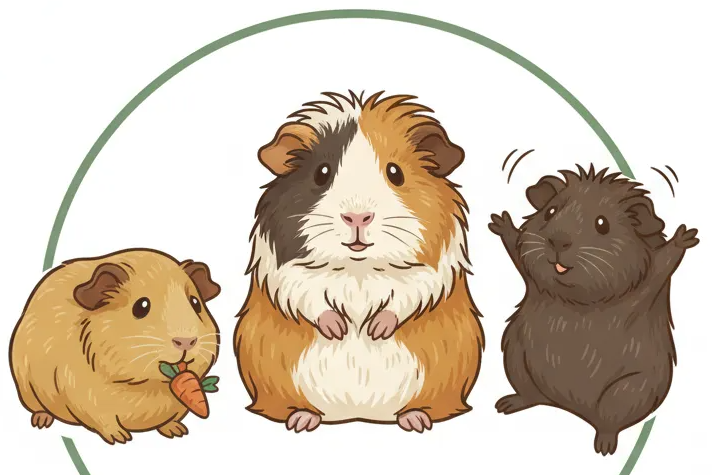
In this guide, we’ll walk through the fascinating stages of your cavy’s life. We’ll cover their development from birth to weaning, key monthly milestones for their first year, and the vital signs of healthy growth you need to monitor. I’ve raised my own trio-Pepper, Clover, and Biscuit-through every one of these stages, giving me firsthand experience with their unique growth patterns.
The First Weeks: Newborn Guinea Pig Development
Newborn guinea pigs, or kits, grow at a truly astonishing rate right from birth. They are born fully furred with their eyes open and can start nibbling on solid food within just a few days. This incredible start is vital for their survival in the wild and a joy to witness at home.
Their weight gain is the most telling sign of health. A healthy kit can double its birth weight within the first week alone. My own guinea pig, Pepper, was a robust little nugget who followed this pattern perfectly, gaining steadily each day.
- Birth Weight: Typically 70-100 grams (2.5-3.5 ounces).
- Week 1: Weight often doubles to 140-200 grams.
- Week 3: Expect a weight of 170-280 grams as they prepare for weaning.
The weaning process begins naturally as their mother’s milk supply decreases and their interest in hay and pellets grows. By three weeks old, most kits are fully weaned and eating a solid diet independently. Always ensure a constant supply of fresh timothy hay and high-quality alfalfa-based pellets to support this critical growth spurt.
Socially, these first weeks are a whirlwind of activity. You will see them popcorning-those joyful, spontaneous leaps-as early as two days old. They learn vital social cues from their mother and any cage mates, establishing a playful, inquisitive nature. I remember watching Clover’s graceful movements even as a tiny kit, a hint of the elegant adult she would become.
Conduct simple health checks daily. Gently feel their bodies to ensure they are plump and firm, not bony or bloated. Their eyes and nose should be clear and free of discharge, and their energy levels should be consistently high. Any lethargy or refusal to eat is a signal to consult your veterinarian immediately.
Months 1 to 3: Rapid Growth and Weaning Phase
This period is the true engine of your guinea pig’s development. Your piggy will transform from a tiny kit into a sturdy juvenile, gaining significant mass and length. Their appetite will seem bottomless, and rightly so—they are building the foundation for their entire adult life. Understanding what to expect at each stage can be helpful as you navigate their growth.
Weight gain continues at a rapid but slightly steadier pace. By three months old, a guinea pig can easily weigh between 350 and 500 grams. My little Biscuit was more reserved, but his growth was just as impressive, his dark fur stretching over a quickly lengthening body.
- Month 1: Weight ranges from 200-400 grams.
- Month 2: Expect weights between 300-500 grams.
- Month 3: They typically reach 400-600 grams, with females often being slightly smaller.
Diet is paramount during this phase. While weaned, young guinea pigs still benefit from the extra calcium and protein found in alfalfa hay and pellets. You can begin a gradual transition to timothy-based products around three months of age, but always prioritize their nutritional needs for strong bone development.
Their personalities begin to shine through with more complexity. This is when you’ll notice distinct preferences for certain toys, hiding spots, or even people. Social hierarchies within a group may become more apparent, leading to brief, harmless squabbles as they establish boundaries.
Monitoring their growth is a simple but crucial routine. I recommend a weekly weigh-in using a small kitchen scale to track their progress accurately. A sudden weight plateau or loss is often the first sign of a health issue. Adjust their living space as they grow, ensuring hideouts and ramps remain easily accessible for their increasing size.
Their vocalizations will also become more varied and purposeful. You will learn to distinguish the excited “wheek” for food from the contented purring during a gentle petting session. This communication is a beautiful sign of the bond you are building with your growing friend.
Months 4 to 6: Juvenile Stage and Approaching Puberty
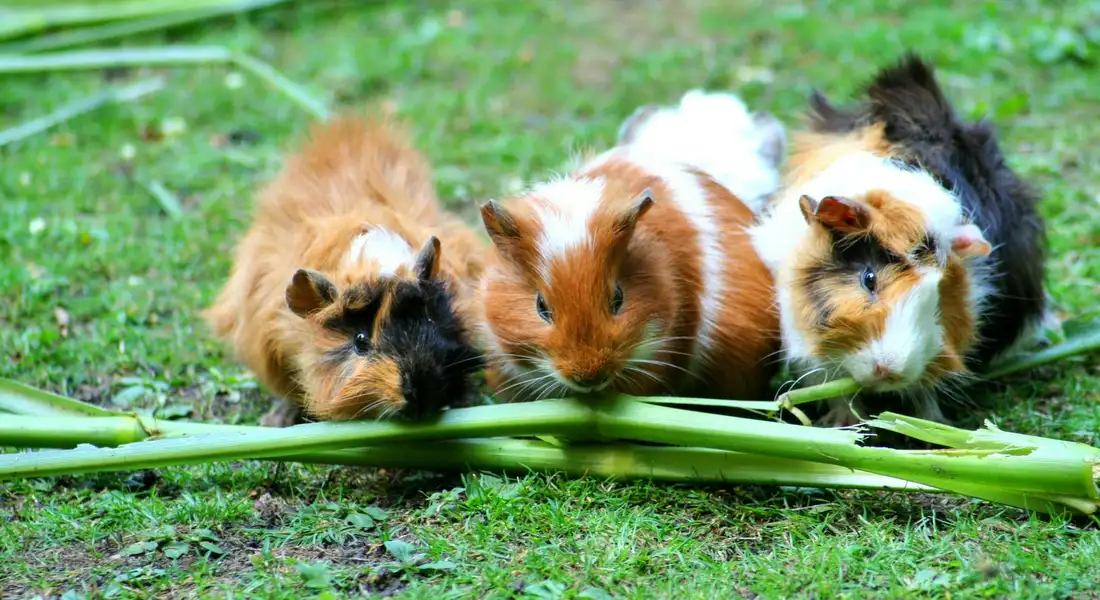
Your guinea pigs are no longer tiny babies. This period marks a significant growth spurt where they build most of their adult frame and muscle mass. I’ve watched my own trio, Pepper, Clover, and Biscuit, transform dramatically during this phase. Reproduction and maturity follow this growth spurt, with most guinea pigs reaching sexual maturity within a few months. If you’re not planning to breed, consider discussing spaying or neutering options with a vet.
Growth starts to accelerate noticeably. You will likely see a near-doubling in their overall bulk and length between months four and six. This is also when they approach sexual maturity. Females can become pregnant as early as two months, but by four to five months, both sexes are reproductively capable.
Size and Breed Variations
Not all guinea pigs grow at the same rate or to the same size. Breed plays a huge role in their final dimensions and the pace they get there. There are several different breeds of guinea pigs, each with its own growth patterns and physical traits. Knowing which breed you have helps explain why growth rates and final size can vary across individuals.
- American guinea pigs like Pepper often have a sturdy, compact build.
- Abyssinians like Clover tend to be a bit more slender and athletic.
- Long-haired breeds like my Biscuit (a Peruvian) can appear larger due to their luxurious coats, but their bodies are often more delicate-framed.
Males (boars) generally become broader and heavier than females (sows). You might notice your young boar developing a more prominent, rounded shape across his back and shoulders.
Diet Adjustments for a Growing Body
Their nutritional needs are at an all-time high. Getting their diet right now sets them up for a lifetime of good health and strong bones.
- Unlimited grass hay remains the absolute foundation of their diet.
- You can continue offering a high-quality young guinea pig pellet, but begin to monitor portions to prevent obesity as growth slows later.
- Vitamin C is non-negotiable. Their bodies cannot produce it. I provide a daily serving of fresh, vitamin C-rich veggies like bell peppers and kale.
- Be mindful of calcium. While needed for bone development, too much can cause issues. I rotate high-calcium greens like spinach with lower-calcium options like romaine lettuce.
Spotting Healthy vs. Problematic Growth
It is vital to distinguish normal development from potential health concerns. Weekly weigh-ins with a small kitchen scale are your best tool for tracking healthy progress.
- Normal: Steady weight gain, a firm and rounded body (not bony), bright eyes, and high energy.
- Concerning: Sudden weight loss or a plateau in growth, a bony spine or hips, lethargy, or a rough, unkempt coat.
Consult your veterinarian if you notice any stunted growth, loss of appetite, or signs of discomfort. Early intervention can make all the difference for a growing cavy.
Months 7 to 12: Adolescence and Reaching Adulthood
Welcome to the teenage months. Your guinea pig’s rapid growth will slow down significantly, and most will reach their full physical size by their first birthday. This is when their individual personalities really blossom.
The frantic growth of the juvenile stage gives way to a more gradual filling out. By ten months, the frantic growth of earlier months gives way to a more gradual filling out. They are essentially adults now, just perfecting their final form.
Healthy Adult Weight Ranges
A healthy weight is a better indicator than a specific number. Focus on a well-proportioned body where you cannot easily see or feel their ribs or spine.
- Most adult females (sows) weigh between 1.5 and 2 pounds (700-900 grams).
- Most adult males (boars) weigh between 2 and 2.5 pounds (900-1200 grams).
Larger breeds may exceed these averages. My Abyssinian, Clover, has always been more graceful and lighter than sturdy Pepper.
Evolving Energy and Social Dynamics
Their activity levels often mature alongside their bodies. You will see less frantic popcorning and more purposeful exploration, cuddling, and established social rituals.
This is a critical time for their social development if they live in a group. You might observe more subtle communication, shared sleeping spots, and a clear, stable hierarchy within their herd. I love watching my three negotiate their shared space with gentle rumbles and nose touches.
Maintaining an Ideal Adult Home
Their needs shift from supporting growth to sustaining a healthy adult life. A proper cage environment and balanced nutrition are the pillars of their long-term wellness.
- Ensure their enclosure is spacious enough for adult-sized zoomies. The Humane Society recommends at least 7.5 square feet for one, but more is always better.
- Transition from a “young guinea pig” pellet to an adult formulation to better match their lower caloric needs.
- Continue the daily routine of fresh hay, measured pellets, and a vitamin C-packed salad. Consistency is comforting for them.
- Provide plenty of hideouts and chews. A comfortable, stimulating environment reduces stress and supports natural behaviors.
Factors That Shape Growth: Diet, Breed, and Environment
What your guinea pig eats directly fuels their development from a wobbly baby into a sturdy adult. Unlimited, high-quality grass hay is the absolute cornerstone of their diet, providing the necessary fiber for healthy digestion and proper tooth wear. This is why hay is so important in a guinea pig’s daily diet. It keeps their gut running smoothly and helps prevent dental problems. I learned this the hard way with Biscuit, my Peruvian; a week of slightly lower-quality hay led to noticeable digestive slowdown.
Beyond hay, a measured portion of fortified pellets and a daily cup of fresh vegetables supply vital vitamins. Vitamin C is especially critical, as guinea pigs cannot produce it themselves, making a consistent source from foods like bell peppers non-negotiable for bone and tissue growth. Keep fresh water available at all times, since vitamin C is water-soluble and hydration supports its absorption. However, water alone should not be relied upon to meet vitamin C needs; emphasize vitamin C-rich foods and, if advised by a veterinarian, approved water-based supplements.
Breed Makes a Big Difference
Just like dog breeds, guinea pig breeds grow at different rates and to different sizes.
- American/Short-Haired: Like my Pepper, these are often the “standard,” reaching their full size of 1.5-2.5 pounds relatively quickly and steadily.
- Abyssinian: My graceful Clover is an Abyssinian. They are similar in size to Americans but their unique rosette coat can sometimes make them appear a bit stockier as they fill out.
- Peruvian & Other Long-Haired: Biscuit, my Peruvian, has a much longer growth period for his magnificent coat. While his body reached adult size around 9 months, his hair continues to grow for years, requiring extra nutritional support for coat health.
The World Around Them
Growth isn’t just about food and genes. A cramped, barren cage can lead to stress and reduced activity, which subtly impacts development. Providing a spacious enclosure with hiding spots, tunnels, and safe toys encourages natural movement and mental stimulation, which supports healthy muscle and bone development.
Guinea pigs are profoundly social creatures. A lonely cavy is often a stressed cavy. Housing your guinea pig with a compatible friend provides emotional security, reduces stress-related appetite loss, and encourages playful exercise through popcorning and chasing. It’s crucial to understand their grooming behaviors as a sign of social bonding. Watching Pepper and Clover groom each other is a daily reminder of how vital this companionship is.
Your Action Plan for Balanced Growth
- Provide a constant, unlimited supply of fresh Timothy or Orchard grass hay.
- Offer a daily salad of vitamin C-rich veggies like bell pepper and leafy greens.
- Limit fortified pellets to about 1/8 cup per pig per day to prevent obesity.
- Schedule a quick weekly health check: feel their body condition, check their eyes and nose, and ensure their bottom is clean.
Tracking Growth: How to Monitor Your Cavy’s Progress
Keeping a simple log is the single best way to ensure your guinea pig is on the right track. I use a basic kitchen scale and a small notebook to track my trio’s weight every Saturday morning, and this routine has helped me catch minor health issues before they became major. Doing it at home weekly makes trends easy to spot and early changes easier to treat. That’s why weighing your guinea pig weekly should be part of your care routine.
How to Weigh Your Guinea Pig Safely
- Place a small bowl or container on your digital kitchen scale and tare it to zero.
- Lure your guinea pig into the bowl with a favorite piece of lettuce or a cilantro sprig.
- Once they are settled and still, note the weight displayed on the scale.
- Record the date and weight in your logbook. The whole process takes less than a minute!
Key Milestones to Watch For
Beyond the number on the scale, watch for these physical and behavioral signs of healthy development.
- Steady Weight Gain: Young pigs should gain weight consistently each week. Adults should maintain a stable weight.
- Increased Confidence: A growing, healthy pig will become more curious and interactive with their environment and you.
- Social Behaviors: Look for happy signs like “popcorning” (little joyful jumps), gentle rumbling, and peaceful coexistence with cage mates.
Becoming familiar with your guinea pig’s normal posture and energy level is your greatest tool. A sudden change in appetite, lethargy, or hunched posture are often the first and most critical signs that something is wrong, long before weight loss becomes severe.
Building a Consistent Tracking Routine
Consistency turns worry into knowledge. All you need is a digital kitchen scale, a dedicated notebook or a notes app on your phone, and a weekly reminder. Weighing at the same time each week, ideally before their morning veggies, gives you the most consistent and comparable data over time. This simple record becomes invaluable information for your veterinarian if you ever have concerns.
FAQs
At what age do guinea pigs reach their full size?
Most guinea pigs reach their full physical size by their first birthday. Some larger breeds may continue to fill out slightly beyond this age. Looking for the biggest breeds or a size-by-age comparison? Our big guinea pig size guide breaks growth down by breed and age to help you plan for your pet.
Do different guinea pig breeds have different growth timelines?
Yes, breed significantly influences growth rate and final adult size. For instance, American guinea pigs mature steadily, while long-haired breeds like Peruvians have extended growth periods for their coats.
When do male and female guinea pigs stop growing, and is there a size difference between sexes?
Both males and females generally stop growing around 12 months of age. Males often become broader and heavier than females, with this difference becoming more apparent as they mature.
What are signs of abnormal or stunted growth in guinea pigs?
Warning signs include sudden weight loss or a plateau in growth, along with a bony spine or hips. Lethargy and a rough, unkempt coat can also indicate underlying health issues.
How does activity level influence growth and overall development in growing guinea pigs?
Regular physical activity supports healthy muscle and bone development by encouraging natural movement. A stimulating environment with ample space reduces stress and helps prevent obesity, promoting balanced growth.
Your Guinea Pig’s Growth Adventure Awaits
Tracking your guinea pig’s development each month allows you to provide tailored care and address health concerns promptly. Proper guinea pig care also includes regular grooming, safe handling, and routine vet visits to keep them healthy. Offer a nutrient-rich diet and spacious living area to support their steady growth from playful babies to calm adults.
Responsible ownership involves staying curious and committed to learning about eco-friendly practices that protect our planet and your pets. I’ve seen with Pepper, Clover, and Biscuit how small changes, like choosing biodegradable bedding, create a healthier home for them and reduce waste.
Further Reading & Sources
- Guinea Pig Size Guide
- Growth Stages of Baby Guinea Pigs | Pets on Mom.com
- How Big Do Guinea Pigs Get? Average Weight & Growth Chart | PangoVet
- Measurements, years of life and sex of guinea pigs – Cunipic
Kate is a passionate guinea pig owner and advocate for small pet welfare. With over a decade of experience caring for guinea pigs, she has become a trusted voice in the small pet community.
Uncategorized