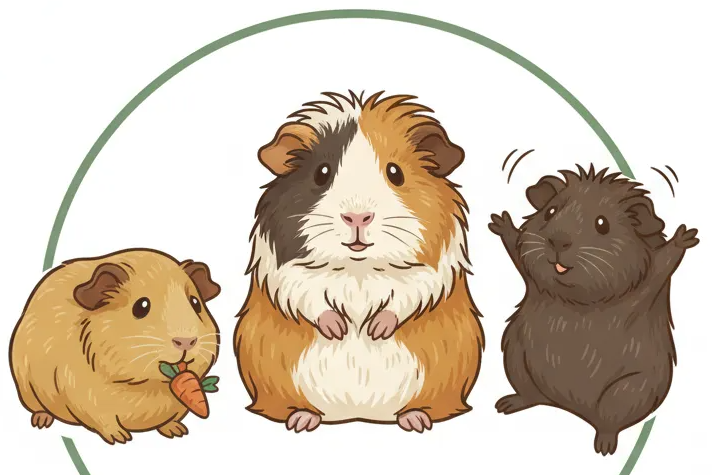
Timothy Hay vs. Orchard Grass: Which is Better for Your Guinea Pig?
Hello CavyFam! Choosing the right hay for your guinea pig can feel confusing, and you might worry about making the wrong choice for their health. You want to provide the absolute best for your furry friend, and their main food source is a huge part of that.
In this guide, we’ll break down everything you need to know to decide, covering nutritional differences, dental health benefits, allergy considerations, and even which type your piggies might prefer the taste of. I’ve been through this exact decision-making process with my own herd of guinea pigs, so I can share what I’ve learned from firsthand experience.
Understanding Timothy Hay and Orchard Grass
What is Timothy Hay?
Timothy hay is a popular choice for guinea pigs because it’s packed with long, coarse strands that encourage natural chewing. This hay keeps their teeth trimmed and supports healthy digestion through its high fiber content. I’ve noticed my guinea pig Pepper, with his steady personality, loves munching on Timothy hay throughout the day. Its rough texture mimics what they’d eat in the wild, making it a staple in my care routine.
Grown in cool climates, Timothy hay has a distinct green color and a slightly sweet smell. It’s ideal for preventing obesity and dental issues in guinea pigs like my graceful Clover. Over the years, I’ve seen how consistent access to Timothy hay reduces digestive problems and keeps them active.
What is Orchard Grass?
Orchard grass offers a softer, leafier alternative that’s gentle on sensitive mouths. This grass is lower in protein and calcium compared to Timothy hay, which can be better for guinea pigs prone to urinary issues. My reserved but intelligent Biscuit prefers Orchard grass because it’s easier to eat without the rough stems.
With a mild aroma and fine texture, Orchard grass is often less dusty, reducing allergy risks for both pets and owners. I’ve found it’s a great option for mixing with other hays to add variety and prevent boredom in their diet. From my experience, it helps maintain a balanced intake without overwhelming their systems.
Nutritional Face-Off: Fiber, Calcium, and Protein
Fiber Content and Digestive Health
Both hays are rich in fiber, but Timothy hay typically has a higher crude fiber percentage, around 30-35%, which aids in gut motility. High fiber is crucial for preventing bloating and GI stasis in guinea pigs. I’ve seen this firsthand with Pepper, who stays regular and happy on a Timothy-based diet.
- Timothy hay: Excellent for wearing down constantly growing teeth and promoting digestion.
- Orchard grass: Softer fiber that’s still effective but may be better for older or picky eaters.
Always provide unlimited hay to support their digestive systems and mimic natural foraging behaviors. In my home, I rotate hays to keep things interesting and ensure optimal health for all my guinea pigs.
Calcium and Phosphorus Balance
Timothy hay generally has a moderate calcium level, while Orchard grass is lower, making it safer for guinea pigs at risk of bladder stones. Too much calcium can lead to painful urinary tract problems, so balance is key. I monitor Clover’s intake closely because of her thoughtful nature and tendency to develop issues.
Aim for a calcium-to-phosphorus ratio around 1.5:1 to 2:1 in their overall diet. Orchard grass often fits well into this balance, especially if your guinea pig has had past health scares. Based on my experience, combining both hays can help manage mineral levels without sacrificing nutrition.
Health Benefits for Your Guinea Pig

Dental Health and Chewing Needs
Guinea pigs have teeth that grow nonstop, so they need to chew constantly to avoid overgrowth and pain. Both Timothy hay and Orchard grass offer the rough texture that files down those ever-growing molars effectively.
Timothy hay tends to be coarser and crunchier, which I’ve seen with Pepper-she eagerly gnaws on it, keeping her teeth in great shape. Orchard grass is softer, making it a gentler option for pigs like Biscuit, who can be picky about texture.
- Timothy hay: Higher fiber content promotes vigorous chewing, reducing dental issues.
- Orchard grass: Softer strands are easier on sensitive mouths, ideal for older or recovering pigs.
From my experience, mixing both types can prevent boredom and encourage natural chewing behaviors. Rotating hays helps maintain dental health without stressing your pet.
Digestive Support and GI Stasis Prevention
A high-fiber diet is vital for preventing gastrointestinal stasis, a serious condition where the gut slows down. Timothy hay’s robust fiber keeps things moving smoothly through the digestive tract.
Orchard grass provides a milder fiber boost, which Clover appreciates during times of stress or seasonal changes. Its gentle nature can ease digestion without overwhelming sensitive systems.
- Timothy hay: Excellent for regular digestive maintenance and reducing bloat risks.
- Orchard grass: Lower in protein and calories, suitable for weight management and delicate stomachs.
I always check hay freshness to avoid mold, which can trigger health problems. Common hay-related health problems include dental overgrowth and digestive issues. Choosing fresh, high-fiber hay helps prevent them. Offering a variety supports gut health and keeps your guinea pig happy and active.
Feeding Guidelines and Daily Hay Intake
How Much Hay to Feed Daily
Guinea pigs should have unlimited access to hay to support their grazing instincts and overall health. Fill their hay rack completely each day, and top it off whenever it gets low. Meeting their daily hay requirement supports digestion and dental health.
My trio-Pepper, Clover, and Biscuit-go through about a handful per pig daily, but I watch for empty spots to refill promptly. Consistent hay availability mimics their wild diet and prevents hunger-related stress.
- Start with a generous portion in the morning.
- Check levels throughout the day, especially after playtime.
- Adjust based on appetite; active pigs may eat more.
Never restrict hay, as it’s their main source of nutrition and comfort. Hay provides essential fiber for digestion and helps wear down continually growing teeth. This is why hay must be a central part of a guinea pig’s diet. Unlimited hay intake is non-negotiable for a healthy, thriving guinea pig.
Tips for Fresh and Appealing Hay
Keeping hay fresh encourages eating and reduces waste, which I’ve learned through trial and error with my herd. Store hay in a cool, dry place away from sunlight to maintain its crunch and aroma.
Use a hay rack or feeder to keep it off the cage floor, preventing soiling and making it more inviting. Rotate between Timothy and Orchard grass to add variety and sustain interest.
- Spritz hay lightly with water to release natural scents that attract pigs.
- Mix in herbal treats like dried chamomile for a fun, safe enrichment.
- Discard any damp or discolored hay to avoid mold exposure.
I often fluff the hay before serving to make it look more appealing, and my pigs respond with enthusiastic munching. Fresh, well-presented hay supports both physical health and mental stimulation for your pet.
Age-Specific Hay Recommendations

For Young and Growing Guinea Pigs
Young guinea pigs need hay rich in protein and calcium to support their rapid growth and bone development. I always choose Timothy Hay for my younger pigs like Biscuit because its high fiber content keeps their digestive systems running smoothly. Orchard Grass works well too, offering a softer texture that some picky eaters prefer. From my experience with Clover as a baby, mixing both hays can encourage consistent munching and prevent boredom. Ensure the hay is fresh and green to provide maximum nutrients. For baby guinea pigs, hay should be the mainstay of their diet, with small amounts of age-appropriate pellets added as they grow. Introduce any new foods gradually to prevent digestive upset.
- Opt for Timothy Hay for its excellent fiber and dental benefits.
- Consider Orchard Grass if your guinea pig has a sensitive stomach or prefers variety.
- Monitor their weight and energy levels to adjust hay types as needed.
For Adult and Senior Guinea Pigs
Adult and senior guinea pigs benefit from hay that maintains digestive health without excess calcium, which can lead to bladder stones. For my older pigs like Pepper, I stick with Timothy Hay most days because it helps manage weight and keeps teeth from overgrowing. Orchard Grass is a great alternative for seniors with dental issues, as its softer stems are easier to chew. I noticed Clover, now three, enjoys the gentle feel of Orchard Grass during her quieter moments. Rotate hays to provide enrichment and prevent dietary monotony.
- Use Timothy Hay for daily fiber intake and dental wear.
- Introduce Orchard Grass for variety or if your pig has chewing difficulties.
- Watch for signs of discomfort and consult a vet if you notice changes in eating habits.
Selecting and Storing High-Quality Hay
What to Look for in Good Hay
High-quality hay should have a vibrant green color, a sweet, grassy smell, and be free from dust or mold. When I pick hay for my herd, I always check for pliable stems and leafy parts, which indicate freshness and better nutrition. Timothy Hay tends to be coarser and more stemmy, while Orchard Grass is leafier and softer-both are excellent if they pass the sniff test. Avoid hay that looks brown or feels damp, as it could harm your guinea pig’s health. Trust your senses; if it doesn’t smell like a fresh meadow, skip it.
- Look for bright green hues and a clean, earthy aroma.
- Avoid hay with visible mold, insects, or excessive dust particles.
- Feel the texture: it should be dry but not brittle, with a mix of stems and leaves.
Best Practices for Hay Storage
Proper storage keeps hay fresh, nutritious, and appealing for your guinea pigs. I store my hay in a cool, dry place using airtight containers to block moisture and pests, which I learned after a batch went stale with Biscuit’s first supply. It’s essential to store hay properly to maintain its freshness. Never leave hay in plastic bags that trap humidity; instead, use breathable bins or paper sacks. Rotate your stock regularly to use the oldest hay first and maintain that crisp, inviting feel. This simple habit ensures every bite supports your pet’s well-being.
- Choose a storage spot away from direct sunlight and humidity.
- Use sealed containers or breathable bags to preserve freshness.
- Check stored hay weekly for any signs of spoilage and replace if needed.
Health and Safety Considerations
Avoiding Common Hay-Related Problems
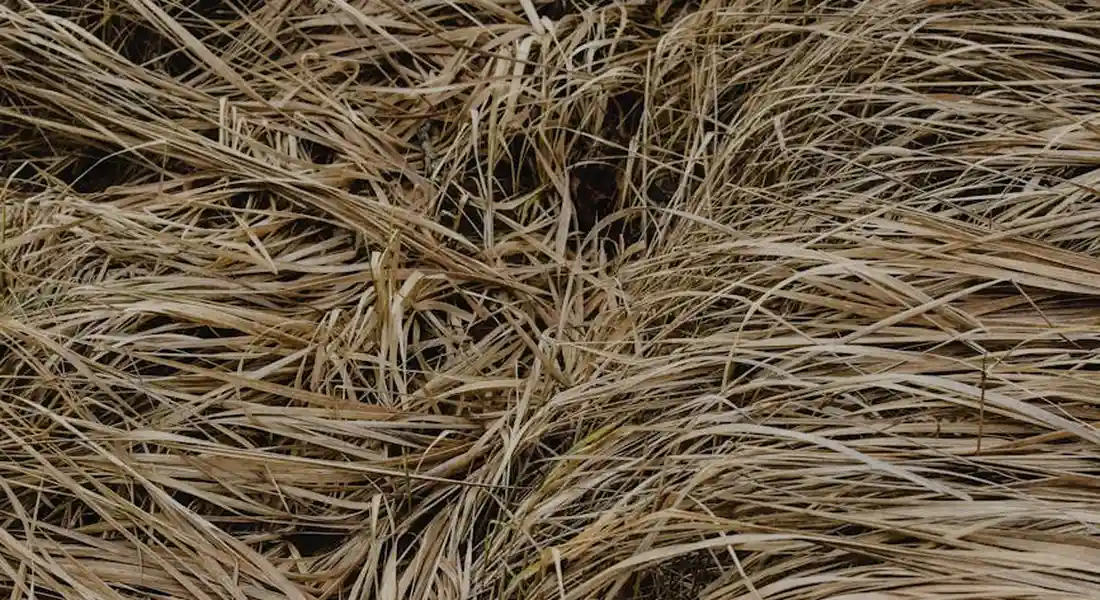
Hay is the cornerstone of a healthy guinea pig diet, but it can introduce a few challenges. When choosing the best hay for your guinea pig, start with Timothy hay as the standard staple. Choose hay that is bright green and smells fresh. Always inspect your hay before feeding it to your pigs; look for a fresh, sweet smell and a green color, avoiding any dusty, moldy, or damp batches. I once received a bale that had a slight musty odor, and I discarded it immediately to prevent any risk of respiratory issues.
Dust is a primary concern, especially for delicate respiratory systems. If you find your hay is a bit dusty, try giving it a good shake outside the cage or use a hay feeder that allows particles to fall away from your pet’s face. My Abyssinian, Clover, is particularly sensitive, so I’m always extra careful with her hay selection.
The texture of the hay directly impacts dental health. Timothy hay’s coarse, fibrous stalks are excellent for naturally grinding down those constantly growing teeth, helping to prevent painful overgrowth and malocclusion. My vet always emphasizes this point during check-ups for Pepper and the others.
While less common, the fine seed heads in some grass hays can pose a slight choking hazard. Simply break up any large, dense clumps of hay with your hands before placing it in the cage to minimize any potential risk. It’s a small, quick step that adds a layer of safety for your curious companions.
Mixing Hays and Exploring Alternatives
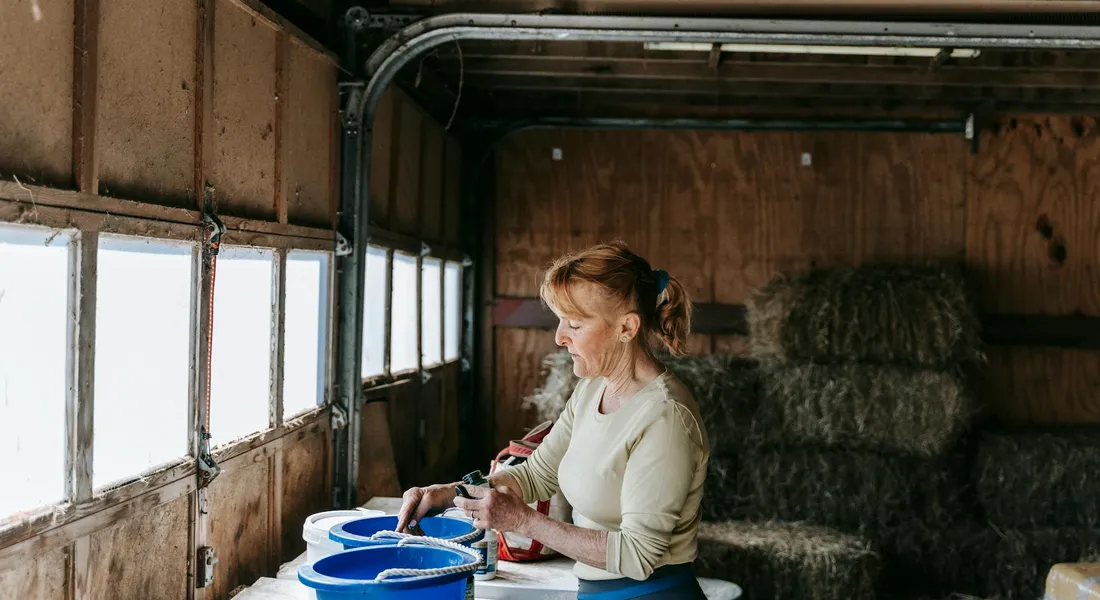
You don’t have to choose just one type of hay forever. Mixing Timothy and Orchard grass can provide a wonderful balance of texture and taste, keeping your guinea pigs interested and ensuring they get a varied nutritional profile. I often mix them for my herd, and they seem to enjoy the variety. If you’re introducing a new hay type, transition gradually to avoid digestive upset. Start with a small amount of the new hay mixed in and slowly increase over several days.
Here are a few ways to successfully mix hays for your pets:
- Start with a 50/50 blend to see which ratio your guinea pigs prefer.
- Layer the hays in their rack, creating a fun “foraging” experience.
- Offer different hays in different feeders and observe their choices.
Beyond Timothy and Orchard grass, other grass hays can be excellent additions. Meadow grass and oat hay are two other fantastic, safe options that can add diversity to your guinea pig’s diet without compromising their health. My Peruvian, Biscuit, goes wild for the occasional handful of oat hay as a special treat—just make sure to check what other foods are safe for guinea pigs before introducing new treats.
It’s crucial to understand what to avoid. Alfalfa hay is a legume hay, not a grass hay, and is too high in calcium and protein for most adult guinea pigs, making it suitable only for young, growing, or pregnant animals. Sticking with grass hays is the safest bet for the long-term health of your adult pets.
FAQs
Can guinea pigs thrive on only one type of hay, or is variety necessary?
Guinea pigs can thrive on a single type like Timothy or Orchard grass, but variety can prevent dietary boredom and support overall health. Offering both hays ensures a balanced intake of nutrients and textures. They can also eat wheatgrass and other grasses as fresh greens, which adds variety to their diet. Introduce any new greens gradually to avoid digestive upset.
How can I tell if my guinea pig prefers Timothy hay over Orchard grass?
Observe which hay they eat first or more eagerly when both are available in separate feeders. You might also notice them spending more time munching on one type, indicating a taste preference.
Are there any common allergies linked to Timothy hay that Orchard grass avoids?
Timothy hay can be dustier, potentially triggering respiratory allergies in some guinea pigs or owners. Orchard grass is often less dusty, making it a safer option for allergy-prone environments.
Is it safe to switch my guinea pig’s hay from Timothy to Orchard grass abruptly?
Abrupt changes can cause digestive upset, so it’s best to transition slowly over several days. Mix the hays together gradually to allow your guinea pig’s system to adjust without issues.
What are the main differences in cost between Timothy hay and Orchard grass?
Timothy hay is generally more affordable and widely available due to its popularity. Orchard grass might be slightly pricier but offers a good value for its lower dust and softer texture.
Making the Right Choice for Your Flock
The best choice for your guinea pig often comes down to their individual health and preferences. Timothy hay provides the essential roughage most piggies need, while orchard grass offers a fantastic, lower-dust alternative, especially for those with allergies or picky eaters. So, in the grass vs hay debate for guinea pigs, there’s no one-size-fits-all answer. The right choice depends on your pig’s needs, with hay as the daily staple and fresh, clean grass as a cautious supplement when appropriate.
Your journey as a caring owner involves observing your pets and adapting to their unique needs over time. By choosing sustainably sourced hay and staying curious, you provide a healthier, more enriching life for your small companions.
Further Reading & Sources
- Fresh, Healthy Hay Choices for Guinea Pigs | Small Pet Select – Small Pet Select U.S.
- Amazon.com : Ohcool Timothy Hay 1.1LB – Dust Free Natural Green Fresh Food Hay for Rabbits Tortoise Guinea Pig Chinchilla : Pet Supplies
- 25 lb. Premium 2nd Cut Timothy Guinea Pig and Chinchilla “HAY-IN-A-BOX” Also great for Rabbits and other small animals when a softer hay is desired or required.
- Why Do Guinea Pigs Need Hay? Benefits, Types & Tips
Kate is a passionate guinea pig owner and advocate for small pet welfare. With over a decade of experience caring for guinea pigs, she has become a trusted voice in the small pet community.
Uncategorized