What Foods Can Guinea Pigs Have?
Published on: April 27, 2026 | Last Updated: April 27, 2026
Written By: Kate M. Callahan
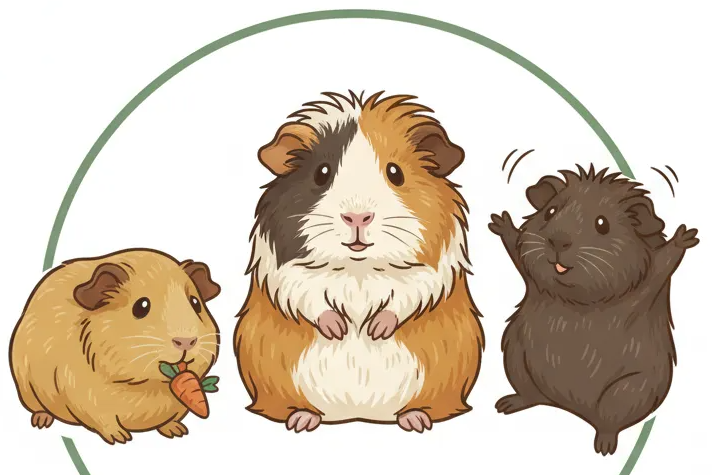
Hello CavyFam! Figuring out what to feed your guinea pig can feel tricky, and you might worry about picking the wrong foods and hurting their delicate stomachs. I’ve felt that same concern while caring for my own guinea pigs, Pepper, Clover, and Biscuit, over the years.
In this article, I’ll walk you through safe vegetables, fruits to offer in moderation, daily hay and pellet basics, and common toxic foods to avoid. My experience with these gentle animals gives me the insight to help you feed yours safely and happily.
Guinea Pig Nutritional Foundations
Key Nutrients for Health
Vitamin C Essentials
Guinea pigs cannot produce their own vitamin C, so they depend entirely on their diet to avoid scurvy and stay healthy. I make sure Pepper gets a daily dose from fresh veggies like bell peppers or kale, as a deficiency can lead to joint pain and lethargy. From my experience, offering a variety of colorful vegetables helps maintain their vibrant energy and prevents common health issues.
Signs of low vitamin C include rough fur and slow healing-something I watch for with Biscuit, who tends to be reserved. Rotate vitamin C-rich foods daily to keep their intake consistent and enjoyable. Avoid relying solely on pellets, as the vitamin can degrade over time.
Fiber and Digestion
Fiber is vital for keeping a guinea pig’s digestive system moving smoothly and preventing blockages. High-fiber hay helps Clover’s sensitive stomach stay regular, reducing the risk of bloating or discomfort. I’ve found that a diet rich in long-strand fiber mimics their natural grazing habits and supports overall gut health.
Without enough fiber, guinea pigs can develop serious issues like GI stasis. Always provide unlimited access to hay to encourage natural chewing and digestion. This simple step has kept my trio happy and active for years.
Calcium Balance
Calcium is necessary for strong bones, but too much can cause painful bladder stones in adult guinea pigs. I balance Biscuit’s diet by limiting high-calcium greens like spinach and opting for timothy hay over alfalfa for my adults. Monitoring their urine for chalky residues helps me catch imbalances early.
Young or pregnant guinea pigs, like Clover was once, may need extra calcium, but for most adults, moderation is key. Stick to low-calcium veggies such as cucumber or zucchini to support long-term urinary health. This approach has spared my pets from vet visits related to stone formation.
The Role of Cecotropes
Cecotropes are special droppings that guinea pigs produce and eat to absorb essential nutrients like B vitamins and protein. If you see your guinea pig bending to eat these soft pellets, it’s a normal, healthy behavior that aids digestion. I’ve observed Pepper doing this regularly, which shows his system is working well.
Interrupting this process can lead to malnutrition, so ensure their diet has enough fiber to support cecotrope production. Providing a stress-free environment encourages this natural recycling of nutrients. From my care routine, I know that a balanced diet keeps this process smooth and efficient.
Hay: The Heart of Their Diet
Types of Hay for Guinea Pigs
Timothy Hay Benefits
Timothy hay is the go-to choice for adult guinea pigs because of its ideal fiber content and low calcium levels. It promotes dental health by wearing down their constantly growing teeth and supports digestive regularity. My guinea pigs, especially Clover, thrive on a constant supply of fresh timothy hay, which keeps them occupied and healthy.
This hay also reduces obesity risks by encouraging natural foraging behavior. Choose high-quality, green timothy hay to ensure it’s palatable and nutrient-rich. I’ve found that storing it in a dry place preserves its freshness and appeal.
When to Use Alfalfa Hay
Alfalfa hay is higher in calcium and protein, making it suitable for young, pregnant, or underweight guinea pigs. I used it for Biscuit when he was a baby to support his growth, but switched to timothy as he matured to prevent urinary issues. It’s not recommended for healthy adults due to the risk of bladder stones. For a complete guide on guinea pigs and alfalfa hay, see our Alfalfa Hay Complete Guide. It covers ages, health considerations, and portion guidance.
If your guinea pig needs a weight boost, mix small amounts of alfalfa with their regular hay. Always consult a vet before introducing alfalfa to avoid overloading on calcium. This careful approach has helped me maintain my pets’ ideal weight and health.
How Much Hay to Provide Daily
Guinea pigs should have unlimited access to hay throughout the day to support their digestive and dental needs. I refill Pepper’s hay rack twice daily to ensure it’s always fresh and abundant, mimicking their natural grazing instincts. Knowing your guinea pig’s daily hay requirement helps you ensure they get enough roughage each day. A good rule is to offer a pile roughly the size of their body each day.
Lack of hay can lead to serious health problems, so never let it run out. Use a hay feeder to reduce waste and keep their living area clean. This also helps prevent common hay-related health problems like dental overgrowth and digestive issues. From my routine, I’ve seen that consistent hay availability keeps my guinea pigs content and prevents behavioral issues.
Pellets: Choosing the Best Options
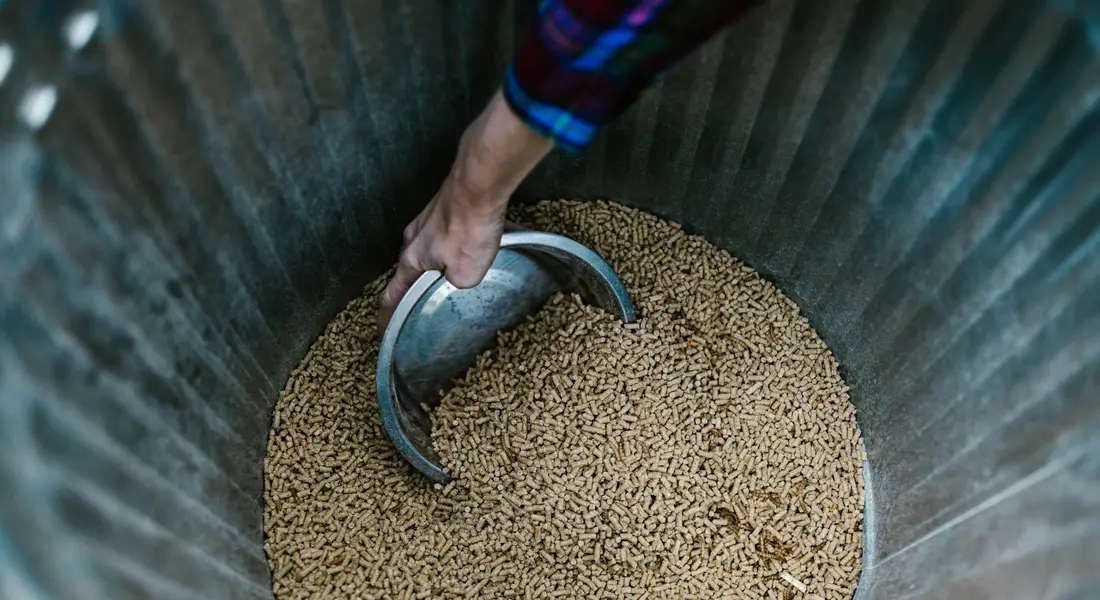
Pellets form a small but vital part of your guinea pig’s diet, providing concentrated vitamins and minerals. I always choose plain, high-fiber timothy hay-based pellets for my adult pigs like Pepper and Clover. For extra help choosing well, a quick look at a high-quality guinea pig pellets ingredient guide can help you spot good ingredients.
What to Look for in Guinea Pig Pellets
Your main goal is finding a simple, high-quality pellet. The first ingredient should always be timothy hay or another grass hay, not alfalfa. Alfalfa is too rich in calcium and calories for most adult guinea pigs. When deciding between timothy hay-based options and alfalfa pellets, timothy is usually the safer choice for most adults. Alfalfa pellets may be appropriate only for very young or underweight guinea pigs and should be limited.
- Guaranteed Vitamin C: Guinea pigs cannot produce their own.
- High Fiber Content: Look for at least 18-20% crude fiber.
- No Added Sugars or Colours: These are unnecessary and unhealthy.
Star-Shaped and Other Forms
I’ve found that the shape of the pellet can influence how my pigs eat. Uniform, hard pellets encourage natural chewing and help maintain dental health. My pig Biscuit, for instance, seems to enjoy the texture of standard round pellets more than the softer, star-shaped varieties.
Ingredients to Avoid
Read the ingredient list carefully, just as you would for your own food. Steer completely clear of pellets that contain seeds, nuts, dried fruit, or corn products. These items are choking hazards and can cause digestive upset.
- Animal By-Products: Guinea pigs are strict herbivores.
- Ethoxyquin or BHA: These are artificial preservatives.
- Molasses or Syrup: Added sugars lead to obesity.
Portion Sizes and Feeding Frequency
Pellets are a supplement, not the main course. I offer about 1/8 cup of plain timothy pellets per pig each day, split between morning and evening feedings (the recommended amount from The Hay Hutch). This prevents them from gorging and ensures they eat their more important hay first.
Always remove any uneaten pellets from the previous day to keep them fresh. Storing pellets in an airtight container protects their nutritional value, especially the fragile Vitamin C.
Fresh Vegetables: A Daily Delight
Fresh veggies are where mealtime gets exciting for your furry friends. Providing a daily salad is one of the most enjoyable parts of caring for my guinea pigs. It offers essential nutrients and wonderful enrichment.
Leafy Greens Safe for Guinea Pigs
Leafy greens should be the foundation of your pig’s daily vegetable intake. I aim for about one cup of mixed greens per pig per day to keep their diet varied and interesting.
Endive, Escarole, and Frisee
These slightly bitter greens are excellent, low-oxalate choices. My guinea pig Clover, who can be a bit picky, absolutely adescends the crisp, curly leaves of frisée. They provide great texture and are a hydrating option.
Romaine, Kale, and Other Favorites
Romaine lettuce is a classic, hydrating staple in our house. Kale is a nutrient powerhouse, but I feed it in moderation-only a leaf or two per pig, once or twice a week-due to its high calcium content.
- Green and Red Leaf Lettuce
- Butter Lettuce
- Cilantro (a huge hit with all my pigs)
- Dandelion Greens (ensure they are pesticide-free)
Other Vegetable Choices
Beyond leafy greens, many other vegetables are safe and healthy treats. I love watching Pepper’s reaction when he gets a new veggie to investigate; it’s a joy to see his curiosity.
Bell Peppers, Cucumber, and More
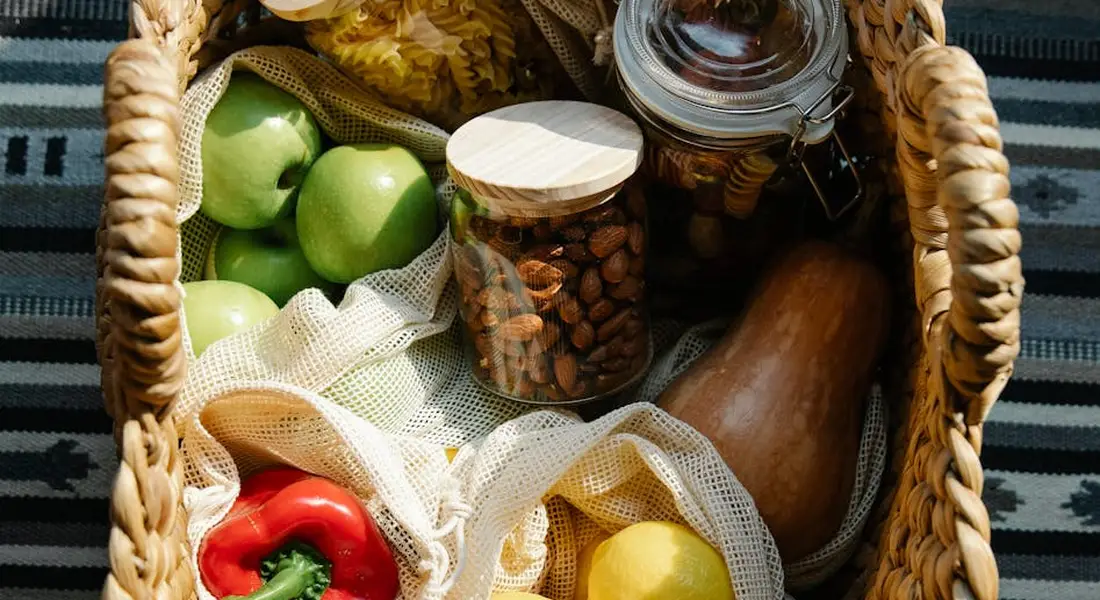
Bell peppers are a daily must-have in our cage. The high Vitamin C content in bell peppers, especially the red and yellow varieties, is crucial for preventing scurvy. I remove the seeds and stem first.
- Cucumber: Great for hydration, but low in nutrients.
- Zucchini: A soft, easy-to-eat squash.
- Carrot Tops: The greens are more nutritious than the root!
- Celery: Always chop it finely to prevent stringy pieces from causing choking.
Vegetables to Limit
Some veggies are okay as occasional treats but shouldn’t be daily fare. Vegetables high in oxalates or sugars can cause bladder sludge or digestive issues if fed too often.
- Spinach and Swiss Chard: High in oxalates. Offer sparingly.
- Carrots: High in sugar. A few small pieces per week is plenty.
- Broccoli and Cauliflower: Can cause gas. Feed in very small amounts.
- Iceberg Lettuce: Offers little nutritional value and can cause diarrhea.
Fruits: Sweet Treats in Moderation
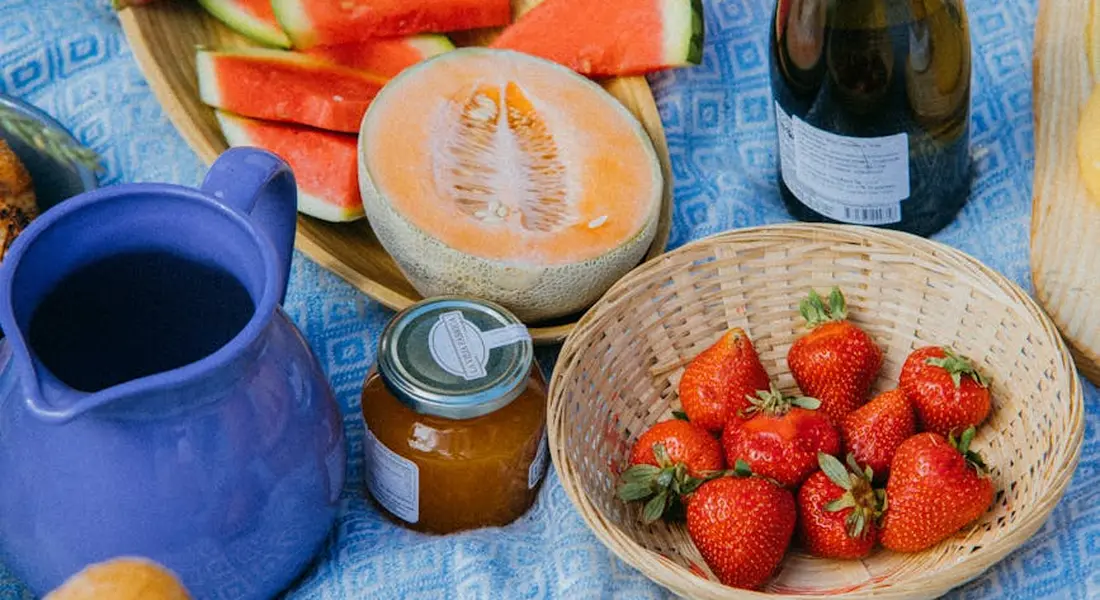
Fruits add a burst of flavor and fun to your guinea pig’s diet, but they should always be a special treat, not a daily staple. I learned this firsthand when my gentle guinea pig, Pepper, gained a bit too much weight after I got a little too generous with fruit snacks. For guinea pig-safe fruits, keep portions small and choose options like apple slices, berries, or melon. Always remove seeds and pits.
Safe Fruits for Occasional Feeding
Offering fruits like apple slices, strawberries, and blueberries can make your guinea pig’s day brighter. Always wash fruits thoroughly and remove any seeds or pits to keep your pet safe from toxins.
Apple Slices, Strawberries, Blueberries
These fruits are packed with vitamins and a sweet taste guinea pigs adore. Cut apples into thin, seedless slices to prevent choking, and serve strawberries and blueberries whole or halved for easy munching. My curious guinea pig, Biscuit, perks up at the sight of a tiny blueberry, but I limit it to once or twice a week.
- Apple slices: Rich in fiber, but high in sugar; offer a small piece weekly.
- Strawberries: Full of vitamin C; give one small berry per serving to avoid stomach upset.
- Blueberries: Antioxidant-rich; a single berry makes a perfect occasional treat.
Pear Slices and Other Options
Pears are another safe choice, along with fruits like melon or kiwi in tiny amounts. Remove pear seeds carefully, as they contain traces of cyanide that can harm small animals. My graceful Clover enjoys a thin pear slice now and then, but I pair it with her regular hay to balance her diet.
- Pear slices: Soft and hydrating; serve sparingly due to natural sugars.
- Other options: Try small bits of cantaloupe or peeled kiwi for variety, but always in moderation.
Why Moderation is Crucial
Too much fruit can lead to obesity, dental decay, or digestive issues in guinea pigs. Stick to small portions-like a thumbnail-sized piece-once or twice a week to maintain their health and energy. I noticed Pepper’s sluggishness fade when I cut back on fruits, reinforcing how vital balance is for their well-being.
Foods to Avoid for Guinea Pig Safety
Some common foods are dangerous for guinea pigs and should never be part of their meals. Protecting your pet means knowing what to steer clear of, from toxic veggies to inappropriate treats.
Common Household Foods That Are Harmful
Many foods we eat can cause serious health problems for guinea pigs. Always check ingredients before sharing, and when in doubt, skip it to keep your furry friend safe. With so many common myths about guinea pig diets, it’s easy to go wrong. This article covers the 10 biggest myths that could harm your pet and explains safer feeding practices.
Unsafe Vegetables and Fruits
Foods like onions, garlic, and avocado are toxic and can lead to organ damage or worse. Even a small amount of these can be life-threatening, so store them well out of reach. After a scare with Biscuit nibbling on a fallen onion skin, I now double-check my kitchen for hazards.
- Onions and garlic: Cause blood cell damage; avoid entirely.
- Avocado: Contains persin, which is poisonous to guinea pigs.
- Rhubarb: High in oxalic acid, leading to kidney issues.
Why Whimzees and Similar Items Are Risky
Whimzees and other pet treats designed for dogs or cats are not suitable for guinea pigs. These items often contain ingredients that can cause choking, blockages, or allergic reactions in small animals. I once considered giving Pepper a Whimzee for dental health, but research showed it could harm his delicate digestive system.
Recognizing and Preventing Diet-Related Issues
Watch for signs like diarrhea, weight loss, or lethargy, which can stem from poor diet choices. Prevent issues by offering a balanced diet of hay, fresh veggies, and limited fruits, and consult a vet if you notice changes. Regular weight checks and observing Clover’s bright eyes help me catch problems early and advocate for her long-term health.
Feeding Practices for a Happy Guinea Pig
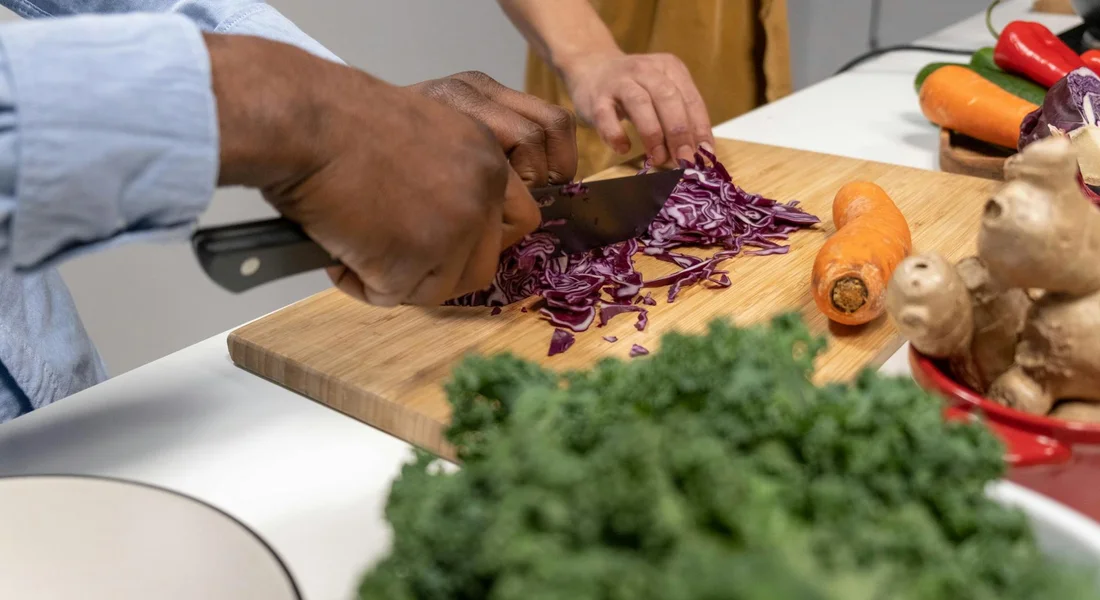
Creating a consistent and thoughtful feeding routine is one of the most rewarding parts of caring for a guinea pig. I’ve found that a predictable schedule not only keeps their digestion on track but also builds a beautiful bond of trust and anticipation. If your days are busy, these quick tips can help you stay on top of their care. Simple tricks like setting reminders and batching feeding into a couple of blocks can keep them thriving.
How to Introduce New Foods Safely
Guinea pigs have sensitive digestive systems that need time to adjust to new ingredients. Rushing this process is a common mistake that can lead to an upset stomach, so patience is your best tool. My pig, Biscuit, is particularly reserved, and I always introduce new items to him first in the quiet of the morning when he’s most curious.
Step-by-Step Introduction Process
- Start with a tiny piece, no larger than a thumbnail. This minimizes risk.
- Offer the new food in the morning. This gives you the whole day to watch for any changes in behavior or droppings.
- Feed only that one new food that day. Don’t mix in other new treats.
- Observe closely for 24 hours. Look for healthy, firm droppings and normal energy levels.
- If all is well, you can slowly increase the amount over the next week.
This slow and steady method has never failed me, even with my more cautious pigs like Clover. It turns trying a new food into a safe, positive experience for them.
Daily Routine and Portion Control
A structured daily routine provides security and prevents overfeeding. My trio, Pepper, Clover, and Biscuit, know the sound of the veggie drawer opening and always start “wheeking” with excitement.
Balancing Hay, Pellets, and Fresh Foods
Think of their diet as a food pyramid.
- Unlimited Timothy Hay (90% of their diet): This is the absolute foundation. It keeps their constantly growing teeth worn down and their gut moving properly. I refill their hay racks twice a day to ensure it’s always fresh and appealing.
- High-Quality Pellets (1/8 cup per pig daily): These are a supplement, not the main course. I use a plain, timothy hay-based pellet without colorful bits or seeds.
- Fresh Vegetables (about 1 cup per pig daily): This is for essential vitamins and enrichment.
Here is a simple guide for a daily cup of fresh food per guinea pig:
| Type | Examples | Frequency |
|---|---|---|
| Leafy Greens (Base) | Romaine lettuce, cilantro, green leaf lettuce | Daily |
| Vitamin C Heroes | Bell pepper (any color), kale, broccoli | Daily (a slice of pepper is perfect) |
| Occasional Treats | Carrot, apple (no seeds), strawberry | 2-3 times per week in small amounts |
Always remove any uneaten fresh food after a few hours to prevent spoilage and keep their habitat clean. This balance ensures your guinea pig gets all the nutrients they need without any digestive troubles.
What People Ask
Are star-shaped pellets good for guinea pigs?
Star-shaped pellets are not inherently better and often contain added sugars or colors. It is best to choose uniform, high-fiber, timothy hay-based pellets without artificial additives.
What is a simple list of safe vs. unsafe foods?
Safe daily staples include bell peppers, cucumber, and leafy greens like romaine lettuce. Always avoid toxic foods such as onions, garlic, and avocado, which can cause severe health issues.
What foods are the best source of essential nutrients?
Bell peppers are an excellent daily source of vital Vitamin C. High-quality grass hay provides the necessary long-strand fiber for healthy digestion and dental wear.
Which foods are low in calcium for adult guinea pigs?
Good low-calcium choices include cucumbers, zucchini, and cilantro. These help prevent the formation of painful bladder stones in adult pigs.
How should I use a guinea pig food chart?
A food chart helps you quickly identify daily staples, occasional treats, and foods to avoid. Use it as a reference to ensure a balanced and varied diet for your pet.
Your Guinea Pig’s Happy, Healthy Diet
Feed your guinea pigs a balanced diet built on unlimited grass hay, a daily cup of fresh vegetables, and a small, measured portion of fortified pellets. Always introduce new foods slowly and avoid anything sugary or from the onion family to keep their delicate digestive systems safe and sound. For more information on maintaining a healthy diet, check out our guide to a balanced diet for guinea pigs.
Being a great pet owner means committing to lifelong learning about your pets’ needs and making eco-conscious choices, like buying food in bulk or growing your own guinea pig-safe herbs. Your thoughtful care creates a thriving, joyful life for your furry friends and a healthier planet for all of us.
Further Reading & Sources
- FEEDING YOUR GUINEA PIG
- What To Feed a Guinea Pig | RSPCA – RSPCA – rspca.org.uk
- Feeding Guinea Pigs | VCA Animal Hospitals
- Guinea pig feeding schedule and dietary needs | Humane World for Animals
Kate is a passionate guinea pig owner and advocate for small pet welfare. With over a decade of experience caring for guinea pigs, she has become a trusted voice in the small pet community.
Uncategorized