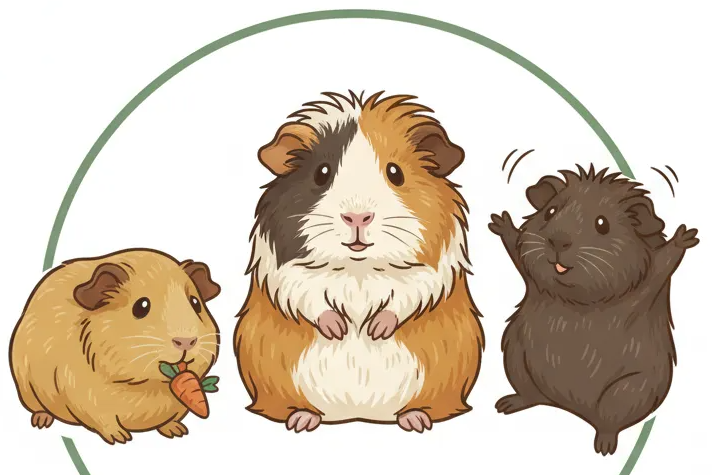
What Do Guinea Pig Noises and Behaviors Mean at Night?
Hello CavyFam, have you ever been woken up by mysterious squeaks or shuffling from your guinea pig’s cage and felt a pang of worry? Many pet owners like you wonder if these night-time sounds signal stress, happiness, or something that needs immediate attention.
In this article, we’ll explore essential topics to help you decode your pet’s after-dark language, including:
- Common night-time vocalizations and their meanings
- Frequent behaviors and what they reveal about your guinea pig’s mood
- Practical steps to ensure your cavy feels safe and content overnight
With years of hands-on experience raising guinea pigs like my own trio-Pepper, Clover, and Biscuit-I’ve gathered insights to guide you through understanding their unique ways.
Understanding Guinea Pig Nighttime Activity: Crepuscular Creatures
Guinea pigs are crepuscular animals, meaning they’re most active during dawn and dusk rather than fully nocturnal. This natural rhythm helps them avoid predators in the wild by staying alert when light is low. In my home, Pepper, Clover, and Biscuit often start rustling around as evening sets in, and I’ve learned this is when they feel safest to explore and socialize.
You might notice your guinea pigs munching on hay or rearranging their bedding more at night. Providing fresh food and quiet spaces supports their instinctual behaviors without disrupting their comfort. I always ensure their cage has enough hideouts because Biscuit, my Peruvian, gets anxious if he can’t retreat to a cozy spot after dark. Understanding their need for hideouts is crucial for their well-being.
- Offer hay and water before bedtime to encourage natural foraging.
- Keep their environment dimly lit to mimic twilight conditions.
- Avoid sudden loud noises that can startle them during active hours.
Decoding Common Nighttime Noises and Their Meanings
Guinea pigs use a variety of sounds to communicate, especially when they’re active at night. Learning these noises helps you respond to their needs and strengthen your bond with them. For new owners, a quick guide to interpreting common guinea pig sounds can help you get started. It covers the most common noises like wheeks, purrs, and chatter, and what they typically mean. From my experience with Pepper’s gentle wheeks to Clover’s thoughtful purrs, each sound tells a story about their mood or health.
- Wheeking: A high-pitched squeal often means excitement or hunger. Pepper makes this noise when he hears me rustle a veggie bag after dusk.
- Purring: A soft, vibrating sound usually signals contentment. Clover purrs softly while nestled in her bedding, showing she feels secure.
- Rumbling: A deeper noise can indicate dominance or mating behavior. Biscuit rumbles when he’s exploring, which I interpret as his reserved way of claiming space.
- Chutting: Short, quick clicks express curiosity or mild annoyance. I hear this when my guinea pigs investigate new toys in their cage at night.
Pay attention to changes in noise patterns, as they might signal stress or illness. Regularly checking on your pets during their active hours ensures you catch any issues early. I’ve found that a calm voice and gentle handling at night keep my guinea pigs relaxed and trusting.
Observing Common Nighttime Behaviors and Social Interactions
Your guinea pigs’ world truly comes alive after dark. I’ve spent many late nights with my trio, Pepper, Clover, and Biscuit, and their social dynamics are fascinating once the sun goes down. Wondering how to tell if your guinea pigs are happy? Look for relaxed bodies, gentle wheeks, and playful interactions. You’ll often hear a gentle symphony of soft “wheeking” as they communicate their contentment to each other.
One of the most heartwarming sights is social grooming. You might see one piggy gently nibbling or licking another’s ears or head, a clear sign of friendship and bonding. My steady Pepper often initiates this with the more reserved Biscuit, which seems to build trust between them.
- Gentle teeth chattering: A soft, rapid clicking sound. This is often a mild discussion about personal space, not a fight.
- Popcorning: A sudden, joyful leap into the air. My young Biscuit does this during his midnight zoomies, a burst of pure happiness.
- Nose-to-nose sniffing: A common greeting. I see my graceful Clover do this frequently to check in with her cage mates.
- Following each other: They often move around the cage in a loose, peaceful parade, exploring their environment together.
Recognizing and Responding to Signs of Distress or Fighting
Not all nighttime sounds are friendly. It’s vital to distinguish playful bickering from genuine distress, which requires your immediate attention. A sudden, high-pitched, sharp shriek is a universal cry for help and should never be ignored.
Aggressive behavior is unmistakable. You might see them facing off with heads raised, fur puffed up to look larger, and emitting a low, aggressive rumble. This is often accompanied by bared teeth and a stiff, tense posture. From my experience, this rumble sounds much deeper and more threatening than the gentle purr of contentment.
- Listen for intense, loud teeth chattering. This is a serious warning, not the mild version. It sounds angry and is often a prelude to a fight.
- Look for chasing and lunging. Playful chasing is loose and bouncy. Aggressive chasing is direct, fast, and aimed at biting.
- Check for physical harm. If you hear a scuffle, always do a quick visual check in the morning for any bites, scratches, or patches of missing fur.
- Be ready to separate them temporarily. Have a small, prepared carrier or a partitioned section of the cage ready if a serious fight breaks out to ensure everyone’s safety.
If you witness a fight, your intervention is needed. Never use your bare hands to separate them, as you could get badly bitten in the frenzy. I always keep a thick towel nearby to gently but firmly place between them to break their line of sight and de-escalate the situation. After a separation, always monitor their reintroduction closely to ensure their long-term welfare and harmony.
When Nighttime Noise Signals a Health Problem
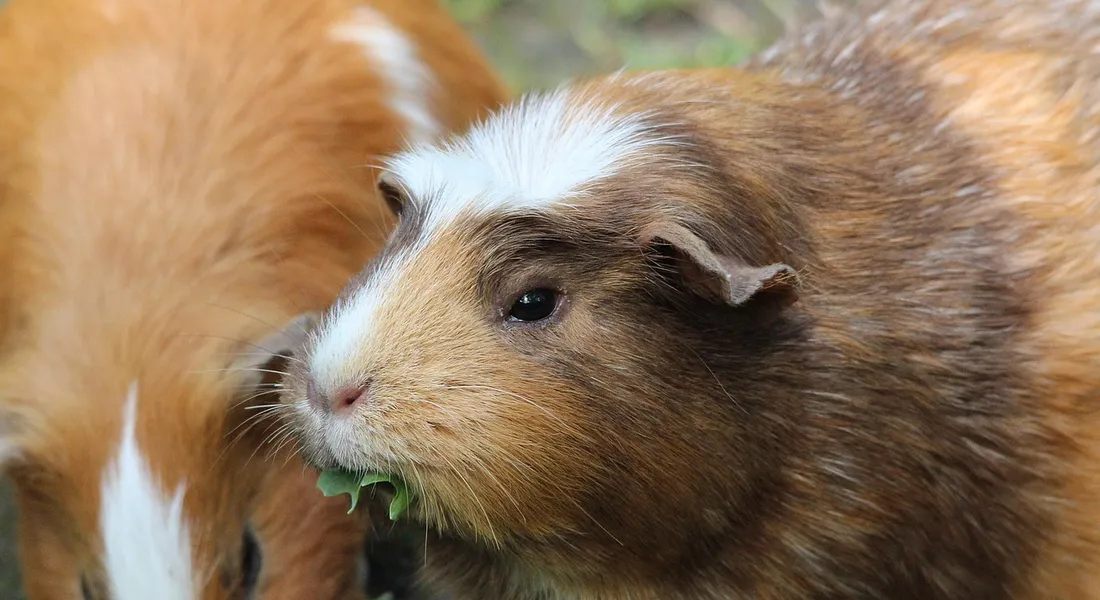
Guinea pigs often chatter and squeak at night, but some sounds can hint at health issues. I’ve learned this firsthand with my own guinea pigs, like when Clover’s usual gentle hums turned into sharp, repeated squeals. Pay close attention to any noise that sounds strained or out of character, as it could be your pet’s way of crying for help.
Common Worrisome Noises and What They Mean
Not all nighttime sounds are playful; some signal discomfort or illness. From my experience, here’s what to listen for:
- Wheezing or labored breathing: This often points to respiratory infections, which are common in guinea pigs. I noticed this with Biscuit once, and a vet visit confirmed it needed quick treatment.
- Excessive teeth grinding: If you hear constant grinding, it might indicate dental pain or digestive issues. Pepper did this when she had a minor stomach upset, and adjusting her diet helped.
- High-pitched, persistent squeaking: Unlike happy chirps, this can mean pain or stress. Clover made these noises when she had a small injury, and we addressed it with vet care.
Always trust your instincts—if a noise seems off, it’s better to check sooner rather than later to keep your guinea pig safe and healthy. Guinea pigs are sensitive to loud noises, so it’s important to ensure they are comfortable in their environment.
Steps to Take If You Suspect a Health Issue
If you hear something concerning, don’t panic. Follow these simple steps based on what I’ve done with my pets:
- Observe your guinea pig closely for other signs, like lethargy or loss of appetite.
- Check their living area for hazards, such as sharp objects or soiled bedding.
- Contact a vet experienced with small animals for advice or an appointment.
Quick action can prevent minor issues from becoming serious, and it shows your commitment to their well-being.
Creating a Calm and Quiet Environment for Nighttime
Guinea pigs thrive in peaceful settings, especially at night when they’re most active. I’ve found that a calm environment reduces stress noises and helps them sleep better. Setting up a cozy, quiet space mimics their natural instincts and supports overall health, helping to calm down and reduce stress in anxious guinea pigs.
Simple Adjustments for a Peaceful Cage
Small changes can make a big difference in how your guinea pig feels after dark. Here’s what works for me with Pepper, Clover, and Biscuit:
- Use soft, absorbent bedding like fleece liners to minimize rustling sounds and provide comfort.
- Place the cage in a low-traffic area away from TVs or loud appliances to reduce startling noises.
- Add hiding spots, such as small tunnels or huts, so they feel secure and less anxious.
A well-designed cage not only cuts down on noise but also encourages natural behaviors like exploring and resting.
Tips for Reducing Household Disturbances
Your home’s atmosphere plays a key role in your guinea pig’s nighttime routine. I keep things serene with these easy habits, including ensuring proper lighting at night:
- Dim the lights in the evening to signal that it’s time to wind down, which helps regulate their sleep cycles.
- Avoid sudden movements or loud conversations near their cage to prevent stress-induced vocalizations.
- Stick to a consistent feeding schedule so they don’t get hungry and noisy overnight.
By making these tweaks, you’ll create a haven that lets your guinea pig relax and enjoy the quiet hours.
FAQs
What should I do if my guinea pigs get wounded from a fight?
Separate the injured guinea pig immediately to prevent further harm and reduce stress. Gently clean any wounds with a saline solution and seek veterinary care for proper treatment and pain management. For health checks, handle your guinea pig calmly and securely—support the chest and hindquarters and use a towel if needed to prevent escapes. If possible, have a second person assist to reduce stress during handling.
Do guinea pigs fight more at certain times of the year?
Yes, hormonal changes during mating seasons can increase aggression, leading to more frequent fights. Ensuring a spacious cage and providing hiding spots helps minimize these seasonal conflicts.
Why does my guinea pig make sharp right-angle turns when running at night?
This behavior, often called zoomies, is a natural burst of energy and playfulness common in happy guinea pigs. It allows them to navigate their environment quickly and express excitement during active hours.
Your Guinea Pig’s Nighttime World Decoded
Listening closely to your guinea pig’s nighttime chatter and movements lets you respond to their needs, whether it’s a wheek for food or a purr of contentment. Creating a calm, predictable environment with cozy hideouts supports their natural rhythms and reduces anxiety after dark, especially since guinea pigs can be fearful of the dark.
As a guinea pig owner, I’ve found that staying curious about their care, from diet to habitat, deepens our bond and ensures their well-being. Choosing eco-friendly options, like biodegradable bedding for my trio Pepper, Clover, and Biscuit, helps safeguard their health and our shared environment for years to come. Proper care for guinea pigs is essential for their happiness and longevity.
Further Reading & Sources
- Guinea Pig Sounds and Noises: What Do They Mean? | Oxbow
- What Do Guinea Pig Noises Actually Mean? How to Interpret Their Adorable Sounds
- Guinea Pig Sounds Explained | What Your Pet Is Telling You
- Guinea Pig Sounds, Noises, and Body Language
Kate is a passionate guinea pig owner and advocate for small pet welfare. With over a decade of experience caring for guinea pigs, she has become a trusted voice in the small pet community.
Uncategorized