What Makes a Good Multi-Level Guinea Pig Cage? (Safety Tips)
Hello CavyFam! Choosing a multi-level cage for your guinea pigs can feel exciting, but it also brings worries about their safety and comfort. I’ve been there myself, watching my own curious herd explore new heights.
In this guide, I’ll walk you through the key features that create a secure and enriching home. We’ll cover essential safety considerations, proper ramp design, ideal cage materials, and smart space planning. Having raised guinea pigs like my gentle Pepper and graceful Clover for years, I’ve learned firsthand how to build a habitat where they can thrive.
Why a Multi-Level Guinea Pig Cage Can Be a Great Choice
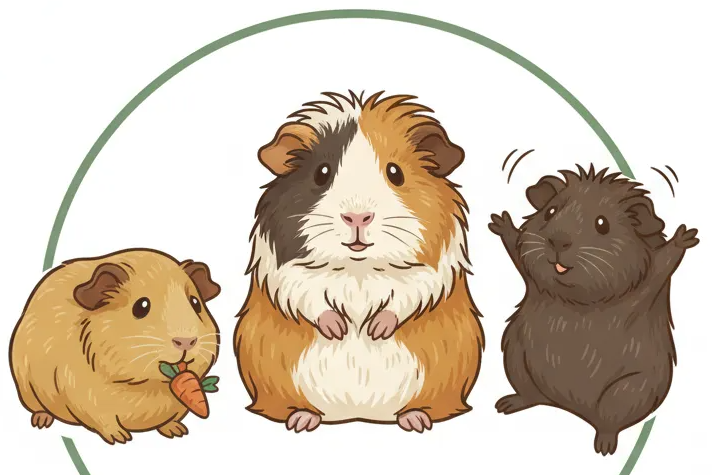
My three guinea pigs, Pepper, Clover, and Biscuit, transformed from floor-dwellers to active explorers once I introduced a multi-level cage. A well-designed multi-level setup uses vertical space brilliantly, giving your pets more room to run and play without consuming extra floor space in your home. This is especially valuable if you live in an apartment or have a smaller room.
Watching them navigate different levels provides vital mental stimulation. Adding ramps and platforms encourages natural behaviors like climbing and surveying their territory, which prevents boredom and promotes a happier, more active lifestyle. My Abyssinian, Clover, loves perching on the top platform to watch the world go by.
Multi-level cages also create distinct zones for different activities. You can dedicate one level for a cozy sleeping area with lots of hay and another for food and water, helping to keep their living space cleaner and more organized. I’ve found this separation makes spot-cleaning much easier throughout the week.
Essential Cage Dimensions and Layout for Guinea Pig Comfort
Never sacrifice floor space for height. The base level must meet the absolute minimum requirement of 7.5 square feet for one guinea pig, with at least 10.5 square feet for a pair, as recommended by veterinary and welfare experts. This is exactly the kind of guidance you’ll find in our complete space requirements guide for guinea pig cages. My C&C cage provides a generous 16-square-foot base, which my trio uses for their daily “popcorning” sessions.
A good layout feels open and accessible, not like a cramped tower. Ensure there are clear, wide pathways on each level so your guinea pigs can move freely without squeezing past each other or their hideys. Where you place the cage in your home matters as much as the inside layout. Choose a quiet, low-traffic spot away from drafts and direct sun, on a sturdy surface near daily activity so you can easily check on them. I always leave an open area on the main floor for their communal hay rack and food bowls.
Strategic placement of ramps is critical for flow. Position ramps so they don’t block access to food, water, or hideouts, creating a logical and stress-free traffic pattern for your pets. I made the mistake once of putting a ramp directly in front of a hidey, and poor Biscuit was too nervous to use either for days.
Solid Flooring: A Foundation for Healthy Feet
Wire or mesh flooring is a serious danger to guinea pigs and should be avoided entirely. Their delicate feet, known as “footpads,” are not designed for grating and are highly susceptible to a painful condition called bumblefoot. This is an infection that can become severe and requires veterinary treatment.
Every single level, platform, and ramp must have a solid, continuous surface. I line all my cage levels with a layer of absorbent bedding topped with soft fleece, which provides a comfortable and safe surface for them to walk and rest on. This setup is much kinder to their feet than any hard plastic alone.
For ramps, a solid surface is non-negotiable for safety. You can create a grippy surface on ramps by attaching a low-pile carpet, fleece, or even using a ramp with built-in treads to prevent slipping and potential falls. I sewed simple fleece sleeves for my ramps that I can easily remove and wash.
Platform Placement and Safe Heights
Guinea pigs are not natural climbers like some other small pets, so platform height is a major safety consideration. Keep all platforms relatively low to the level below; a fall of even a few inches can cause significant injury to their spine or limbs. My highest platform is only about 6 inches off the base.
The arrangement of platforms should create a gentle, stair-step effect. Avoid placing platforms directly over each other in a way that creates a long, unprotected drop; instead, stagger them to break up any potential fall zones. I always ensure there’s a hidey or a pile of hay underneath a higher platform to act as a soft barrier.
Ramp design is just as important as the platforms they connect. Choose or build ramps with gentle, gradual inclines and solid side rails to prevent your guinea pig from accidentally stepping or tumbling off the side. A steep ramp will discourage use and could lead to a panicked backward fall. This is a key point in a guinea pig safety guide for safe ramp use. Always supervise your pet when they climb ramps to prevent accidents.
Choosing Safe Construction Materials for Your Guinea Pig Cage
The materials your cage is made from directly impact your pet’s health and safety. I always look for sturdy, non-toxic materials that can withstand enthusiastic chewing and daily wear. My guinea pigs, especially Biscuit, love to test everything with their teeth.
Ventilation and Wire Spacing: Balancing Airflow and Security
Proper airflow prevents harmful ammonia from urine from building up, which is vital for their sensitive respiratory systems. Good ventilation is non-negotiable for preventing respiratory infections, a common issue in poorly designed cages. But the spacing between wires is just as critical.
- Wire spacing must be no wider than 1 inch to prevent heads or bodies from getting stuck.
- A solid plastic or metal base is essential to protect their delicate feet from painful bumblefoot.
- Opt for powder-coated or galvanized steel wire grids, as bare metal can rust and chip over time.
I learned this the hard way with an old cage where Pepper almost squeezed through a gap. Always run your hand over the wire grids to feel for any sharp edges or burrs that could cause injury.
Ramp Safety and Secure Access in Multi-Level Cages
Ramps are the highways of a multi-level home, but they can be dangerous if not designed correctly. My guinea pig Clover is graceful but hesitant, so I had to make her ramps as inviting and secure as possible. A fearful piggy might avoid using upper levels entirely.
Proper Ramp Installation and Angle
The angle of the ramp is the most important factor for safety and usability. A ramp that is too steep will terrify your guinea pigs and could lead to falls and injuries. You want a gentle, manageable incline. This also ties into our guinea pigs climb escape from their cage safety guide. It explains how a gentle ramp helps prevent escapes and reduces the risk of injuries.
- Aim for an angle no steeper than 30 degrees. The gentler, the better.
- Ensure the ramp is securely fastened at both the top and bottom to prevent wobbling or collapsing mid-climb.
- The ramp surface must have excellent traction. A smooth, slippery plastic ramp is an accident waiting to happen.
For my cage, I wrapped the ramps in fleece strips for grip. Adding low side rails can provide extra security and prevent your piggy from stumbling off the edge. Watch how your pets use the ramps; if they struggle, the setup needs adjusting.
Securing the Habitat: Lids, Latches, and Anti-Tip Measures
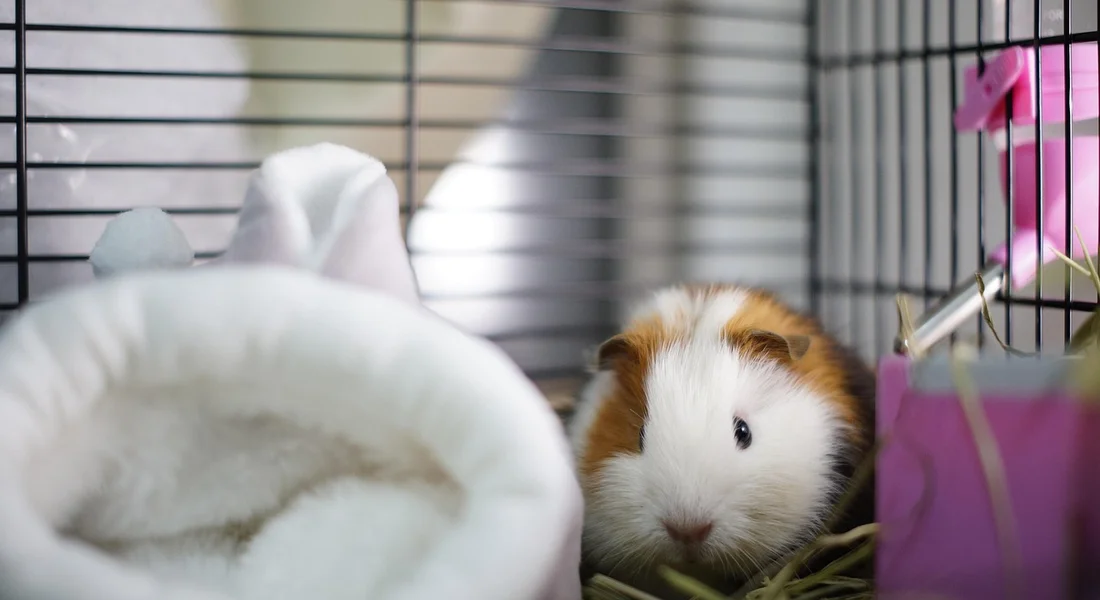
Keeping your guinea pigs safely inside their multi-level home starts with smart design choices. From my time with Pepper, Clover, and Biscuit, I’ve seen how a loose lid can lead to escape attempts, so always opt for cages with secure, lockable tops. For those following the best cage setup for a new guinea pig beginners guide, these first steps set the foundation. Look for sturdy latches that snap firmly into place—magnetic or sliding types work well, but test them yourself to ensure they can’t be nudged open by curious paws.
Anti-tip measures are a must, especially with ramps and platforms adding height. I stabilize my cage by placing it against a wall and using non-slip mats underneath to prevent shifting during playtime. For extra safety, consider anchoring the base with weights or brackets if your setup feels wobbly.
- Choose latches that require a deliberate action to open, like twist locks or double-bolt systems.
- Inspect ramps and levels for stability; wobbling can stress your pets and lead to falls.
- Use corner guards or padding on sharp edges to protect against injuries during energetic moments.
Guinea pigs, like my gentle Pepper, thrive in environments where they feel secure, so double-check all connections weekly. Animal welfare means prioritizing their comfort by eliminating any risks from an unsteady or poorly sealed habitat.
Routine Safety Checks and Cage Maintenance
Establishing a Safe Cleaning Routine
A consistent cleaning schedule keeps your guinea pigs healthy and reduces stress. I clean my cage every three days, using a mix of vinegar and water for a non-toxic scrub that’s safe for Biscuit’s sensitive nose. If you’re looking for a complete schedule guide on how often to clean a guinea pig cage, a simple framework is spot-clean daily, a full cage refresh every 3 days, and a deeper clean weekly. This approach helps keep odors down and your pets healthy. Always move your pets to a temporary, cozy spot-like a playpen-to avoid exposing them to cleaning fumes or disruptions.
- Remove all bedding and waste, disposing of it in a sealed bag to control odors.
- Wipe down surfaces with a damp cloth and eco-friendly cleaner, avoiding harsh chemicals.
- Allow the cage to air dry completely before adding fresh bedding and returning your guinea pigs.
This routine not only maintains hygiene but also lets you spot potential hazards early. Regular cleaning helps you notice wear on ramps or loose parts before they become dangerous.
Inspecting and Maintaining Cage Accessories
Accessories like ramps, hideouts, and toys need regular attention to stay safe. After Clover’s graceful leaps, I check her wooden platforms for splinters weekly to prevent cuts or infections. Look for signs of chewing or damage, as guinea pigs naturally gnaw to keep their teeth trim.
- Examine ramps for secure attachments and non-slip surfaces to prevent slips.
- Test hideouts for stability; wobbly structures can scare or injure your pets.
- Rotate toys to keep things interesting and inspect them for broken pieces that could be swallowed.
Maintaining these items extends their life and supports your guinea pigs’ well-being. Essential accessories for a guinea pig cage are more than just extras—they provide safety and enrichment. I replace worn-out accessories promptly, as a safe cage is key to a happy, active life for pets like my intelligent Biscuit.
FAQs
How should you position a cage to prevent injuries?
Place the cage in a quiet, draft-free area away from direct sunlight and heavy foot traffic. Ensure it is on a stable, level surface to avoid tipping and keep it away from other pets or hazards.
What safety checks should you perform before placing a cage in a room?
Inspect the room for potential dangers like electrical cords, toxic plants, or small gaps where pets could get stuck. Check that the cage is assembled correctly with no sharp edges or loose parts that could cause harm.
What common hazards inside or around a cage should you remove?
Remove any small objects, plastic bags, or strings that guinea pigs might chew or swallow. Keep the area clear of household chemicals, open windows, or other pets that could stress or injure them. This is part of our guinea pigs chew safely complete guide. It also covers safe chew toys and how to supervise nibbling to prevent injury.
How can you transport a cage safely for travel?
Secure the cage in a vehicle using seat belts or straps to prevent movement during transit. Ensure the cage is well-ventilated and that your guinea pigs have access to water and a familiar hideout to reduce stress. This is part of the ultimate guide to traveling safely with your guinea pig, outlining essential steps to keep them comfortable and secure on the road.
How often should you clean and sanitize a cage to maintain safety?
Perform a full cage cleaning at least once a week to remove waste and prevent odor buildup. Daily spot cleaning of soiled areas helps maintain a healthy environment and reduces the risk of infections.
Your Guinea Pigs’ Happy, Healthy Home Awaits
Ultimately, a great multi-level cage prioritizes safe ramps, secure platforms, and enough room for all your pets to eat, sleep, and popcorn with joy. Providing this thoughtful habitat is one of the most rewarding parts of being a guinea pig owner. To build the set-up for a perfect guinea pig cage, plan sturdy ramps, secure platforms, and ample space from the start. These design choices help ensure safety and comfort.
Responsible pet ownership is a wonderful, ongoing journey of learning and adapting to your pets’ needs. Continue exploring eco-friendly care options, like safe, untreated wood chews and paper-based bedding, to make their world-and ours-a little better.
Further Reading & Sources
- C&C Guinea Pig Cages | Two Level Cages | Guinea Pig Habitat – Guinea Pig Cage Company
- C&C Deluxe Multi, Two-Level Cages for Guinea Pigs
- Amazon.com: Elevated Guinea Pig Cage
- Guinea Pig multi level cage? : r/guineapigs
Kate is a passionate guinea pig owner and advocate for small pet welfare. With over a decade of experience caring for guinea pigs, she has become a trusted voice in the small pet community.
Uncategorized