Can Guinea Pigs Live in a Garage or Shed? Safety Considerations
Hello CavyFam! You might be considering a garage or shed for your guinea pigs’ home to free up indoor space. It’s natural to worry about their safety and comfort in such environments.
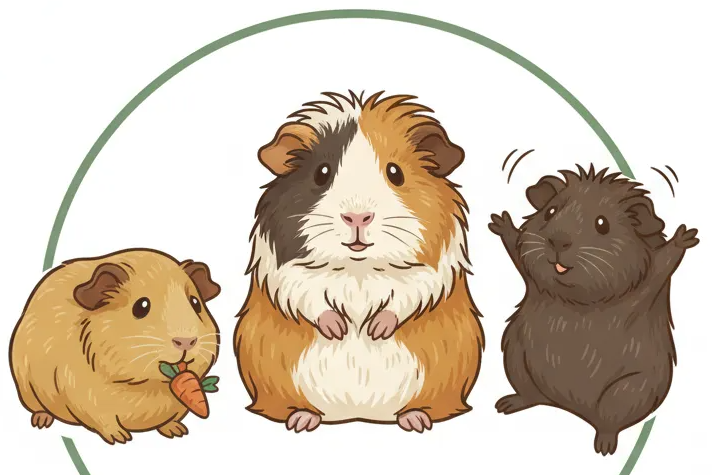
In this guide, we’ll explore key areas like temperature regulation, proper ventilation, security from predators, and adequate space setup. I’ve raised guinea pigs for years, including my own-Pepper, Clover, and Biscuit-so I’ll share practical advice from my hands-on experience.
Essential Safety Considerations for Garage or Shed Housing
Ventilation and Air Quality
Garages and sheds often trap stale air filled with dust and fumes. My guinea pig, Biscuit, once started sneezing after I stored some cardboard boxes near her temporary enclosure. Proper airflow is non-negotiable for their delicate respiratory systems, which are easily irritated by poor air quality. You must ensure a constant supply of fresh air without creating a cold draft directly on their habitat.
An open window with a secure screen works well during mild weather. I also use a small, quiet fan positioned to circulate air in the room without blowing directly on the cage. Never house them where cars are parked or chemicals are stored, as lingering fumes can cause serious health issues.
Temperature and Humidity Control
Guinea pigs cannot regulate their body temperature well. My garage can swing from a chilly 50°F at night to over 85°F on a sunny afternoon, which is dangerous. To meet their guinea pig temperature heating needs, provide a stable, warm environment. Use safe, approved heating or insulation to keep the enclosure within the ideal range. You must maintain a stable environment between 65°F and 75°F (18°C-24°C) to keep them healthy and stress-free. Extreme heat can cause heatstroke, while cold can lead to hypothermia.
I rely on a combination of tools to manage this. A digital thermometer with a humidity gauge is my first line of defense. In winter, a ceramic heat emitter provides warmth without light, and in summer, a portable air conditioner or a well-placed fan prevents overheating. Always check the enclosure multiple times a day, as conditions can change rapidly.
Protection from Predators and Pests
Outbuildings are not naturally secure. I once found evidence of a mouse trying to get into my shed where I was storing hay. Your guinea pigs’ home must be a fortress, protecting them from both outside threats and curious insects or rodents. Even the scent of a predator can cause immense stress. It’s essential to ensure that your guinea pigs’ living area is safe and secure.
- Use a cage with a solid, lockable lid, not just a wire top.
- Seal any gaps or holes in the garage or shed walls with steel wool or hardware cloth.
- Store all food in airtight, chew-proof containers to avoid attracting pests.
- Consider placing the cage on a raised table to add an extra barrier.
Avoiding Toxic Exposures
This is perhaps the greatest hidden danger. Garages are full of hazards you might not think about. Common items like antifreeze, paint, pesticides, and even some cleaning supplies release volatile organic compounds (VOCs) that are toxic to small animals. My rule is simple: if it has a strong smell, it doesn’t belong in the same space as my pets.
Create a dedicated, sealed-off corner for your guinea pigs, far from storage areas. Always check that any wood, bedding, or hutches you use have not been treated with harmful chemicals or preservatives. When in doubt, opt for untreated, kiln-dried pine or aspen bedding instead of cedar, which contains phenols that can damage their liver and respiratory tract. Learn more about safe bedding options.
Setting Up a Safe and Comfortable Enclosure
Bedding and Flooring Choices
Choosing the right bedding is crucial for your guinea pigs’ health and comfort, especially in a garage or shed where drafts and moisture can be issues. I always use paper-based bedding for my trio—Pepper, Clover, and Biscuit—because it’s soft, absorbent, and reduces dust that can irritate their sensitive respiratory systems. Avoid cedar or pine shavings, as the oils can harm their lungs; instead, opt for fleece liners or aspen wood shavings if you prefer natural materials.
- Paper-based bedding: Highly absorbent and low-dust, perfect for odor control.
- Fleece liners: Reusable and cozy, but require frequent washing to stay dry.
- Aspen shavings: A safe wood option that provides good insulation.
For flooring, ensure it’s solid and easy to clean, like vinyl or sealed concrete, to prevent dampness. In my setup, I layer bedding thickly to cushion their feet and spot-clean daily to keep things fresh and dry. This simple step prevents sores and keeps your pets happy in their outdoor-style home.
Lighting and Sunlight Access
Guinea pigs thrive with natural light cycles, so positioning their enclosure near a window in a garage or shed helps regulate their sleep and activity. I’ve noticed Biscuit, my Peruvian, becomes more active when she gets gentle morning sun, but direct heat can overheat them quickly. Use sheer curtains to filter intense rays and provide 12-14 hours of light daily with a simple LED bulb if natural light is limited.
- Place enclosures away from direct sunlight to avoid temperature spikes.
- Supplement with artificial lights on a timer for consistency.
- Monitor for signs of stress, like hiding or reduced eating, and adjust lighting as needed.
Regularly check that the space isn’t too dim, as poor light can lead to lethargy. A well-lit area encourages natural behaviors, like exploring and socializing, which I see with Clover and Pepper during their playtimes.
Daily Care and Monitoring in a Garage or Shed
Sanitation and Odor Management
Keeping a garage or shed clean is essential to prevent odors and health risks like mold or pests. I do a full cage clean once a week for my guinea pigs, but in an outdoor space, I increase spot-cleaning to every other day to tackle messes fast. Use a pet-safe disinfectant and ventilate the area well to reduce ammonia buildup from urine. Learn more about proper guinea pig hygiene to keep your pets healthy and comfortable.
- Remove soiled bedding daily to minimize smells.
- Wipe down surfaces with vinegar solution-it’s eco-friendly and effective.
- Place a dehumidifier nearby in damp climates to control moisture.
Odors can stress your pets, so I always check for damp spots under bedding where mold might hide. Fresh air circulation is key; I crack a window or use a fan to keep the environment pleasant for Pepper’s gentle nature and overall well-being.
Food, Water, and Enrichment
In a garage or shed, food and water can spoil faster due to temperature changes, so monitor them closely. I refill water bottles twice a day for Clover and Biscuit, using ceramic bowls to prevent tipping and ensure they stay hydrated. Offer fresh hay, like timothy or orchard grass, as the main diet, and add veggies like bell peppers or leafy greens for variety.
- Store food in airtight containers to keep it dry and pest-free.
- Provide hideouts and tunnels for mental stimulation-my guinea pigs love cardboard boxes.
- Rotate toys weekly to prevent boredom, such as chew sticks or puzzle feeders.
Enrichment reduces stress in isolated spaces; I often scatter treats for foraging to mimic their natural habits. Watching my guinea pigs interact with new toys reminds me how small changes boost their happiness and health in any setting, especially when they are engaged with boredom busting activities.
Alternatives to Garage or Shed Housing
Garages and sheds often present more problems than solutions for guinea pig care. Creating a safe, dedicated indoor space is almost always the superior choice for their long-term health and happiness. To prepare your home for your guinea pig’s entire lifespan, set up a flexible, escape-proof indoor space with room to roam. I learned this firsthand after a close call with Pepper one chilly evening, realizing that what’s convenient for me isn’t always safe for them.
Bringing the Herd Inside Your Home
Housing your guinea pigs inside your main living area offers the best of all worlds. You can easily monitor their health, interact with them frequently, and ensure they are part of the family. This is especially beneficial when you carefully consider the placement of their cage.
- Spare Room or Quiet Corner: A low-traffic area away from direct sunlight and loud noises provides a perfect sanctuary.
- Large C&C (Cubes & Coroplast) Cages: These customizable cages offer ample space for zoomies and are my top recommendation for any indoor setup.
- An Office or Den: Having them in a room where you spend quiet time allows for bonding without the chaos of a living room.
My three pigs, Pepper, Clover, and Biscuit, thrive in their C&C cage in my home office, where their gentle wheeks provide the best background noise for my work.
Climate-Controlled Basements or Sunrooms
If you need a separate space but still want climate control, these areas can be excellent compromises.
- Ensure the space is consistently between 65°F and 75°F (18°C – 24°C).
- Check for drafts from windows or doors and seal them if necessary.
- Provide plenty of artificial light if natural light is limited, following a regular day/night cycle.
A stable environment prevents the respiratory infections and heat stress that garages frequently cause. I always keep a digital thermometer in their cage to double-check the temperature daily.
Secure, Insulated Outdoor Hutches (For Mild Climates Only)
For those in very temperate regions, a high-quality outdoor hutch is a possibility, but it requires extreme diligence.
- Purchase a Predator-Proof Hutch: It must have a solid, lockable roof and strong wire mesh to protect from cats, raccoons, and birds of prey.
- Prioritize Insulation: The hutch should have insulated walls and a waterproof roof to buffer against minor temperature swings.
- Plan for Relocation: You must have a pre-planned indoor space ready for them during rain, wind, or any temperature extremes.
This option demands a significant daily commitment to their safety and should not be considered a low-maintenance solution. I tried this briefly with Clover and found the constant worry was not worth the minor convenience.
FAQs
What is the safe temperature range for guinea pigs in Celsius?
Guinea pigs need a stable environment between 18°C and 24°C to avoid health issues. This is the ideal temperature range for guinea pigs. Sticking to this range supports their comfort and health. Always use a thermometer to monitor and adjust with heating or cooling tools as needed.
How can I ensure timber used in enclosures is safe for guinea pigs?
Stick to untreated, kiln-dried woods like pine or aspen, as they lack harmful chemicals. Avoid cedar shavings, which can irritate their respiratory systems and cause long-term damage.
What steps are needed for safety proofing a garage for guinea pigs?
Start by removing toxic items and sealing gaps to block pests and drafts. Then, secure the enclosure with lockable lids and check for hazards like sharp edges or exposed wires.
How do I keep guinea pigs warm in winter temperatures?
Use ceramic heat emitters for safe, light-free warmth and add extra bedding for insulation. Regularly check for cold drafts and adjust heating to maintain a consistent, cozy environment.
Are indoor temperatures different for guinea pigs compared to garages?
Indoor spaces should stay within 65°F to 75°F, similar to garages, but avoid direct airflow from vents. Focus on consistency to reduce stress and prevent sudden temperature swings.
Guinea Pig Safety: A Loving Choice
After years with my guinea pigs Pepper, Clover, and Biscuit, I’ve seen how garages and sheds pose serious risks from temperature swings and poor air quality. Stick to a stable indoor area to ensure their comfort and prevent health issues.
Responsible ownership means always seeking better ways to care for your pets while being kind to the environment. Explore sustainable habits, like using biodegradable bedding, to make a positive impact on their world and ours.
Further Reading & Sources
- The ideal home for your guinea pigs – PDSA
- Guinea pig housing requirements and bedding options | Humane World …
- Guinea pigs in garage–Is it possible?: guinea_pigs – LiveJournal
- Keeping Guinea Pigs In A Garage? | The Guinea Pig Forum
Kate is a passionate guinea pig owner and advocate for small pet welfare. With over a decade of experience caring for guinea pigs, she has become a trusted voice in the small pet community.
Uncategorized