When Can Baby Guinea Pigs Leave Their Mother?
Published on: January 5, 2026 | Last Updated: January 5, 2026
Written By: Kate M. Callahan
Hello CavyFam! Bringing home a new baby guinea pig is a thrilling experience, but it’s natural to worry about the right time to separate them from their mom. Getting this timing wrong can affect their health and happiness for life.
In this guide, I’ll walk you through the key topics: the ideal weaning age, signs your pup is ready for independence, the safest separation process, and essential care tips for their first weeks in your home.
Having raised my own cavies like gentle Pepper and graceful Clover, I’ve guided many pups through this important transition.
The Natural Weaning Timeline for Baby Guinea Pigs
Birth to 3 Weeks: Early Development and Nursing
Baby guinea pigs, or pups, are surprisingly independent from day one. They are born fully furred with their eyes open and can even nibble on solid food within hours. Despite this, their primary nutrition for the first three weeks comes from their mother’s milk. Nursing is a crucial part of the guinea pig reproductive cycle, delivering antibodies and nutrients through the mother’s milk. Even as they nibble solids, the pups rely on nursing during these early weeks for growth and immunity.
I remember watching my guinea pig, Pepper, nurse her litter. This milk provides essential antibodies and a concentrated source of fat and protein they can’t get from hay alone. You’ll notice the pups nursing frequently, but they will also be curiously sampling the hay and pellets in the cage alongside their mom.
3 to 4 Weeks: Transition to Independence
This week marks a significant turning point. The pups’ reliance on their mother’s milk decreases dramatically as their digestive systems mature to handle more roughage. You will see them spending much more time munching on timothy hay and devouring fresh vegetables.
From my experience with Clover’s litter, this is when their individual personalities really start to shine. This natural reduction in nursing is the first major step toward a successful separation. They are learning vital social and dietary skills from their mother and siblings during this period.
4 to 6 Weeks: Full Weaning and Readiness
By the fifth week, most pups are considered fully weaned. Their diet should now consist almost entirely of hay, high-quality pellets, and a variety of fresh veggies. They are no longer nutritionally dependent on their mother.
My little Biscuit was confidently eating cucumber and bell pepper strips well before he was six weeks old. Waiting until at least this 4-6 week mark ensures the pups have a robust gut microbiome and are physically sturdy enough to thrive on their own. This patience pays off in a healthier, more resilient young guinea pig.
Recognizing Signs Your Baby Guinea Pig Is Ready for Separation
Behavioral Indicators of Independence
Watch how the pup interacts with its environment and family. A ready pup will confidently explore the cage, often venturing away from its mother to eat, drink, and play. It will show curiosity about new toys and hideouts.
You’ll also notice a change in social dynamics. If the pup is spending most of its time with siblings, popcorning around the cage, and only occasionally seeking comfort from mom, it’s demonstrating strong social independence. This is a very positive sign they are preparing for life in a new herd.
Physical Milestones for Weaning
Physical readiness is just as important as behavioral cues. The most critical milestone is consistent, healthy weight gain from eating solid food, not milk. A good rule of thumb is that a pup should weigh at least 180-200 grams before considering separation.
- Consistently eating hay and pellets throughout the day.
- Drinking water independently from a bottle.
- Having a rounded, full belly from solid food, not nursing.
- Teeth are fully developed and able to grind tough hay effectively.
Checking for these physical signs helps guarantee the pup won’t experience a growth setback or health decline after leaving its mother. It’s the final confirmation they are ready for their next big adventure.
Risks and Health Concerns with Early Separation
Common Health Problems from Premature Weaning
When baby guinea pigs leave their mother too soon, they miss out on vital nutrients from her milk. This can weaken their immune systems, making them prone to infections and illnesses. I’ve seen this firsthand with Clover, who struggled with digestive upsets after early weaning.
- Digestive issues like diarrhea or bloating from incomplete gut development.
- Malnutrition leading to stunted growth or weight loss.
- Higher susceptibility to respiratory infections due to underdeveloped defenses.
Without proper weaning, babies might not learn to eat hay and pellets effectively. This nutritional gap can cause long-term health setbacks that are tough to correct.
Behavioral Impacts of Early Separation
Early separation often leads to anxiety and stress in young guinea pigs. They miss crucial social lessons from their mother and siblings, which can result in fearful or aggressive behaviors. My guinea pig Biscuit, for instance, was very reserved and took longer to trust people after being separated early.
- Increased vocalizations or hiding due to insecurity.
- Difficulty bonding with other guinea pigs or humans.
- Potential for repetitive behaviors like over-grooming from stress.
Supporting natural weaning helps them develop confidence. A well-socialized baby is more likely to thrive in a new environment.
Preparing for a Smooth Transition to a New Home
Essential Supplies for Baby Guinea Pigs
Gathering the right supplies ahead of time ensures your new pet feels comfortable and cared for. Having everything ready reduces stress for both you and your guinea pig during the move. From my experience with Pepper, a well-stocked setup made her adjustment much easier.
- A spacious cage or enclosure with solid flooring to prevent injuries.
- High-quality hay, such as timothy hay, for digestion and chewing.
- Fresh water in a drip-proof bottle to keep them hydrated.
- Soft bedding like paper-based or aspen shavings for comfort.
- Hideouts and tunnels to provide security and enrichment.
Don’t forget vitamin C-rich pellets and fresh veggies. Proper nutrition from day one supports their rapid growth and overall health.
Setting Up a Safe and Cozy Enclosure
Creating a welcoming space helps baby guinea pigs feel secure in their new home. Start by placing the enclosure in a quiet, low-traffic area to minimize stress. I always set up multiple hideouts for my guinea pigs, like Clover, who loves having options to retreat. When you build the setup, aim for a perfect guinea pig cage that’s roomy, easy to clean, and well-ventilated. That foundation helps them settle in and stay healthy.
- Lay down a thick layer of absorbent bedding to keep it dry and cozy.
- Arrange hideaways and chew toys to encourage natural behaviors.
- Ensure good ventilation and stable temperatures away from drafts.
- Add food and water stations in accessible spots for easy feeding.
Check for sharp edges or small gaps where they could get stuck. A safe setup not only prevents accidents but also helps them settle in faster.
Health Checks and Veterinary Care for New Arrivals
What to Expect During a Vet Visit
Bringing your new baby guinea pig to the vet early on sets them up for a healthy start. I always schedule a check-up within the first week of bringing a pup home, just like I did with Biscuit, to catch any hidden issues. This is exactly the kind of step you’ll follow when you guide your new guinea pig’s first veterinary check-up. In our guide, we’ll explain what to bring and what questions to ask, so you feel prepared. The vet will perform a thorough physical exam, checking everything from nose to tail. They look for signs of respiratory problems, inspect teeth for proper alignment, and feel for lumps or abnormalities. Weight is a big focus too, as sudden changes can signal health troubles.
Expect the vet to discuss diet, habitat, and general care tailored to young guinea pigs. During Clover’s first visit, the vet emphasized monitoring her water intake and providing unlimited hay, which made a huge difference in her energy levels. They might recommend fecal tests to check for parasites, common in young animals. Vaccinations aren’t typically needed for guinea pigs, but your vet will advise on preventive care based on local risks. Regular vet visits are an important part of a complete care schedule for guinea pigs. Your vet can help you plan routine checkups, dental care, and preventive screenings.
- Physical examination of eyes, ears, and skin
- Weight and growth assessment
- Dental check for overgrown teeth
- Discussion of diet and habitat needs
Be prepared to share your guinea pig’s history, like age and any behaviors you’ve noticed. This proactive approach helps ensure your pup grows strong and avoids common ailments like scurvy or mites. Consider questions to ask a potential guinea pig veterinarian. For example, inquire about their experience with dental care and nutrition, and how they handle emergencies. Ask questions about anything unusual—vets appreciate engaged owners who prioritize their pet’s well-being.
Social and Housing Needs for Baby Guinea Pigs
Companionship and Socialization Tips
Baby guinea pigs thrive on social interaction and can get lonely if kept alone. From my experience with Pepper and Clover, pairing them early reduced stress and encouraged natural behaviors like grooming and playing. Introduce new companions gradually in a neutral space to prevent fights. Supervise their first meetings and watch for positive signs like gentle nuzzling or shared exploration. Avoid housing them with larger, aggressive animals to prevent injuries.
Spend time daily handling your pups to build trust. Gentle, consistent handling helps them feel secure, much like how Biscuit became more outgoing with regular, calm interactions. Use soft voices and offer treats to create positive associations. Socialization isn’t just about other guinea pigs-it includes getting them used to human presence and household sounds.
- Pair with same-sex companions to prevent breeding
- Use neutral areas for introductions
- Handle them gently for short periods daily
- Provide hiding spots for retreat if scared
Observe their interactions closely at first. If you notice bullying or excessive hiding, separate them and try reintroducing slowly over days. This careful approach supports their emotional health and prevents long-term anxiety.
Ideal Housing Setup for Young Pups
Creating a safe, spacious environment is key for baby guinea pigs’ growth and happiness. I use a large, solid-bottom cage for my trio, with plenty of room for running—this mimics their natural need to roam and prevents boredom. This topic is part of a complete space requirements guide on how large a guinea pig cage should be. It explains per-pig space targets, how multiple pigs share a cage, and how to calculate the total cage area. Aim for at least 7.5 square feet per pig, but bigger is always better. Line the cage with absorbent, dust-free bedding like paper-based products to protect their delicate respiratory systems.
Include multiple hideouts and tunnels for security. Young pups like Biscuit often feel safer with cozy spots to retreat to, which reduces stress during adjustment periods. Add chew toys made from safe woods to keep their teeth healthy, and ensure fresh hay is always available. Place food and water in accessible areas to encourage easy feeding.
- Choose a spacious cage with solid flooring
- Use soft, absorbent bedding changed weekly
- Add hideouts, tunnels, and chew toys
- Position food and water stations for easy access
Keep the habitat in a quiet, draft-free part of your home. Regular cleaning prevents odors and health issues, making the space inviting and hygienic for your growing pups. Monitor the setup as they grow, adjusting items to suit their changing needs and activity levels.
Responsible Adoption and Breeding Practices
Choosing the Right Time to Adopt
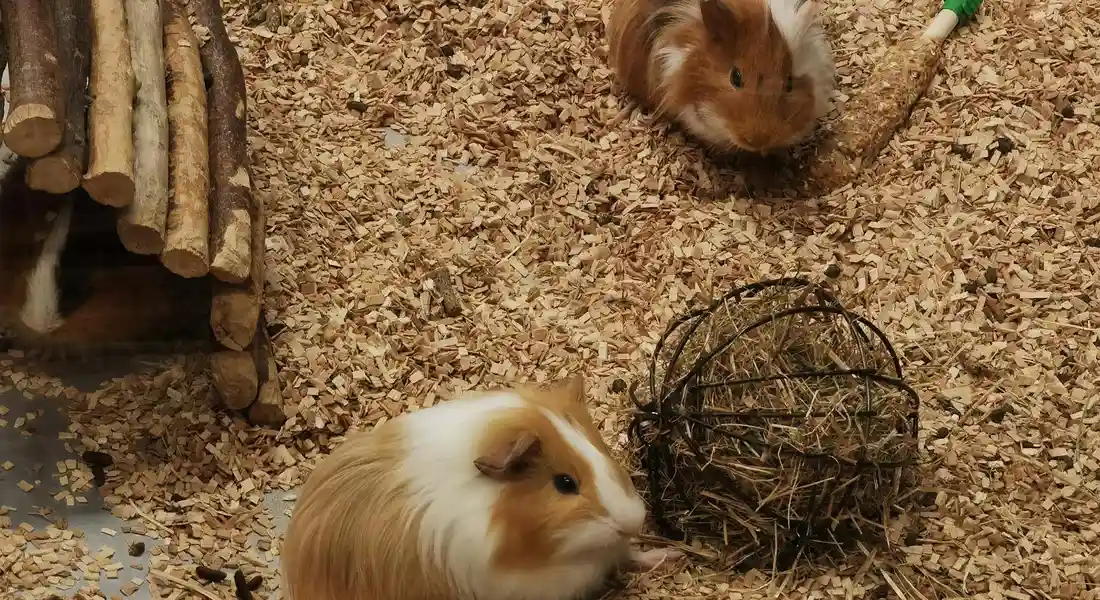
I’ve learned through raising my own guinea pigs like Pepper, Clover, and Biscuit that timing is everything. The absolute earliest a baby guinea pig should leave its mother is three weeks old, but waiting until four or even five weeks is significantly better for their long-term health. This extra time allows them to fully wean and learn vital social behaviors from their mother and siblings. You can read more about what to expect in each stage of a guinea pig’s life to better understand their needs.
Adopting a pup before this critical period can lead to serious health and behavioral issues. Separating them too early often results in weaker immune systems and difficulty socializing with other guinea pigs later in life. I made sure Biscuit stayed with his littermates for a full four weeks, and his confident, intelligent nature today shows it was the right choice.
Watch for these key developmental milestones before considering adoption:
- Eating solid food like hay and pellets consistently
- Drinking confidently from a water bottle
- Running and popcorning (those happy little jumps) with steady coordination
- Weighing a stable, healthy amount for their age and breed
Supporting Ethical Guinea Pig Care
Responsible adoption is the cornerstone of good guinea pig welfare. Always prioritize adopting from reputable rescues or shelters over purchasing from pet stores, which often source from large-scale breeding mills. My gentle Pepper was a rescue, and giving her a safe home was one of the most rewarding decisions I’ve made. If you’re fostering, plan a proper rehome with the rescue to ensure a smooth transition to a forever home.
If you must seek a breeder, do your homework thoroughly. A responsible, ethical breeder will always prioritize the animals’ health and will never separate a baby from its mother before three weeks of age. They should welcome your questions, provide clean and spacious living conditions, and have a clear history of their breeding practices.
Ethical care extends beyond the initial adoption. Be prepared to provide:
- A spacious cage, significantly larger than the minimum often advertised
- Unlimited access to fresh timothy hay and clean water
- Daily servings of vitamin C-rich vegetables
- Lifelong companionship, as guinea pigs are highly social and should never live alone
Supporting these practices helps combat overpopulation and ensures every guinea pig, like my graceful Clover, has the chance at a healthy, happy life.
FAQs
What does “guinea pig” mean?
A guinea pig is a small domesticated rodent often kept as a pet or used in scientific research. In everyday language, it can also refer to a person who tests something new.
What is the slang meaning of “guinea pig”?
In slang, “guinea pig” means a person used as a test subject for experiments or untried ideas. This term highlights their role in trying out new products or procedures first.
What is the spiritual meaning of “guinea pig”?
Spiritually, guinea pigs can symbolize sacrifice, curiosity, or serving as a vessel for healing in some cultural beliefs. They may represent innocence and the idea of giving for the greater good in symbolic interpretations. In guinea pig ownership, this translates to emotional commitment—consistent care, gentle handling, and daily bonding. Owners learn patience and empathy as they meet their piggies’ needs.
What does “guinea pig” mean in Hindi?
In Hindi, “guinea pig” is commonly called “गिनी पिग” and refers to the same small pet rodent or experimental animal. The term is directly borrowed from English due to its non-native origin in India.
What is a synonym for “guinea pig”?
A synonym for guinea pig is “cavy,” which comes from their scientific family name Caviidae. In experimental contexts, “test subject” or “lab animal” can also be used interchangeably.
Guiding Your Guinea Pig’s Journey
From my time raising Pepper, Clover, and Biscuit, I’ve seen that baby guinea pigs thrive best when kept with their mother until at least three to four weeks old. Waiting until they’re fully weaned and confidently nibbling solid food prevents stress and supports their immune system.
Caring for guinea pigs means committing to lifelong learning and eco-friendly habits, like choosing biodegradable bedding or locally sourced veggies. Every small step you take towards sustainability enriches your pet’s life and honors our shared environment. Proper care for guinea pigs also means maintaining a clean, spacious enclosure and daily routine. Regular veterinary check-ups and a steady supply of hay and fresh veggies are essential too.
Further Reading & Sources
- The Guide to Caring for Baby Guinea Pigs
- RVC Exotics Service Royal Veterinary College Royal College Street London
- How Old Should a Guinea Pig Be Weaned? | Pets on Mom.com
- r/guineapigs – When to wean?
Kate is a passionate guinea pig owner and advocate for small pet welfare. With over a decade of experience caring for guinea pigs, she has become a trusted voice in the small pet community.
Uncategorized