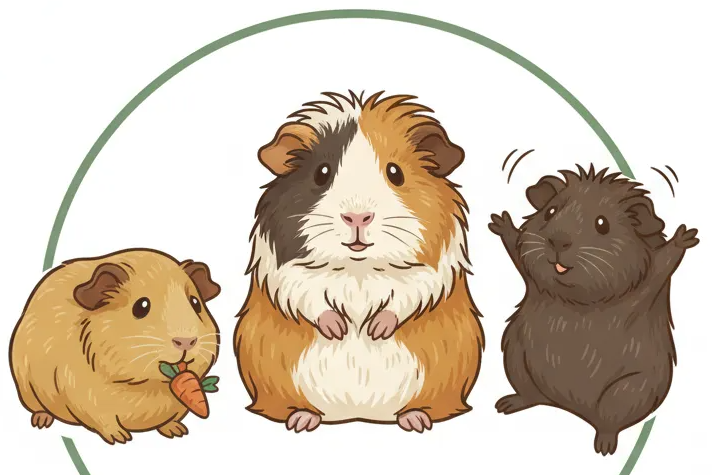
Should You Get One or Two Guinea Pigs? A Complete Guide
Published on: March 31, 2026 | Last Updated: March 31, 2026
Written By: Kate M. Callahan
Hello CavyFam! Choosing between one or two guinea pigs can leave you wondering about their happiness and your ability to provide the best care.
In this guide, I’ll explore social needs, cost comparisons, space requirements, and bonding tips based on my years of experience raising cavies like Pepper and Biscuit.
Understanding Guinea Pig Social Needs
Guinea pigs naturally live in herds in the wild, so they thrive with friends around them. Companionship cuts down on their stress by giving them a sense of security and belonging. When they have a buddy, they feel safer exploring and eating, which mimics their natural group dynamics.
Watch for signs that your guinea pig might be lonely. A lonely guinea pig often shows less energy, hides more, and makes fewer happy sounds like wheeking or purring. You might notice they eat less or seem uninterested in toys, which can signal they’re missing social interaction. If you notice these signs, it’s a cue to fix it. Boost enrichment and daily social play, and consider a compatible companion to re-engage your guinea pig.
- Decreased activity levels, like not running around as much
- Reduced vocalizations, such as quiet wheeks or chirps
- More time spent hiding in corners or shelters
I’ve seen this firsthand with my guinea pigs, Pepper, Clover, and Biscuit. When Clover was briefly separated for a vet visit, Pepper became unusually quiet and stopped his usual morning popcorn jumps. Once reunited, their mutual grooming and soft chattering immediately picked up, showing how vital that bond is for their daily happiness.
Benefits of Keeping Two Guinea Pigs
Keeping a pair of guinea pigs brings many advantages that boost their overall quality of life. You’ll see enhanced mental stimulation as they learn from each other, a longer lifespan due to reduced stress, and the comfort of constant companionship. This setup mirrors their natural social structure, making them feel more at home in your care. However, it’s important to ensure you don’t overcrowd their living space to maintain a healthy environment.
- Enhanced mental stimulation through shared exploration and problem-solving
- Longer lifespan from lower stress and better emotional health
- Constant companionship that prevents loneliness and boredom
Pairs engage in grooming and play that keeps them active and bonded. In my daily routine, I often spot Clover gently nibbling Biscuit’s fur to keep it clean, while Pepper and Clover chase each other in short bursts around their enclosure. These interactions aren’t just cute-they reinforce their social ties and provide natural exercise.
Health perks include a lower risk of obesity because they move more when playing together. With two guinea pigs, they encourage each other to stay active, which helps maintain a healthy weight and reduces joint issues. I’ve noticed my trio maintains better fitness levels simply by mimicking each other’s playful antics, like racing after a fresh veggie treat.
When One Guinea Pig Might Be Suitable

While guinea pigs thrive in pairs, certain situations make a single-pig home the wiser choice. My reserved Peruvian, Biscuit, actually prefers his solo setup after attempts to bond him with others resulted in stress for everyone. Understanding common guinea pig bonding behaviors and what they mean can help you read their signals and decide when a solo setup is the better choice.
Limited space often dictates this decision. If you live in a studio apartment or have minimal floor space, providing adequate room for two guinea pigs becomes challenging. A single pig requires less square footage, making it easier to meet the minimum cage size requirements comfortably.
Budget constraints are another honest consideration. Guinea pigs are more affordable than dogs, but costs double with a pair. You’re looking at twice the food, double the veterinary bills, and more bedding replacement, which can strain a tight monthly budget.
Some guinea pigs are special-needs individuals who simply do better alone. Older pigs, those with chronic illnesses, or ones with past trauma may find companionship stressful. Observing your pig’s unique personality is more important than forcing a pairing that causes anxiety. Understanding your pig’s temperament helps you decide if a guinea pig is a good pet for your home. Tailoring care and enrichment to their personality supports their well-being.
Enriching a Solo Guinea Pig’s Life
A single guinea pig relies on you for social stimulation. I made it a daily ritual to sit with Biscuit during his floor time, often reading a book aloud so he could enjoy the sound of my voice.
- Interactive toys like treat balls and puzzle feeders engage their natural foraging instincts.
- Rearrange their cage layout weekly to create a novel environment that sparks curiosity.
- Provide a variety of safe chew toys-apple wood sticks and woven grass mats are favorites in my home.
- Schedule consistent daily interaction, including gentle handling and lap time for veggie treats.
Monitoring Your Solo Pig’s Well-being
Living alone makes a guinea pig more vulnerable to loneliness and depression. I learned to watch for subtle signs like decreased vocalization, reduced appetite, or lack of interest in exploring. A happy solo pig will still “wheek” for food, popcorning (those joyful little jumps), and actively investigate their surroundings. Any behavior change warrants closer attention and possibly a vet consultation.
Cage and Housing Setup for One or Two Guinea Pigs
Proper housing forms the foundation of your guinea pigs’ health and happiness. I’ve refined my setup over years of caring for Pepper, Clover, and Biscuit.
-
Choose the Right Cage Size
Bigger is always better with guinea pig cages. They need ample space for running, separate areas for eating and sleeping, and room to avoid each other if needed. These minimum sizes are based on recommendations from experienced rescues and my own observations of piggy behavior. In a beginner’s guide to the best cage setup for guinea pigs, these basics help you plan the ideal enclosure. Stay tuned for practical layout tips and must-have features to complete a comfy home.
Number of Guinea Pigs Minimum Floor Space One 8 square feet Two 10.5 square feet For my pair, Pepper and Clover, I use a 2×4 grid C&C cage that gives them plenty of racing room. Biscuit’s solo enclosure is slightly smaller but still exceeds minimum requirements.
-
Essential Cage Items
A bare cage is a bored cage. Guinea pigs need environmental complexity to feel secure and entertained.
- Multiple hiding spots: Provide at least two hideys per pig so no one gets trapped or bullied. Simple cardboard boxes work perfectly.
- Proper hay racks: Position hay racks near sleeping areas since guinea pigs eat immediately upon waking.
- Safe bedding materials: I prefer fleece liners for my herd, but paper-based bedding works well too. Avoid cedar or pine shavings as the fumes can harm their sensitive respiratory systems.
-
Diet and Nutrition Considerations
While basic dietary needs remain the same, I’ve noticed some differences between feeding a single pig versus a pair.
With a solo guinea pig, you become their main dining companion. I make sure to hand-feed Biscuit some of his veggies each day to strengthen our bond. Watch carefully that they’re eating enough hay, as lonely pigs sometimes lose appetite. Contrary to the myth that guinea pigs are happiest alone, they often thrive with a bonded buddy. This post is part of my series debunking 10 common myths about guinea pig social needs and bonding.
Pairs will establish a pecking order at mealtimes. I always provide two food bowls spaced apart so neither Pepper nor Clover can guard both stations. Monitor to ensure the more submissive pig gets equal access to fresh vegetables and pellets.
Unlimited grass hay should comprise about 80% of their diet regardless of whether you have one pig or two. Fresh vegetables provide necessary vitamin C, and a small amount of quality pellets round out their nutrition.
How to Introduce and Bond Guinea Pigs Safely
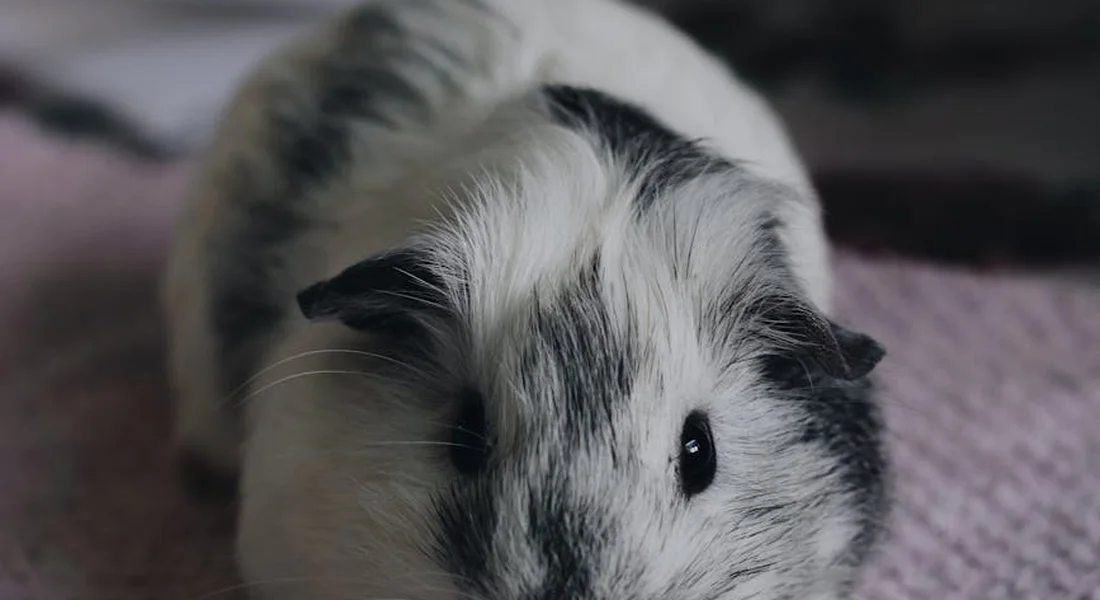
Introducing new guinea pigs requires patience and a careful plan to build a happy, stress-free friendship. I’ve found that using a neutral space, away from either pig’s home cage, dramatically reduces territorial squabbles right from the start. With a careful approach, you can successfully introduce new guinea pigs and bond them. Keep initial interactions short and supervised, gradually increasing time as they settle.
- Prepare a neutral area like a clean bathtub, playpen, or a section of floor you’ve thoroughly cleaned. Ensure there are no hideys with only one entrance, as this can trap a pig and cause fights.
- Place piles of hay and veggies at opposite ends to encourage exploration without immediate competition. Scatter some favorite greens like cilantro or lettuce to keep them busy and positive.
- Supervise them closely for at least an hour, watching for normal dominance behaviors like rumble strutting, nose-offs, and mounting. Step in only if you see chasing with biting, loud teeth chattering, or fur pulling.
- Once they’re calmly coexisting, you can move them into a freshly cleaned, expanded cage with multiple food bowls, water bottles, and hideys. Repeat short sessions in the neutral zone daily if needed.
Common bonding hurdles include one pig relentlessly chasing the other or refusing to share space. Slow acclimation through a technique called “scent swapping”-exchanging bedding or fleece between cages before they meet-can ease this tension beautifully.
When I introduced Clover to Biscuit, Clover was initially aloof and kept to herself. I placed them in side-by-side playpens for a few days, letting them see and smell each other without direct contact. After that, their first real meeting was far calmer. Avoid rushing the process or forcing them into a small carrier together, as cramped spaces can trigger panic and aggression.
Cost Considerations for One vs. Two Guinea Pigs
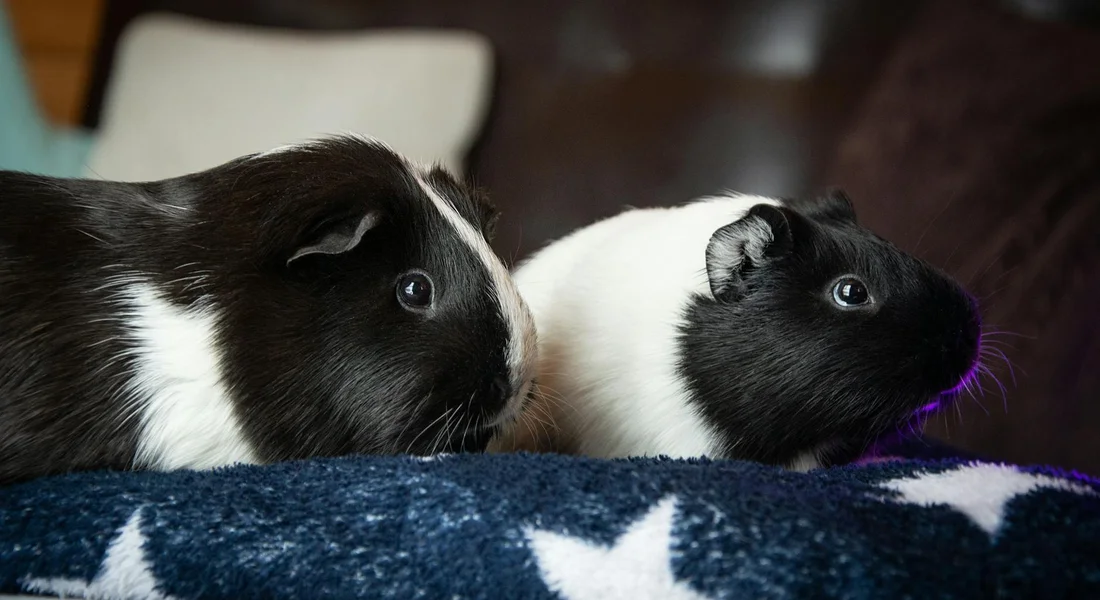
While two guinea pigs bring double the joy, their expenses aren’t always simply twice that of one. Planning your budget for both the startup and long-term costs helps ensure you can provide comfortably for your pair without financial stress.
- Initial setup costs for one guinea pig typically include a suitably large cage (at least 7.5 square feet), hideouts, food bowls, and bedding, totaling around $150-$250. Adding a second pig often means upgrading the cage size (aim for 10.5+ square feet), which may add $50-$100 upfront.
- Ongoing monthly costs for food, hay, and bedding for one pig average $40-$60. With two, you’ll spend about $60-$90 monthly, since you’ll go through hay and pellets faster, but bedding costs may not double if you spot-clean diligently.
- Veterinary care is where costs can vary most. Annual check-ups might cost $50-$80 per pig, but emergency visits for issues like respiratory infections or bladder stones can run $200-$500 each. Having two means double the potential for unexpected vet bills.
You can manage expenses with budget-friendly choices, like buying hay in bulk from local farms and using reusable fleece liners instead of disposable bedding. I’ve saved significantly by purchasing Timothy hay in a 40-pound bale-it stays fresh in a cool, dry place and costs far less per month.
Regular grooming and health checks prevent many costly issues. Trim nails every 3-4 weeks to avoid overgrowth and foot problems. Brush long-haired breeds like Biscuit daily to prevent mats, which can hide skin infections. Weigh your pigs weekly; a sudden weight drop often signals illness early, saving you from pricier treatments later.
Choosing the Right Pair: Gender, Age, and Personality

Getting the pairing right from the start prevents a lot of stress for you and your future pets. The gender combination you choose directly impacts the cage dynamics and long-term harmony.
Male vs. Female Pairs
- Two Females (Sows): This is often the easiest and most peaceful combination. My two sows, Pepper and Clover, settled in together within days. They rarely squabble and spend most of their time napping side-by-side or sharing a pile of hay.
- Two Males (Boars): Boars can live together wonderfully, but they need more space than sows to establish their territories. I’ve found a large, rectangular cage is non-negotiable for two males to prevent bickering. Having two of everything-hideys, food bowls, water bottles-also helps keep the peace.
- Mixed Pairs: A male and female will breed constantly unless one is neutered. Neutering the male is the safer and less invasive procedure, and it allows for a harmonious, baby-free mixed pair. I waited until my boar was fully recovered before his first supervised introduction to a female, and their bond was almost instant.
Matching Ages and Personalities
Think of it like finding a compatible roommate. A young, energetic guinea pig can often bring a shy, older one out of their shell, while a calm elder can have a soothing effect on a skittish baby.
- Baby & Adult: Introducing a baby to a calm adult, like my steady Pepper, usually works well. The adult isn’t seen as a direct threat, and the baby learns good social cues.
- Two Seniors: Two older, mellow guinea pigs can be a perfect, low-drama match. They appreciate a quiet life filled with good food and soft bedding.
- Personality Pairing: My graceful Clover, while thoughtful, was initially a bit aloof. Pairing her with the gentle and steady Pepper gave her a confident friend to follow. Meanwhile, my reserved Biscuit needed a patient companion who wouldn’t overwhelm her.
Stories from Successful Introductions
I once helped a friend introduce a newly adopted adult Abyssinian to her resident Peruvian. The new pig was timid, and the resident was curious but pushy. We used a large, neutral playpen filled with piles of distracting veggies, which gave them a positive shared experience and prevented territorial disputes. After a few supervised sessions, they were popcorning around together. The key is patience and a neutral space where neither pig feels ownership.
FAQs
What are the common breeds of guinea pigs?
Common breeds include Abyssinian, American, and Peruvian guinea pigs. Each breed has unique coat types and care needs to consider.
Is there a PDF guide available for guinea pig care?
Yes, many online resources offer free PDF guides covering essential care topics. You can download and save these for offline reference.
Can I find printable guinea pig care sheets?
Printable care sheets are available from pet websites and animal welfare groups. They often summarize feeding, housing, and health tips in an easy format.
What is a balanced daily diet for a guinea pig?
A balanced diet consists of unlimited hay, fresh vegetables, and a small portion of pellets. Always provide vitamin C-rich foods to support their health.
What are common mistakes new guinea pig owners make?
Common errors include choosing too small a cage and neglecting social or dietary needs. Researching thoroughly beforehand helps ensure a happy, healthy pet.
Your Guinea Pig Companionship Journey
Ultimately, getting two guinea pigs is almost always the best choice for their emotional well-being and quality of life. A bonded pair provides constant companionship that you, as a busy human, simply cannot replicate on your own. If you must keep a single guinea pig, expect to devote extra daily social time and enrichment to prevent loneliness. In most cases, a companion of the same species is worth considering when possible.
Committing to guinea pig care means embracing a journey of continuous learning about their unique needs and behaviors. Always prioritize their health and happiness by seeking out eco-friendly bedding and enrichment, creating a home that is both safe for them and gentle on our planet. To properly care for guinea pigs, establish a safe, spacious living space and a simple daily routine. This ongoing care helps them stay healthy and happy.
Further Reading & Sources
- How Many Guinea Pigs Should I Keep? | Guinea Pigs | Guinea Pigs | Guide
- How Many Guinea Pigs Can Live Together? Pairing Guinea Pigs| Woodgreen Pets Charity
- Guinea Pig Pairs TWO IS BETTER THAN ONE
- One Guinea Pig Or Two: Making The Right Choice
Kate is a passionate guinea pig owner and advocate for small pet welfare. With over a decade of experience caring for guinea pigs, she has become a trusted voice in the small pet community.
Uncategorized