How Much Do Guinea Pigs Sleep: Unraveling Their Sleep Patterns
Hello CavyFam! Have you ever peeked into your guinea pig’s habitat and wondered if they ever truly sleep? Seeing them with eyes wide open can be puzzling and even a little worrying for a caring owner.
In this guide, we’ll explore how much guinea pigs sleep, their unique sleep cycles, and the signs of healthy rest.
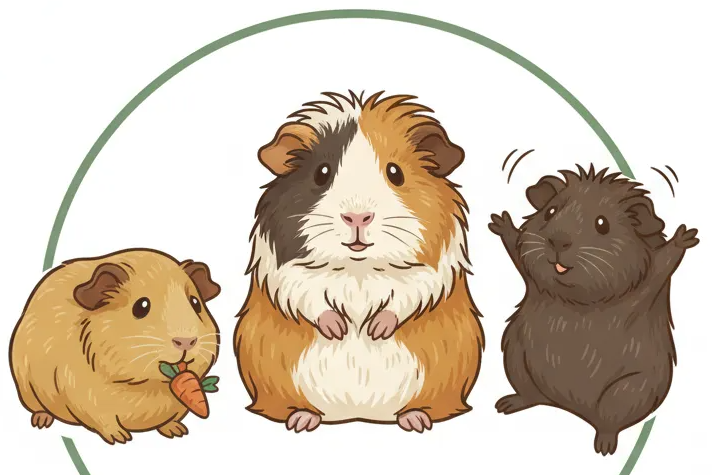
I’ve learned all this through years of sharing my home with my own adorable herd-Pepper, Clover, and Biscuit.
Understanding Guinea Pig Sleep Duration
Guinea pigs typically sleep between 4 to 6 hours each day, but it’s not all at once like humans do. They take many short naps throughout the day and night, which helps them stay alert in case of danger. This broken sleep pattern is natural for prey animals, and I’ve seen it firsthand with my own guinea pigs.
From caring for Pepper, Clover, and Biscuit, I’ve noticed their sleep varies based on personality and age. Younger ones like Biscuit might nap more frequently, while older pigs like Clover have steadier routines. Always ensure their habitat is quiet and safe to support healthy rest.
- Age: Babies sleep more for growth, adults have shorter, frequent naps.
- Environment: A calm, predator-free space encourages longer sleep periods.
- Health: Stress or illness can reduce sleep; watch for changes in behavior.
- Companionship: Guinea pigs often sleep better with a cage mate for security.
I remember how Pepper, with his gentle nature, would doze off in cozy corners after a meal. Providing soft bedding and hiding spots can make a big difference in how much they rest comfortably. This not only keeps them happy but aligns with good animal welfare by reducing anxiety.
Decoding Guinea Pig Sleep Patterns
Guinea pigs have unique sleep habits that can seem puzzling at first. They often sleep with their eyes open or partially closed to stay aware of their surroundings. Their eyes are placed on the sides of their heads, giving them a wide field of view that helps them notice movement even while resting. However, depth perception is limited, so they rely on quick light cues and movement to stay alert. This is a survival instinct I’ve observed in all my pigs, especially Clover, who remains graceful even in her light dozes.
Their sleep is made up of short bursts, usually 10-30 minutes at a time, scattered across 24 hours. You might spot them napping during the day but being most active at dawn and dusk, which is common for crepuscular animals. I’ve found that mimicking natural light cycles in their room helps regulate this pattern.
- Napping spots: They prefer enclosed areas or under hideouts for security.
- Sleep positions: Curled up, stretched out, or even sitting upright while dozing.
- Alertness: They wake easily to sounds, so keep their space peaceful.
- Dreaming: Some pigs twitch or make soft noises, suggesting REM sleep phases.
Biscuit, with his reserved personality, taught me that each pig has quirks-he’d often sleep in a tight ball near his food dish. Monitoring these patterns helps you catch health issues early and ensures they feel protected. Using eco-friendly, soft materials in their cage supports both their comfort and the planet.
Common Guinea Pig Sleep Behaviors and Positions
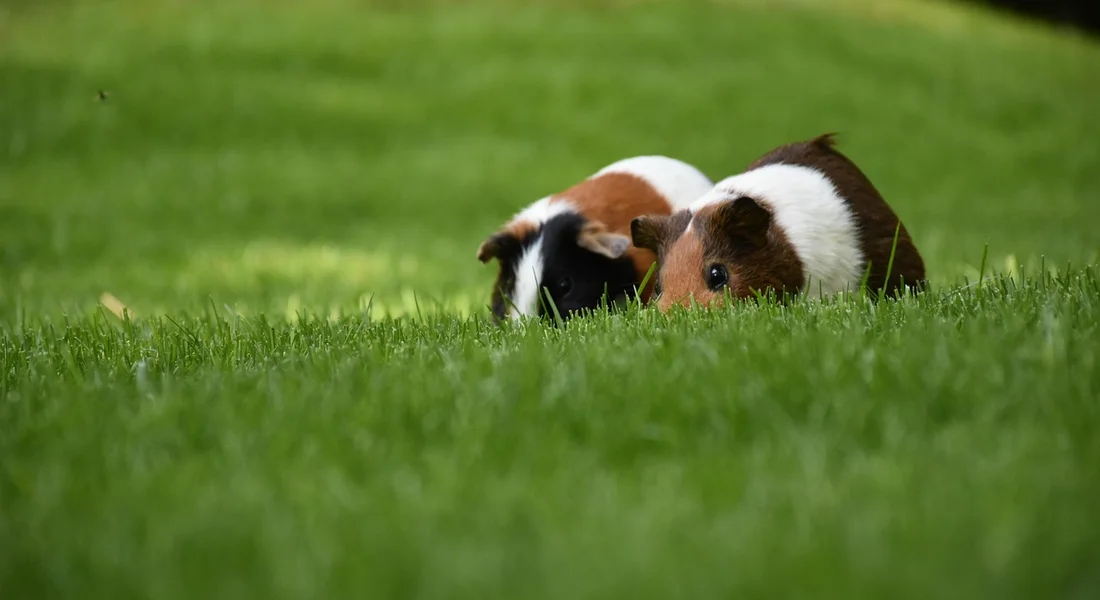
You might be watching your guinea pig and wonder if they ever truly sleep, especially since they rarely close their eyes. Guinea pigs are prey animals, so their sleep patterns are designed for constant vigilance. They take numerous short naps throughout a 24-hour cycle rather than one long sleep.
Recognizing When Your Guinea Pig is Napping
My own guinea pigs, Pepper and Clover, have taught me to spot the subtle signs of sleep. Look for a relaxed, sprawled-out posture with their legs tucked underneath or stretched out to the side. Their breathing will become slower and more rhythmic.
- The Loaf: Curled into a ball with all feet hidden, resembling a bread loaf. This is a common rest position.
- The Sprawl: Lying on their side or belly with legs extended. This indicates a deep level of comfort and trust in their environment.
- Pillow Resting: Using a cagemate, a hidey, or their own front paws as a pillow. My guinea pig Biscuit often uses Clover as a soft pillow.
Sleeping with Eyes Open
Do not be alarmed if you never see your guinea pig’s eyelids shut. Sleeping with their eyes wide open is a completely normal and instinctual behavior for protection. They do blink, and their eyelids help keep eyes moist and protected, even if the blink is quick. A slow, rhythmic chewing motion while resting is another sign they are in a peaceful, drowsy state.
Creating the Ideal Sleep Environment in the Hutch
A peaceful hutch is non-negotiable for healthy guinea pig sleep. Their sleep quality is directly linked to how safe and comfortable they feel in their home. From my experience, a few key adjustments can transform a cage from a stressful space into a sleep sanctuary.
Prioritize Safe, Cozy Bedding
I always use a thick layer of soft, absorbent paper-based bedding or fleece liners. Proper bedding cushions their joints, controls odor, and provides a sense of security they need to relax fully. Avoid dusty wood shavings, as they can irritate their sensitive respiratory systems.
- Provide multiple hideouts, like enclosed wooden houses or fleece “cuddle cups,” so each pig has a private, dark place to sleep.
- Ensure hideouts have at least two exits to prevent any pig from feeling trapped by a more dominant cage mate.
Manage Light and Noise
Guinea pigs are crepuscular, meaning they are most active at dawn and dusk. Place the cage in a quiet part of your home, away from blaring TVs and direct sunlight, to respect their natural rhythms. Understanding these daily activity peaks helps you plan feeding and playtime to match their routine. Aligning your schedule with dawn and dusk supports their well-being.
During the evening, I cover part of my pigs’ cage with a light breathable cloth to dim the lights. This simple trick signals that it’s time to wind down and encourages longer, more restful sleep periods. Just make sure plenty of ventilation remains.
How Age and Health Impact Sleep
Just like people, a guinea pig’s age plays a huge role in how much they rest. My own guinea pigs, from the energetic youngster Biscuit to the more sedate Clover, have shown me firsthand how sleep needs evolve. Paying attention to these changes helps you understand what’s normal for your pet at every stage of life.
Baby Guinea Pigs and Sleep
Baby guinea pigs, or pups, are little bundles of energy with equally tiny batteries. You’ll notice they operate in short, intense bursts of play followed by sudden, deep naps. My youngest, Biscuit, would often zoom around his pen for ten minutes and then konk out so soundly he looked like a little fur pancake. To keep those bursts constructive, many owners turn to simple foraging toys and other brain-boosting activities. This is exactly the kind of thing you’ll find in the ultimate guide to guinea pig foraging toys and activities.
This sleep pattern is completely normal for growing bodies.
- Frequent, short naps throughout the day and night.
- Deep sleep phases where they might not stir at minor noises.
- High activity levels when awake, exploring and learning.
Older Guinea Pigs and Sleep
As guinea pigs enter their senior years, usually around age four or five, their habits shift. My sweet Clover, now three, spends more time napping and less time popcorning than she did as a pup. (But she’s still younger than those guinea pigs in that stage.) Their joints can get a little stiff, and they simply don’t have the same endless energy reserve.
You might observe these changes in an older pig.
- Longer, more frequent rest periods.
- Slower movements and a more deliberate pace when awake.
- A preference for softer, warmer bedding to ease achy bones.
When to Be Concerned About Your Guinea Pig’s Sleep
While their sleep patterns can vary, certain signs should prompt a call to your veterinarian. Trust your gut; you know your pet’s normal behavior better than anyone. A sudden, dramatic change in sleep is often the first clue that something is wrong.
Watch out for these specific red flags.
- Sleeping almost constantly and showing no interest in food or water.
- Lethargy even when awake, with a hunched posture or puffed-up fur.
- Labored breathing or loud sounds while sleeping.
- Difficulty waking up or seeming disoriented.
Any of these symptoms, especially when combined, warrant immediate professional attention. Their small size means health issues can escalate quickly, so it’s always better to be safe. I learned this lesson when my steady Pepper became unusually quiet, which turned out to be a sign of a minor dental issue that was easily treated once caught early.
FAQs
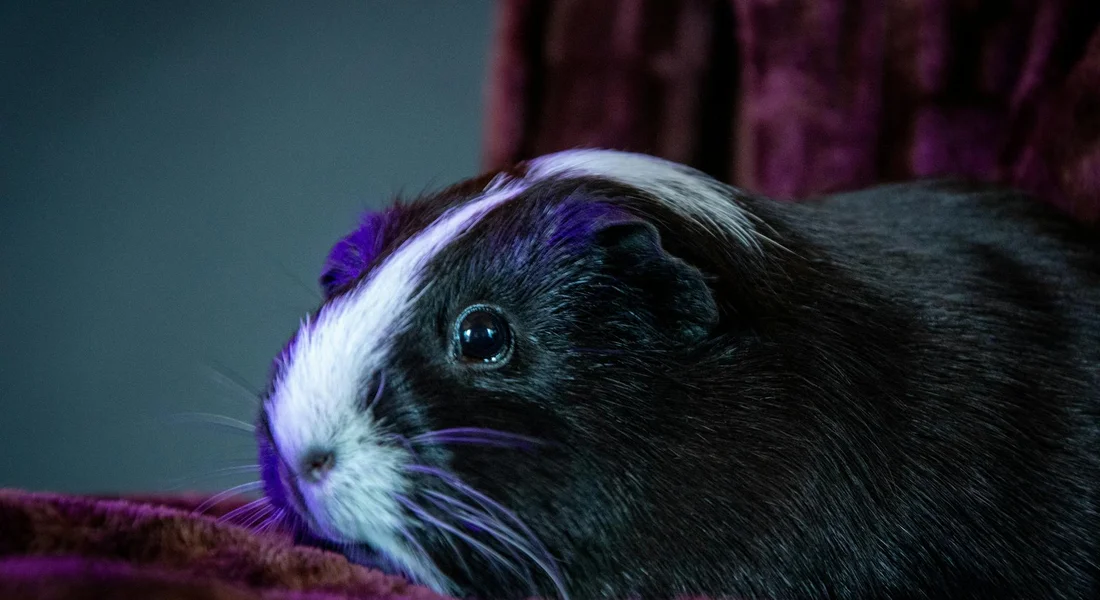
Why do guinea pigs sleep with their eyes open?
Guinea pigs often sleep with their eyes open as a natural defense mechanism to stay alert to predators. This behavior helps them react quickly to potential threats even while resting. At night, the noises they make can offer clues about their state—are they awake and alert, or seeking company? Understanding these sounds can help you interpret what their night-time behaviors mean.
What does it mean when a guinea pig sleeps on its side?
Sleeping on their side usually indicates that your guinea pig feels very safe and comfortable in its environment. It is a sign of deep trust and relaxation, showing they are at ease.
Is it normal for guinea pigs to sleep a lot?
Yes, guinea pigs typically sleep 4-6 hours daily through short naps, which is normal for their crepuscular nature. However, sudden increases in sleep could signal health issues, so observe for other symptoms.
Why does my guinea pig sleep in my lap?
Your guinea pig may sleep in your lap because it feels secure and has formed a strong bond with you. This behavior shows they trust you completely and see you as a safe haven.
What is a guinea pig sleep sack?
A guinea pig sleep sack is a soft, enclosed bedding accessory that provides a cozy and secure spot for resting. It mimics natural hideouts, helping reduce stress and promote better sleep by offering warmth and privacy. In the ultimate guide to safe bedding options for guinea pigs, sleep sacks are evaluated for materials, breathability, and ease of cleaning. This helps you choose a safe, comfy setup that supports your guinea pig’s wellbeing.
Caring for Your Sleeping Guinea Pig
Guinea pigs sleep in short bursts throughout the day and night, so providing a safe, quiet space for their light naps is essential. Respecting their natural sleep-wake cycle helps them feel secure and supports their overall well-being. Properly caring for guinea pigs also means providing a roomy, clean enclosure, consistent daily routines, and access to fresh hay and water. A calm, well-maintained environment supports their health and happiness.
Responsible pet ownership means always observing your guinea pig’s unique habits and learning more about their needs. Understanding guinea pig nesting behavior and bedding needs helps you tailor their space for comfort and safety. Choosing sustainable bedding and eco-friendly toys makes their care routine kinder to our planet.
Further Reading & Sources
- Sleep homeostasis in the guinea pig: similar response to sleep deprivation in the light and dark period – PubMed
- Do Guinea Pigs Sleep? This Is What Experts Tell About It – Planet Pet
- Are Guinea Pigs Nocturnal? (and their sleep patterns) | Kavee
- Exploring Guinea pig Sleep Habits! (2023 Update!) – GuineaDad
Kate is a passionate guinea pig owner and advocate for small pet welfare. With over a decade of experience caring for guinea pigs, she has become a trusted voice in the small pet community.
Uncategorized