Urinary Problems Checklist: Spotting Bladder Stones and UTIs Early
Published on: April 12, 2026 | Last Updated: April 12, 2026
Written By: Kate M. Callahan
Hello CavyFam, are you worried your guinea pig might have a urinary issue? Early detection of problems like bladder stones or UTIs can save your pet from pain and costly vet visits.
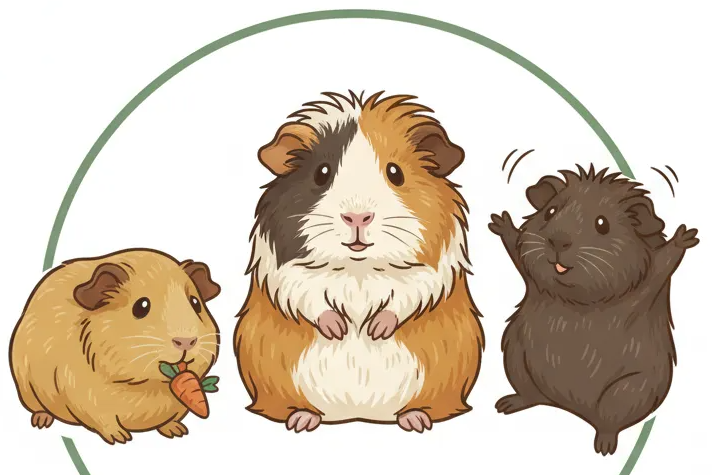
In this guide, I’ll walk you through key areas to watch for, using my own experience with Pepper, Clover, and Biscuit.
- Common symptoms of urinary distress
- Ways to tell UTIs and bladder stones apart
- Easy at-home checks you can do
- Prevention strategies for long-term health
- When to seek immediate veterinary care
With years of hands-on guinea pig care, I’ve learned how to spot subtle signs before they become big problems.
Understanding Urinary Issues in Guinea Pigs
Bladder stones are hard, crystal-like formations that develop in your guinea pig’s bladder from excess minerals in their urine. Urinary tract infections (UTIs) occur when bacteria invade the urinary system, causing inflammation and discomfort. Guinea pigs are especially prone to these issues due to their unique anatomy and dietary needs. Their small bladder size and inability to produce vitamin C make them vulnerable. Diets high in calcium, like certain pellets or veggies, can lead to mineral buildup. Calcium control helps prevent painful bladder sludge in guinea pigs by keeping urine minerals balanced. By choosing low-calcium greens and ensuring fresh hay is available, you support a healthier urinary tract. From caring for Pepper, my gentle American Guinea Pig, I’ve seen how a balanced diet is key to preventing problems. While bladder stones are physical blockages, UTIs stem from bacterial growth, but both require prompt veterinary care to avoid complications.
What Are Bladder Stones?
Bladder stones form when minerals like calcium clump together in the urine, creating solid masses. These stones can cause sharp pain and may block urine flow, which is a medical emergency. In my experience, Clover’s graceful nature masked her discomfort until I spotted her straining-a reminder that stones often go unnoticed until they’re severe.
What Is a Urinary Tract Infection (UTI)?
UTIs happen when bacteria, often from unclean habitats or stress, multiply in the urinary tract. Infections can spread quickly to the kidneys if not treated, so hygiene and low-stress environments are vital. I learned this with Biscuit, my reserved Peruvian; after a cage cleaning slip-up, she developed a UTI, highlighting how small oversights can impact health.
Early Signs and Symptoms to Watch For
Spotting urinary issues early can save your guinea pig from pain and serious illness. Look for subtle changes in behavior and appearance that might signal trouble. Here’s a quick checklist to help you monitor your pet:
- Frequent attempts to urinate with little output
- Straining or crying while urinating
- Blood-tinged or cloudy urine
- Strong, unusual odor from urine
- Lethargy or reduced activity
- Loss of appetite or weight changes
- Hiding more than usual or avoiding interaction
Many owners miss these cues because guinea pigs are masters at hiding illness, so daily observation is your best tool. Proper handling during health checks is crucial to spot any health issues early.
Changes in Urination Habits
Watch for shifts in how your guinea pig urinates, as these are often the first red flags. Straining to pee or seeing blood in the urine means it’s time for a vet visit right away. Other signs include urinating more frequently or producing urine that smells foul or looks murky. With Pepper, I once noticed her urinating in small spots repeatedly-a subtle hint that led to an early UTI diagnosis.
Behavioral and Physical Clues
Behavior changes can indicate underlying discomfort from urinary problems. If your guinea pig hides constantly, vocalizes in pain, or shows flank pain by arching its back, it’s likely suffering. These symptoms link directly to illness, as prey animals like guinea pigs instinctively conceal weakness. Biscuit’s quiet nature made her hiding easy to overlook, but it was a clear sign she needed help. Advocating for animal welfare means acting fast on these clues to ensure your pet’s comfort and health— especially by recognizing signs of pain or illness in guinea pig behavior.
Common Causes and Risk Factors
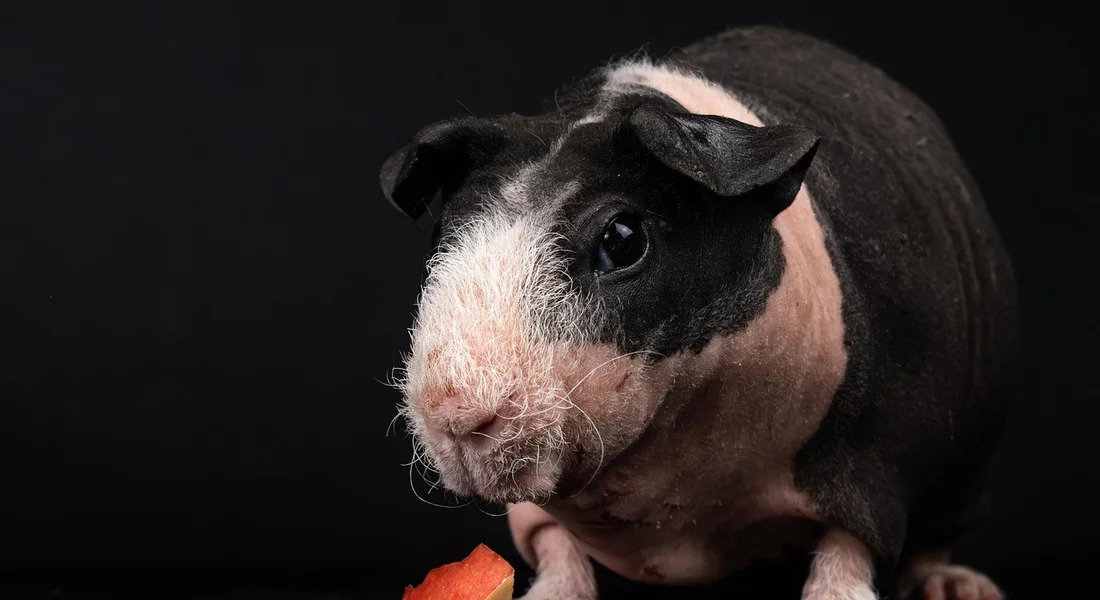
Urinary problems in guinea pigs often stem from a mix of diet, lifestyle, and health issues. Spotting these risks early can prevent painful conditions like bladder stones and UTIs.
- Diet: High-calcium foods, such as alfalfa hay or spinach, can lead to mineral buildup. My guinea pig Clover, who is graceful and thoughtful, once showed signs of discomfort after too many calcium-rich treats.
- Lifestyle: Limited space and lack of enrichment raise stress and inactivity levels. Pepper, my gentle American guinea pig, thrives with room to roam and hideouts to explore.
- Health Factors: Underlying issues like obesity or genetic predispositions play a role. Biscuit, my reserved Peruvian, needs careful monitoring as he matures to catch any subtle changes.
Diet and Hydration Influences
What your guinea pig eats and drinks directly impacts urinary health. Balancing nutrients and water intake is your first defense against stones and infections.
- High-Calcium Foods: Limit items like kale or parsley to avoid excess minerals. I learned this when Biscuit’s urine turned cloudy, prompting a diet switch to timothy hay.
- Water Intake Roles: Fresh, clean water flushes out toxins and prevents dehydration. I always check water bottles twice daily to ensure my pigs stay hydrated.
- Balanced Diet Tips: Offer a variety of hay, pellets, and low-calcium veggies like bell peppers. Rotating foods keeps meals interesting and supports overall wellness.
Age and Activity Levels
Older or less active guinea pigs face higher urinary risks due to slower metabolism. Gentle movement and age-appropriate care can make a big difference.
- Vulnerability in Seniors: Aging pigs like Clover may struggle with mobility, increasing UTI chances. I provide softer bedding and more frequent check-ups for her comfort.
- Gentle Exercise Ideas: Encourage light play with tunnels or supervised floor time. Even short sessions help-Pepper enjoys nudging balls around for mental and physical stimulation.
Your Action Checklist for Urinary Health
Staying proactive with a simple checklist can safeguard your guinea pig’s well-being. Regular monitoring helps you catch warning signs before they escalate. For owners, the weekly guinea pig care routine ultimate checklist helps you stay on top of grooming, cage upkeep, and health checks. Consider reviewing it at the start of each week to keep care consistent.
- Step 1: Monitor daily for symptoms like pain during urination. Listen for unusual squeaks or watch for straining, as I did with Biscuit recently.
- Step 2: Check urine for blood, cloudiness, or odd smell. Use a light-colored liner in the cage to spot discoloration easily.
- Step 3: Track behavior changes and appetite. Note if your pig eats less or acts lethargic, like Pepper did during a mild UTI scare.
- Step 4: Review diet and environment for risks. Ensure low-calcium options and clean, spacious living areas to reduce stress.
- Step 5: Act early if signs worsen. Contact your vet at the first hint of persistence or severity to avoid complications.
Daily Monitoring Tips
Quick, consistent checks fit seamlessly into your routine. Keeping a basic log turns observations into actionable insights.
- Urination Frequency and Comfort: Note how often your guinea pig pees and if they seem relaxed. I watch Clover closely during her active hours for any signs of strain.
- Simple Log Keeping: Use a notebook to jot down daily notes on behavior, appetite, and urine appearance. This habit helped me track Biscuit’s recovery progress efficiently.
When to Escalate Care
Some symptoms demand immediate veterinary attention to prevent suffering. Blood in urine or a fever means it’s time to act without delay.
- Signs Needing Vet Attention: Hematuria (visible blood), fever, or severe lethargy require prompt care. I once rushed Pepper to the clinic after spotting red tinges in his urine.
- Stress Urgency Calmly: Urinary issues can worsen rapidly, so early intervention protects your pet’s health and comfort. Always err on the side of caution for their sake.
When to Seek Veterinary Care
Knowing when to transition from home monitoring to professional help is a critical skill for any guinea pig owner. Trust your instincts-if your pet’s behavior seems off, it’s always better to be safe and get them checked out, especially during their first veterinary visit. Regular health check-ups are essential to ensure your guinea pig is happy and healthy. No matter how attentive you are, some health issues require a professional eye to diagnose and treat, so always err on the side of caution, particularly during their initial check-up when patterns of normal behavior and health are being established. If it’s your first time taking your guinea pig to the vet, this guide to the first veterinary check-up can help you prepare.
Urgent Warning Signs
Some symptoms are absolute red flags that demand immediate veterinary attention, day or night.
- Visible blood in the urine or a pink-tinged bedding.
- Repeated, forceful straining to urinate with little or no output.
- Obvious signs of severe pain, like loud, constant teeth chattering, hunched posture, or refusing to move.
- Complete lack of urination for more than 12 hours.
If you see any of these signs, do not wait; contact an emergency exotic vet immediately, as these can be life-threatening situations. I learned this the hard way when my guinea pig, Biscuit, became lethargic; waiting until morning was a mistake I won’t make again.
What Vets Do for Diagnosis
A vet visit for urinary issues is very methodical. They will start by getting a full history from you about your guinea pig’s diet and behavior. Consider having a few questions for guinea pig vet ready for a potential guinea pig veterinarian, such as their experience with urinary issues and the tests they would perform. This helps you choose the best care for your pet.
- Urinalysis: They will analyze a urine sample for blood, crystals, bacteria, and other abnormalities.
- Imaging: An X-ray or ultrasound is the definitive way to spot bladder stones, which show up as bright white objects.
- Physical Exam: The vet will gently palpate your guinea pig’s abdomen to check for pain or a distended bladder.
Based on the diagnosis, treatment options vary. For a UTI, a course of antibiotics is common, while bladder stones often require surgical removal to prevent a fatal blockage. My gentle Pepper needed surgery for a stone, and while it was stressful, her full recovery was a huge relief.
Prevention Strategies for Healthy Bladders
Preventing urinary problems is far easier and less stressful than treating them. A consistent, proactive daily routine is your best defense against bladder stones and UTIs.
Diet and Supplement Tips
What you feed your guinea pig directly impacts their urinary health. The goal is to promote a balanced, slightly acidic urine environment. There are 10 biggest myths about guinea pig diets that could harm your pet.
- Focus on low-calcium vegetables like bell peppers, cucumber, and zucchini to help prevent stone formation.
- Limit high-calcium foods like spinach, kale, and parsley to occasional treats.
- Provide a consistent, high-quality source of Vitamin C through fresh foods like bell peppers, as they cannot produce it themselves.
- Avoid over-supplementing with calcium or Vitamin C drops in their water, as this can disrupt their delicate system and lead to other issues.
A varied diet of hay, limited pellets, and the right fresh veggies is the cornerstone of urinary health. My trio thrives on this simple approach.
Environment and Routine Care
Your guinea pig’s living conditions play a massive role in their overall well-being, especially their bladder health. Poor cage placement—like drafts, direct sunlight, or noise in the room—can undermine these benefits. In this guide, we’ll cover 8 cage placement mistakes that affect guinea pig health and happiness.
- Keep their cage impeccably clean. Soiled bedding can harbor bacteria that lead to UTIs.
- Provide fresh, clean water daily in a bottle and a heavy ceramic bowl. My Clover drinks more from a bowl, so I offer both.
- Encourage daily exercise and movement. A sedentary lifestyle can contribute to sludge and stone formation.
- Weigh your guinea pigs weekly. A sudden weight loss is often the first sign of a hidden health problem, including urinary issues.
Spot-cleaning the cage daily and providing a spacious, enriching environment encourages natural, healthy behaviors that support their urinary system. This simple habit has kept my herd happy and healthy for years.
FAQs
How can I ensure my guinea pig drinks enough water to prevent UTIs?
Offer fresh, clean water daily in both a bottle and a heavy ceramic bowl to encourage hydration. Monitoring intake and keeping water accessible helps flush bacteria from the urinary tract and supports overall health.
What are the best low-calcium vegetables for a guinea pig’s diet?
Incorporate vegetables like bell peppers, cucumber, and zucchini, which are low in calcium and rich in essential nutrients. Limiting high-calcium foods such as spinach or kale reduces mineral buildup that can lead to bladder stones.
What should I expect during my guinea pig’s recovery from bladder stone surgery?
Your guinea pig will need a calm, clean environment with soft bedding and may require prescribed pain relief or antibiotics. Follow your vet’s guidance on diet and limited activity to promote healing and prevent complications. Proper care for guinea pigs includes ensuring their environment supports recovery.
Your Guinea Pig’s Health Journey
Watch for subtle changes in urination and behavior, just as I do with Pepper, Clover, and Biscuit. Early spotting of bladder stones or UTIs through routine observation can spare your pet discomfort and help you act fast.
Commit to ongoing education about guinea pig needs and choose eco-friendly care options. For busy schedules, use simple, time-saving care routines and practical tips to keep your guinea pigs healthy and happy. Consider batch-prepping greens and setting a weekly care calendar to stay on top of grooming, feeding, and enrichment. Responsible ownership not only safeguards your pet’s welfare but also reduces environmental impact for a healthier world.
Further Reading & Sources
- Bladder Stones: Causes, Symptoms, Treatment & Removal
- Bladder Stones – StatPearls – NCBI Bookshelf
- Stones and urinary tract infections – PubMed
- Bladder stones
Kate is a passionate guinea pig owner and advocate for small pet welfare. With over a decade of experience caring for guinea pigs, she has become a trusted voice in the small pet community.
Uncategorized