Is My Guinea Pig Just Lazy? A Step-by-Step Checklist for Lethargy
Published on: April 15, 2026 | Last Updated: April 15, 2026
Written By: Kate M. Callahan
Hello CavyFam, have you ever watched your guinea pig lounging more than playing and wondered if it’s just a lazy day? It’s natural to worry that this quiet behavior could signal something deeper needing your attention.
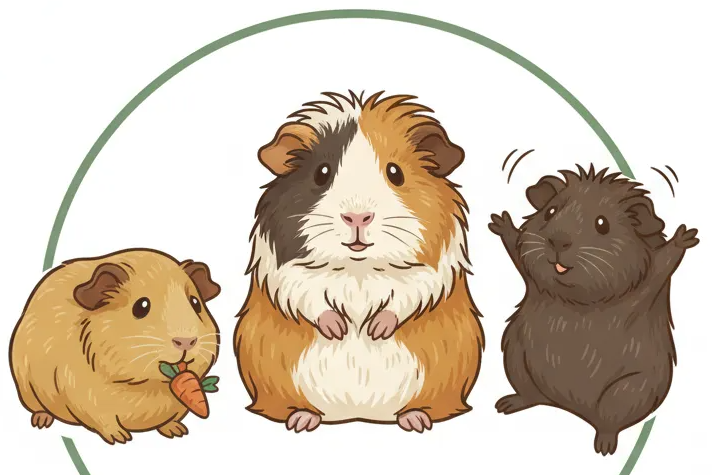
I’ll help you explore identifying lethargy, common causes, a simple home checklist, and when to seek vet care. With years of hands-on experience and my own guinea pigs-Pepper, Clover, and Biscuit-I’ve gathered practical insights to share with you.
Understanding Guinea Pig Lethargy
- Lethargy means your guinea pig has very low energy and moves much less than usual, unlike normal rest where they might still pop up for treats or sounds. It’s a sign that something could be wrong, not just a lazy day.
- Common signs include fatigue, where they sleep excessively, and reduced activity level, like not exploring or playing as they normally do. From my experience with Pepper, who’s usually curious, a sudden drop in activity always makes me check closer.
- Lethargy might indicate a health issue if it lasts over a day or comes with other symptoms, such as not eating or breathing changes. Early detection can prevent bigger problems and keep your pet safe.
Is It Normal Laziness or a Health Concern?
- Guinea pigs typically sleep in short bursts and are most active at dawn and dusk, so occasional napping is fine. My guinea pig Biscuit naps often but always wakes for veggies, so I know his rhythm.
- Red flags that need attention include not responding to your voice, hiding constantly, or a sudden change in their usual patterns. If your guinea pig ignores favorite foods or sounds, it’s time to investigate further.
Key Signs of Lethargy to Watch For
- Symptoms like appetite loss, where they refuse hay or pellets, hydration issues shown by a dry nose or less water drinking, and stool changes such as diarrhea or no droppings. Monitoring these daily helps spot issues fast, as I’ve learned with Clover’s sensitive digestion.
- Subtle indicators include breathing that’s faster or noisy, and pain signals like grinding teeth, hunched posture, or fluffed-up fur. These small clues often reveal hidden discomfort that needs care.
Step-by-Step Lethargy Assessment Checklist
- Check for visible symptoms like crusty eyes or drooling.
- Observe behavior and activity level changes.
- Monitor eating, drinking, and elimination habits.
- Look for pain indicators and breathing abnormalities.
- Evaluate environment and stress factors.
Step 1: Surface Symptom Check
- Inspect your guinea pig for twitching, which could signal pain, crusty eyes that might mean infection, or drooling from dental problems. Gently look over their body for any sores or swelling to catch issues early.
- Note any weight loss by feeling their ribs or back; a sudden drop can point to illness. I regularly weigh Pepper to track his health and act quickly if needed.
Step 2: Behavior and Activity Monitoring
- Assess how much they interact with you or cage mates, and watch their movement patterns for less exploring or playing. Compare this to their normal self-like how Clover usually greets me-to detect shifts.
- Early detection comes from knowing their baseline, so note if they’re lethargic at times they’re usually active. Keeping a simple log helps you spot trends and protect their well-being.
Step 3: Diet and Hydration Review
- Check water intake by noting if the bottle level drops and food consumption by seeing if they eat hay, veggies, or pellets. Offer fresh favorites to test their interest and ensure they’re getting nutrients.
- Observe stool changes, like soft or missing droppings, which can hint at digestive issues. Healthy elimination is a key sign of wellness, so I always check Biscuit’s cage daily.
Step 4: Pain and Health Indicators
- Identify signs of pain, such as a hunched posture, unusual vocalizations like whining, or reluctance to move. If your guinea pig grinds teeth or flinches when touched, it might need vet care.
- Monitor for breathing changes, like rapid or labored breaths, and other symptoms like discharge from eyes or nose. Quick action here can ease their discomfort and prevent worsening conditions.
Step 5: Environmental and Stress Evaluation
- Review their habitat for comfort and safety, ensuring it’s clean, spacious, and free from drafts or extreme temperatures. A cozy setup reduces stress, much like how I keep Pepper’s cage in a quiet spot.
- Consider recent changes, like new pets, loud noises, or moves, that might cause stress and lead to lethargy. Minimizing disruptions helps your guinea pig feel secure and stay healthy.
Common Causes of Lethargy in Guinea Pigs
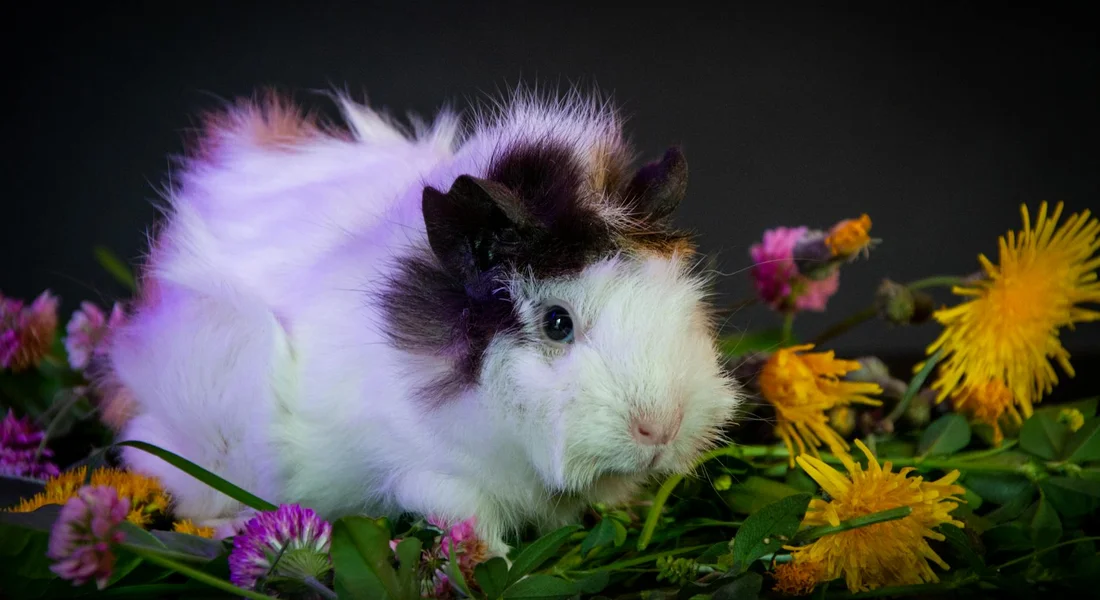
Guinea pig lethargy can stem from simple lifestyle factors or signal serious health issues. Observing your pet’s daily habits helps you pinpoint the root cause quickly.
- Non-sick reasons include boredom from a small habitat, insufficient social interaction, or the natural slowing down that comes with aging.
- Illness-related causes often involve respiratory infections, painful dental problems, urinary tract issues, or digestive troubles like GI stasis.
Non-Medical Reasons for Laziness
Sometimes, the problem isn’t sickness but their environment. My guinea pig Pepper became noticeably less active when her cage was too cramped.
- An inadequate habitat lacks space for running and exploring, which is crucial for mental stimulation.
- A poor diet low in vitamin C or high in sugary treats can sap their energy over time.
- Stress factors like loud noises, frequent predator sightings (like cats), or sudden changes in their routine can make them hide and move less.
Health-Related Causes of Lethargy
When laziness pairs with other symptoms, illness is likely. Respiratory infections often start with lethargy before you even hear sneezing or wheezing.
- Cover issues like urinary tract infections causing pain that makes them reluctant to move.
- Dental problems, such as overgrown teeth, prevent proper eating and lead to weakness.
- Overlapping symptoms include weight loss, which can signal dental issues or parasites, and hunched posture, common in both pain and respiratory distress.
When to Seek Veterinary Care
Knowing when to act can save your guinea pig’s life. Trust your instincts—you know your pet’s normal behavior best. By learning their body language, you can spot stress or illness early. Interpreting common guinea pig signals—like trembling, squeaking, or food refusal—helps you act quickly.
- For urgent vet visits, go immediately if they stop eating, have labored breathing, or show signs of seizures.
- Schedule a visit within 24 hours for persistent lethargy with mild symptoms like reduced water intake or slight weight changes.
Immediate Veterinary Attention
Some signs mean you shouldn’t wait. My Clover once stopped eating, and getting her to the vet within hours prevented a serious digestive shutdown.
- Critical signs include not eating or drinking for over 12 hours, uncontrolled twitching or seizures, or bleeding from any part of the body.
- Emphasize that early detection of issues like bloat or respiratory failure drastically improves treatment success and recovery time.
When to Schedule a Vet Visit
Not every symptom requires an emergency trip. Monitor changes for a day to see if they resolve with simple adjustments like more hay or quiet time. If your guinea pig seems sick, use a complete home troubleshooting checklist to assess hydration, eating, and environment. Seek veterinary care if symptoms persist or worsen.
- Less urgent symptoms include occasional sneezing without discharge, slight reduction in activity that improves with enrichment, or minor changes in poop consistency.
- Suggest keeping a daily log of their food intake, weight, and behavior to share with your vet for a more accurate diagnosis.
Home Care and Prevention Tips
Your guinea pig’s daily routine is the foundation of their vitality and happiness.
- Improve habitat and diet by focusing on enrichment and nutrition first.
- Perform regular health checks and monitor weight weekly to catch changes early.
Diet and Hydration Management
I learned the hard way with Pepper that a boring diet can lead to a bored, sluggish pig.
A balanced diet for a guinea pig is non-negotiable, built on a foundation of unlimited, high-quality timothy hay. Hay provides the fiber necessary for healthy digestion and dental wear. Without it, GI issues and overgrown teeth become common problems.
Fresh vegetables provide crucial vitamin C and variety.
- Unlimited Timothy Hay: This should make up 80% of their diet for proper digestion.
- Daily Fresh Veggies: Offer a cup of vitamin C-rich options like bell peppers and dark leafy greens.
- Limited Pellets: Provide a small, measured amount of fortified pellets daily.
- Fresh Water: Change water daily and scrub the bottle to prevent bacterial slime.
If your guinea pig is lethargic but still nibbling, try hand-feeding their favorite veggies to stimulate their appetite. To prevent food aggression between guinea pigs, offer meals in separate bowls or at staggered times. This helps keep mealtimes peaceful.
Hand-feeding creates a bond and can encourage a reluctant eater, as I found with my shy pig, Biscuit.
Warm the veggies slightly to release more aroma. Chop them into tiny, easy-to-eat pieces.
Habitat Optimization for Comfort
A cramped cage is a major source of stress and inactivity.
Guinea pigs need space to run, popcorn, and explore; a minimum of 7.5 square feet for one pig is a starting point, but bigger is always better. This is just the start of our complete size-cage and space requirements guide. For the full details on cage size and layout, check out our guinea pig space needs guide.
My three pigs live in a large C&C cage, and the difference in their energy levels was immediate.
- Cage Size: Upgrade to a larger enclosure if possible. More space reduces territorial disputes.
- Safe Hiding Spots: Provide multiple hideys so no pig feels exposed or bullied.
- Flooring: Use soft, absorbent fleece liners instead of harsh bedding for comfortable feet.
- Enrichment: Rotate tunnels, chew toys, and paper bag forts to keep their environment novel and engaging.
Place the cage in a quiet part of your home away from loud TVs and direct sunlight.
Reducing sudden noises and temperature fluctuations prevents the low-grade stress that can manifest as lethargy.
Regular Health Monitoring
Catching a small issue early can prevent a major health crisis later.
Weigh your guinea pigs on a kitchen scale every week and keep a simple log; a sudden weight loss of even 50 grams is a red flag. It’s important to weigh your guinea pigs regularly at home to monitor their health accurately.
I track my pigs’ weights every Sunday, and this habit helped me spot a dental issue with Clover long before she stopped eating.
Incorporate a daily five-minute observation session into your routine.
- Weekly Weigh-ins: Use a digital kitchen scale and a small box to get an accurate weight.
- Behavior Log: Note their energy levels, eating habits, and vocalizations each day.
- Physical Check: Gently feel their body for any lumps, bumps, or signs of pain when handled.
- Coat and Eyes: Look for a clean, full coat and bright, clear eyes free of discharge.
Consistent observation makes you an expert on your own pet’s normal behavior.
You are your guinea pig’s greatest health advocate, and your vigilant eyes are their first line of defense. Knowing their eye health can help you spot any issues early on.
FAQs
What should I do if my guinea pig is lethargic but still eating?
This may stem from non-medical issues like boredom or stress, so enrich their habitat with toys and hideouts. Signs your guinea pig is bored can include pacing, bar-chewing, or excessive grooming. If you spot these, you can fix it by increasing enrichment and scheduling more playtime. Monitor for other symptoms like weight loss or breathing changes, and consult a vet if it persists beyond a day.
Why is my guinea pig lethargic and twitching?
Twitching can signal pain from dental problems or infections, which often cause lethargy as well. Seek immediate veterinary care to diagnose and treat the underlying issue, as delays could worsen their condition.
What does it mean if my guinea pig is lethargic and not eating?
This is a critical combination that often indicates a serious health problem like GI stasis or dental pain. If your guinea pig seems unusually still or unresponsive—like hibernating—it can be a sign of guinea pig critical illness signs and requires immediate attention. Don’t wait to see if they improve—seek urgent veterinary care. Contact a vet urgently to prevent dehydration and organ failure, as guinea pigs cannot go long without food.
What causes lethargy and crusty eyes in guinea pigs?
Crusty eyes with lethargy typically suggest an upper respiratory infection or conjunctivitis that needs medical attention. A veterinarian can prescribe antibiotics or eye drops to address the infection and improve energy levels.
How can I treat lethargy in my guinea pig at home?
Focus on providing a vitamin C-rich diet and a stress-free, enriched environment to boost their activity. If lethargy continues or other symptoms appear, schedule a vet visit for a proper diagnosis and treatment plan.
Your Guinea Pig’s Health Journey
From my time with Pepper, Clover, and Biscuit, I’ve found that closely observing their daily routines helps you spot lethargy before it becomes serious. Always follow a step-by-step checklist to rule out health issues and consult a vet promptly for any concerns.
Being a dedicated pet owner means staying curious and open to learning about better care methods every day. Choosing eco-friendly options, like biodegradable bedding, supports both your guinea pig’s well-being and a healthier planet. In our ultimate guide to safe bedding options for guinea pigs, you’ll find practical recommendations and safety tips. Explore eco-friendly, non-toxic choices that keep your pet clean, comfy, and secure.
Further Reading & Sources
- Guinea Pig Health Checklist: Routine Weekly Checks at Home
- Guinea pig health – PDSA
- FIRST AID | wheekcare
- Guinea Pig Disease Guide | Winter Park Veterinary Hospital
Kate is a passionate guinea pig owner and advocate for small pet welfare. With over a decade of experience caring for guinea pigs, she has become a trusted voice in the small pet community.
Uncategorized