Post-Adoption Blues: Navigating Your Guinea Pig’s Adjustment Period
Published on: April 24, 2026 | Last Updated: April 24, 2026
Written By: Kate M. Callahan
Hello CavyFam! So you’ve brought home your new guinea pig, but instead of instant snuggles, you’re met with hiding and silence. Feeling a bit disappointed or worried is completely normal, and you’re not alone in this.
We’ll walk through recognizing the signs of adjustment stress, practical bonding techniques, and creating a secure habitat to help your new friend settle in.
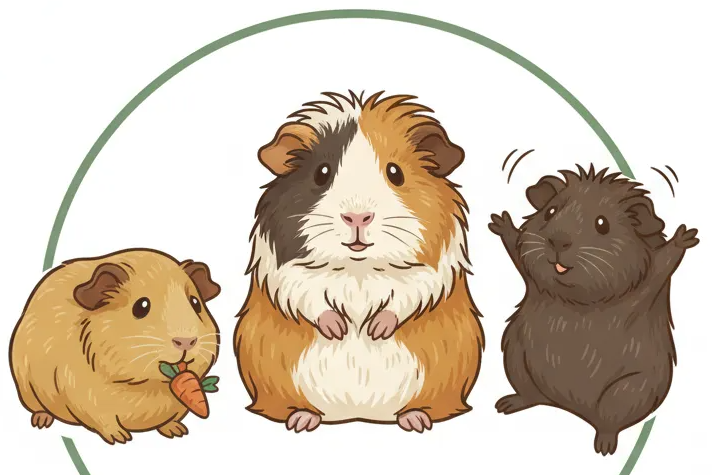
Having welcomed my own guinea pigs-Pepper, Clover, and Biscuit-I’ve learned firsthand how patience and the right approach turn those initial blues into a beautiful, trusting relationship.
Understanding Guinea Pig Post-Adoption Blues
Post-adoption blues describe the quiet, withdrawn phase your new guinea pig might go through after coming home. It’s a completely normal stress response, not a sign you’ve done anything wrong. Spotting the first signs of stress in a new guinea pig can help you respond calmly and tailor your care. With patience and gentle routines, you can help them settle in faster.
This happens because their entire world has just been turned upside down. Imagine being plucked from everything familiar and dropped into a new home with new sights, sounds, and smells-it’s overwhelming for such a small creature. Their instincts tell them to be cautious until they’re sure they’re safe.
I remember when I brought Clover home; she spent the first three days frozen in a corner of her hidey, barely moving. My gentle, graceful girl was just a little brown statue, and I worried I had made a mistake. But it was simply her way of processing the massive change.
Think of it like you moving to a new city. You wouldn’t immediately throw a party for all your new neighbors; you’d likely spend the first week unpacking, observing, and getting your bearings. Your guinea pig is doing the exact same thing in their new cage. That’s why understanding guinea pig behavior before you buy matters. Observing how they respond to new space helps you choose a compatible pet and set up a comfortable home.
The Adjustment Timeline: What to Expect
-
The adjustment period generally spans from a few days to several weeks. Some confident pigs might be popcorning by day three, while more reserved ones may need a full month to feel truly secure.
-
Several factors influence how long this takes. Age plays a role; younger guinea pigs often adapt faster than older ones set in their ways. Personality is huge-my pig Biscuit was reserved and took nearly four weeks to approach my hand, while Pepper was steady and curious within a week. A pig’s past experiences also matter; those from stressful environments will need extra time and gentleness.
-
From my own herd, I saw this spectrum clearly. Pepper, my steady boy, started taking veggies from my hand after about five days. Clover took a full two weeks to even venture out while I was in the room. Biscuit, my intelligent but reserved Peruvian, watched everything from a distance for nearly a month before she decided I was trustworthy.
-
The most important tool you have is patience; avoid the temptation to rush the process or compare your pig’s progress to others. Let them set the pace for your new relationship, and you’ll build a bond of genuine trust.
Signs Your Guinea Pig is Settling In Well
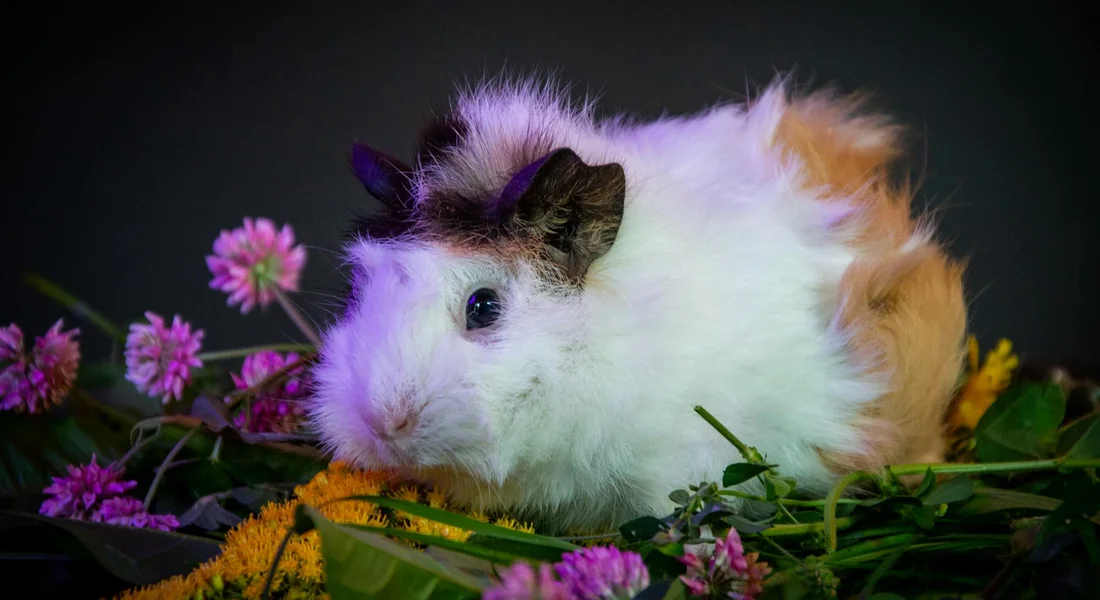
Watching for these positive shifts tells you your new friend is starting to feel at home. I’ve found that the smallest changes in behavior are often the most telling signs of progress.
- Increased Appetite: A guinea pig that eagerly munches on hay and looks forward to veggie time is a happy guinea pig.
- Confident Exploration: You’ll see them cautiously venturing out from their hidey-hole to sniff around their cage.
- Happy Vocalizations: Listen for soft, contented “wheeking” sounds, especially when they hear the crinkle of a produce bag.
- Relaxed Body Language: A calm guinea pig will stretch out, yawn, or groom themselves without constantly freezing.
- Curious Interactions: They might start gently nudging your hand or showing interest when you’re near the cage.
My Peruvian, Biscuit, was so reserved for the first few weeks he’d barely leave his fleece forest. Then one morning, I saw him popcorning-a joyful little leap-and I knew his cautious nature was finally giving way to comfort.
Steps to Create a Calm and Safe Environment
Setting Up the Ideal Cage
A proper home setup is the foundation for a smooth transition. To build the setup for a perfect guinea pig cage, focus on a roomy, sturdy enclosure. Prioritize safety, space, and easy maintenance. Guinea pigs feel secure when their basic needs for space and privacy are met without compromise. For more detailed guidance, visit this resource.
- Cage Size & Placement: Use a cage that’s at least 7.5 square feet for one pig, but 10.5 square feet is my personal minimum for a pair. Place it in a quiet corner away from loud TVs, direct sunlight, and drafty windows.
- Security with Hides: Provide at least two hideouts, like small wooden houses or fleece-covered tunnels, so your pig always has a safe place to retreat.
- Safe Bedding Options: I prefer soft paper-based bedding or fleece liners because they are gentle on sensitive feet and help control odor. Avoid cedar or pine shavings, as the fumes can irritate their respiratory systems.
Keeping their environment stable is just as important as the initial setup. Avoid moving the cage around or making loud, sudden noises nearby to help them feel permanently settled.
Enrichment and Routine for Stress Reduction
- Simple Enrichment Items: Start with basic cardboard tunnels, untreated willow balls, or a handful of fresh hay stuffed in a toilet paper tube. These items encourage natural foraging and chewing behaviors without overwhelming them.
- Establish a Daily Routine: Feed them at the same times each day and try to handle them during predictable, quiet periods. Consistency builds trust and tells your guinea pig what to expect.
- Observation Without Intrusion: Spend time sitting quietly near their cage, perhaps reading or talking softly. This lets them get used to your presence without the pressure of direct interaction, which was a game-changer for building trust with my shy pig, Clover.
Handling and Socialization During Adjustment
Gentle Handling Techniques
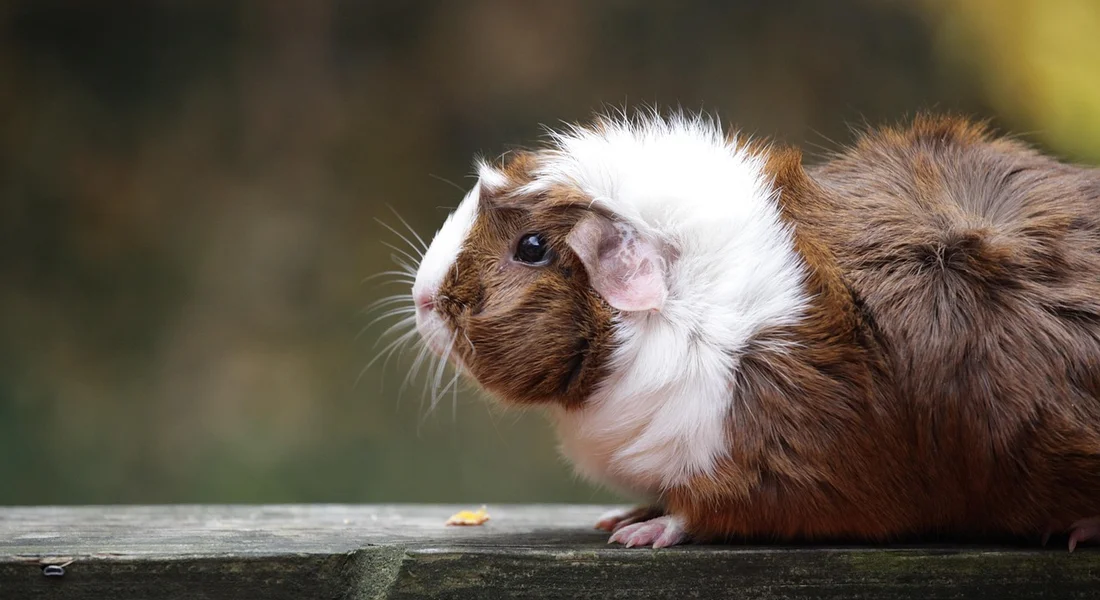
Start by handling your new guinea pigs for just 5-10 minutes daily to avoid overwhelming them. Short, consistent sessions build familiarity without causing fear or stress. I learned this with Biscuit, my Peruvian guinea pig, who would freeze up if I tried to hold him too long at first. This steady approach helps your new guinea pig feel safe and acclimated. Maintain a calm environment, speak softly, and end each session on a positive note.
- Begin with hand-feeding veggies like bell peppers or cilantro to encourage them to approach you willingly.
- Sit near their cage and speak softly, letting them get used to your voice and presence before attempting to pick them up.
- Use both hands to scoop them up gently, supporting their entire body to make them feel secure.
Never force interaction if they retreat or vocalize discomfort. Respecting their boundaries helps trust grow faster and reduces the risk of bites or escapes. With Clover, I waited until she came to me on her own, which made our bond stronger over time.
Companion Pairing and Introductions
Introduce guinea pigs to other pets or new companions only after they’ve settled in, typically after a week or two. Slow, supervised meetings in a neutral space prevent territorial disputes and ease anxiety. I always use a playpen for first encounters with my cats, keeping a close eye on body language. It’s important to introduce your guinea pig to other pets safely.
- Pair guinea pigs for emotional support by choosing compatible personalities, like my gentle Pepper and graceful Clover who comfort each other.
- Watch for positive signs like sniffing or gentle nudges, and separate them if you see chasing or teeth chattering.
- Keep initial sessions brief, around 10-15 minutes, and gradually extend time as they become more comfortable.
Supervision is key to catching stress early. Guinea pigs thrive in pairs, but rushed introductions can lead to loneliness or fights, so patience pays off. When introducing a baby guinea pig to an adult, a careful, gradual approach is essential. A safe introduction guide can help minimize stress and ensure a good bond.
Nutrition, Health, and Stress Management
Foods to Avoid During Adjustment
Steer clear of sugary treats like fruits or commercial snacks, which can upset their digestion and increase stress. A balanced diet of timothy hay, fresh vegetables, and high-quality pellets supports immune health and calm behavior. I avoid giving my guinea pigs iceberg lettuce because it lacks nutrients and can cause bloating.
- Limit high-sugar items like carrots or apples to occasional small pieces to prevent weight gain and digestive issues.
- Ensure fresh water is always available in a clean bottle, and change it daily to encourage hydration.
- Introduce new foods gradually over a week to avoid stomach upsets, mixing small amounts with their usual diet.
Hay should make up about 80% of their diet. Consistent feeding routines reduce anxiety by providing predictability during this uncertain time.
Recognizing Warning Signs and Veterinary Care
- Look for stress indicators like excessive hiding, reduced appetite, or unusual vocalizations-Biscuit stopped eating when he felt overwhelmed, signaling he needed space.
- Schedule a post-adoption vet check within the first week to catch hidden health issues and get advice on diet or care adjustments.
- Monitor for weight loss, lethargy, or changes in poop consistency, as these can point to illness requiring prompt attention.
Trust your instincts if something seems off. Early intervention with a vet can prevent minor issues from becoming serious, keeping your guinea pig healthy and happy. For a newly adopted guinea pig, schedule its first veterinary check-up soon after you bring it home. A vet can establish a baseline health and discuss diet, housing, and preventive care.
FAQs
How long does a guinea pig take to adjust to a new home?
The adjustment period can range from a few days to several weeks, depending on factors like age and personality. Be patient and allow your guinea pig to set the pace for feeling secure in their new environment. For your new guinea pig’s first 30 days, use a complete week-by-week acclimation guide to structure gentle, gradual steps. This helps you monitor progress, build trust, and ease them into their new home.
What foods should be avoided during a guinea pig adjustment?
Avoid sugary treats like fruits and commercial snacks, as they can upset digestion and increase stress. Focus on providing unlimited hay, fresh vegetables, and high-quality pellets to support their health and comfort.
How often should you handle a new guinea pig to aid adjustment?
Handle your guinea pig for short, gentle sessions of 5-10 minutes daily to build familiarity without causing fear. Always respect their boundaries and increase handling time gradually as they show signs of comfort. For more detailed guidance, learn how to tame, restrain, and safely handle your guinea pig.
Your Journey Together Has Just Begun
Give your new guinea pigs the gift of patience and a quiet, predictable routine as they learn to trust you and their new home. Pay close attention to their unique personalities and behaviors, responding with gentle care and plenty of their favorite veggies. This is part of properly caring for guinea pigs. A clean, spacious enclosure and regular vet checkups help them thrive.
Being a fantastic pet parent means committing to lifelong learning about their needs, from proper nutrition to creating a stimulating habitat. You can even make eco-friendly choices, like using paper-based bedding, to care for your pets and the planet they live on.
Further Reading & Sources
- The Ultimate Guide to Bonding with Your Guinea Pigs 2022 – GuineaDad
- Time Mating Guinea Pigs by Monitoring Changes to the Vaginal Membrane throughout the Estrus Cycle and with Ultrasound Confirmation – PMC
- 3 Ways to Help Your Guinea Pig Adjust to You – wikiHow
- How long does it take for new guinea pigs to settle in a new home? – Quora
Kate is a passionate guinea pig owner and advocate for small pet welfare. With over a decade of experience caring for guinea pigs, she has become a trusted voice in the small pet community.
Uncategorized