How to Transition Your Guinea Pig to a New Type of Hay
Hello CavyFam! Switching your guinea pig’s hay can feel overwhelming, especially if you’re concerned about upsetting their sensitive stomachs or causing stress.
You might worry about picky eating or digestive troubles, but a careful approach makes all the difference for your furry friend’s well-being.
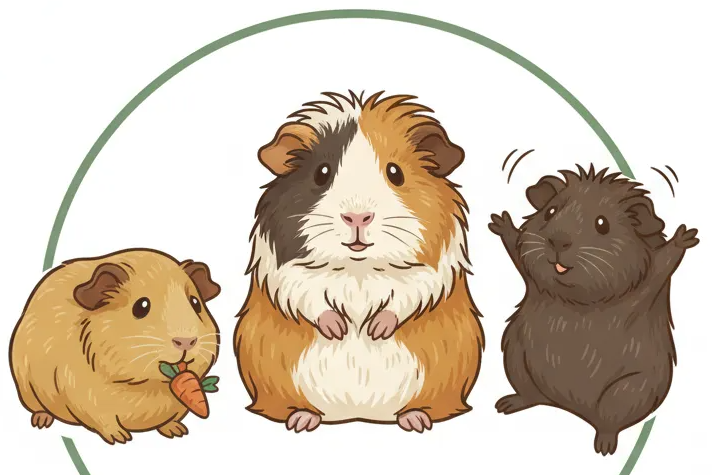
In this guide, I’ll cover why hay changes matter, a step-by-step transition plan, common mistakes to skip, and how to spot health issues early. Having cared for my guinea pigs Pepper, Clover, and Biscuit through several hay switches, I’ve learned what keeps them happy and healthy.
Why a Proper Hay Transition Matters for Your Guinea Pig
- Hay serves as the primary source of fiber, which keeps your guinea pig’s digestive system active and healthy. Fiber prevents dangerous conditions like gastrointestinal stasis by promoting regular bowel movements.
- Abrupt hay changes can disrupt their delicate gut flora, leading to diarrhea, bloating, or refusal to eat. I learned this the hard way when a quick switch left Pepper feeling off for a day.
- Gradually mixing old and new hay over a week helped my guinea pigs, like gentle Clover, adapt without stress. Slow introductions are a simple step to protect your pet from unnecessary discomfort.
Common Hay Types and Their Benefits for Guinea Pigs
- Timothy hay offers high fiber and low calcium, ideal for maintaining weight and digestion in adults. Its coarse texture naturally files down teeth, reducing dental issues.
- Orchard grass is soft and mild, making it a hit with selective eaters who prefer gentler options. This hay blends well with others to add variety without upsetting stomachs.
- Meadow hay provides a diverse mix of grasses, enriching their diet with different nutrients and flavors. It’s a fantastic way to mimic the natural foraging behavior guinea pigs enjoy.
- Alfalfa hay is packed with protein and calcium, supporting growth in young or underweight pigs. However, its richness means it should be limited for adults to avoid obesity.
- Comparing nutrients, Timothy and orchard hays generally have decent vitamin C, while alfalfa is higher in calories. Always opt for fresh, green hay to maximize vitamin intake for immune health.
- Age plays a big role-alfalfa suits babies under six months, but adults thrive on Timothy or orchard hay. I transitioned Biscuit from alfalfa as he matured to keep his weight in check.
Timothy Hay: A Staple for Adult Guinea Pigs
- Its high fiber content supports digestion and helps prevent hairballs and blockages. Regular chewing on Timothy hay keeps teeth trim and healthy.
- Many guinea pigs, like steady Pepper, adore its crisp texture and earthy scent. This hay’s familiar feel encourages consistent eating habits in my herd.
Orchard and Meadow Hays: Gentle Alternatives
- The soft, pliable strands are easier on sensitive mouths, perfect for picky or older pigs. Graceful Clover always nibbles more eagerly on orchard hay after a stressful day.
- Mixing these with Timothy hay introduces new tastes and textures safely. I blend hays to keep meals exciting and ensure my pets get a balanced diet.
Alfalfa Hay: When to Use It
- It’s best for growing guinea pigs or those needing extra calories, like underweight individuals. Alfalfa helped Biscuit gain strength during his first year without issues.
- Overfeeding alfalfa can lead to weight gain and urinary stones in adults. I reserve it for occasional treats to support my pigs’ well-being long-term.
Step-by-Step Guide to Introducing New Hay
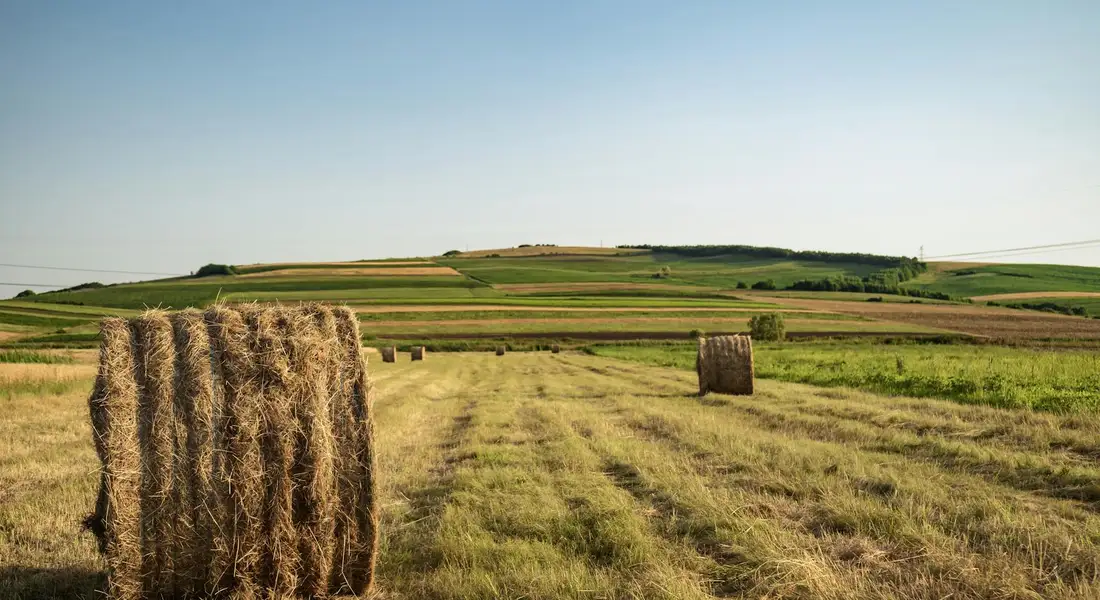
When I first switched my guinea pigs Pepper and Clover to a different hay, I learned that patience is key to avoiding tummy troubles. A slow, steady approach helps their sensitive digestive systems adapt without stress.
- Start with a small amount of new hay mixed with old.
- Gradually increase the ratio over 7-10 days.
- Monitor eating habits and adjust based on acceptance.
- Ensure fresh, mold-free hay is always available.
I always check each batch for any damp or musty spots to keep my pets safe. Fresh hay encourages natural foraging and supports dental health, which is vital for guinea pigs. Because hay supplies the fiber essential for digestion and daily tooth wear, it is the cornerstone of a guinea pig’s diet. Without enough hay, they can develop dental problems and digestive issues.
How to Mix Hays for a Gradual Blend
In my setup, I use a simple hay box to keep things tidy and make blending easy. This method reduces waste and lets you see exactly how much they’re eating.
- Begin with a mix of 25% new hay and 75% old hay for the first few days.
- Shift to 50-50 by day four, then 75% new hay by day seven, aiming for 100% new hay after 10 days.
- Place the mixture in a hay feeder or box to minimize mess and make it accessible.
With Biscuit, who’s more reserved, I found that a hay box helped her feel secure while exploring the new texture. Using a dedicated container makes it simpler to track their intake and spot any uneaten hay.
Setting a Feeding Schedule During Transition
Consistency helps you notice small changes in behavior early on. Feed at the same times each day, like morning and evening, to establish a routine.
- Offer hay during set periods, such as after playtime or before bed, to observe patterns in appetite.
- Weigh your guinea pig every 2-3 days using a small scale; stable weight indicates good adjustment.
I weigh Pepper weekly and jot it down in a notebook-it’s a simple habit that alerts me to health shifts. Regular weighing lets you catch weight loss quickly, which can signal digestion problems.
Monitoring Your Guinea Pig’s Health and Behavior
Watch for subtle cues in their daily habits to ensure the transition is smooth. Healthy guinea pigs show curiosity and steady energy levels when they’re comfortable with new food. To help your new guinea pig feel safe and acclimated, keep noise low and provide a cozy hiding spot. Establish a predictable daily routine and gentle handling to build trust.
- Check stools daily for firm, oval shapes; soft or misshapen droppings can mean GI upset.
- Good digestion includes normal activity and regular eating, while signs like bloating or reduced appetite point to issues.
- Let them sniff the new hay first-if they nibble eagerly, it’s a good sign they accept the scent and texture.
With Clover, I noticed she’d gently test the hay with her teeth before diving in, which told me she was adjusting well. Paying attention to these small behaviors helps you tailor the pace to their comfort.
Recognizing Signs of a Successful Transition
When the change goes smoothly, your guinea pig will act like their usual self. To know if your guinea pig is happy, look for calm, alert behavior and curiosity. Positive indicators include lively movements and a consistent interest in mealtime. These cues help you gauge its happiness.
- Look for eager eating, normal playfulness, and social interactions with cage mates.
- Stable weight and uniformly shaped, dry droppings confirm healthy digestion.
After Biscuit’s transition, her weight held steady and she started popcorning-a happy jump that shows all is well. These signs mean their body is thriving on the new hay without discomfort.
When to Seek Veterinary Advice
If you spot worrying changes, don’t wait—guinea pigs hide illness well. When choosing a new guinea pig, do a quick health-check look: check the eyes, coat, teeth, and movement to gauge overall health. Look for bright eyes, a clean coat, and steady movement. Quick action can prevent minor issues from becoming serious health risks.
- Red flags include lethargy, refusal to eat for over 12 hours, or signs of pain like hunched posture.
- Seek vet care immediately for diarrhea, weight loss, or bloating, as these can indicate digestive blockages.
I once rushed Pepper to the vet for slight lethargy, and early treatment saved him from a bigger problem. Trust your instincts; you know your pet best, and prompt care supports their welfare.
Troubleshooting Common Hay Transition Problems
Switching hay types can feel daunting, but I’ve learned from my trio-Pepper, Clover, and Biscuit-that a few smart strategies make all the difference.
- For picky eaters, blend small amounts of new hay with their trusted favorite to ease them in without stress.
- If your guinea pig snubs the new hay entirely, try placing it in high-traffic areas where they naturally graze.
- Watch for soft stools or reduced appetite as signs of digestive adjustment, and always prioritize their comfort.
Dealing with Hay Refusal or Picky Eating
When Pepper, my steady American, turned up his nose at a new hay, I mixed in bits of his beloved orchard grass to spark curiosity.
- Combine hays in a 75% old to 25% new ratio, gradually shifting over 1-2 weeks to build acceptance.
- Stay patient-Clover, my thoughtful Abyssinian, took days to nibble new blends, but consistency paid off.
Preventing and Managing Digestive Upsets
Fiber is non-negotiable for gut health, so I slow transitions to keep digestion steady, especially for sensitive pigs like Biscuit.
- Introduce new hay over 7-10 days to maintain fiber levels and avoid sudden upsets like bloating.
- If stools loosen, pause the new hay for a day and revert to the old type before trying again gently.
Best Practices for Hay Storage and Handling
Fresh, aromatic hay keeps guinea pigs eager to eat, and proper storage locks in nutrients while preventing waste. To maintain that freshness, store hay in a cool, dry place in a breathable bag or container. Keep it away from moisture and direct sunlight.
- Store hay in a cool, dry place away from sunlight to stop mold growth and preserve its green color.
- Use airtight containers or breathable bags to maintain freshness and protect against pests.
- Hay feeders cut down on mess and encourage natural foraging, reducing trampled or soiled hay.
Choosing the Right Hay Feeder
I tested hay bags and boxes with my crew-Biscuit’s intelligence made her adept with racks, while Clover preferred open trays.
- Hay bags hang easily and save space, but check for loose threads to prevent eye injuries.
- Solid boxes or racks with wide openings allow safe access without poking risks, ideal for active pigs.
Ensuring Hay Quality and Freshness
Crunchy, sweet-smelling hay means top quality, while musty odors or brown spots signal it’s time for a new batch.
- Inspect each handful for mold, dust, or discoloration before serving to avoid respiratory issues.
- Buy from reputable farms or stores with high turnover to ensure consistent, fresh supply for your herd.
FAQs
What is the best way to use a hay feeder to reduce mess?
Opt for enclosed hay feeders or racks that keep hay contained and accessible. Regularly clean the feeder and surrounding area to prevent waste and maintain hygiene. Pairing a sturdy hay rack with the right bedding is part of the best hay rack bedding solutions for guinea pigs. A well-chosen setup helps minimize mess and keeps your pets comfortable.
Are hay bags effective for feeding guinea pigs?
Hay bags can minimize mess by holding hay securely and encouraging natural foraging. When comparing hay racks to a loose hay pile, hay racks promote natural foraging by encouraging movement. Loose piles, by contrast, can lead to faster, less selective feeding. Always choose bags without loose threads to prevent injuries and ensure easy refilling.
Where can I find fresh hay for my guinea pig locally?
Look for hay at pet stores, farm supply shops, or local farms that specialize in small animal care. Inspect the hay for green color and a sweet smell to ensure it’s fresh and mold-free.
Is Oxbow brand hay suitable for transitioning my guinea pig?
Oxbow hay is a reliable choice due to its consistent quality and variety, like Timothy or orchard grass. Gradually mix it with their current hay over a week to support a smooth transition.
What should I do if my guinea pig gets hay in its eye?
Gently rinse the eye with a vet-approved saline solution and monitor for redness or discharge. Seek veterinary advice if irritation persists to prevent infection and consider switching to softer hay types. To prevent hay poke eye injury, inspect hay before feeding and remove any sharp pieces. Handle hay gently to avoid close contact with the eyes.
Your Guinea Pig’s Smooth Hay Transition Journey
Gradually mix new hay with the old over a week or more to keep your guinea pig’s digestion stable and stress-free. I’ve seen with Pepper, Clover, and Biscuit that slow changes prevent picky eating and health scares, so stick to a steady routine. This approach also helps prevent common hay-related problems like dental issues and digestive upset.
Responsible pet ownership means always seeking out eco-friendly hay options and staying curious about improving your guinea pigs’ well-being. By choosing sustainable products and learning continuously, you help protect our planet while giving your pets the best life possible. A true emotional commitment to guinea pigs ownership shows in daily care and steady routines.
Further Reading & Sources
- What are the Best Types of Hay for Guinea Pigs? – Oxbow Animal Health
- A Pet Owner’s Guide to Hay for Guinea Pigs– The Hay Experts
- What Type of Food to Feed Your Guinea Pig – Rabbit Hole Hay
- Fresh, Healthy Hay Choices for Guinea Pigs | Small Pet Select – Small Pet Select U.S.
Kate is a passionate guinea pig owner and advocate for small pet welfare. With over a decade of experience caring for guinea pigs, she has become a trusted voice in the small pet community.
Uncategorized