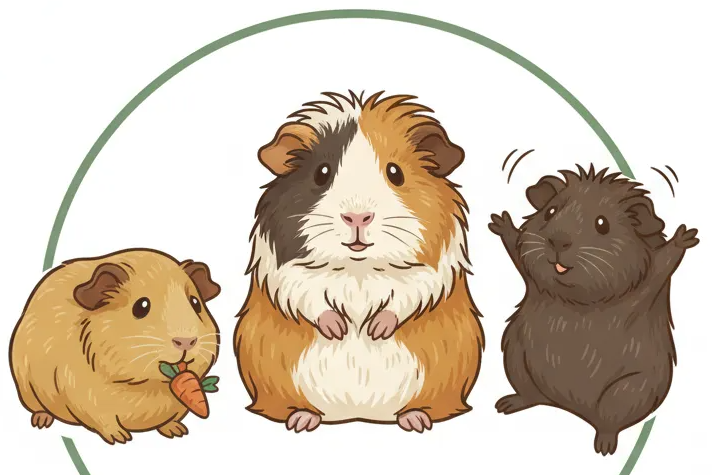
Hay: The Heart of Your Guinea Pig’s Diet
Hello CavyFam! You might wonder why that pile of hay is so crucial for your furry friend, and what could happen if they don’t get enough of it. It’s a common worry, but a simple one to solve once you understand the “why” behind it.
In this article, we’ll explore why hay is non-negotiable for health, the best types of hay to offer, how much they need daily, and the most common feeding mistakes to avoid. I’ve learned all this through years of caring for my own guinea pigs, Pepper, Clover, and Biscuit.
The Vital Benefits of Hay for Digestion and Dental Care
Hay’s high fiber content keeps your guinea pig’s digestive system moving smoothly, preventing food from getting stuck and causing issues like bloating. Fiber acts like a natural broom, sweeping through their gut to maintain healthy motility and support hindgut fermentation in the cecum, where nutrients are extracted from plant material. This process is essential for their energy and overall well-being.
Chewing on hay constantly wears down their ever-growing molars and provides vital jaw exercise. Without this daily grind, their teeth can overgrow, leading to pain, difficulty eating, and costly vet visits for dental care. It’s a simple, natural way to keep their chompers in check.
- Prevents obesity by promoting satiety with low-calorie, high-fiber intake
- Offers mental enrichment through natural foraging behaviors, reducing boredom
- Supports a healthy gut microbiome, reducing risks of digestive disorders
- Encourages natural chewing instincts, keeping them active and engaged
I noticed a big change with my guinea pig Clover when I switched to Timothy hay. Her digestion improved noticeably-fewer soft droppings and more consistent eating habits-making her more playful and content. It reinforced how crucial the right hay is for their daily health.
How Much Hay Does Your Guinea Pig Need Daily?
Provide unlimited access to hay around the clock to ensure they never run out. This constant supply helps manage weight by keeping them full on fiber-rich food and supports their natural grazing instincts. It’s the best way to mimic their wild diet and prevent overeating of other, higher-calorie foods.
- Start by filling a hay rack or feeder completely each morning-aim for a pile about the size of your guinea pig’s body.
- For young guinea pigs under six months, offer extra hay to support rapid growth and development.
- Adult guinea pigs should have hay replenished whenever it gets low, typically once or twice daily.
- Use a kitchen scale occasionally to check intake; most eat roughly their body weight in hay over a few days.
Signs of proper hay consumption include steady weight, firm oval-shaped droppings, and active foraging behavior. If you see weight loss, lethargy, or small irregular droppings, it might mean they’re not eating enough hay and need a diet adjustment. Underfeeding can lead to serious health issues like GI stasis.
With my guinea pig Biscuit, I monitor his hay intake closely because he has a tendency to gain weight. By ensuring he always has fresh Timothy hay available, I’ve kept his weight stable and avoided obesity-related problems. It’s a small daily habit that makes a huge difference in their quality of life.
Selecting the Best Hay Types for Different Life Stages

Choosing the right hay is like picking the perfect daily multivitamin for your guinea pig; it directly impacts their long-term vitality. When you choose the best hay for your guinea pig, you support digestion and dental health. Take time to compare hay types and quality to find the most nutritious option.
The type of hay you provide can significantly influence your pet’s digestive health and urinary tract function.
Let’s compare the most common options available to owners.
Comparing Common Hay Types
- Timothy Hay: High in fiber, low in calcium and protein. This is the gold-standard, all-purpose hay that promotes healthy digestion and wear on constantly growing teeth.
- Meadow Hay: A general mix of grasses, similar to Timothy in its fiber content and low calcium. It offers variety in taste and texture, which can entice pickier eaters.
- Alfalfa Hay: A legume hay, not a grass. It is rich in calcium and protein, which is fantastic for growing bodies but risky for adults.
Feeding alfalfa to an adult guinea pig can lead to painful bladder stones due to its high calcium content.
Hay Guide by Life Stage
| Life Stage | Recommended Hay | Reasoning |
|---|---|---|
| Young (Under 6 months) & Pregnant/Nursing Sows | Unlimited Alfalfa Hay, or a Timothy/Alfalfa Mix | Supports rapid bone growth and milk production with extra protein and calcium. |
| Adult (Over 6 months) | Unlimited Timothy or Meadow Hay | Maintains health without the urinary risks of excess calcium. This is the staple for life. |
In my own herd, I transitioned my guinea pigs from an alfalfa mix to pure Timothy hay right around their six-month birthday. This simple switch is one of the most effective preventative health measures you can take. When you transition your guinea pig to a new type of hay, do it gradually—start with a small amount of Timothy mixed with their current hay and gradually increase over several days.
How to Identify Top-Quality Hay
Your guinea pig will be the ultimate judge, but you can be a savvy shopper by using your senses.
- Look for Green Color: The hay should be mostly green, not yellow or brown. This indicates it was dried properly and retains nutrients.
- Sniff for Sweetness: Good hay has a fresh, sweet, almost floral aroma. Avoid any hay that smells musty, dusty, or like mildew.
- Check for Softness: It should feel pliable and soft to the touch, not stiff and stalky, which is harder for them to eat and less nutritious.
Fresh hay is not just about nutrition; its enticing smell and texture are what encourage your pig to munch all day long.
Recognizing and Solving Hay Refusal Issues
A guinea pig turning up its nose at hay is a major red flag that demands immediate attention.
Ignoring hay refusal can quickly lead to a cascade of serious, and sometimes fatal, health complications.
-
Spot the Warning Signs of Low Hay Intake
Watch for these subtle and not-so-subtle clues that your pet isn’t eating enough fiber.
- Weight Loss: A sudden or gradual drop in weight is a primary indicator.
- Smaller or Fewer Droppings: Healthy guinea pigs produce a large amount of feces. A decrease means their gut isn’t moving.
- Overgrown Teeth: Their front teeth may appear long, or they may drool and have difficulty eating other foods.
- Lethargy and Hunched Posture: A sign of gut pain or stasis, which is a medical emergency.
Weighing your guinea pig weekly is the single best way to catch health issues, including hay refusal, before they become critical. This is especially true on days when you find your guinea pig refusing to eat hay.
-
Understand Why Your Guinea Pig is Refusing Hay
The cause usually falls into one of three categories.
- Poor Hay Quality: Stale, dusty, or brown hay is unappetizing. Would you eat stale crackers?
- Underlying Health Problems: Dental pain, mouth sores, or respiratory issues from hay dust can make eating painful.
- Boredom with the Offering: Just like us, they can get tired of eating the exact same thing every single day.
-
Encourage Reluctant Eaters with Simple Strategies
If your guinea pig is healthy but just being picky, you have several tools to tempt them.
- Mix Hay Types: Combine their usual Timothy with a handful of fragrant Orchard Grass or Meadow hay to spark interest.
- Use a Fun Feeder: Stuff hay into cardboard tubes or a dedicated hay rack toy to turn mealtime into playtime.
- Hand-Feed: Sometimes, the personal touch works. Offer small handfuls directly from your hand to build positive associations.
- Ensure Fresh Supply: Always remove old, soiled hay and replace it with a fresh, fluffy pile at least once a day.
Making hay a part of their environment and play, rather than just a food in a bowl, stimulates their natural foraging instincts.
-
A Personal Story: Solving Pepper’s Picky Eating
My gentle boy, Pepper, once went through a phase of hay refusal that had me worried.
He was healthy at the vet, but his Timothy hay was being ignored. I realized the new bag I’d bought was particularly stalky and lacked the sweet smell he loved.
The solution was simple: I bought a small bag of very green, soft Orchard Grass and mixed it 50/50 with his Timothy. The new texture and aroma immediately caught his attention. Within a day, he was munching happily again. This experience taught me that a slight variation in hay can make all the difference for a discerning guinea pig palate. For many guinea pig owners, Timothy hay is the staple, with orchard grass offering a gentler texture and a tasty alternative. If you’re weighing which is better for your guinea pig, starting with a mixed approach can help you see what your pig prefers.
Storing and Serving Hay to Maintain Freshness and Hydration

Keeping hay dry and mold-free is my top priority for my herd’s health. I store all hay in a cool, dark closet inside airtight plastic bins to block moisture and pests. Proper storage is key to maintaining freshness and avoiding spoilage. When hay stays dry and sealed, it stays fresh and palatable for my guinea pigs. This simple method preserves that sweet grassy smell my guinea pigs adore.
Choosing the right hay feeder drastically cuts down on waste. I’ve found that no-mess hay bags or covered racks keep the hay cleaner and more enticing for munching. My guinea pigs, especially Biscuit, used to kick hay everywhere, but these designs contain the mess beautifully. These setups also align with the best hay racks and bedding solutions for guinea pigs. Combined, a sturdy rack and soft, absorbent bedding make cleanup easier and your piggies happier.
High-quality hay does more than just fill their bellies. Fresh, dry hay supports their hydration and keeps their complex digestive systems moving smoothly. A well-hydrated gut is a healthy gut, preventing painful issues like bloat or stasis.
My personal storage trick involves a dedicated cabinet. I keep a week’s supply of hay in a small bin by their cage and store the main bale separately to maintain maximum freshness for Pepper, Clover, and Biscuit. This rotation system ensures they always get the best.
Balancing Hay with Pellets and Veggies for a Complete Diet
Hay should be the star of every meal. I follow the 80/20 rule where hay makes up 80% of their daily intake, with pellets and veggies filling the remaining 20%. This balance mimics their natural foraging instincts and keeps their teeth in perfect shape.
Vitamin C-rich vegetables are crucial partners to hay. I supplement their endless hay supply with bell peppers, kale, and the occasional bit of parsley for a nutritional boost. These veggies provide essential nutrients that hay alone doesn’t supply in sufficient quantities.
Constant access to hay prevents both nutritional deficiencies and boredom. Hay’s rough texture and long fibers create a feeling of fullness while grinding down their ever-growing teeth. My gentle Pepper would happily munch hay all day if I let him.
My herd gets their variety through careful planning. I offer unlimited timothy hay always, then add a quarter cup of fortified pellets and a cup of fresh veggies per pig each day. Meeting the daily hay requirement is essential for guinea pigs, so unlimited timothy hay helps ensure they always have access. This routine keeps all three of my guinea pigs excited for mealtime while maintaining their health.
When to Seek Veterinary Help for Hay-Related Concerns
-
Watch for clear symptoms that demand a vet’s attention. Bloating makes your guinea pig’s belly feel hard and swollen, often paired with lethargy or refusal to eat. Tooth overgrowth can cause drooling, weight loss, or difficulty chewing. If you notice a distended abdomen or teeth that look too long, don’t wait-contact your vet right away. I’ve felt Pepper’s firm belly during a scare, and it was a stark reminder how quickly things can turn.
-
Sudden hay avoidance is a major red flag. Guinea pigs rely on hay for digestion and dental health, so if they stop eating it, something is wrong. This could signal pain from dental issues, an infection, or stress. Any abrupt change in hay consumption often points to an underlying problem that needs professional diagnosis. Clover once ignored her hay for a day, and it turned out to be early signs of a tooth issue we caught in time. If you’re wondering why your guinea pig isn’t eating hay, here’s a quick troubleshooting checklist to help identify common causes. Start by assessing dental health, checking hay freshness and palatability, and looking for stressors that could be affecting appetite.
-
Prepare for your vet visit with these simple steps. First, jot down when symptoms started and any behavior changes. Gather a small sample of the hay your guinea pig eats—this lets the vet check for mold or poor quality. Bring notes on their diet and environment too. Having a hay sample on hand can help your vet pinpoint issues faster and tailor treatment. I always pack a ziplock of hay when I go, and it has made appointments smoother. These steps are especially helpful when guiding your new guinea pig through their first veterinary check up.
-
I recall when Biscuit, my reserved Peruvian, faced digestive trouble. He stopped nibbling hay and grew listless; his dark brown fur seemed dull. I rushed him to the vet, who found a minor blockage from low fiber intake. With prompt care, including fluid therapy and a hay-focused diet, he bounced back quickly. That experience taught me how vital quick action is-it saved Biscuit from a worsening condition and reinforced the importance of monitoring hay habits closely.
FAQs
How can I use a no-mess hay feeder for my guinea pig?
No-mess hay feeders feature enclosed designs that contain hay and limit spillage in the cage. They promote natural foraging behavior while keeping the living area tidy and reducing waste.
What is a guinea pig hay bag and how does it work?
A hay bag is a fabric or mesh container that holds hay, allowing guinea pigs to nibble through small openings. It helps minimize mess by containing loose strands and encourages steady eating throughout the day, especially when compared to loose hay piles or hay racks.
Where can I find quality hay for my guinea pig locally?
Check pet supply stores, local farms, or retailers like Walmart for fresh hay options near you. Always inspect hay for a green color and sweet aroma to ensure it’s nutritious and safe for your pet.
What should I do if my guinea pig gets hay in its eye?
Gently rinse the eye with a vet-approved saline solution to remove any debris and soothe irritation. If swelling or discharge persists, seek veterinary care promptly to prevent infection or further injury.
Is Oxbow a reliable brand for guinea pig hay?
Oxbow is a reputable brand offering consistent, high-quality hay that supports guinea pig health with proper fiber and nutrient levels. Many owners trust it for its freshness and low dust content, which reduces respiratory risks.
Your Guinea Pig’s Health Starts with Hay
Always provide an unlimited supply of fresh, high-quality hay to support healthy digestion and maintain those ever-growing teeth. This simple, fibrous staple is non-negotiable for their daily well-being and happiness.
Being a fantastic guinea pig owner means committing to their lifelong care and always seeking new ways to improve their lives. Explore eco-friendly bedding and toy options to create a safe, stimulating, and sustainable home for your wonderful pets.
Further Reading & Sources
- The Best Types of Guinea Pig Hay | GuineaDad
- What should I feed my guinea pigs? – RSPCA Knowledgebase
- Best Hays for Guinea Pigs – Nutritional Breakdown Comparison – The Little Hay Company
- Guinea pig feeding schedule and dietary needs | Humane World for Animals
Kate is a passionate guinea pig owner and advocate for small pet welfare. With over a decade of experience caring for guinea pigs, she has become a trusted voice in the small pet community.
Uncategorized