How to Introduce a Baby Guinea Pig to an Adult: A Safe Guide
Published on: January 15, 2026 | Last Updated: January 15, 2026
Written By: Kate M. Callahan
Hello CavyFam! Bringing a new baby guinea pig home is so exciting, but mixing them with your adult pig can feel nerve-wracking. You want them to be best friends, but you also worry about fights or stress.
In this guide, I’ll walk you through the safe, step-by-step process I use with my own trio: setting up a neutral space, reading their body language, managing the first face-to-face meeting, and handling common hiccups.
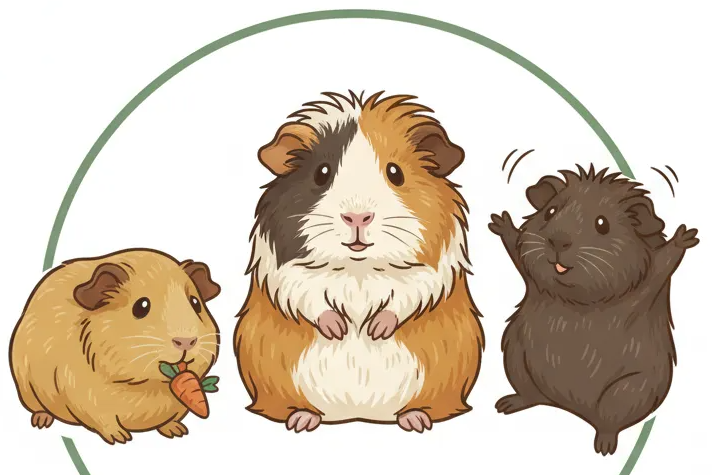
I’ve personally guided my gentle adult guinea pigs, Pepper and Clover, through successful introductions with our younger pig, Biscuit.
Essential Pre-Introduction Steps
Before any face-to-face meeting, take these precautions to ensure a safe and stress-free start. I always begin with a thorough health check and quarantine period, as skipping this step can lead to illness spreading between your pets. Following this, a guinea pig quarantine guide recommends isolating new cavies for a couple of weeks and monitoring their health. Only after they’re clear should you slowly introduce them to your existing pets.
- Schedule a vet exam for both guinea pigs to detect any hidden health issues like mites or respiratory infections. Quarantine the new baby in a separate cage for at least two weeks; when I brought Biscuit home, this isolation period helped me monitor his energy and appetite without risking Pepper or Clover’s well-being.
- Confirm the sex of each guinea pig to prevent unintended breeding-males and females must live apart. Consider age differences too; adults like Clover may assert dominance, while babies like Biscuit need gentle handling. In my herd, keeping all same-sex pairs has avoided territorial fights and kept everyone content.
- Gather essential supplies: two separate cages for initial housing, multiple hideouts like small boxes or tunnels for retreats, and fresh vegetables such as bell peppers or cilantro to use as calming treats during introductions. Having these on hand made Biscuit’s first encounters with the others much smoother and less intimidating.
Creating a Neutral Space for Introduction
Set up a brand-new area where neither guinea pig feels ownership, reducing the chance of aggression. I use a clean, enclosed space like a playpen or a towel-lined bathtub, as it eliminates familiar scents that can trigger disputes. If they still don’t get along, don’t force interactions—separate them and try a slow, supervised reintroduction after a short break. During reintroductions, keep them in a neutral space and watch for signs of stress or aggression.
- Choose a quiet room with minimal noise and distractions to keep stress levels low. Remove any items from their usual cages, and lay down fresh bedding or towels to create a scent-free zone. For Pepper and Biscuit’s first meeting, I picked a corner away from household traffic, and their relaxed behavior showed it worked wonders.
- Swap scents between the baby and adult by exchanging bedding or toys a few days before the introduction. This helps them recognize each other’s smell without direct contact. I often rub a cloth on one guinea pig and place it in the other’s cage; with Clover and Biscuit, this simple step eased their curiosity and built familiarity.
- Maintain a calm atmosphere by speaking softly and avoiding sudden movements during the process. Stress can escalate tensions, so I always sit quietly nearby to observe without interfering. This approach helped my trio adjust gradually, fostering a peaceful bond over time.
Step-by-Step Introduction Process
-
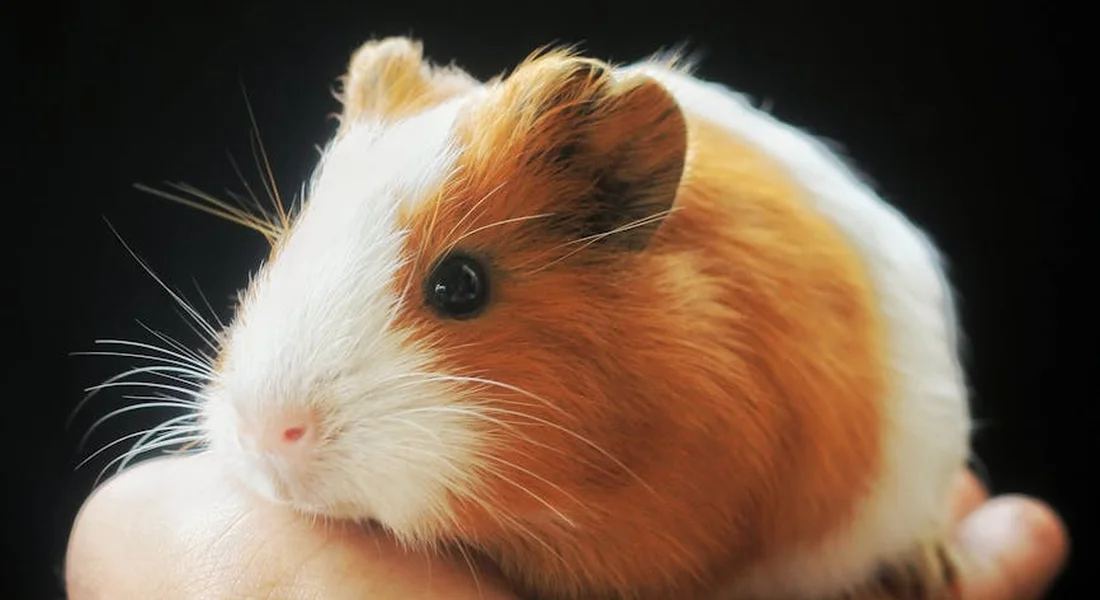
Begin the introduction on neutral ground, like a playpen neither guinea pig has claimed. I always use my bathroom floor for Pepper and new babies because its tile surface is easy to clean and lacks territorial scents. Keep these first sessions brief, no longer than 10-15 minutes, to prevent overwhelming either animal.
-
Repeat these short meetings over several days, slowly extending the time they spend together. Gradual bonding respects their need for a slow adjustment, letting trust build day by day without forcing a friendship. If all seems calm, you might extend a session to 20 or 30 minutes by the end of the first week.
-
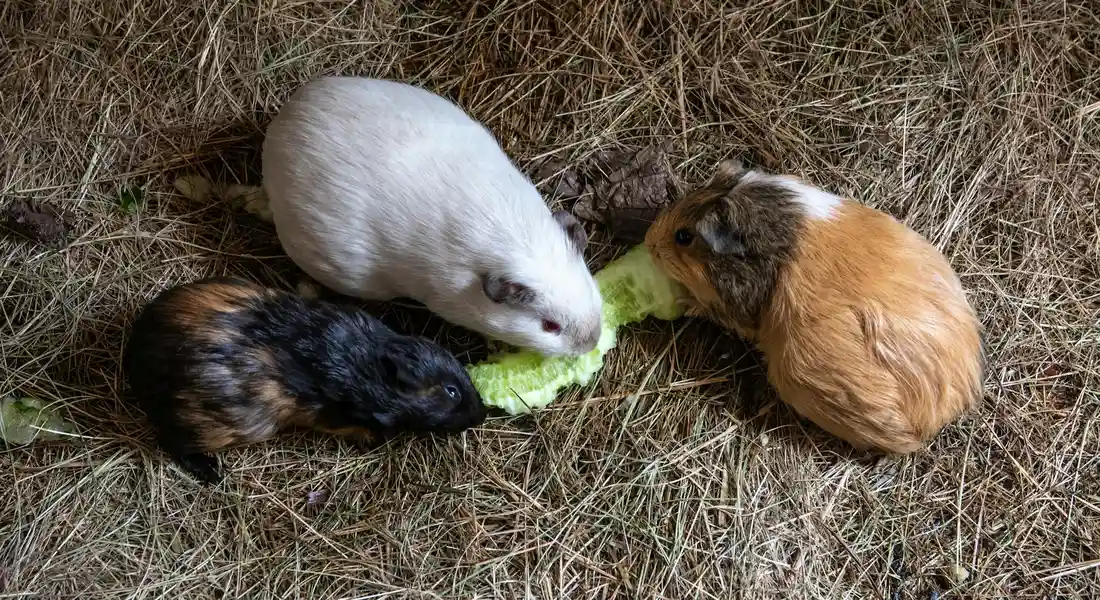
Scatter their favorite veggies, like cucumber or bell pepper strips, around the neutral area. Using food motivation transforms a potentially tense meeting into a positive, shared experience centered on a happy activity. You can also place a new, simple toy, like a willow ball, in the center to encourage curious, parallel play without direct competition.
Monitoring Stress and Bonding Signs
-
Watch for common stress signals. A guinea pig that constantly hides in a corner, chatters its teeth loudly, or fluffs its fur to look bigger is clearly communicating its discomfort. These cues help you tell if your guinea pig is stressed or anxious. If you spot them, check whether cage mates, lighting, or noise levels might be stressing her. My Clover will sometimes freeze completely when she’s unsure, which is a quieter but just as important sign to watch for.
-
Highlight positive behaviors that signal acceptance. Gentle sniffing, following each other calmly, or comfortably eating food side-by-side are all excellent indicators that a bond is forming. I knew Biscuit was starting to feel safe when I saw him and Pepper munching on parsley from the same pile without any tension.
-
Your observation is the most critical tool for success. Continuously watching their body language allows you to adjust the pace instantly, pausing introductions for the day if you see any signs of fear or aggression. Some pairs bond in days; others need weeks. Let their behavior be your guide.
Post-Introduction Bonding Strategies
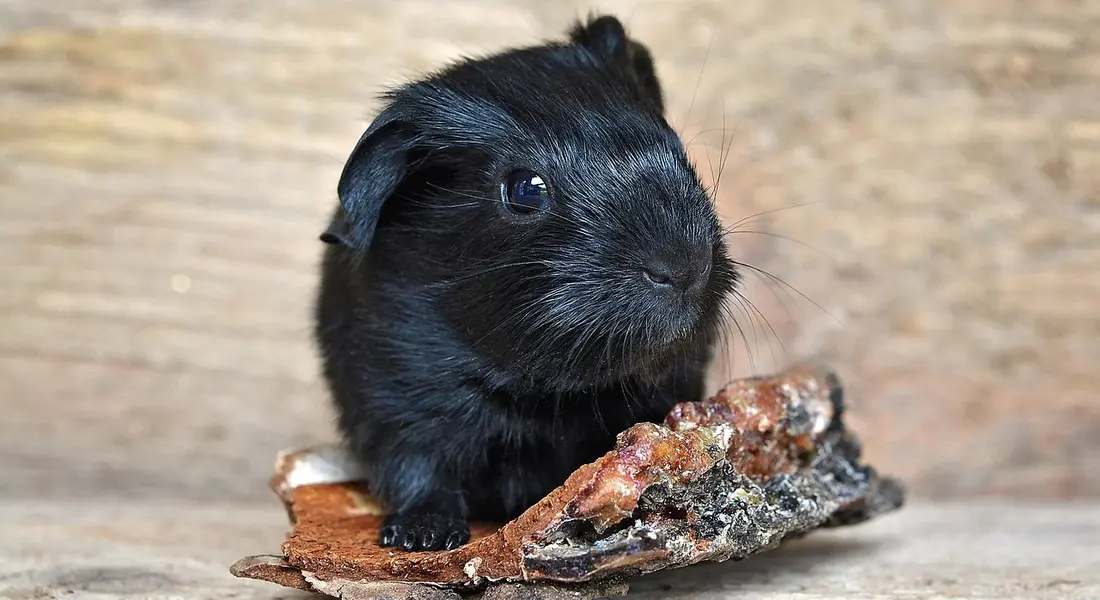
Once your guinea pigs are comfortable together, setting up their shared cage correctly makes all the difference. I always ensure there are at least two of everything—hideouts, food bowls, and water bottles—to prevent squabbles over resources. For example, when I introduced Biscuit to Pepper and Clover, I placed multiple cozy hideouts around the cage, which helped them feel secure without competing for space.
- Use multiple hideouts like small boxes or commercial huts spaced apart.
- Provide separate food and water stations to reduce tension during meals.
- Include chew toys and tunnels to encourage independent play and exploration.
Ongoing socialization through gentle handling and play strengthens their bond over time. Spend a few minutes daily holding each guinea pig separately to build trust, then gradually introduce supervised floor time together in a neutral area. With my trio, I noticed that short, positive interactions, like offering veggies during play, helped them associate each other with good experiences. These common bonding behaviors—such as close body language and staying near one another—usually signal that trust is developing. In other words, they mean the guinea pigs are bonding and enjoying each other’s company. For more details, check out these common bonding behaviors.
- Handle your guinea pigs daily, starting with brief sessions to avoid stress.
- Use treats like fresh greens to reward calm behavior during group play.
- Rotate toys and activities to keep them engaged and prevent boredom.
Minimizing noise in their environment is key to a peaceful habitat. Loud sounds can startle guinea pigs and trigger conflicts, so I keep their cage away from TVs, speakers, and high-traffic areas. Guinea pigs are sensitive to loud noises, and they often react with stress or fear. From my experience, a quiet setting helps shy pigs like Biscuit feel more at ease, promoting smoother interactions with others.
- Avoid placing the cage near appliances or noisy household spots.
- Use soft bedding to muffle sounds and create a calming atmosphere.
- Monitor for stress signs like hiding or teeth chattering, and adjust the environment as needed.
Troubleshooting Common Issues
Aggression can pop up, so it’s vital to recognize when to step in. Does it look like cage aggression? Recognizing the signs lets you stop it before it escalates. If you see persistent chasing, biting, or loud teeth chattering, separate the guinea pigs immediately to prevent injuries. I had to do this once when Clover showed dominance over Pepper; a short break in separate cages allowed them to cool off before trying again.
- Signs of aggression include lunging, fur pulling, or constant mounting.
- Use a divider in the cage or temporary housing for quick separation.
- Reintroduce them slowly after a cooling-off period of a day or two.
Illness can disrupt bonding, so watch for subtle signs and act fast. Common red flags are lethargy, loss of appetite, or unusual discharge, which mean a vet visit is essential. When Biscuit seemed off, a quick check-up caught a minor infection early, ensuring it didn’t spread or worsen their group dynamic.
- Look for symptoms like sneezing, weight loss, or changes in poop consistency.
- Schedule regular vet exams to catch issues before they affect bonding.
- Isolate sick guinea pigs until they recover to protect the others.
Sometimes, the bonding process needs a pause or reset. If interactions stay tense after multiple attempts, slow down by returning to shorter, supervised meetings or even restarting from the initial introduction steps. With my herd, taking it slower helped build confidence, especially for reserved pigs like Biscuit.
- Scale back to neutral territory introductions if aggression persists.
- Increase the time between sessions to reduce stress and build patience.
- Consult a vet or experienced owner if problems continue for tailored advice.
FAQs
What sounds do guinea pigs make during introductions, and what do they mean?
During introductions, guinea pigs may purr softly to show curiosity or contentment, but a louder purr can indicate annoyance or stress. Wheeking noises often signal excitement or a desire for food, helping you gauge their comfort levels and adjust the process accordingly. Understanding these vocalizations is key to successful introductions.
What are normal dominance behaviors in guinea pig introductions?
Normal dominance behaviors include brief mounting or light chasing as they establish a hierarchy, which typically resolves without intervention. However, if these actions intensify into prolonged chasing or biting, it may signal aggression and require you to separate them temporarily.
How can I tell if my guinea pigs are bonding successfully after introduction?
Successful bonding is shown when guinea pigs sleep near each other, share hideouts comfortably, or engage in mutual grooming. These behaviors indicate growing trust and acceptance, paving the way for a harmonious long-term relationship. These signs are good indicators of a healthy guinea pig pair bond. Persistent aggression or fear, however, may indicate the bond isn’t healthy and should be addressed.
Your Path to Happy Guinea Pig Bonds
Always introduce your guinea pigs in a neutral space and supervise their interactions to prevent stress or conflicts. Patience and gradual steps build trust, ensuring a smoother transition for both your baby and adult guinea pig. This is especially important when bringing a new baby into your home.
From caring for my guinea pigs Pepper, Clover, and Biscuit, I’ve learned that ongoing education and eco-friendly choices, like using recycled bedding, make a big difference. Stay curious about their care to foster a healthy, joyful life for your pets while protecting our planet.
Further Reading & Sources
- The Guide to Caring for Baby Guinea Pigs
- Handling Rules For Newborn Guinea Pigs | Chewy
- Older Guinea Pig Introduction to Baby Guinea Pig | The Guinea Pig Forum
- How to introduce a new baby guinea pig to an adult male and female – Quora
Kate is a passionate guinea pig owner and advocate for small pet welfare. With over a decade of experience caring for guinea pigs, she has become a trusted voice in the small pet community.
Uncategorized