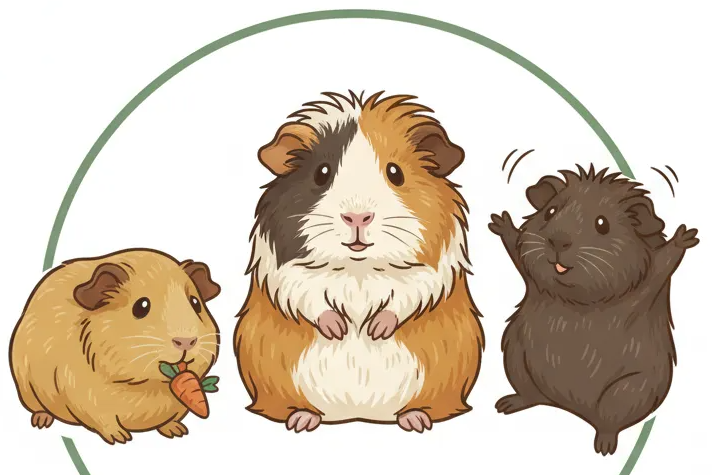
How to Clean and Maintain Your Guinea Pig’s Water Bottle
Hello CavyFam! Are you worried about keeping your guinea pig’s water bottle clean and safe for daily use? A neglected bottle can harbor bacteria or mold, putting your pet’s health at risk.
In this guide, I’ll walk you through:
- Daily and weekly cleaning routines
- Step-by-step deep cleaning methods
- Choosing the right bottle and supplies
- Preventing leaks and algae growth
With years of hands-on experience caring for my own guinea pigs like gentle Pepper and thoughtful Clover, I’ve refined these practices to keep them happy and hydrated.
Why Proper Guinea Pig Water Bottle Hygiene Is Non-Negotiable
Think of your guinea pig’s water bottle as their personal kitchen sink. If you wouldn’t drink from a glass left sitting for days, your guinea pig shouldn’t either. I learned this the hard way with my first guinea pig, Pepper, who developed a mild respiratory issue from a neglected bottle. Hydration matters for overall health, including how well your guinea pig uses vitamin C from their diet. To support their vitamin C needs, make sure the water is fresh daily and the bottle is clean, so they drink reliably. For more information on guinea pig hydration and vitamin C needs, visit this resource.
Stagnant water is a breeding ground for invisible threats. Harmful bacteria like Pseudomonas and algae can multiply quickly in the warm, dark environment of a bottle. These microorganisms can lead to serious health problems for your small pet.
- Bacterial infections affecting their digestive and respiratory systems.
- The development of painful mouth sores from a contaminated spout.
- A general decline in health as they avoid drinking foul-tasting water.
A clean bottle is your first line of defense. Preventing illness is infinitely easier and less stressful than treating it, both for you and your pet. A hygienic water source supports their immune system and encourages proper hydration, which is vital for their overall well-being.
Setting the Right Cleaning Schedule for Your Guinea Pig’s Water Bottle
Consistency is the secret to effortless bottle maintenance. I keep a small notepad near my piggies’ cage to jot down cleaning dates. This simple habit ensures I never forget a cleaning cycle and keeps my trio-Pepper, Clover, and Biscuit-happy and healthy.
Your cleaning routine should have two parts: a daily check and a weekly deep clean.
Your Daily Water Bottle Check
This takes less than a minute but makes a huge difference.
- Refill the bottle with fresh, cool water every single morning.
- Inspect the water for any floating particles or cloudiness.
- Press the ball in the spout to ensure it isn’t stuck and water flows freely.
Your Weekly Deep Clean
This is when you tackle the grime you can’t see. I do this every Sunday without fail.
- Completely disassemble the bottle, removing the spout, cap, and any tubes.
- Use a bottle brush and a mixture of hot water and white vinegar to scrub the interior.
- Pay special attention to the spout mechanism, using a cotton swab to clear any biofilm.
- Rinse every part thoroughly with clean water until you can no longer smell vinegar.
Setting a recurring reminder on your phone is a foolproof way to stick to this schedule. Your guinea pigs rely entirely on you for their fresh water, and a clean bottle is a fundamental part of that care. This step is a staple on the weekly guinea pig care routine ultimate checklist for owners, helping ensure hydration stays consistent. Sticking to the checklist also makes weekly care easier and more reliable for your piggies.
Essential Tools for Effective Guinea Pig Water Bottle Cleaning
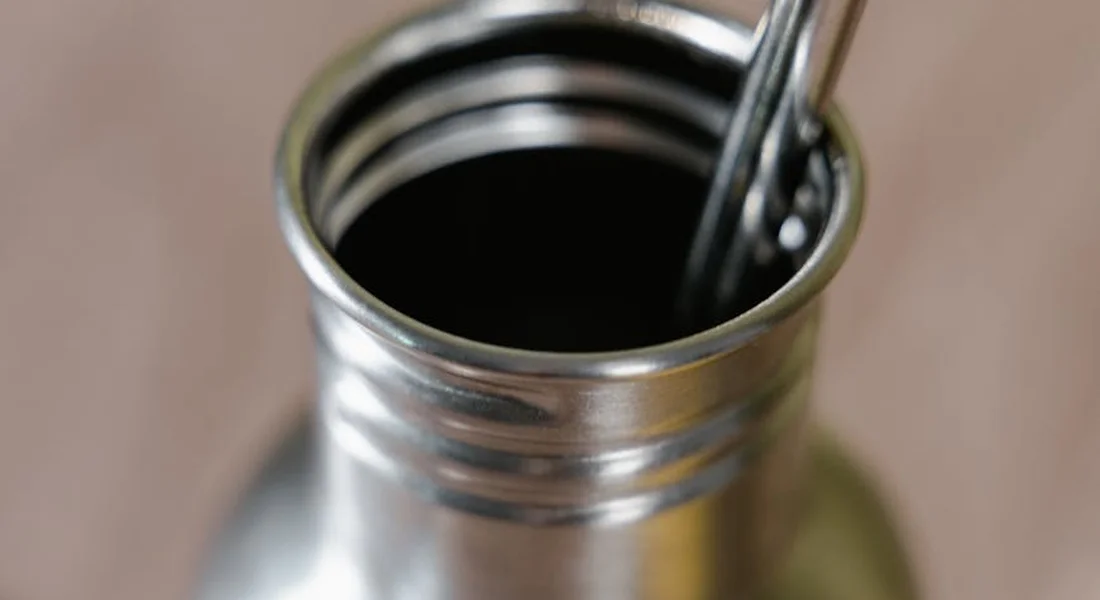
Having the right tools makes cleaning your guinea pig’s water bottle simple and thorough. I rely on a few key items that keep Pepper, Clover, and Biscuit’s bottles fresh and safe every week. From my experience, using improper tools can leave behind harmful bacteria, so invest in these essentials. Here’s a quick guinea pig cleaning supplies checklist with must-have items. Keeping these essentials on hand makes weekly cleanings easier and safer.
- A narrow bottle brush reaches deep inside to scrub away slime and residue.
- White vinegar works as a natural disinfectant without harsh chemicals.
- Mild dish soap cuts through grime while being gentle on plastic.
- A small pipe cleaner or old toothbrush cleans the sipper tube thoroughly.
- Clean cloths or paper towels ensure everything dries completely to prevent mold.
I always keep a dedicated brush just for guinea pig supplies to avoid cross-contamination. This habit started after Clover, my graceful Abyssinian, once refused water from a poorly cleaned bottle. Clean tools mean happier, healthier pets. That’s why I keep an essential grooming tools supplies checklist on hand. From brushes to nail clippers, it helps keep grooming quick and stress-free.
Step-by-Step Guide to Cleaning Your Guinea Pig Water Bottle
Follow these steps daily or weekly to maintain a hygienic water source. Regular cleaning prevents algae and bacteria that can upset your guinea pig’s delicate stomach. This aligns with a clean, proper step-by-step guinea pig cage guide you can follow to keep the entire enclosure sanitary. A simple, step-by-step routine makes it easy to stay on top of care. I do this routine for all three of my pigs, and it keeps them hydrated and content.
- Take apart the bottle completely, removing the cap, sipper tube, and any seals.
- Rinse each piece with warm water to loosen debris before scrubbing.
- Soak parts in a mix of equal parts vinegar and water for 10-15 minutes to kill germs.
- Scrub inside the bottle and tube with your brush, focusing on hidden spots.
- Rinse everything thoroughly with clean water until no soap or vinegar smell remains.
- Dry all components with a cloth and let air-dry upside down to avoid moisture buildup.
- Reassemble the bottle, fill with fresh water, and test for leaks before returning it to the cage.
Check the sipper tube each time you clean to ensure water flows easily. Biscuit, my reserved Peruvian, taught me that a clogged tube can leave guinea pigs thirsty for hours. A quick test-squeeze of the bottle confirms it’s working right. If your guinea pig suddenly stops drinking, start with this bottle check as part of a quick troubleshooting step. A blocked sipper tube is a common reason for a drop in water intake.
Tackling Common Guinea Pig Water Bottle Maintenance Issues
You’ll quickly find that a guinea pig’s water bottle has a personality of its own, and not always a cooperative one. Leaks are the most common frustration, often caused by a faulty seal or a tiny piece of bedding stuck in the ball-bearing mechanism. I’ve lost count of the soggy patches on Pepper’s fleece liner from this very issue. In this complete guide, you’ll learn how to stop a guinea pig water bottle from leaking with simple, proven steps. It also covers prevention to keep leaks from happening again.
When a bottle starts dripping, your first step should be a thorough inspection.
- Check the rubber or silicone gasket inside the cap for cracks or warping.
- Ensure the cap is screwed on tightly and evenly-cross-threading is a common culprit.
- Rinse the metal spout with hot water, flicking it firmly to dislodge any debris blocking the ball.
Another frequent problem is a clogged nozzle, which can leave your pet thirsty. A simple cotton swab dipped in white vinegar is my go-to tool for gently clearing the small opening. I gently twist it inside the spout to remove any slimy biofilm buildup.
Stubborn mold or algae growth is more than just an eyesore; it’s a health risk. If you see green or black spots inside the bottle that won’t scrub away, it’s time for a deep sanitization. I mix one part white vinegar with one part water, let it sit for 30 minutes, then scrub vigorously with a dedicated bottle brush.
Recognizing When to Replace Your Guinea Pig’s Water Bottle
Even the most diligently cleaned bottle won’t last forever. Constant maintenance is a sign that the bottle itself is failing and may need to be retired. I learned this after spending weeks repeatedly fixing a leaky bottle for Clover before realizing it was a lost cause.
Look for these clear indicators that a replacement is necessary.
- Visible Cracks or Deep Scratches: These are havens for bacteria, impossible to clean thoroughly.
- A Persistent, Unwashable Odor: If the plastic smells funky even after a vinegar soak, the material has likely degraded.
- A Worn-Out or Sticky Ball Bearing: When the metal ball no longer moves freely, water flow becomes unreliable.
The plastic itself can also break down over time. Cloudy, scratched plastic isn’t just unattractive; it indicates microscopic damage where germs can thrive. I replaced Biscuit’s first bottle when it became so scratched I couldn’t see the water level clearly.
Consider the bottle’s age and material quality. Cheaper plastic bottles may need replacing every 6-12 months, while high-quality glass ones can last for years with proper care. Investing in a durable bottle is an investment in your pet’s long-term health and your own peace of mind.
Exploring Alternative Water Delivery Systems for Guinea Pigs
While bottles are the standard, they aren’t your only option. Exploring different water systems can solve specific problems, like keeping long hair dry or accommodating a guinea pig with mobility issues. I’ve tested a few with my own herd, and each has its own unique benefits.
Ceramic or Stainless Steel Bowls
A simple water bowl is a natural choice that some piggies instinctively prefer. My guinea pig Biscuit, for instance, was hesitant with bottles but took to a bowl immediately. The key to success with a bowl is choosing the right material and maintaining a rigorous cleaning schedule. This fits into a complete guinea pig hygiene cleaning routine, which also includes cage cleaning and regular water checks.
- Heavy Ceramic Bowls: These are difficult to tip over, which prevents messy spills and keeps bedding dry.
- Stainless Steel Bowls: This is my top choice as they are non-porous, incredibly durable, and resist bacterial growth better than plastic.
- Place the bowl on a flat, stable surface away from their main play and sleep areas to minimize contamination from bedding or food.
Automatic Watering Systems
For multi-pig households or if you’re away from home often, an automatic system can provide a constant, clean water supply. These systems connect to a large reservoir, reducing how often you need to refill water. They do require a different kind of vigilance.
- Ensure the system is designed for small animals to prevent a forceful flow that could startle your pet.
- Check the valve mechanism daily for any blockages or leaks, as a malfunction could leave your pets without water.
- Clean the entire system, including the reservoir and tubing, at least once a week to prevent slime and biofilm buildup.
Making the Right Choice for Your Herd
Your guinea pigs’ personalities and physical needs should guide your decision. Observing your pets’ behavior is the most reliable way to determine which system they find most comfortable and easy to use. My graceful Clover, for example, is too polite to shove for bottle access, so a secondary bowl works perfectly for her. Personality plays a big role in that.
| System Type | Best For | Maintenance Level |
|---|---|---|
| Water Bottle | General use, keeping water clean | Daily refill, deep clean every 2-3 days |
| Heavy Bowl | Piggies who struggle with bottles, natural drinking posture | Multiple refills and cleans per day |
| Automatic System | Large herds, busy owners, extended time away | Daily valve check, weekly system flush |
You can even use a combination. I often provide both a bottle and a bowl to ensure my guinea pigs, from the steady Pepper to the reserved Biscuit, always have access to their preferred hydration method. This simple step promotes well-being and gives you peace of mind.
Common Questions
Is white vinegar safe for cleaning my guinea pig’s water bottle?
Yes, white vinegar is a safe and effective natural cleaner. Just be sure to rinse all parts thoroughly with clean water until no vinegar smell remains.
How often should I replace my bottle cleaning brush?
You should replace your bottle brush when the bristles become worn or bent. A fresh brush is necessary to properly scrub away all biofilm and residue.
Why is my brand new water bottle leaking?
A new bottle can leak if the cap is not screwed on tightly and evenly, creating an improper seal. It could also be due to a manufacturing defect in the gasket or spout mechanism.
What should I do if my guinea pig’s bottle starts leaking while I’m cleaning it?
First, completely disassemble the bottle and inspect the silicone gasket for damage or misplacement. Ensure the cap is not cross-threaded when you reassemble and tighten it.
Can cold weather cause my guinea pig’s water bottle to leak?
Yes, temperature changes can cause the plastic to expand or contract, breaking the seal. Moving water bottles away from direct drafts can help prevent this issue.
Your Guinea Pig’s Health Starts with Clean Water
From my time with Pepper, Clover, and Biscuit, I’ve seen how daily rinsing and weekly deep cleans prevent nasty bacteria and mold. Always inspect the nozzle for blockages and replace worn parts to keep water flowing smoothly for your furry friends.
Caring for your guinea pig’s water bottle is a small act that makes a big difference in their well-being. Look into eco-friendly cleaning solutions and keep learning about sustainable pet care to protect both your pets and the planet. For the cage, choose natural safe cleaning products designed for small animals to keep surfaces clean without harsh chemicals. These simple, pet-friendly options can help maintain a healthy living environment for your guinea pig.
Further Reading & Sources
- How to Clean a Guinea Pig Water Bottle – Guinea Pig Care Guide | The Guinea Pig Guide
- r/guineapigs on Reddit: What do you use to clean your guinea pigs’ water bottles?
- Guinea Pig Connection: Cleaning Water Bottles
- Cleaning the water bottle help! | The Guinea Pig Forum
Kate is a passionate guinea pig owner and advocate for small pet welfare. With over a decade of experience caring for guinea pigs, she has become a trusted voice in the small pet community.
Uncategorized