Can Guinea Pigs Eat Leeks and Celery Sticks?
Hello CavyFam! Are you wondering if it’s safe to toss some leeks or celery sticks into your guinea pig’s meal? Many pet parents worry about accidentally harming their little pals with the wrong foods.
In this article, we’ll cover:
- Leeks safety and risks for guinea pigs
- Celery stick benefits and how to serve them
- Nutritional insights and alternatives
- Easy preparation steps to keep your pets safe
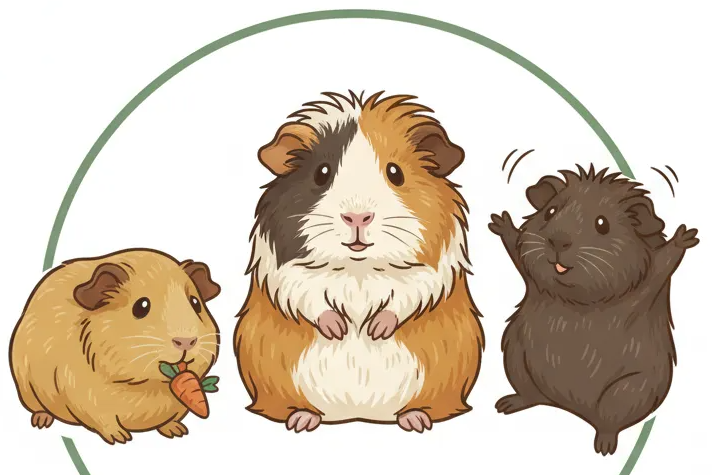
With years of caring for guinea pigs like my own-Pepper, Clover, and Biscuit-I’ve gathered firsthand knowledge to help you make the best choices.
Understanding Your Guinea Pig’s Sensitive Diet
Guinea pigs have digestive systems that are incredibly delicate and finely tuned. From my time caring for Pepper, Clover, and Biscuit, I’ve seen how even small dietary changes can cause big upsets. Digestive quirks like gas or burps can occur, and understanding these digestive facts helps me catch trouble early. Vomiting is uncommon in guinea pigs, but signs of GI distress—like changes in appetite or droppings—warrant attention. Their bodies thrive on high-fiber foods like hay, which keeps everything moving properly.
I remember when Biscuit, my reserved Peruvian, had a minor issue after trying a new veggie. Their gut health depends heavily on consistency and the right balance of nutrients. Always introduce new foods slowly and in tiny amounts to avoid problems.
- Stick to safe, fibrous vegetables and fruits in moderation.
- Provide unlimited timothy hay daily for optimal digestion.
- Monitor their reactions closely when offering anything unfamiliar.
The Clear Dangers of Leeks for Guinea Pigs
Why Allium Vegetables Like Leeks Are Toxic
Leeks belong to the allium family, which includes onions and garlic, and they contain compounds that are harmful to guinea pigs. These substances can damage red blood cells, leading to anemia and other serious health issues. I once read about a case where a guinea pig fell ill after accidental exposure, reinforcing why I never risk it with my own pets.
Pepper, my gentle American guinea pig, has a steady nature, but his system couldn’t handle such toxins. Allium vegetables disrupt the oxygen-carrying capacity in their blood, causing weakness and potential organ damage. It’s a risk not worth taking for their well-being.
No Safe Parts: Leaves, Stalks, and Cooked Preparations
Many people wonder if certain parts of leeks are safer, but the answer is a firm no. Every part of the leek plant contains those toxic compounds, so there’s no wiggle room for safety. Whether it’s the green leaves or the white stalks, all pose a threat.
I’ve had friends ask if cooking leeks makes them okay, but heat doesn’t eliminate the danger. Cooked preparations still retain the harmful elements that can harm your guinea pig. For Clover, my thoughtful Abyssinian, I stick to veggies I know are safe to keep her graceful and healthy.
- Avoid all forms: raw, cooked, or as ingredients in other foods.
- Stick to guinea pig-safe alternatives like bell peppers or leafy greens.
- Always check ingredient lists in prepared foods to ensure no allium exposure.
Safe and Nutritious Alternatives to Leeks
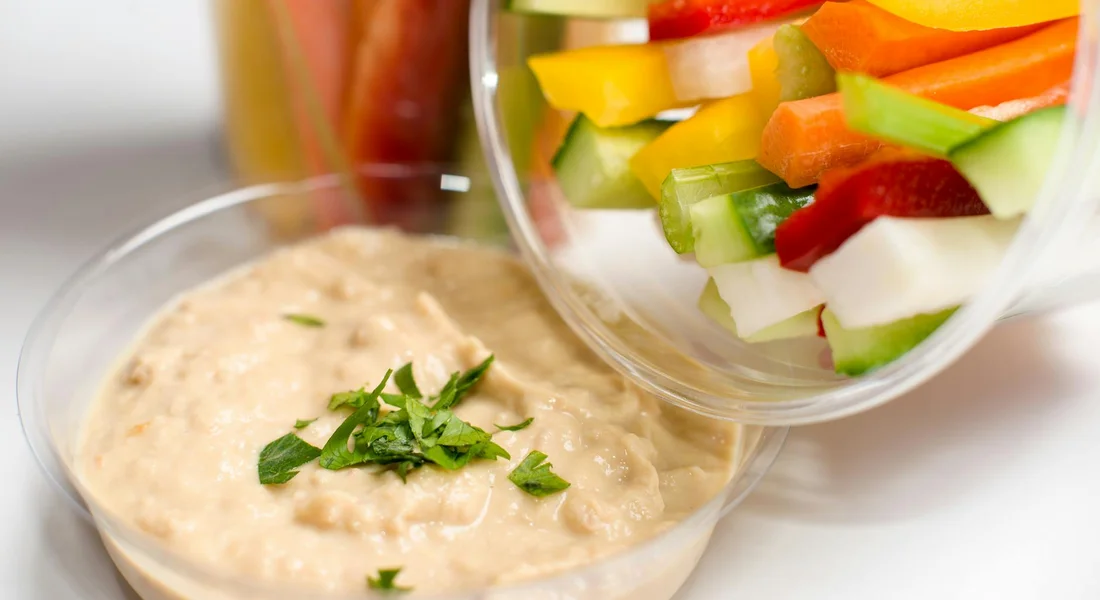
Since leeks are a definite no for your guinea pigs, you have many wonderful, safe vegetables to choose from. Guinea pig-safe greens like romaine lettuce, kale, cilantro, and dandelion greens are great staples. I always rotate through a colorful mix of veggies to keep my own herd of three—Pepper, Clover, and Biscuit—interested and healthy. Their personalities shine through when they get a varied diet; Clover, my thoughtful Abyssinian, adores the texture of fresh herbs.
Here are some of my top picks that I feed regularly:
- Bell Peppers: All colors are excellent. They are packed with Vitamin C, which is crucial for guinea pig health.
- Romaine Lettuce: A great daily staple. I avoid iceberg lettuce as it has very little nutritional value.
- Cilantro & Parsley: My guinea pigs go crazy for these herbs. They are flavorful and safe in moderation.
- Zucchini & Cucumber: These are fantastic for hydration, especially on warmer days.
- Carrot Tops: The leafy greens are a huge hit! I give these more often than the actual carrot root, which is high in sugar.
Providing a rainbow of these safe options ensures your pet gets a broad spectrum of vitamins and minerals without any of the risks associated with alliums like leeks.
Can Guinea Pigs Safely Eat Celery Sticks?
Yes, guinea pigs can eat celery, but it requires careful preparation. Celery is not a simple “toss it in the cage” kind of treat; its stringy fibers present a real choking hazard. My gentle Pepper once tried to swallow a large piece whole, and it was a scary moment that taught me to always prep it correctly, especially since they can eat other leafy vegetables, such as lettuce and romaine.
Preparing Celery Sticks to Prevent Choking
Proper preparation turns a risky food into a safe, crunchy snack. I now make it a rule to never give my guinea pigs celery without taking these three essential steps first.
- Wash Thoroughly: Rinse the celery stalk under cool running water to remove any dirt or pesticide residue.
- Remove the Strings: This is the most critical step. Take a small knife or vegetable peeler and gently scrape along the outer, concave side of the stalk to peel away the long, tough strings.
- Chop into Small Pieces: Cut the de-stringed celery into tiny, bite-sized chunks, no larger than half an inch. This makes it easy for them to chew and digest.
Taking that extra minute to de-string the celery can prevent a life-threatening situation for your small friend.
Nutritional Benefits and Potential Risks of Celery
When prepared safely, celery offers some good nutritional perks. It’s a low-calorie vegetable that provides a satisfying crunch and helps with hydration due to its high water content. It also contains a small amount of Vitamin C, though it shouldn’t be relied upon as a primary source.
However, you must be aware of the potential downsides:
- High in Oxalates: Celery contains oxalic acid. Feeding too much can contribute to the formation of bladder stones in susceptible animals.
- Pesticide Residue: Celery often ranks high on the “Dirty Dozen” list for pesticide residue, which is why washing it so well is non-negotiable.
- Diarrhea Risk: Its high water content means that overfeeding can lead to soft stools or diarrhea.
I treat celery as an occasional snack for my herd, offering a small, prepared piece no more than once or twice a week to avoid these potential issues. My reserved Biscuit seems to enjoy the leafy green ends the most, which are a bit softer and easier for her to eat.
Creating a Balanced and Safe Feeding Routine
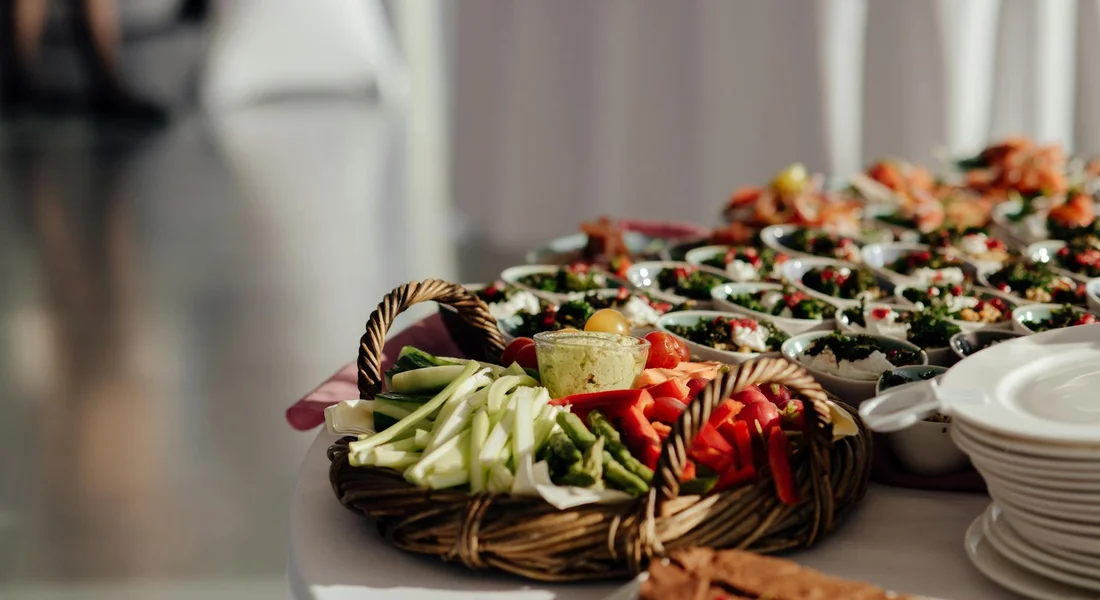
From my years of caring for my three guinea pigs, I’ve learned that variety is the spice of a healthy diet, but consistency is its backbone. A predictable routine helps prevent digestive upsets and keeps your pets feeling secure and happy. Their little bodies thrive on knowing what to expect and when. So, what do normal guinea pig eating habits look like? Generally, they nibble hay most of the day, with small portions of fresh greens and pellets.
I structure my herd’s meals around a few core principles that have never failed us.
- Unlimited Grass Hay: This should form about 80% of their daily intake. Timothy hay is our go-to, providing the necessary fiber for healthy digestion and wearing down their constantly growing teeth.
- High-Quality Pellets: A small, measured quarter-cup per pig per day of plain, timothy-based pellets offers essential vitamins and minerals. I avoid colorful mixes with seeds and nuts.
- Fresh Vegetables: This is where you can introduce variety. A cup of fresh veggies per pig per day is a great target. I always wash them thoroughly to remove any pesticides.
For my trio, Pepper, Clover, and Biscuit, I serve their main vegetable portion in the morning. This mimics their natural foraging behavior and gives them all day to digest. I stick to guinea pig-safe staples like romaine lettuce, bell peppers, and cilantro, introducing one new food at a time to watch for any reactions. Staying mindful of the top 10 guinea pig diet mistakes that can lead to serious health issues helps guide these choices. By avoiding these missteps and sticking with safe staples, you can help prevent digestive upset and other problems.
FAQs
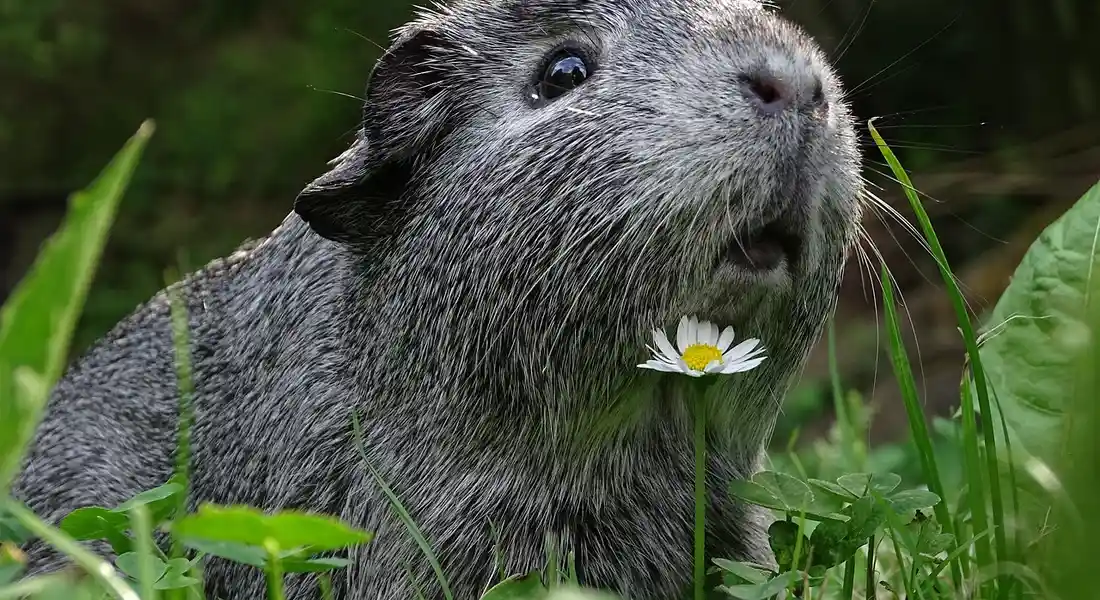
Can guinea pigs eat leeks?
No, guinea pigs should never eat leeks due to their toxic properties. Leeks can cause serious health issues like anemia and digestive problems. For leafy greens, collard greens in moderation can be a safe option. Start with small amounts and monitor for any changes.
How much leek can a guinea pig eat per day?
Guinea pigs should not consume any amount of leek daily. It is safest to exclude leeks entirely from their diet to avoid potential harm. Many vegetables and fruits can be safe for guinea pigs in moderation, but some vegetables and fruits are toxic and must be avoided. Always verify which produce is safe for your pet to prevent health issues.
What are the potential health risks of feeding leeks to guinea pigs?
Feeding leeks can lead to red blood cell damage, resulting in anemia and weakness. Additionally, it may cause digestive upset and other organ-related issues.
Your Guinea Pig’s Healthy Eating Guide
From my time caring for Pepper, Clover, and Biscuit, I’ve learned to skip leeks entirely since they can harm your pet’s digestion. Celery sticks make a better occasional snack, but always slice them into tiny, manageable pieces to prevent any risks.
Responsible pet ownership means staying curious and updated on guinea pig care through reliable sources. Choosing eco-friendly options, like biodegradable cage liners, helps protect both your furry friends and our environment for the long run. To properly care for guinea pigs, it’s essential to provide a nutritious diet, a clean living space, and daily social interaction. Regular health checks and safe enrichment further support their wellbeing.
Further Reading & Sources
- Foods Guinea Pigs Should Never Eat – Oxbow Animal Health
- Guinea Pigs: The Importance of a Proper Diet for Their Health
- What can Guinea Pigs eat? – ExoticDirect
- Leek Lookout: Delving into the Guinea Pig’s Diet – Central Victoria Hay
Kate is a passionate guinea pig owner and advocate for small pet welfare. With over a decade of experience caring for guinea pigs, she has become a trusted voice in the small pet community.
Uncategorized