Can Guinea Pigs Eat Cucumbers? A Safe Feeding Guide
Hello CavyFam! Are you curious if cucumbers are a safe snack for your guinea pig? You might worry about digestive issues or choking risks, but I’ve got you covered.
In this article, we’ll dive into:
- Nutritional benefits and hydration perks
- Step-by-step preparation to prevent hazards
- Common risks like bloating and how to avoid them
- Ideal serving sizes and frequency for a balanced diet
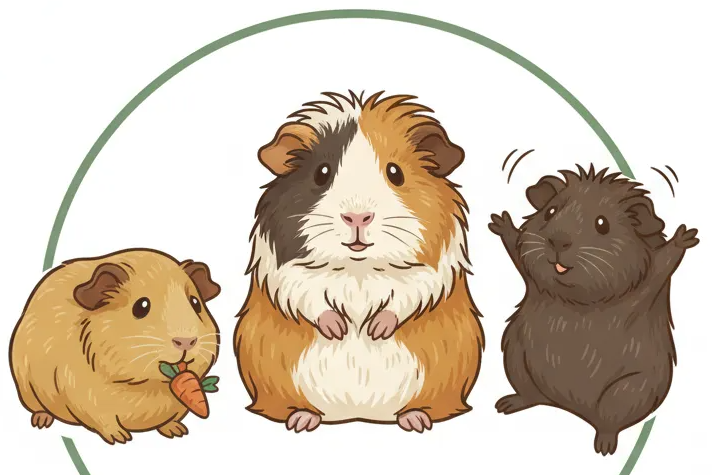
With years of caring for my guinea pigs Pepper, Clover, and Biscuit, I share advice from hands-on experience to keep your pets happy and healthy.
Can Guinea Pigs Eat Cucumbers?
Yes, guinea pigs can absolutely eat cucumbers, and they often gobble them up with delight! I always offer cucumbers in moderation as a refreshing treat, not a daily staple. Guinea pigs also enjoy romaine lettuce as a crunchy greens option. I sometimes mix a few romaine leaves with Pepper’s cucumbers to vary his greens and keep mealtime interesting. My guinea pig, Pepper, gets especially excited when he hears the crisp snap of a fresh cucumber being sliced.
You can safely feed your guinea pig most parts of a common cucumber.
- The fresh, green flesh is the main attraction.
- The soft, inner seeds are perfectly fine and digestible.
- The skin is safe, provided it is washed thoroughly to remove any chemicals.
- Common varieties like English or mini cucumbers are excellent choices.
Are Cucumber Seeds Safe for Guinea Pigs?
Those little seeds inside a cucumber are completely safe for your cavy. Cucumber seeds are soft, small, and pose no choking risk for guinea pigs. Their digestive systems handle these seeds without any trouble. Guinea pigs can also nibble sunflower seeds from sunflower plants, though they should be given only in small amounts and shelled. Like cucumber seeds, sunflower seeds should be treated as an occasional snack rather than a staple.
My thoughtful guinea pig, Clover, carefully nibbles around the seeds sometimes, but she always ends up eating them. The key is to keep the overall portion of cucumber small to prevent a watery diet that lacks other essential nutrients.
Can Guinea Pigs Eat Cucumber Skin and Leaves?
The skin of a cucumber is a great source of fiber, but you must wash it well under running water. I make a habit of scrubbing the skin to remove any potential pesticide residue before giving a slice to Biscuit.
Cucumber leaves, however, are a different story. While not toxic, they are rarely fed to guinea pigs and can carry a higher risk of pesticide contamination unless you grow them yourself. For ultimate safety, I stick to the cucumber itself and choose organic whenever possible to minimize any chemical exposure. Foraging leaves for guinea pigs carries its own set of risks, which is why I prefer to just use the fruit.
Nutritional Benefits of Cucumbers for Guinea Pigs
Cucumbers pack a healthy punch for such a watery vegetable. The high water content is fantastic for keeping your guinea pig hydrated, especially on warmer days. I notice my trio is more active and vocal after their hydrating cucumber snack.
Beyond just water, cucumbers offer valuable nutrients that support your pet’s health.
- Vitamin C is crucial for guinea pigs since they cannot produce it themselves, and cucumbers provide a small boost.
- The mineral Silica in the skin helps support healthy skin and a glossy coat.
- Fiber from the skin and flesh promotes good digestive movement and gut health.
- They contain traces of Vitamin K, which aids in proper blood clotting.
This combination makes a cucumber slice a wonderfully refreshing and beneficial treat. Just remember that variety is the spice of life, so rotate cucumbers with other safe veggies like bell peppers and romaine lettuce for a balanced diet.
Potential Risks of Feeding Cucumbers to Guinea Pigs
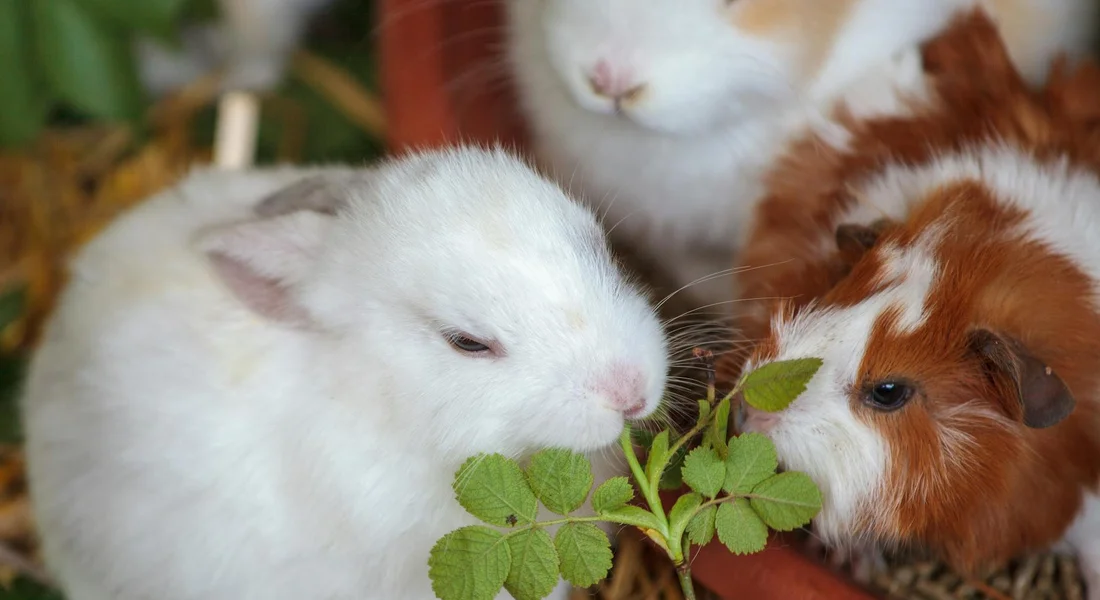
- Overfeeding cucumbers can lead to digestive upsets like gas or discomfort. I’ve seen this happen with my own guinea pigs when I got too generous with portions.
- High moisture content in cucumbers might cause diarrhea if not balanced properly. This is especially true for younger or sensitive pigs like Biscuit, who had loose stools after her first cucumber treat.
- Watch for signs of intolerance, including bloating, soft stools, or reduced appetite. Clover, my graceful Abyssinian, once showed mild bloating, so I adjusted her diet right away.
- From my observations, Pepper handles cucumbers well in small doses, but every pig is unique. Monitoring their reactions helps prevent health issues and keeps them comfortable.
Digestive Upsets from Cucumbers
- Excess cucumber can overwhelm their digestive system, leading to gas or stomach pain. Guinea pigs have sensitive guts, so too much of a good thing can backfire quickly.
- To monitor, watch for behavior changes like lethargy or refusing favorite foods. I check on my trio daily to spot any subtle shifts in their usual routines.
- Start with tiny amounts, like a thin slice, to test their tolerance before offering more. This simple step saved Biscuit from repeated digestive troubles in our early days together.
Moisture Content and Hydration Balance
- Balance cucumber treats with dry foods such as timothy hay to maintain healthy digestion. Hay should make up most of their diet, acting like a steady anchor against watery foods.
- Limit cucumber servings to avoid watery stools-think of it as a occasional snack, not a staple. I stick to once or twice a week for my pigs to keep their systems in harmony.
- Imagine eating a whole watermelon in one sitting; it’s refreshing but can upset your stomach. That’s how guinea pigs feel with too much cucumber-moderation is key for their well-being.
How to Prepare Cucumbers for Your Guinea Pig
- Wash cucumbers thoroughly under running water to remove any pesticide residues. This simple rinse protects your pig from harmful chemicals that could cause illness.
- Choose organic or pesticide-free options when possible for safer munching. I always pick organic for Pepper, Clover, and Biscuit to reduce health risks.
- Cut the cucumber into small, bite-sized pieces to prevent choking hazards. Pieces about the size of a pea work well for my curious trio.
- Remove any bitter or spoiled parts, as they might indicate contamination or poor quality. I discard ends or discolored spots to ensure only the freshest parts are served.
- Serve the cucumber fresh and observe your guinea pig for any adverse reactions afterward. Watching them enjoy it safely brings me peace of mind and strengthens our bond.
Feeding Guidelines: Portion Size and Frequency
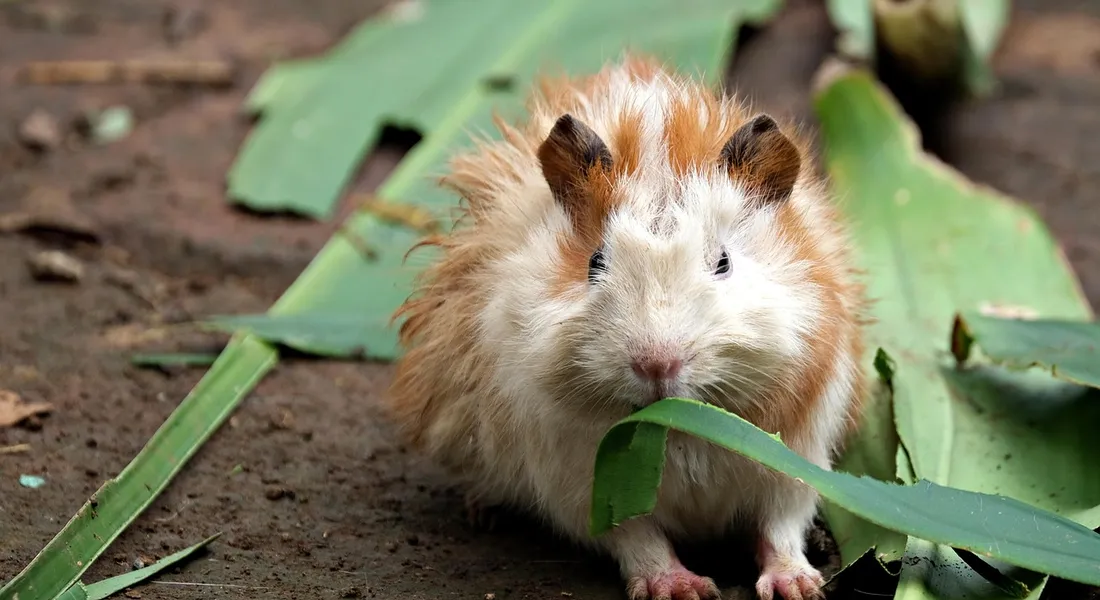
When it comes to feeding cucumbers to your guinea pig, think of it as a refreshing snack, not a main course. Stick to small amounts like a few thin slices per week to prevent digestive upsets and keep their diet balanced. Overdoing it can lead to watery stools or bloating, which I’ve seen with my own guinea pigs when I got too generous with treats.
Moderation is key and depends on your pet’s size and age. Larger, active guinea pigs might handle a bit more, while smaller or less active ones need less to stay healthy. For instance, my gentle Pepper, who’s a steady eater, does fine with two slices twice a week, but I adjust based on how she’s feeling that day. Regarding how often you should feed guinea pigs, consistency matters. Many owners keep hay available at all times and offer fresh vegetables once or twice daily.
| Guinea Pig Type | Recommended Portion | Frequency |
|---|---|---|
| Adult (1-5 years) | 2-3 thin slices | 2-3 times per week |
| Young (under 6 months) | 1 thin slice | Once a week |
| Elderly or Sensitive | Half a slice | Monitor and offer sparingly |
In my routine, I pair cucumber days with other veggies to add variety without overloading them. I always wash the cucumber thoroughly and remove seeds to reduce any choking risk, a habit that’s kept my trio happy and healthy.
Portion Size for Different Ages
Young guinea pigs, like my curious Biscuit who’s just a year old, have more delicate digestive systems. Start with a tiny piece, about the size of a pea, and wait a full day to check for any adverse reactions like diarrhea or lethargy. This gradual approach helps their gut adjust slowly. Pair this feeding plan with a quiet, secure space so your new guinea pig feels safe as it acclimates. Gentle handling and a predictable routine will help Biscuit settle in more quickly.
For elderly or sick guinea pigs, even smaller portions are best. I’ve found that offering a thin sliver once a week works well for older pets, as it hydrates them without stressing their stomachs. If your guinea pig seems off, skip the cucumber and stick to their regular hay and pellets – which should always be the cornerstone of their diet.
- Introduce new foods over 3-5 days to watch for sensitivities
- Cut portions in half for guinea pigs with a history of digestive issues
- Always provide fresh water to help with hydration from watery veggies
Cucumber Treat Ideas for Guinea Pigs
Spicing up treat time with cucumbers can be fun and nutritious for your furry friends. Try mixing cucumber slices with other safe veggies like bell peppers or romaine lettuce for a colorful, crunchy medley. I often do this for my guinea pigs, and Clover, with her graceful demeanor, especially enjoys the variety.
Keep treats occasional to avoid unbalancing their diet-aim for no more than 10% of their daily intake. My personal favorite combo is cucumber wedges paired with a sprig of cilantro, which adds a burst of flavor without extra calories. It’s a hit during hot days when they need extra hydration.
- Simple cucumber and carrot sticks: Slice both thinly and offer as a weekly reward
- Cucumber “boats”: Hollow out a small piece and fill with a bit of timothy hay for added fiber
- Chilled cucumber cubes: Freeze tiny pieces for a cool summer treat, but only give one at a time
Remember, treats should complement their main diet of hay and pellets. Rotate different veggies to prevent boredom and ensure they get a range of nutrients, just like I do with Pepper, Clover, and Biscuit to keep their meals exciting.
Alternative Vegetables to Cucumbers
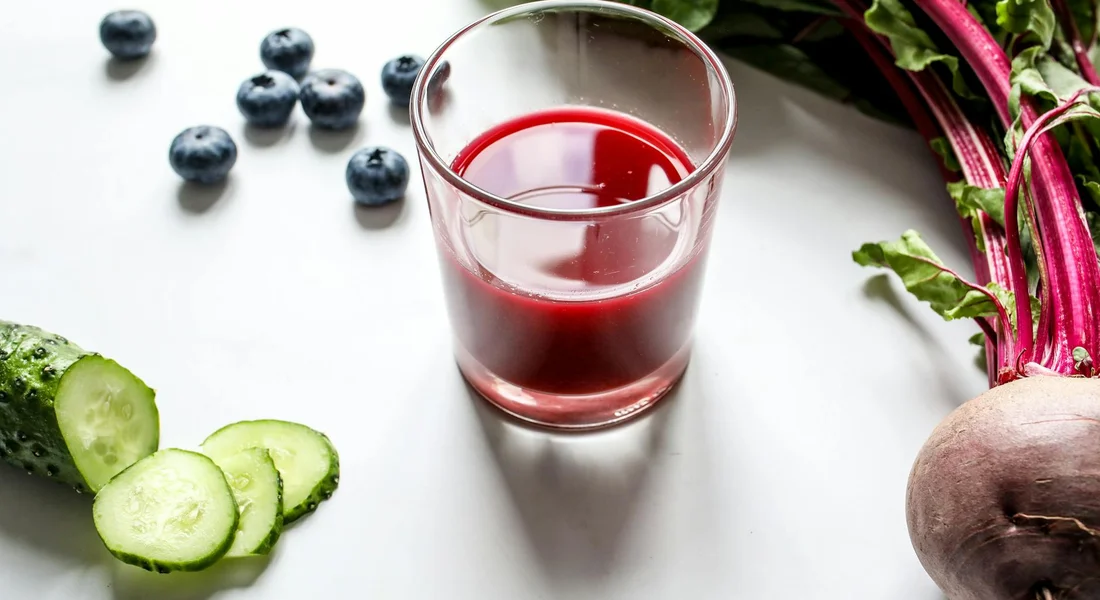
If cucumbers aren’t on the menu, many other veggies keep your guinea pig healthy and excited for mealtime. I always rotate options to mimic their natural foraging habits, which keeps my trio-Pepper, Clover, and Biscuit-engaged and well-nourished. This approach aligns well with their natural foraging instincts.
- Bell peppers shine as a top pick; they offer more vitamin C per serving than cucumbers, supporting immune function without extra sugar.
- Leafy greens like romaine lettuce or cilantro provide essential fiber; romaine is gentler on their stomachs compared to high-oxalate choices like spinach.
- Carrots add crunch and beta-carotene; feed these sparingly due to their higher sugar content to avoid weight gain.
- Zucchini serves as a hydrating swap; it’s low in calories and easy for guinea pigs to digest, much like cucumbers.
Briefly comparing nutrients, bell peppers outpace cucumbers in vitamin C, while leafy greens deliver superior fiber for digestive health. Mixing these veggies prevents nutrient gaps and adds excitement to their diet. I switch things up daily for my pigs, ensuring they never get bored-Clover, in particular, adores the variety.
What to Do If Your Guinea Pig Overeats Cucumber
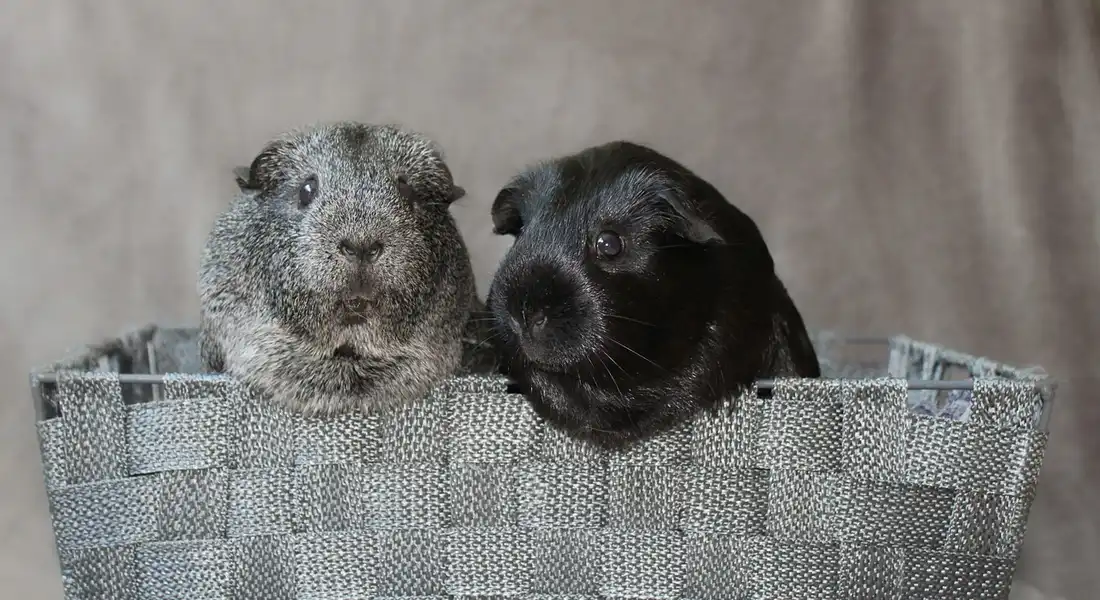
- Watch closely for signs like loose stools or unusual tiredness. Quick detection helps you address issues before they worsen.
- Offer unlimited fresh hay and clean water to support their digestion. Hay acts like a natural broom for their gut, moving things along smoothly.
- Reach out to your vet if problems don’t improve within a day. Professional advice is vital for persistent symptoms to ensure your pet’s safety.
- From my own mishaps, I recall when Biscuit overindulged and had mild diarrhea; I cut back on veggies, boosted hay, and he bounced back fast-a reminder to always monitor portions.
>
FAQs
Can guinea pigs eat cucumbers?
Yes, guinea pigs can safely eat cucumbers as an occasional treat. Always feed them in small, washed slices to avoid digestive issues. You can also offer leafy greens like chicory for variety. Chicory should be given in moderation as part of a balanced diet.
Can guinea pigs eat cucumber seeds?
Yes, cucumber seeds are soft and safe for guinea pigs to consume. They pose no choking hazard and are easily digested in moderation. Unlike some other seeds, cucumber seeds are safe for guinea pigs.
What are the benefits of cucumbers for guinea pigs?
Cucumbers provide hydration and essential nutrients like vitamin C and fiber. These support overall health, skin, and digestion in guinea pigs.
What is a healthy cucumber treat recipe for guinea pigs?
Mix thin cucumber slices with chopped bell peppers and a sprig of cilantro for a nutritious snack. Serve this combo once a week to add variety without overfeeding.
What is the nutritional value of cucumbers for guinea pigs?
Cucumbers are low in calories and high in water, vitamin C, and fiber. They help with hydration and provide a small boost to immune and digestive health.
Your Guinea Pig’s Cucumber Guide: A Quick Recap
From my years caring for guinea pigs like Pepper and Biscuit, I’ve found that cucumbers make a hydrating, low-calorie snack when offered in small, washed slices. Always monitor portions to prevent digestive issues and pair cucumbers with nutrient-rich veggies for a balanced diet.
Responsible pet ownership means staying curious and learning about eco-friendly options, like using reusable food bowls or sourcing local, pesticide-free produce. Keep exploring safe, sustainable habits to ensure your guinea pigs thrive in a healthy, happy home. Emotional commitment matters in guinea pig ownership—regular time and gentle handling build trust. Consistent daily care strengthens your bond and their well-being.
Further Reading & Sources
- Can Guinea Pigs Eat Cucumbers? | What About Seeds & …
- GuineaDad Food Blog: Can guinea pigs eat cucumber?
- Can Guinea Pigs Eat Cucumber? (Serving Size, Benefits, Risks & More)
- r/guineapigs on Reddit: is there such thing as too much cucumber in a piggies diet?
Kate is a passionate guinea pig owner and advocate for small pet welfare. With over a decade of experience caring for guinea pigs, she has become a trusted voice in the small pet community.
Uncategorized