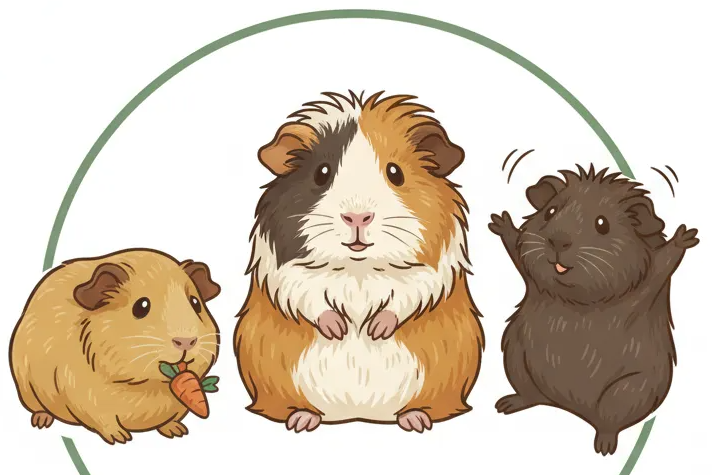
Can Guinea Pigs Eat Butternut Squash Safely?
Hello CavyFam! You’re likely wondering if butternut squash is a safe snack for your guinea pig. Many owners fear that new foods could cause digestive issues or health risks.
In this article, I’ll cover safety guidelines, nutritional perks, preparation steps, and portion control. With years of hands-on experience caring for guinea pigs like Pepper and Clover, I offer trusted advice from my own pet-raising journey.
Is Butternut Squash Safe for Guinea Pigs?
Yes, butternut squash is perfectly safe for guinea pigs to eat. This vibrant orange vegetable is a fantastic, nutrient-rich treat that my own guinea pigs, Pepper and Clover, eagerly anticipate.
Always serve it raw, as cooking removes vital nutrients and changes the texture in ways that aren’t ideal for their digestion. Raw butternut squash provides a satisfying crunch that’s excellent for wearing down their constantly growing teeth.
You must remove all the seeds and stringy pulp from the center before offering a piece to your pet. Those seeds can be a choking hazard and are difficult for their sensitive digestive systems to process.
The skin is technically safe, but I find it’s often too tough for my guinea pigs. I always peel it for Pepper and Clover, as it makes the squash easier for them to chew and digest comfortably.
When I first introduced butternut squash to my herd, I gave them a tiny cube each, about the size of a pea. Watching them for any changes in their droppings or behavior over the next 24 hours is a non-negotiable step for responsible pet ownership. Biscuit, my more reserved pig, was hesitant at first, but now he nudges my hand for more.
Nutritional Benefits of Butternut Squash
This humble squash packs a serious nutritional punch that directly supports your guinea pig’s health. The deep orange color is a dead giveaway for its high beta-carotene content, which their bodies convert into essential Vitamin A.
Vitamin A is crucial for maintaining good vision, a healthy immune system, and supple skin. Just a small serving provides a significant boost to their daily nutritional intake without going overboard.
Butternut squash is also an excellent source of dietary fiber. Fiber is the absolute cornerstone of a healthy guinea pig digestive system, keeping everything moving smoothly and preventing dangerous GI stasis.
Don’t overlook its high water content, either. This natural hydration is a wonderful supplement to their water bottle, especially for pigs like mine who sometimes need a little encouragement to drink enough. In guinea pig care, that naturally dovetails with weighing the water bottle vs water bowl: the definitive pros and cons for hydration. Choosing the right setup will help ensure your pig stays properly hydrated.
The act of chewing the firm flesh provides necessary dental wear. Guinea pigs’ teeth never stop growing, and tough, fibrous foods like raw butternut squash are nature’s way of filing them down.
To put its nutritional value into perspective, here’s how it compares to other safe vegetables I frequently feed my trio.
| Vegetable | Key Nutrient | Primary Benefit |
|---|---|---|
| Butternut Squash | Vitamin A & Beta-Carotene | Immune & Eye Health |
| Bell Pepper | Vitamin C | Prevents Scurvy |
| Romaine Lettuce | Fiber & Water | Hydration & Digestion |
| Cucumber | Water | Hydration |
Potential Risks and Precautions
While butternut squash offers great nutrition, its sugar content demands careful portion control. I learned this the hard way when my guinea pig Biscuit experienced mild diarrhea after a slightly too-generous serving. Too much sugar can disrupt their sensitive digestive systems, leading to gastrointestinal upset or diarrhea.
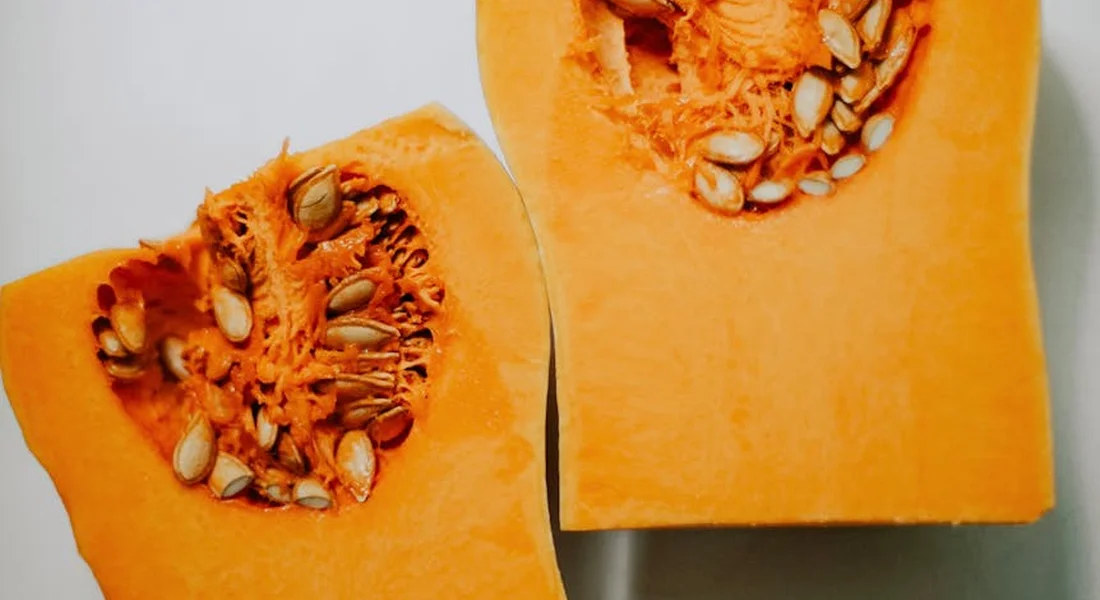
Always remove every single seed and the tough outer rind before offering any to your pet. These parts present a serious choking hazard and are difficult for guinea pigs to digest properly. This tip is part of our guinea pigs chew safely complete guide. It covers safe chews, proper sizing, and choking prevention. I make a habit of scooping out the seeds with a spoon and using a vegetable peeler to ensure no slippery rind remains.
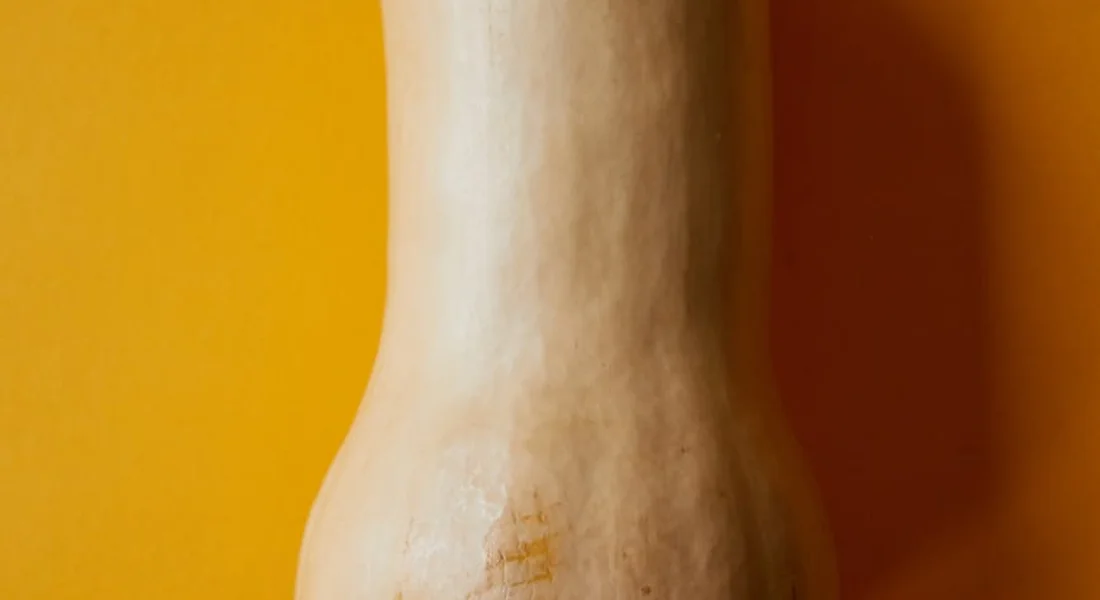
Conventionally grown squash can carry pesticide residues on its skin. Thorough washing under cool running water is a non-negotiable step to protect your pet from ingesting harmful chemicals. I always scrub the squash’s surface with a clean brush before I even think about peeling and cutting it for my herd.
How to Prepare Butternut Squash for Feeding
-
Wash the entire squash thoroughly under cool, running water. Use a clean vegetable brush to scrub the surface, effectively removing any dirt, wax, or potential pesticide residues.
-
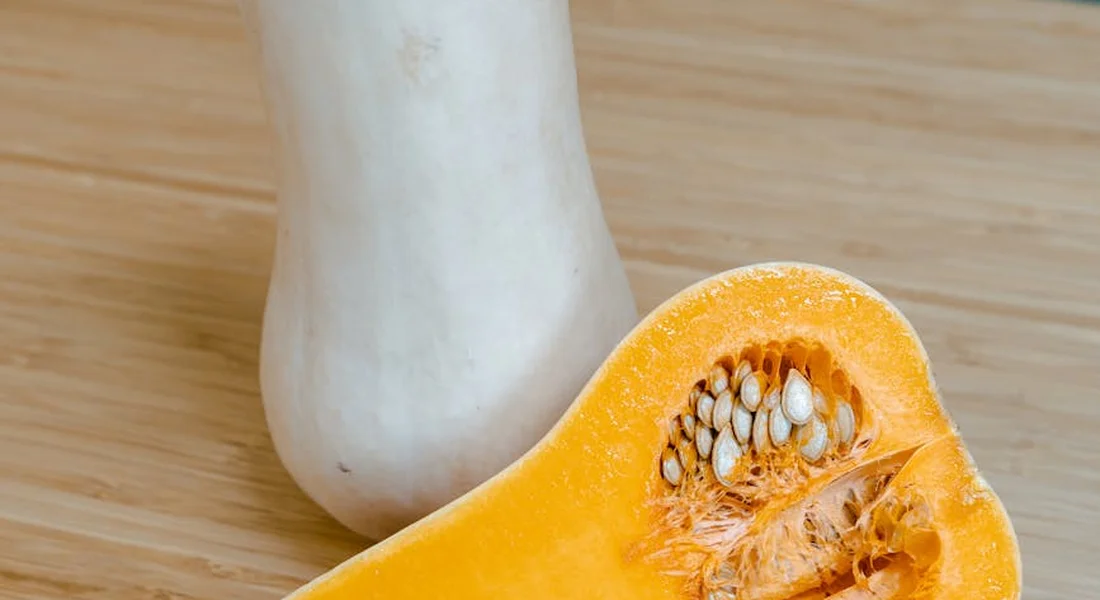
Carefully peel the squash to completely remove the tough, fibrous rind. Then, cut the squash in half and use a spoon to scoop out all the seeds and stringy pulp from the central cavity.
-
Cut the peeled flesh into small, bite-sized cubes. I aim for pieces no larger than my thumbnail to make them easy for my guinea pigs to pick up and chew safely.
-
Offer a small piece of fresh pumpkin to your guinea pig and observe them. Guinea pigs can eat fresh pumpkin in moderation as part of a varied diet. Start with a very small amount to gauge tolerance. Watch for any changes in their eating habits or droppings over the next 24 hours to ensure they tolerate the new food well. Always remove any uneaten pumpkin from their habitat after a few hours to prevent spoilage.
Feeding Guidelines: Amount and Frequency
-
Offer butternut squash in tiny amounts to prevent stomach troubles. I start with a piece no bigger than a pea for my guinea pigs to test their tolerance. Overdoing it can lead to gas or loose stools, so keep portions minimal.
-
Adjust how often you feed based on your pet’s age and health. For Biscuit, who is younger and more sensitive, I limit butternut squash to once a week to avoid upsetting his delicate system. Older or hardier guinea pigs might handle it twice weekly, but always observe their reaction first. Different guinea pigs require different feeding frequencies depending on their individual needs.
-
Balance this treat with other fresh foods for a well-rounded diet. I mix small squash cubes with staples like bell peppers and leafy greens to provide variety without overloading on any one item. Rotate veggies daily to ensure they get a range of nutrients and avoid boredom.
Signs of Adverse Reactions to Watch For
-
Watch for symptoms like diarrhea, bloating, or shifts in eating and pooping patterns. If your guinea pig seems lethargic or stops munching on hay, it could signal a problem. Early detection helps you act fast and keep them comfortable. If your guinea pig seems sick, turn to our complete home troubleshooting checklist for quick, at‑home steps. This helps you act fast while you decide whether a vet visit is needed.
-
Take immediate steps if issues arise: remove butternut squash, offer extra hay and water, and monitor closely. Contact a vet right away if symptoms worsen or persist beyond a day, as prolonged distress can be serious. For mild cases, a bland diet of hay and water often does the trick.
-
I recall when Clover had a minor bloating episode after trying a new veggie; by pausing treats and focusing on her usual diet, she bounced back quickly. Learning from such scares has taught me to introduce foods gradually and always prioritize my pets’ well-being.
Storage and Handling Tips
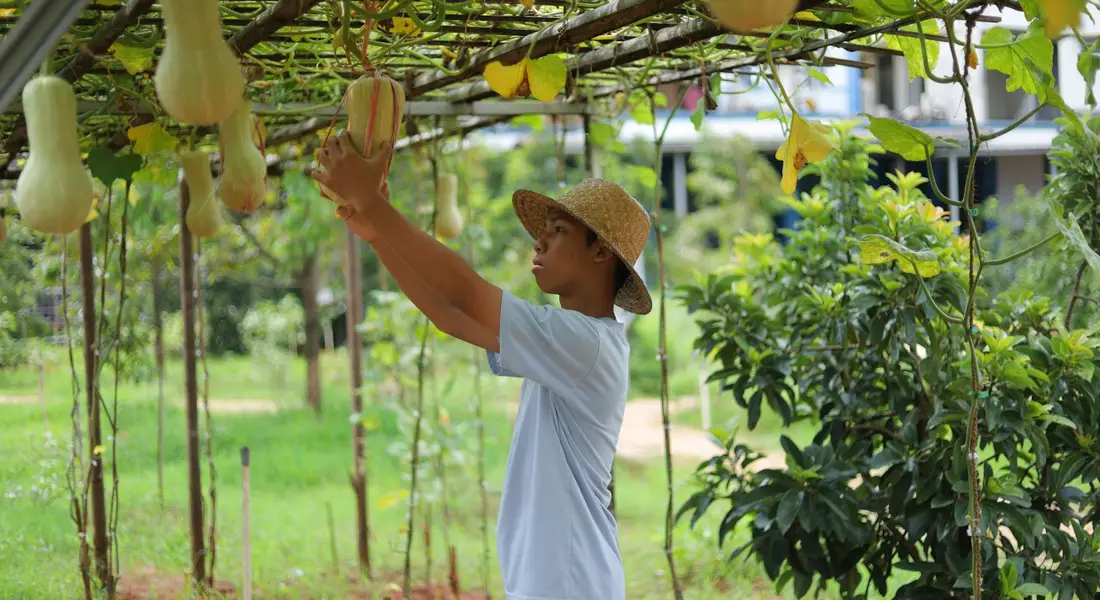
Proper refrigeration keeps butternut squash fresh and safe for your guinea pigs, preventing harmful bacterial growth. I always place unused squash in a sealed container or a reusable silicone bag in the vegetable crisper drawer of my refrigerator.
Butternut squash stays fresh and nutritious for about 3 to 5 days when stored correctly in the fridge. Beyond that, it can become soft, slimy, or develop mold, which poses serious health risks to your pets.
- Wash the squash thoroughly under cool running water before cutting to remove any dirt or pesticides.
- Peel the skin completely, as it can be tough and difficult for guinea pigs to digest.
- Remove all seeds and stringy pulp from the center, as these can cause choking or digestive blockages.
- Cut the flesh into small, bite-sized cubes or thin slices that are easy for your guinea pigs to eat.
- Store prepared squash in an airtight container to maintain freshness and prevent it from absorbing other food odors.
Always inspect the squash for any signs of spoilage before serving it to your guinea pigs. I check for discoloration, an off smell, or any mold spots, especially around the cut edges.
Eco-friendly storage practices help reduce food waste and are better for the environment. I use reusable glass containers or beeswax wraps instead of single-use plastic bags.
- Compost any squash peels, seeds, and spoiled pieces rather than throwing them in the trash.
- Plan your guinea pigs’ meals to use the entire squash within a few days to minimize waste.
- Consider growing your own butternut squash if you have the space, ensuring a pesticide-free supply.
- If you have too much, you can blanch and freeze small portions for later use, though fresh is always best.
FAQs
Is butternut squash safe for all guinea pigs, including those with health issues?
While butternut squash is generally safe, guinea pigs with diabetes or weight problems should avoid it due to its sugar content. Always consult a veterinarian before introducing new foods to pets with specific health conditions, especially sugary foods.
What is the safest way to store butternut squash for guinea pigs?
Store cut butternut squash in an airtight container in the refrigerator for up to 3-5 days to maintain freshness. Always inspect for mold or spoilage before serving to ensure it is safe for your guinea pig to eat.
Can guinea pigs eat the skin and seeds of butternut squash?
No, guinea pigs should not eat the skin or seeds as they pose choking hazards and are difficult to digest. Only the raw, peeled flesh is safe and provides the best nutritional benefits for them. Seeds are not suitable for guinea pigs and should be avoided. Instead, focus on hay, fresh vegetables, and appropriate pellets for their diet.
How do the calories in butternut squash affect a guinea pig’s diet?
Butternut squash is low in calories but high in natural sugars, so overfeeding can lead to weight gain or digestive issues. Offer it in small, controlled portions as an occasional treat to maintain a balanced diet.
What are common misconceptions about feeding butternut squash to guinea pigs?
Some owners think cooked squash is safer, but raw is better to preserve nutrients like Vitamin C. Another myth is that it can replace hay, but hay remains essential for dental health and digestion.
Your Guinea Pig’s Diet: Key Takeaways
From my time caring for guinea pigs like Biscuit, I’ve seen that butternut squash makes a safe, occasional treat when prepared properly. Always serve it in small, seedless pieces and monitor your pet for any unusual reactions to keep them thriving. You can find more about guinea pig treats and their favorite foods in this guide.
As a dedicated owner, I urge you to keep learning about eco-friendly pet care choices, like sourcing organic veggies when possible. Your commitment to responsible habits not only benefits your guinea pigs but also supports a healthier environment for all animals. In our complete guide to foraging for your guinea pig, you’ll discover safe, nutritious greens and practical tips to enrich daily care.
Further Reading & Sources
- Can Guinea Pigs Eat Butternut Squash? – Guinea Piggles
- Can Guinea Pigs Eat Butternut Squash? Vet-Approved Benefits, Risks, & FAQ | PangoVet
- Butternut squash | The Guinea Pig Forum
- Can Guinea Pigs Eat Butternut Squash? (Benefits, Risks, Serving Size & More) – Guinea Pig Tube
Kate is a passionate guinea pig owner and advocate for small pet welfare. With over a decade of experience caring for guinea pigs, she has become a trusted voice in the small pet community.
Uncategorized