Water Bottle vs. Water Bowl: The Definitive Pros and Cons for Guinea Pig Hydration
Published on: March 27, 2026 | Last Updated: March 27, 2026
Written By: Kate M. Callahan
Hello CavyFam! Choosing the right water source for your guinea pig can feel like a big decision. You want to make sure your furry friend stays happily hydrated without any hidden health risks.
I will walk you through the key differences, covering hygiene, cost, pros and cons, and maintenance tips. With three guinea pigs of my own, I have tested both methods extensively to find what truly works best.
Understanding Guinea Pig Hydration Needs
Guinea pigs typically drink 50 to 100 milliliters of water daily, but this varies with their size and diet. For instance, my gentle guinea pig Pepper weighs around 1.2 kilograms and often sips about 80 milliliters, especially when he eats dry hay instead of water-rich veggies like cucumber. Lighter diets mean they might need more water, so always observe your pet’s habits closely.
Watch for these signs of dehydration to catch issues early. Quick checks include feeling for a dry nose, noticing sunken eyes, or seeing less energy during playtime. If my thoughtful Clover seems sluggish, I gently pinch her skin; if it doesn’t spring back fast, it’s a red flag for dehydration.
- Dry or sticky mouth and nose
- Lethargy and reduced appetite
- Sunken eyes and loose skin that tents when pinched
Weather plays a big role in hydration needs. On hot days, my guinea pigs drink more to stay cool, so I always refill their water sources frequently to prevent heat stress. In colder months, they might drink less, but indoor heating can dry them out, so I keep an eye on humidity levels, especially when addressing temperature and heating needs for guinea pigs.
Overhydration is rare but risky, leading to bloating or electrolyte imbalances. I avoid giving electrolyte supplements unless a vet advises it, like during illness, to keep things safe and natural for my pets. Stick to fresh water and a balanced diet to maintain their health without unnecessary additives.
Water Bottles: Pros and Cons for Small Animal Care
Water bottles offer several advantages that make them a popular choice. Their leak-proof design keeps cages dry, which I’ve found essential for preventing messes with my active guinea pigs like Biscuit, who loves to explore. This setup also promotes better hygiene by reducing contamination from bedding or food.
- Leak-proof construction minimizes spills and keeps living areas clean
- Improved hygiene with less exposure to dirt and bacteria
- Dental health benefits from gentle chewing on the spout, helping wear down teeth naturally
However, water bottles aren’t perfect and come with some drawbacks. Some guinea pigs, like my reserved Biscuit, might struggle to drink from the spout at first, requiring patience and training. Chewing on the bottle can also lead to damage over time, so I check for wear regularly.
- Potential for chewing that damages the bottle or spout
- Drinking difficulty for older or less coordinated pets
- Noise from ball bearings that might startle sensitive animals
Maintenance and cost are key factors to weigh. Bottles need weekly cleaning to prevent algae buildup, which I do with a bottle brush and vinegar rinse for my trio’s health. While they cost more upfront than bowls, their durability often makes them a budget-friendly long-term option.
Common troubleshooting can save you headaches. If the bottle leaks, check the seal and tighten it; for flow issues, clean the nozzle with a pin to remove blockages. I’ve learned that a quick test shake ensures water dispenses smoothly before refilling.
Water Bowls: Pros and Cons for Guinea Pig Health
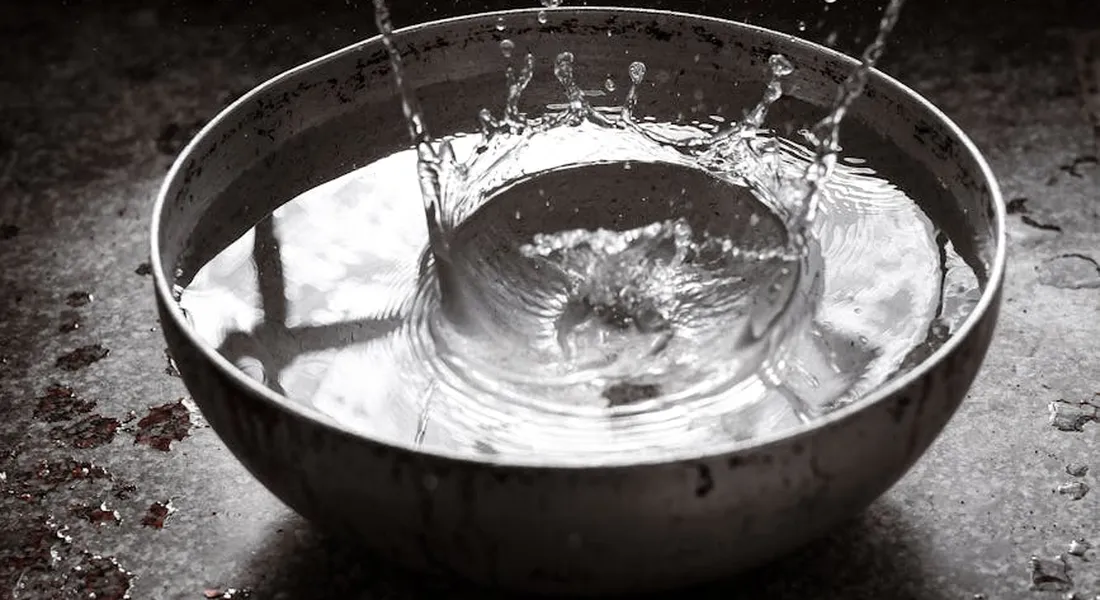
Water bowls mimic a more natural drinking posture for guinea pigs, allowing them to lap water comfortably without craning their necks. This natural head-down position is easier on their spine and joints, especially for older pigs like my 3-year-old Clover.
Beyond hydration, a water bowl provides enrichment. I often see my guinea pigs, particularly the intelligent Biscuit, dipping their paws in or nudging the bowl curiously. This simple object can become a source of mental stimulation in their daily routine.
The Downsides of Using a Bowl
- Spill Risks: Bowls get tipped over constantly. A playful nudge from Pepper can flood their bedding, creating a damp, unhealthy environment.
- Contamination: Food, bedding, and even droppings land in the water. I find myself changing bowl water multiple times a day to keep it clean.
- Chewing Hazards: Some pigs, like my curious Biscuit, will gnaw on plastic bowl edges, risking ingestion of harmful fragments.
Maintenance and Safety Solutions
Bowl maintenance is a daily commitment. You must check and refresh the water at least twice daily to prevent bacterial growth from food and waste. For safety, choose a heavy, tip-resistant ceramic bowl that’s difficult to overturn.
To combat chewing, I switched all my bowls to thick ceramic. Securing the bowl to the cage corner with a sturdy zip-tie through a drainage hole can also prevent determined pigs from flipping it. This simple hack saved me from many soggy cage clean-ups.
Comparing Water Delivery Methods Side by Side
| Factor | Water Bottle | Water Bowl |
|---|---|---|
| Hygiene | Water stays cleaner longer, less exposure to contaminants. | Requires frequent changing; easily soiled by food and bedding. |
| Safety | Eliminates drowning risk; metal spout prevents chewing. | Risk of tipping and flooding; potential for chewing plastic bowls. |
| Maintenance | Needs weekly deep cleaning to prevent algae in the tube. | Needs refilling and scrubbing multiple times per day. |
| Cost | Higher initial cost ($5-$15), but durable for years. | Very low initial cost ($2-$8), but may need replacement if chewed. |
Cost-wise, a good quality bottle is an investment, while a ceramic bowl is a budget-friendly purchase. Over time, I’ve found bottles to be more cost-effective as they don’t need replacing like a chewed plastic bowl might.
Choosing the Right Method for Your Setup
Your guinea pig’s housing situation dictates the best choice. For multi-level C&C cages or habitats with deep bedding, a bottle is superior as it stays clean and secure. In a hospital cage or for a senior pig with mobility issues, a shallow, heavy bowl is often easier for them to access. When you build the setup, these choices help you craft the perfect guinea pig cage. A thoughtful layout makes daily care easier.
In my own herd, I use a combination. I keep a primary water bottle in every cage for reliable clean water, but I also offer a heavy ceramic bowl a few hours a day for enrichment. This gives my pigs like the gentle Pepper and graceful Clover a choice, ensuring they stay happily hydrated.
Practical Setup and Maintenance Guide
-
Step-by-step installation for both methods
For water bottles, start by securing the bottle holder to the cage bars at a height your guinea pig can reach easily. I always test the nozzle by pressing it to ensure water flows smoothly without leaks before letting my guinea pigs, like gentle Pepper, try it. This is a core part of the best cage setup for a new guinea pig beginner’s guide. A reliable water source at the right height helps keep your pet hydrated and comfortable. Fill the bottle with fresh water, screw the cap tightly, and hang it securely.
With water bowls, choose a heavy, tip-resistant ceramic or stainless-steel bowl to prevent spills. Place it on a flat surface away from bedding to keep the water clean and accessible for your pets. In my setup, I position it near their favorite resting spots to encourage drinking.
-
Daily and weekly cleaning routines
Daily, rinse both bottles and bowls with hot water to remove debris and refill with fresh water. This simple habit prevents bacteria buildup and keeps your guinea pigs healthy and hydrated. For bottles, check the nozzle for clogs by blowing air through it. This daily rinse is part of a complete guinea pig hygiene cleaning routine. Pair it with weekly cage cleaning, changing bedding, and sanitizing toys to keep your pets clean and comfortable.
Weekly, deep-clean with a mix of white vinegar and water to dissolve mineral deposits. Scrub thoroughly, rinse well, and air-dry to avoid chemical residues that could harm your pets. I do this every Sunday for Clover and Biscuit’s items to maintain a safe environment.
-
Optimal placement strategies in habitat
Position water sources in quiet, low-traffic areas to reduce stress. Keep them away from food bowls to minimize contamination and near hiding spots for easy access. I’ve found that placing them at mid-cage height works best, as it mimics natural drinking postures.
Avoid direct sunlight or drafty spots to maintain water temperature and quality. Rotate placements occasionally to stimulate curiosity and ensure all guinea pigs, like reserved Biscuit, find their way to water. While you’re considering their environment, make sure to understand if guinea pigs need sunlight and sunshine.
-
Water refill frequency and quality tips
Refill water daily, or more often in warm weather, to ensure it’s always fresh. Use filtered or dechlorinated tap water to remove impurities that could upset your guinea pig’s sensitive stomach. I change water twice a day during summer to keep it cool and appealing. That’s part of properly caring for guinea pigs. Regular water care supports hydration and overall health.
Monitor water levels closely, as guinea pigs drink frequently. Storing water in a clean, covered container between refills helps maintain purity and reduces waste. Regularly check for any signs of contamination or wetness to ensure their health and safety.
Encouraging Proper Water Intake
-
List techniques to increase drinking behavior
Offer water in multiple locations to cater to shy drinkers. Adding a drop of unsweetened fruit juice occasionally can make water more enticing without harming their health. I’ve seen this work wonders with my guinea pigs, encouraging even the timid ones to hydrate more.
Use positive reinforcement by praising or offering a small treat when they drink. Keeping water sources clean and at a consistent temperature reduces aversion and promotes regular intake.
-
Explain hydration through fruits and vegetables
Incorporate watery veggies like cucumber, celery, and lettuce into their diet. These foods provide extra moisture and nutrients, supporting overall hydration and digestion. I feed Pepper slices of cucumber daily, which she eagerly munches on.
Limit high-sugar fruits to occasional treats to avoid weight gain. Balancing fresh produce with water intake ensures your guinea pigs stay hydrated without overloading on calories. Safe fruits for guinea pigs include small portions of apples, berries, or melons. These should be offered in moderation as part of a balanced diet.
-
Compare water types: bottled versus tap water safety
Tap water is generally safe if filtered or left to stand to evaporate chlorine. It’s cost-effective and eco-friendly, reducing plastic waste from bottled options. I use a simple faucet filter for my herd, and it’s been reliable for years.
Bottled water can be used if tap water quality is poor, but check for low mineral content. Avoid distilled water, as it lacks essential minerals that support guinea pig health. To keep my tap water safe for my guinea pigs, I rely on a water filtration for guinea pigs that preserves minerals and test the water regularly. This helps ensure they get essential minerals without relying on distilled water.
-
Include enrichment ideas to promote hydration
Add ice cubes made from diluted vegetable juice to water bowls for a fun, cooling treat. This not only encourages drinking but also provides mental stimulation during playtime. My guinea pigs, especially graceful Clover, love batting at ice cubes on hot days.
Introduce puzzle feeders that dispense water or wet veggies to make hydration interactive. Rotating enrichment items keeps things fresh and motivates consistent water consumption.
Custom Solutions for Special Circumstances
Sometimes, standard hydration methods just don’t cut it. I’ve had to get creative with my own herd, especially when health issues like Pepper’s arthritis flare up, making it painful for her to bend down. Observing your pet’s unique physical needs is the first step to crafting a custom hydration plan that keeps them happily sipping.
Addressing Health Issues Affecting Hydration
Certain conditions can make drinking a real challenge. Watch for signs of discomfort.
- Dental Problems: Overgrown teeth make biting a water bottle’s ball bearing painful. A shallow bowl is often a gentler alternative.
- Arthritis or Mobility Issues: Bending low to a bowl or stretching high for a bottle can be tough. Adjusting the height of either option can provide immense relief.
- Respiratory Infections: A sick guinea pig might not feel like moving much at all. Placing a water source directly next to their favorite hiding spot encourages them to drink.
Suggesting Transitions Between Delivery Methods
Switching from a bottle to a bowl, or vice versa, requires patience. A sudden change can confuse your pet and lead to them not drinking enough. I learned this the hard way with Biscuit, who completely ignored his new bowl for a full day.
- Start by placing the new water source right next to the familiar one.
- For a few days, keep both options filled and available.
- Gently dip your finger in the new water and let your guinea pig sniff it, associating the item with hydration.
- Once you see them using the new source, you can slowly phase out the old one.
Providing Hybrid Setup Ideas for Multiple Guinea Pigs
In a multi-pig home, one water source is a recipe for bickering. My three pigs have very different drinking styles, so I use a hybrid system to keep the peace and ensure everyone stays hydrated. This approach gives each animal a choice and reduces competition.
- Place at least two water stations in different areas of the cage.
- Offer one bottle and one bowl at each station. Clover prefers the bottle, while Pepper is a dedicated bowl drinker.
- This setup not only prevents squabbles but also acts as a backup; if one bottle clogs or one bowl tips, there’s always another option available.
Including Solutions for Elderly or Disabled Pets
Our senior or special-needs piggies deserve extra comfort. Making small modifications to their hydration station can dramatically improve their quality of life and independence. For my older pig, a few simple tweaks made all the difference.
- For bottles: Lower the hanger so the spout is at mouth level, eliminating the need to stretch upwards.
- For bowls: Use a very shallow, heavy ceramic dish that requires minimal head lowering. A small, weighted ramekin works perfectly.
- Place a non-slip mat under bowls to prevent sliding and make the area more stable for a pet with shaky legs.
FAQs
What are common causes of dehydration in guinea pigs?
Common causes include illnesses like infections or digestive issues that reduce water intake. Environmental factors such as heat stress or a dirty water source can also lead to dehydration.
How can I tell if my guinea pig is dehydrated quickly?
Quickly check for lethargy or a lack of interest in food and water. You can also gently feel their gums; if they are dry or sticky, it may indicate dehydration.
Can dehydration occur in cold weather for guinea pigs?
Yes, dehydration can happen in cold weather if indoor heating dries the air or if guinea pigs drink less. Always monitor water intake and humidity levels to prevent issues.
How often should I refill a water bottle for a guinea pig?
Refill the water bottle at least once a day to ensure a fresh supply. In hot weather or with multiple pigs, check and refill it more frequently to avoid empty bottles.
Should I add electrolytes to my guinea pig’s water?
Do not add electrolytes unless a veterinarian recommends it for a specific health condition. Stick to plain, fresh water to avoid disrupting their natural electrolyte balance.
Making the Best Choice for Your Flock
Ultimately, a water bottle is your most reliable tool for keeping water clean, while a heavy ceramic bowl offers a more natural drinking posture for your pet. I often use both for my own guinea pigs, Pepper and Clover, giving them options that suit their different personalities and ensuring they always have access to fresh water.
Being a great guinea pig parent means observing your pets’ habits and being willing to adapt your care routine for their health and happiness. Continue learning about their needs, and consider choosing reusable or recyclable materials for their habitat to make your pet care journey more sustainable. For owners, a weekly guinea pig care routine ultimate checklist helps you stay organized and ensure nothing important is missed. It guides you through feeding, cleaning, grooming, and health checks on a regular cadence.
Further Reading & Sources
- Guinea Pig Water Bottles, Feeders & Food Bowls | Petco
- Guinea Pig Water Bottles, Bowls, and Dishes
- Guinea Pig Food Bowls and Water Bottles | Piggy Bedspreads
- Water Bottles Vs. Water Bowls | The Guinea Pig Forum
Kate is a passionate guinea pig owner and advocate for small pet welfare. With over a decade of experience caring for guinea pigs, she has become a trusted voice in the small pet community.
Uncategorized