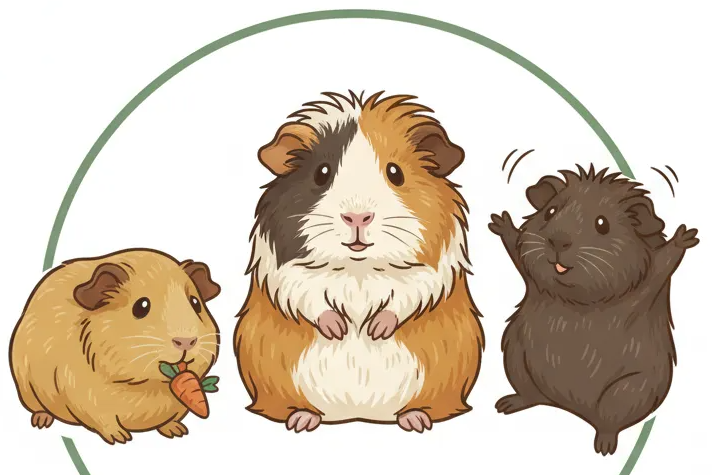
Best Treats and Rewards for Training Your Guinea Pig
Hello CavyFam! Training your guinea pig is exciting, but choosing the right treats can feel overwhelming. You might worry about their health or if certain foods will actually motivate them.
In this guide, I’ll cover healthy treat options, effective training steps, and reward timing tips. With years of experience caring for my own guinea pigs like Pepper, Clover, and Biscuit, I’m thrilled to share what I’ve learned.
Understanding Positive Reinforcement for Guinea Pig Training
Positive reinforcement works by rewarding the behaviors you want to see more of. Think of it as showing your guinea pig that good things happen when they listen to you. I’ve trained all three of my piggies this way, and the trust we’ve built is incredible. You’re not bribing them; you’re having a conversation where they learn your cues mean something wonderful is coming.
The timing of the reward is everything. You must give the treat the very instant your guinea pig performs the correct action. A delay of even a second can confuse them. When I first taught Pepper to stand up, I’d say “up” and immediately give him a tiny piece of cilantro the moment his front paws left the ground. He quickly made the connection.
Keep training sessions incredibly short and positive. Guinea pigs have short attention spans, so five minutes is a long and productive session. Always end on a high note, even if it’s with a simple trick they already know. This leaves them excited for the next time, rather than frustrated or bored. If you’re juggling a busy schedule, these quick sessions can fit into daily routines. Pair training with routine care tasks to maximize both enrichment and efficiency.
Selecting the Most Effective Training Treats
The best training treats are small, smelly, and irresistible to your pet. You need something they will work for, but that won’t fill them up or harm their health. I always keep a variety on hand because, just like people, my guinea pigs have different favorites. What Clover would do backflips for, Biscuit might just sniff and ignore.
Top Fresh Veggie & Herb Rewards
Fresh foods are my go-to for daily training. They are healthy and hydrating.
- Cilantro: A universal favorite in my herd. It’s fragrant and low in sugar.
- Parsley: Packed with Vitamin C, which is crucial for guinea pig health.
- Bell Pepper (red or yellow): Another excellent source of Vitamin C. I cut it into tiny, confetti-sized pieces.
- Romaine Lettuce: A good, low-calorie option for repeated rewards during a single session.
- Dill: The strong scent makes this a high-value treat for more challenging tasks.
Commercial Treats to Consider
While fresh is best, some store-bought options can be useful in moderation.
- Oxbow Simple Rewards: I trust this brand because their treats are made with limited, wholesome ingredients.
- Plain, pressed hay cubes: These are great for pigs who are more motivated by hay than veggies.
- Vitamin C Tablets: You can break these into tiny pieces. It turns a health supplement into a special reward.
Treats to Strictly Avoid
Your pig’s safety comes first. Some common foods are dangerous.
- Any treats with seeds, nuts, or colored bits
- Yogurt drops or any dairy products
- Fruits high in sugar, like grapes or bananas (save for a very rare, non-training treat)
- Anything from a generic “small animal” treat bag with a long list of unpronounceable ingredients
Portion Control is Non-Negotiable
Treats should only make up about 5% of your guinea pig’s total daily diet. I prepare a small dish of training treats at the start of each session so I don’t overfeed. A piece of cilantro the size of your pinky nail is a full meal for training purposes. Guinea pigs can safely eat cilantro in small amounts as part of a balanced diet. Always wash cilantro before feeding. Overfeeding treats, even healthy ones, can lead to obesity and digestive issues.
| Treat Type | Best For | Serving Size Tip |
|---|---|---|
| Fresh Herbs (Cilantro, Parsley) | Daily training & high motivation | One small leaf or a piece of a leaf |
| Vitamin C-rich Veggies (Bell Pepper) | Health-boosting rewards | A piece smaller than a pea |
| Commercial Pellet Treats | Convenience & variety | One single, small pellet |
Healthy and Low-Sugar Treat Options
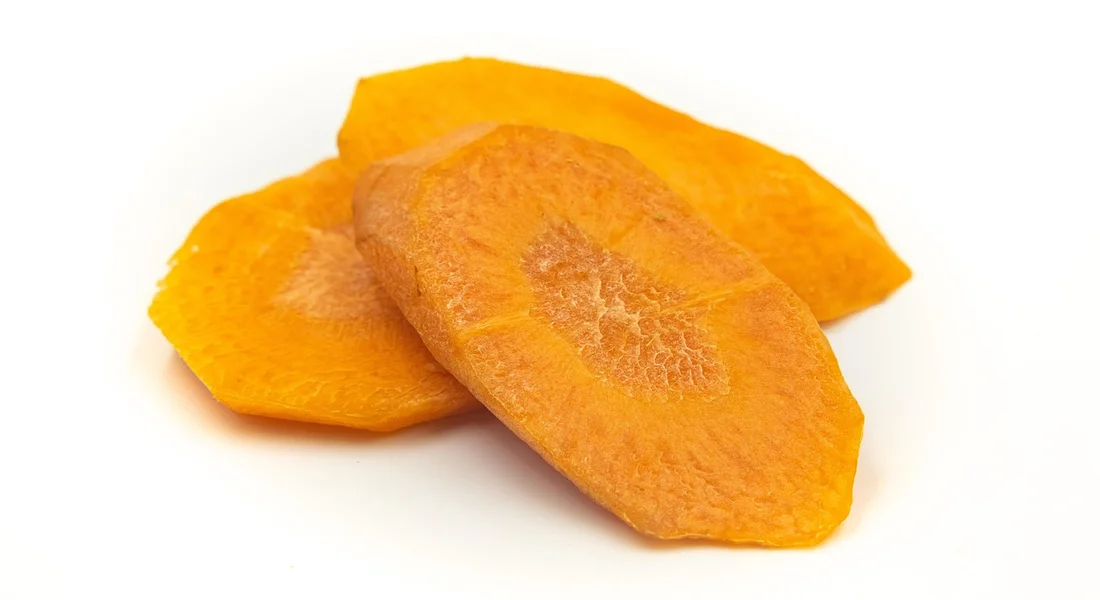
Choosing the right treats for your guinea pig keeps them happy and healthy. I rely on fresh veggies like bell peppers and leafy greens for my trio. Bell peppers are packed with vitamin C and have a low sugar content, making them a top pick for daily rewards. For a balanced guinea pig diet, include safe vegetables and greens such as romaine lettuce, kale, and parsley, and rotate them to provide variety. Always introduce new greens slowly to avoid digestive upset.
Pepper, my gentle American, adores small slices of cucumber. Clover, the graceful Abyssinian, prefers a bit of cilantro. Biscuit, the reserved Peruvian, enjoys romaine lettuce most. Stick to vegetables over fruits to avoid sugar spikes that can harm their digestion.
- Bell peppers (any color) – high in vitamin C, low in sugar
- Cucumber slices – hydrating and crisp
- Leafy greens like romaine or kale – rich in nutrients
- Fresh herbs such as cilantro or parsley – aromatic and enticing
I avoid fruits like apples or grapes except as rare treats. Over time, I’ve seen how low-sugar options prevent weight gain and support their energetic personalities.
Mastering the Timing and Portioning of Treats
Timing treats right makes training effective without overfeeding. I give rewards during short, focused sessions to keep my guinea pigs engaged. Offer treats immediately after they perform a desired action to reinforce good behavior quickly.
Portion control is crucial for their health. For Pepper, Clover, and Biscuit, I limit treats to a teaspoon-sized amount per day. Small, frequent rewards during training prevent boredom and build trust without upsetting their diet.
- Schedule training sessions before mealtimes when they’re most motivated.
- Use tiny pieces-about the size of a pea-to avoid overeating.
- Space out treats throughout the day to maintain interest and energy.
- Monitor their weight weekly; adjust portions if they gain too much.
From my experience, consistent timing helps shy pigs like Biscuit become more confident. Balancing treats with their regular hay and pellets ensures they get all necessary nutrients without excess calories.
Essential Training Techniques Using Treats
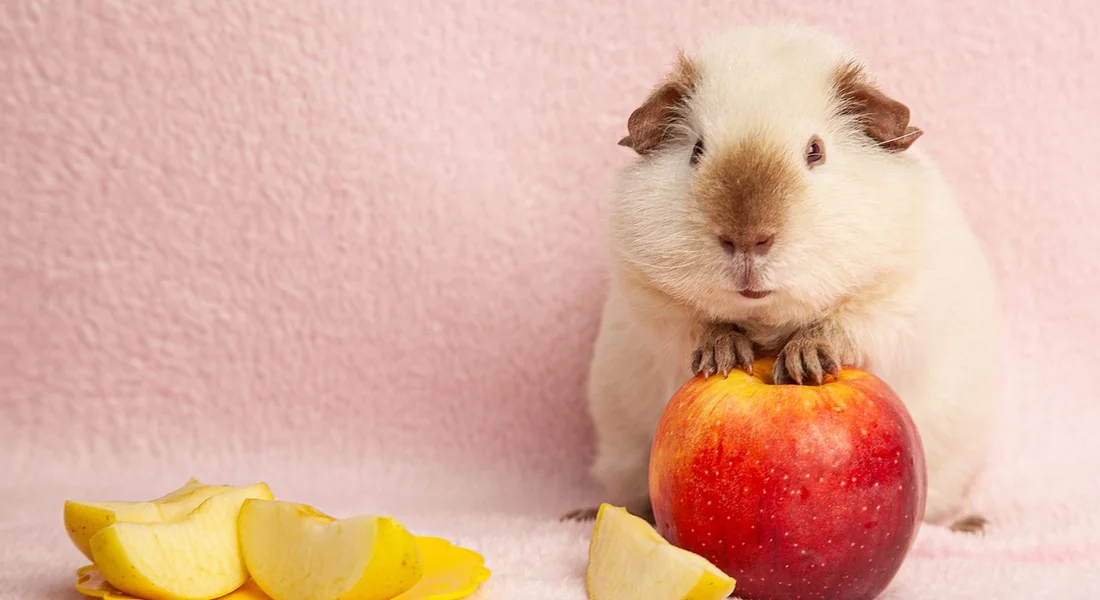
Using treats effectively can turn training into a fun bonding activity for you and your guinea pig. I always start with small, high-value treats like a piece of bell pepper to capture their attention quickly. You can also make homemade toy treats for your guinea pig—hide small pieces in a DIY treat-dispensing toy to extend playtime. Try crafting simple, safe toys that double as treat stations to keep learning engaging. Keep sessions short—just five minutes at a time—to prevent boredom and maintain their interest.
Building a Bond with a Shy or Fearful Guinea Pig
Working with a shy guinea pig requires patience and gentle approaches. With my guinea pig Biscuit, who is reserved but intelligent, I found that sitting quietly near her cage with a treat in my open palm built trust over days. Start by placing the treat just inside the cage without making direct eye contact, as this can seem threatening to them. This is the first part of a step-by-step guide to taming a scared new guinea pig, designed to help you build trust calmly. Keep sessions short and predictable as you work through the steps, gradually introducing gentle handling as trust grows.
- Offer treats at the same time each day to create a predictable routine.
- Use soft, calm voices to avoid startling them-whispering helped Clover, my graceful Abyssinian, feel safe.
- Gradually move your hand closer as they become comfortable, rewarding any small step forward.
Never force interaction; let the guinea pig come to you. This method helped Pepper, my steady American guinea pig, overcome her initial wariness and now she eagerly approaches for snacks. Consistency is key, and over time, you will see their personality shine through.
Common Mistakes to Avoid in Treat-Based Training
Many pet owners unintentionally hinder their guinea pig’s progress with well-meaning errors. One big mistake is overfeeding treats, which can lead to obesity and health issues-I learned this the hard way when Clover gained a bit too much weight. Stick to small portions and balance treats with their regular diet of hay and veggies.
- Avoid using sugary or processed foods; opt for fresh, guinea pig-safe options like cucumber or leafy greens.
- Don’t rush the training process-pushing a shy pig too fast can increase fear and set back bonding.
- Skip inconsistent reward timing; always give the treat immediately after the desired behavior to reinforce it clearly.
Another error is neglecting to vary the treats, which can cause picky eating. Rotating between different healthy options keeps training exciting and ensures a balanced diet for your furry friend. Remember, the goal is to build a positive association, not just fill their belly.
Beyond Food: Non-Edible Rewards and Enrichment
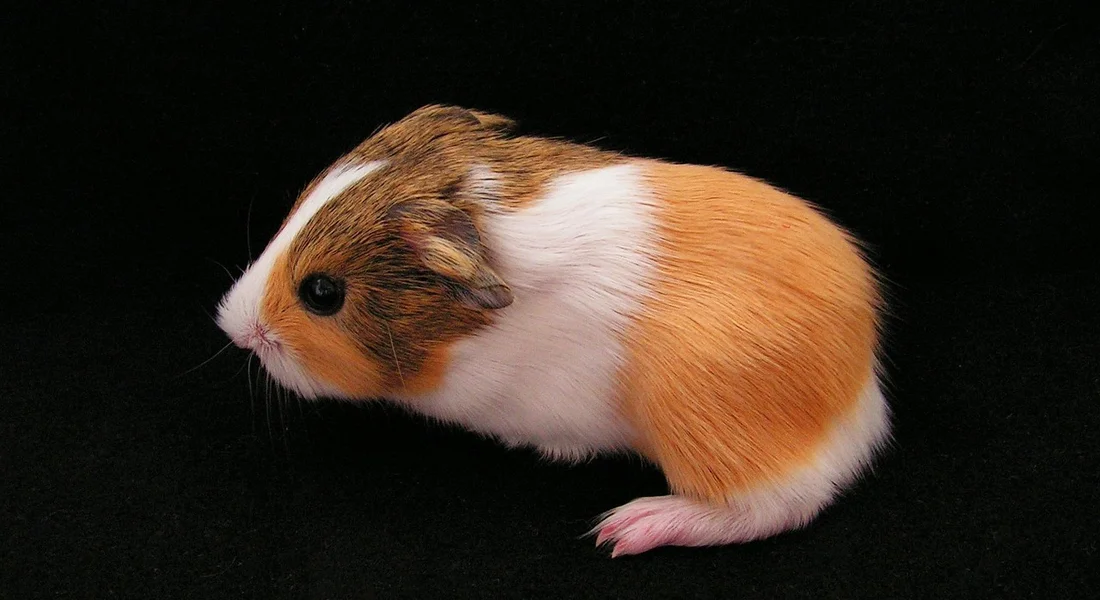
Food is a fantastic motivator, but it’s not the only way to show your guinea pig they’ve done a great job. My guinea pig, Pepper, often gets so focused on the food reward that he forgets the fun of the game itself. Mixing in other types of rewards keeps their minds engaged and training sessions from becoming just about the snack.
Affection and Verbal Praise
Guinea pigs are social creatures who learn to recognize and appreciate your voice and touch. A gentle chin scratch or a soft, happy “good piggy!” can be just as rewarding as a piece of carrot. I’ve found that my Abyssinian, Clover, will often pause and purr contentedly after a successful trick when she receives this kind of gentle praise.
Interactive Play and Exploration
Use a fun activity as the ultimate reward for a job well done. This turns training into a gateway for enrichment.
- After they complete a command, open the cage door for a supervised floor-time adventure.
- Introduce a new, safe toy immediately following a training success.
- Allow them a few minutes of uninterrupted tunnel exploration as their prize.
My Peruvian, Biscuit, is naturally reserved, but offering tunnel time as a reward has made him much more eager to participate in our sessions. He associates learning new things with getting to do his favorite activity.
Storing Your Guinea Pig Training Treats for Freshness
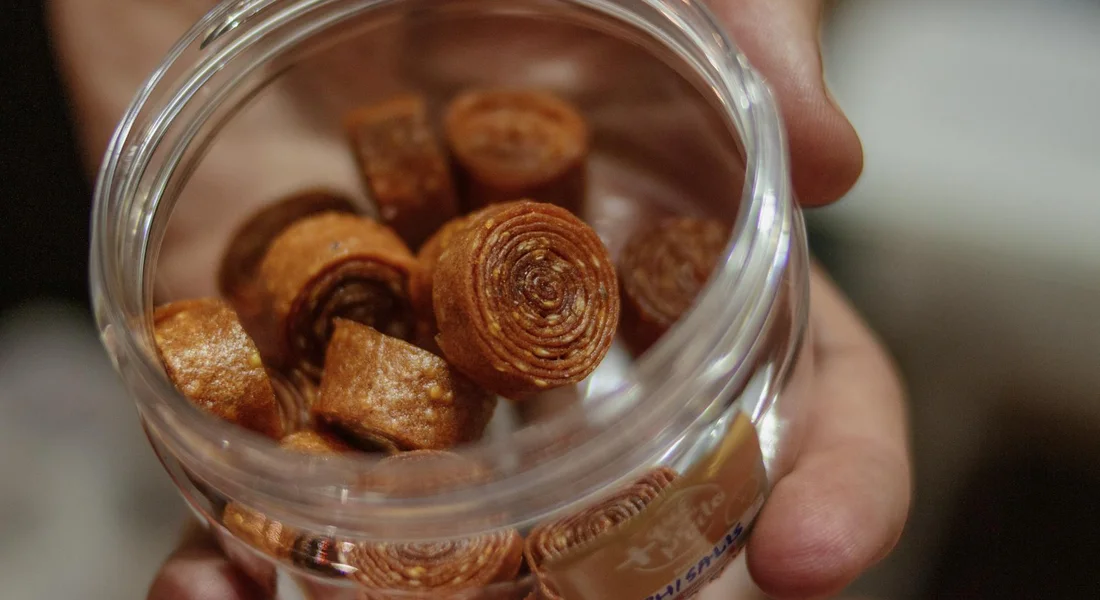
Proper storage is critical for keeping your training rewards safe, nutritious, and appealing. Nothing ruins a training session faster than offering a stale or spoiled treat that your guinea pig turns their nose up at. I learned this the hard way after a bag of hay cookies went soft and lost all its crunch.
Choosing the Right Containers
The right container protects treats from moisture, light, and pests.
- Airtight Glass Jars: My personal favorite for dried herbs and pellets. I can see the contents at a glance, and they don’t absorb odors.
- Resealable Plastic Bags with the air pressed out.
- Hard Plastic Containers with secure locking lids.
Ideal Storage Conditions
Where you store the treats is just as important as what you store them in.
- Always keep treats in a cool, dark place like a pantry or cupboard.
- Avoid areas with direct sunlight or near heat sources like ovens.
- Never store treats in a humid environment, such as over the refrigerator or under the sink.
Keeping treats in a consistent, cool environment dramatically extends their shelf life and preserves their flavor. This simple step ensures your rewards are always a high-value incentive.
Monitoring for Freshness
Always check your treats before offering them. Look for any changes in color, texture, or smell. If a treat looks dull, feels soggy, or has an off odor, it’s always safer to throw it out. For items you buy in bulk, consider writing the purchase date on the container with a marker so you can easily track how long they’ve been stored.
FAQs
How often can I use treats during guinea pig training?
Use treats frequently in short, 5-minute sessions to keep your guinea pig engaged and motivated. Always balance treat usage with their regular diet to avoid overfeeding and maintain health. Learn more about how often you should feed guinea pigs.
What flavors do guinea pigs prefer for training treats?
Guinea pigs are often drawn to aromatic flavors like herbs such as cilantro or parsley. They may also show interest in sweet, low-sugar vegetables like bell peppers for variety and appeal. These are some of the foods guinea pigs have in their daily diet. A balanced regimen also includes unlimited hay and fresh water to support digestion.
How do I gradually reduce treats after training?
Begin by substituting some treats with non-food rewards like gentle praise or chin scratches to reinforce behavior. Over time, use treats intermittently while ensuring your guinea pig still responds reliably to cues.
Can you train a guinea pig to come when called using treats?
Yes, you can train a guinea pig to come when called by consistently rewarding them with a small, high-value treat each time they respond to their name or a cue. Practice in a calm setting to build this association effectively. Understanding guinea pig behavior before you buy can help you choose a companion whose temperament fits your home. If possible, observe their interactions with people and other pigs during a visit.
Is treat-based training effective for fearful or shy guinea pigs?
Treat-based training is highly effective for fearful guinea pigs as it creates positive experiences and reduces anxiety. Start with simple interactions and reward any small progress to gradually build trust and confidence. As you progress, you can train your guinea pig to do tricks, which further builds trust and makes training a fun bonding activity. These tricks also provide mental stimulation and reinforce positive behavior.
Your Guinea Pig Training Journey Awaits
From working with my own guinea pigs like gentle Pepper and graceful Clover, I’ve seen how small, healthy treats paired with patience yield the best training results. Focus on fresh veggies and high-quality pellets in tiny amounts to reinforce positive behaviors safely and effectively.
Keep exploring new ways to care for your pets responsibly, always putting their well-being first in your daily routine. Embrace eco-friendly habits, such as composting leftover food scraps, to create a healthier home for your guinea pigs and our planet.
Further Reading & Sources
- A Guide To Training Guinea pigs – Guinea Pig Magazine
- Guinea Pig Treats | Chewy
- The Best Treats for Guinea Pigs: Different Types & Our Favorites
- Guinea Pig Training Treats – Amazing Animal Tricks
Kate is a passionate guinea pig owner and advocate for small pet welfare. With over a decade of experience caring for guinea pigs, she has become a trusted voice in the small pet community.
Uncategorized