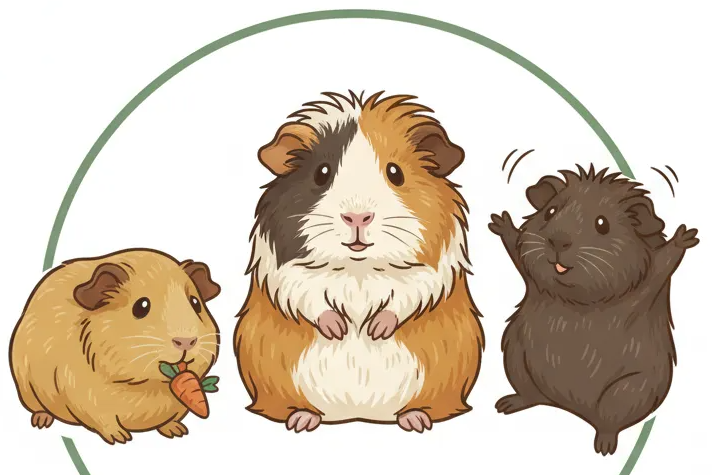
Step-by-Step Guide to Taming a Scared or New Guinea Pig
Hello CavyFam! Bringing home a new guinea pig can feel overwhelming when your new friend hides or seems terrified. I remember how my guinea pig, Biscuit, spent his first week silently observing from his hidey-hole-it’s a journey we all go through.
In this guide, I’ll walk you through building trust, interpreting guinea pig body language, safe handling techniques, and daily bonding routines.
Having raised Pepper, Clover, and Biscuit-each with unique personalities-I’ve learned that patience and gentle persistence truly transform shy cavies into confident companions.
Understanding Guinea Pig Fear and Timidity
Guinea pigs feel scared in new settings because they are prey animals by nature, hardwired to be cautious of potential dangers. Their survival instincts tell them to hide first and ask questions later. Moving to your home brings a whirlwind of unfamiliar sights, sounds, and smells, making them feel incredibly vulnerable. This fear-driven stress can affect their health and behavior, influencing appetite, grooming, and activity levels. Understanding this link helps explain changes you might observe in a guinea pig’s health when stressed.
Common fear triggers are often things we don’t even notice. Loud televisions, slamming doors, and even a vacuum cleaner in another room can send them scrambling. Sudden movements, like a hand reaching quickly into their cage, or the shadow of a large person looming over them, are also major stressors.
You can identify a timid guinea pig by watching for these clear signs:
- Freezing in place, often in a corner, trying to become invisible.
- Running away and hiding at the slightest sound or movement.
- Loud, high-pitched squealing, which is a distinct fear cry.
- Chattering their teeth as a warning to stay away.
- Refusing to eat or drink when you are in the room.
I saw this firsthand with my own guinea pig, Pepper. For the first week, Pepper would press his golden-brown body into the farthest corner of his hidey, motionless, whenever I walked by. He wouldn’t touch his veggies until long after I left the room. It wasn’t stubbornness; it was pure, instinctual fear of the giant in his new world.
The Importance of Taming for Trust-Building
Taming is the gentle process of proving to your guinea pig that you are a source of safety and good things, not a predator. This daily practice of patience is what transforms a fearful pet into a confident, bonded companion. It’s the foundation of your entire relationship.
The benefits of this dedicated trust-building extend far beyond simple handling.
- It dramatically reduces their overall stress levels, leading to a happier, more relaxed animal.
- Lower stress supports a stronger immune system and better long-term health.
- A tamed guinea pig is more social, more interactive, and truly enjoys your company.
- It makes routine health checks and cage cleaning much less traumatic for everyone involved.
Gentleness and unwavering patience are the absolute core of ethical animal welfare here. You must move at their pace, never forcing interactions or punishing their natural fears. Rushing the process only damages the trust you’re trying so hard to build.
Think of building trust like the gentle, persistent rhythm of an ocean wave. Each calm, positive interaction is a wave that slowly, gradually, smoothes the rough, fearful edges of their uncertainty. It doesn’t happen with one giant crash, but with countless gentle touches that eventually create something smooth and beautiful.
Reading Guinea Pig Body Language

Guinea pigs speak volumes through their ears, eyes, and sounds. Learning these cues helps you respond with care and build a stronger bond. By observing everyday movements and postures, you can interpret guinea pig behaviors and body language. This awareness helps you respond more calmly and meet their needs promptly.
- Ears: Pinned back flat often signal fear, while perked-up ears show curiosity.
- Eyes: Wide, bulging eyes can mean alarm, but relaxed, half-closed lids indicate comfort.
- Vocalizations: High-pitched wheeking means excitement, while low rumbles or teeth chattering warn of stress.
I spent weeks observing Clover, my graceful Abyssinian, to understand her thoughtful head tilts and soft purrs. Her light brown fur would ripple gently when she felt safe, a sign I learned to cherish.
| Body Part | Afraid | Calm |
|---|---|---|
| Ears | Flattened against head | Upright and alert |
| Eyes | Wide and staring | Softly blinking |
| Posture | Crouched low or frozen | Relaxed, stretched out |
| Vocal Sounds | Teeth chattering, hissing | Gentle purring, content wheeks |
Watch for tiny changes like rapid whisker twitches or sudden stillness. Spotting stress early lets you adjust your approach before fear escalates.
Common Signs of Stress and Fear
- Hiding constantly in corners or under bedding. Respond by giving space and speaking in a soft, soothing tone to reassure them.
- Rapid, shallow breathing that you can see in their sides. Move away slowly and avoid loud noises to help them calm down.
- Loud teeth chattering or hissing sounds. Stop any handling and offer a favorite treat from a distance to shift their focus.
- Freezing in place with tense muscles. Wait patiently without touching until they relax and show movement again.
Notice the sharp scent of fear or the way their fur stands on end. These sensory clues guide you to act with extra gentleness.
A Step-by-Step Guide to Gentle Taming
- Create a safe space in the enclosure with cozy hiding spots like small boxes or tunnels. This gives your guinea pig a retreat to feel secure during new experiences.
- Use a calm voice and slow, predictable movements when you approach. Sudden actions can startle them, so I always hum softly to set a relaxed mood.
- Introduce hand-feeding treats like fresh veggies to build positive associations. Hold the treat steady and let them come to you at their own pace.
- Gradually increase handling time, starting with just a minute and building up. Focus on bonding by letting them sniff your hand before any lifting.
- Incorporate gentle petting along their back and quick health checks like nail trims. Keep sessions brief to avoid overwhelming them with too much contact.
- With Biscuit, my reserved Peruvian, I sat near his cage daily, offering bits of carrot until he nudged my hand. His dark brown coat would relax under my touch as trust grew over weeks.
Building Trust Through Daily Routines
- Follow a simple schedule: morning for a quick hello and treat, evening for a 5-10 minute taming session. Consistency helps guinea pigs feel more secure and predictable.
- Keep interactions short and positive, ending on a high note with a favorite snack. This reinforces good behavior without pushing their limits.
- Add enrichment like paper bag tunnels or hay-filled toys to make sessions fun. Rotate items weekly to keep their curiosity engaged and reduce boredom.
Creating a Safe and Enriching Environment
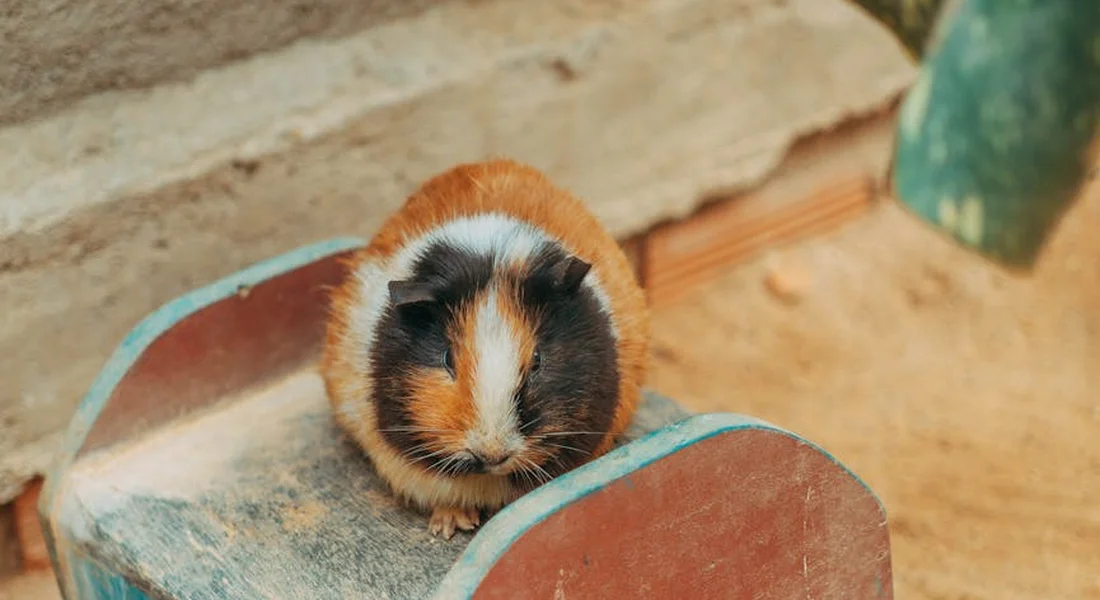
Your guinea pig’s home should feel like a cozy sanctuary, not a scary cage. Start with soft, absorbent bedding like paper-based or fleece liners to cushion their tiny feet and reduce stress. I use fleece for my trio—Pepper, Clover, and Biscuit—because it’s gentle and easy to clean, which keeps them comfortable day after day. In this ultimate guide to safe bedding options for guinea pigs, you’ll learn how to choose safe, dry materials that are easy to maintain. We’ll cover the pros and cons of paper-based bedding, fleece, and other common options so you can pick what works best for your setup.
Always include multiple hiding spots, such as small huts or tunnels, where they can retreat when feeling overwhelmed. These hideaways give them control over their space, which is crucial for building trust over time. In my setup, I placed a couple of cardboard boxes and a commercial hidey house, and I noticed Biscuit, who’s naturally reserved, would peek out more often once he felt secure.
Keep the enclosure in a quiet area away from loud noises and high traffic. A calm environment minimizes fear triggers and makes socialization smoother, as your guinea pig learns to associate you with peace, not panic. When I moved Pepper’s cage to a low-noise corner, her gentle nature shone through faster during our interactions.
For taming, gather these essential supplies: high-value treats like fresh veggies, a secure carrier for safe transport, and soft towels for handling. Having these items on hand lets you respond gently to your guinea pig’s cues without causing extra stress. I always keep carrot slices and a small carrier nearby, which helped Clover feel more at ease during her first vet visits.
Optimizing the living space isn’t just about looks-it’s about empathy. I added a quiet corner with extra bedding and a hideout, and over weeks, even timid Biscuit started exploring more confidently. This small change reinforced that a well-thought-out habitat is key to taming success.
Handling Setbacks and Common Challenges
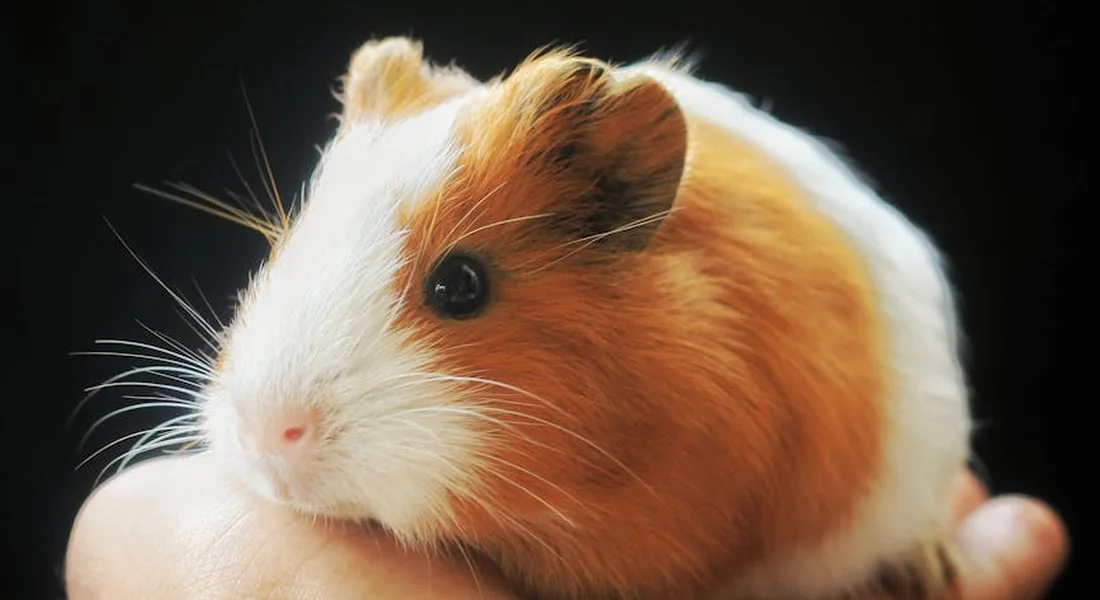
If your taming efforts hit a snag, don’t get discouraged—it’s a normal part of the process. Take a step back and observe your guinea pig’s behavior to identify what might be causing the fear or resistance. For instance, when Clover acted skittish, I realized loud household noises were the culprit, and moving her cage made a big difference. Guinea pigs are sensitive to loud noises and may react with startles or freezes. Noting these responses helps you adjust the environment to keep them calmer.
Deal with aggressive or overly timid behavior by avoiding sudden movements and giving them space. Never force interactions; instead, use positive reinforcement like offering treats from a distance to build gradual trust. With Biscuit, who tends to be reserved, I spent days just sitting near his cage and talking softly until he approached me on his own.
Patience is your best tool here—rushing can set back progress. Remember, every guinea pig has a unique personality, and what works for one might not work for another, so adapt your approach with kindness. I’ve learned that consistency and calmness, even after setbacks, help them feel safer over time. For shy or timid guinea pigs, a gentle, step-by-step confidence-building plan—start with close, calm proximity and short handling sessions—can help them grow braver. With each small success, trust and curiosity blossom.
Stay persistent and celebrate small wins, like when your guinea pig takes a treat from your hand. These moments build a foundation of trust that can overcome many challenges, so keep a positive outlook and adjust as needed. My experience with Pepper showed me that steady, gentle efforts pay off, even if progress seems slow at first.
When to Seek Help or Adjust Your Approach
Watch for warning signs that indicate it’s time to change your strategy or seek professional advice. If your guinea pig shows persistent hiding, loss of appetite, or aggressive biting, these could signal underlying issues that need attention. Recognizing signs of pain or illness in guinea pig behavior helps you decide when to act. Early detection through behavior changes allows for timely care. Here’s a bullet list of red flags to monitor closely:
- Consistent refusal to eat or drink, even with favorite treats offered
- Excessive vocalizations like constant squealing or teeth chattering
- Hiding for long periods without emerging, even in a quiet environment
- Signs of physical distress, such as lethargy or labored breathing
Consult a veterinarian if you suspect health-related fears, as pain or illness can mimic behavioral problems. I once took Biscuit to the vet for a check-up when he seemed unusually withdrawn, and it turned out he had a minor dental issue-addressing it made him much more receptive to taming. Don’t hesitate to get expert input; it can prevent bigger problems down the line.
Drawing from my own hurdles, I’ve found that tweaking routines, like shifting playtime to quieter hours, can make a huge difference. By staying observant and flexible, you can turn challenges into opportunities for deeper bonding with your guinea pig.
Maintaining Bonding Through Routine and Care
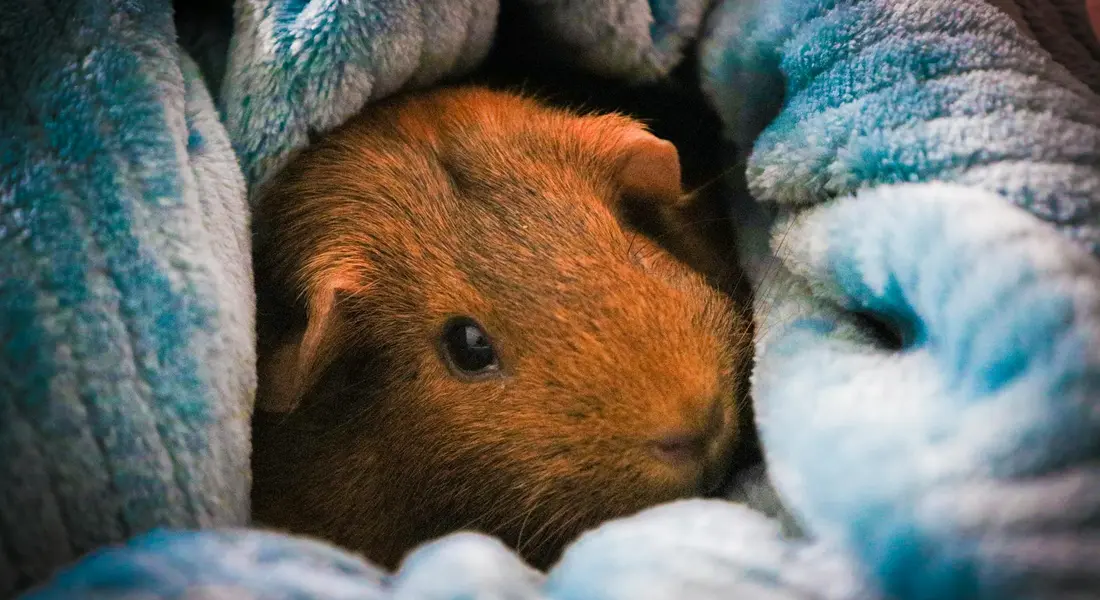
Regular grooming sessions are a powerful tool for building trust with a nervous guinea pig. I found that gentle brushing, especially with my long-haired Peruvian Biscuit, became a quiet time where she learned my hands meant comfort, not capture. These moments help you understand her grooming behaviors and the way she forms social bonds. Watching her reactions turns grooming into a language of trust. Start with short, soft strokes and always let them sniff the brush first.
Weekly health checks are another non-negotiable part of our routine. Pepper used to freeze up, but now he sits calmly while I check his teeth, eyes, and the bottoms of his feet because he knows a tasty cilantro sprig always follows. This consistent positive outcome transforms a potentially scary experience into a bonding moment.
Ongoing Enrichment and Positive Reinforcement
Your guinea pig’s world should be full of positive surprises that reinforce your role as a bringer of good things. I rotate their toys weekly and hide veggies in paper bags or cardboard tubes to stimulate their natural foraging instincts. This keeps their minds active and associates you with fun. These ideas echo the practical tips you’ll find in the ultimate guide to guinea pig foraging toys activities. It covers more foraging games, puzzles, and DIY toy ideas to keep your pig curious and active.
- Create simple obstacle courses with tunnels and low ramps.
- Offer a variety of safe chew toys to prevent boredom.
- Use their favorite treats, like bell pepper slices, to reward brave behaviors.
- Talk to them in a soft, steady voice during all interactions.
Clover, my thoughtful Abyssinian, now popcorn-zooms when she hears the crinkle of the treat bag, a clear sign she connects that sound with joy.
Taming is a Lifelong Journey
Building a deep bond doesn’t end after the first few weeks. View taming not as a task with a finish line, but as the foundation of your ongoing relationship. Some days they will be bold and curious; other days they may be more reserved. This is completely normal.
Their trust is a living thing that needs consistent, gentle care to flourish. Patience is your most valuable tool, and respecting their individual personalities is key to a happy life together.
How My Routine Evolved Over the Years
My routine with Pepper, Clover, and Biscuit has changed dramatically. What began as simple, cautious hand-feeding has blossomed into a rich daily ritual that we all look forward to. Our mornings now start with a chorus of wheeks when they hear my footsteps, followed by fresh veggies and a quick head count.
- Year One: Focused on basic trust-building through predictable feeding and quiet presence.
- Year Two: Incorporated structured floor time and introduced more complex toys.
- Year Three & Beyond: We’ve settled into a comfortable rhythm where they actively seek out interaction, often nudging my hand for pets.
This evolution from cautious coexistence to genuine companionship is the most rewarding part of sharing your life with guinea pigs.
FAQs
How long does it typically take to tame a scared guinea pig?
The taming process can vary from a few weeks to several months, depending on the guinea pig’s personality and past experiences. Consistency and patience are key to building trust over time.
What are the best treats to use for positive reinforcement during taming?
Fresh vegetables like bell peppers, carrots, and cilantro are highly effective as they are nutritious and appealing. Always introduce new treats gradually to avoid digestive issues.
Is it safe to take my guinea pig abroad on an airplane?
Traveling by air can be stressful for guinea pigs and is not always recommended due to temperature and pressure changes. For a complete resource, see the ultimate guide to traveling safely with your guinea pig. Always check with the airline for their specific pet policies and consult a vet beforehand. This guide covers packing, cabin tips, and signs of stress to watch for.
What documents do I need to prepare for international travel with my guinea pig?
You will typically need a health certificate from a veterinarian and possibly an import permit from the destination country. Research the requirements well in advance to ensure a smooth journey.
How can I help my guinea pig get used to a travel carrier?
Start by placing the carrier in their cage with familiar bedding and treats to create positive associations. Gradually increase the time they spend in it with the door open before any travel.
Your Path to a Trusting Guinea Pig Friendship
Start by offering patience and gentle handling to help your new guinea pig feel safe and secure. Building trust through consistent, positive interactions will transform their fear into curiosity and comfort around you. This steady approach helps your pig feel safe as they settle in. With quiet routines and safe spaces, you can ease their transition and foster a relaxed, confident companion.
Always prioritize your pet’s well-being by learning and adapting to their unique needs for a happier, healthier life. Choosing eco-friendly supplies, like biodegradable bedding, supports both your guinea pig’s health and our planet’s future.
Further Reading & Sources
- How To Bond With Your Guinea Pig – Hold – Pick Up – Taming
- How to Tame Your Guinea Pig: 11 Steps (with Pictures) – wikiHow
- Handling and Taming Your Guinea Pig – HAYPIGS
- How to tame Guinea Pigs – Guinea Pig Care Online
Kate is a passionate guinea pig owner and advocate for small pet welfare. With over a decade of experience caring for guinea pigs, she has become a trusted voice in the small pet community.
Uncategorized