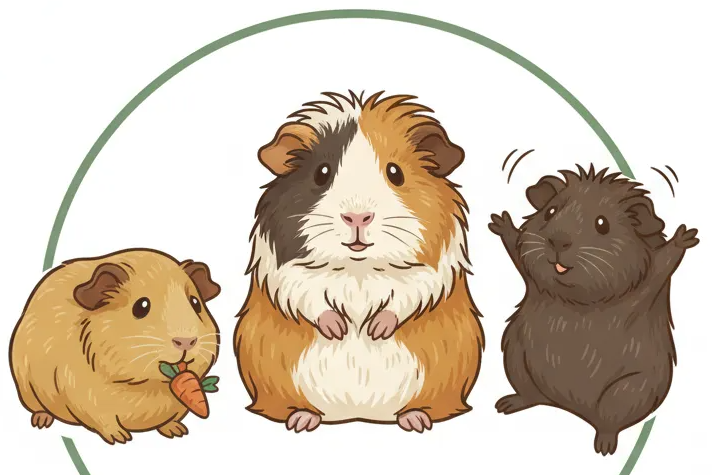
Overcoming Shyness: Step-by-Step Confidence Building for Timid Guinea Pigs
Published on: March 17, 2026 | Last Updated: March 17, 2026
Written By: Kate M. Callahan
Hello CavyFam! Is your guinea pig always darting for cover when you approach? You might feel concerned they will never warm up to you or enjoy a happy, social life.
In this guide, I will share recognizing shyness cues, building trust through daily routines, using gentle handling techniques, and creating a secure habitat. With years of firsthand experience raising guinea pigs like my own shy Biscuit and graceful Clover, I have helped many timid cavies gain confidence.
Understanding Your Guinea Pig’s Shyness
Guinea pig confidence simply means your pet feels secure enough to explore, eat, and interact without constant fear. Think of it as their comfort level in their surroundings, where they can be themselves without hiding or freezing up.
- Shy guinea pigs often huddle in corners, avoid eye contact, or stay silent when you approach.
- Confident ones will wheek for treats, popcorning (little joyful jumps), and curiously sniff new objects.
Factors like breed traits, past handling, and age play big roles in their confidence levels. For instance, younger pigs like my Biscuit may start reserved but can blossom with gentle encouragement.
From my own experience, Pepper’s steady nature made her easier to bond with, while Clover’s thoughtfulness meant she needed quieter interactions to open up.
Creating a Confidence-Boosting Environment
- Place the cage in a low-traffic area away from loud appliances to reduce sudden scares.
- Add multiple hideouts like small boxes or fleece tunnels-these give timid pigs a quick escape when overwhelmed.
- Include chew toys and foraging items to keep their minds engaged and build curiosity over time.
Safe hiding spots are non-negotiable for helping shy guinea pigs feel in control. I’ve seen Biscuit use her hidey-house as a base to cautiously observe the room before venturing out.
Manage noise by avoiding loud music or TV near their space, and stick to a predictable routine for feeding and cleaning. Consistency helps them learn what to expect, lowering their stress day by day.
When you change the habitat layout, do it gradually-move one item at a time every few days. This slow approach prevents shock and lets them adapt without losing their sense of safety.
Gentle Handling and Trust-Building Techniques

Working with shy guinea pigs requires a patient, step-by-step method to build trust without overwhelming them. I’ve seen incredible progress with my own guinea pigs by starting small and staying consistent.
Step-by-Step Approach to Handling Shy Guinea Pigs
- Sit quietly near their cage for a few minutes each day, speaking in a soft, calm voice to get them used to your presence.
- Offer treats from your open palm without moving suddenly, letting them approach you first.
- Once they take treats confidently, gently stroke their back while they eat, avoiding sudden touches on the head.
- Practice lifting them for brief moments, always supporting their full body to prevent injury or fear.
- Increase handling time gradually, returning them to their cage at the first sign of stress to keep experiences positive.
My guinea pig Biscuit was very reserved at first, but this slow method helped her learn that handling can be safe and rewarding. Patience here pays off in stronger bonds and less anxiety for your pet.
Reading Body Language During Interactions
Guinea pigs show their feelings through subtle cues, so watching their reactions helps you adjust your approach. Recognizing when your guinea pig feels scared or relaxed makes every interaction more effective. It’s also important to know if your guinea pig is stressed or anxious to better care for their well-being.
- Comfort signs: Purring softly, relaxed posture, or exploring calmly.
- Nervous signals: Hiding in corners, freezing in place, or making sharp, high-pitched squeaks.
- Fearful behavior: Rapid breathing, trying to escape, or flattening their body against the ground.
With Clover, I noticed she’d freeze if I moved too fast, so I learned to slow down and give her space. Responding to these cues builds trust and prevents unnecessary stress.
Positive Reinforcement Methods Using Treats
Treats are a powerful tool for encouraging brave behavior in timid guinea pigs. Using small, healthy rewards like cucumber slices or bell peppers reinforces positive actions instantly.
- Offer a treat immediately after they approach you or allow gentle petting.
- Use variety to keep them interested, but stick to guinea pig-safe foods like leafy greens or small fruit pieces.
- Avoid overfeeding; tiny portions work best to maintain their health and motivation.
Pepper loves carrot bits, and rewarding his small steps helped him become more outgoing over time. Consistent treat use turns scary situations into fun learning moments.
Building Trust Through Consistent Routines
Guinea pigs thrive on predictability, so sticking to a daily schedule can ease their shyness. Understanding their daily activity patterns—many guinea pigs are most active in the morning and late afternoon—can help you plan when to offer play and enrichment. Tuning your daily routine to these peaks makes interactions smoother and more rewarding. Regular feeding, play, and quiet times help them feel secure and in control.
- Feed them at the same times each day, using this as a bonding opportunity.
- Incorporate short, gentle handling sessions into your routine, even on busy days.
- Keep their environment stable-avoid moving cages or adding new items too frequently.
My trio responds well to morning veggies and evening cuddles, which has made them more relaxed around me. A steady routine reduces uncertainty and encourages confidence in shy pets.
Confidence-Building Training Activities
Training activities can transform a timid guinea pig into a more curious and engaged companion. Simple exercises build their skills and reduce fears through positive experiences. Pair these exercises with foraging toy activities—a staple of the ultimate guide to guinea pig foraging toys and activities. Together, they boost curiosity and problem-solving as your pig explores.
Simple Step-by-Step Training Exercises
- Start with target training: Hold a treat near a small stick or your finger, rewarding them for touching it with their nose.
- Teach them to come when called by using a consistent sound or word paired with a treat reward.
- Practice navigating low obstacles or tunnels to boost their problem-solving and bravery.
- Introduce a “lap time” command where they learn to climb onto a towel or your lap for treats.
Biscuit mastered target training in just a few weeks, which made her more willing to try new things. Short, fun sessions keep training stress-free and effective for building confidence.
Using Desensitization for Common Fears
Desensitization helps guinea pigs get used to scary sounds or objects by introducing them slowly. Gradual exposure teaches them that new experiences aren’t always threatening. That approach can also help with cage aggression by reducing stress during introductions. Watch for warning signs and stop aggression before it escalates.
- Play soft household noises, like a vacuum recording, at low volume while offering treats to create positive associations.
- Place unfamiliar items, such as a new toy or blanket, near their cage before moving it closer over days.
- Pair each new element with something they enjoy, like favorite foods or gentle praise.
Clover used to startle at sudden noises, but quiet sound sessions helped her stay calm. This method reduces fear responses and makes your guinea pig more adaptable. Guinea pigs are often sensitive to loud noises and may startle or freeze in response. Gradual sound exposure can help them react more calmly over time.
Treat-Based Positive Reinforcement Techniques
Using treats in training reinforces good behavior and makes learning enjoyable. Immediate rewards help shy guinea pigs connect actions with positive outcomes.
- Clicker training: Use a clicker to mark desired behaviors, followed by a treat, for clear communication.
- Shape complex tasks by rewarding small steps, like moving toward a target or exploring a new area.
- Keep sessions under five minutes to prevent boredom or fatigue, ending on a high note.
I’ve used clicker training with all my guinea pigs, and it’s amazing how quickly they pick up new skills. Treat-based methods build enthusiasm and trust while minimizing stress.
Gradual Exposure to New Experiences
Slowly introducing new environments or stimuli helps shy guinea pigs build resilience. Controlled exposures prevent overwhelm and encourage curious exploration.
- Start with safe, enclosed spaces like a playpen before allowing free-roam time in a larger room.
- Introduce one new person or pet at a time, supervising closely to ensure positive interactions.
- Vary textures and surfaces, such as grass or carpet, to help them adapt to different feelings under their feet.
Pepper was hesitant about floor time at first, but short sessions on a soft rug made him more adventurous. Taking it slow ensures new experiences boost confidence instead of fear.
Socialization Strategies for Timid Pigs
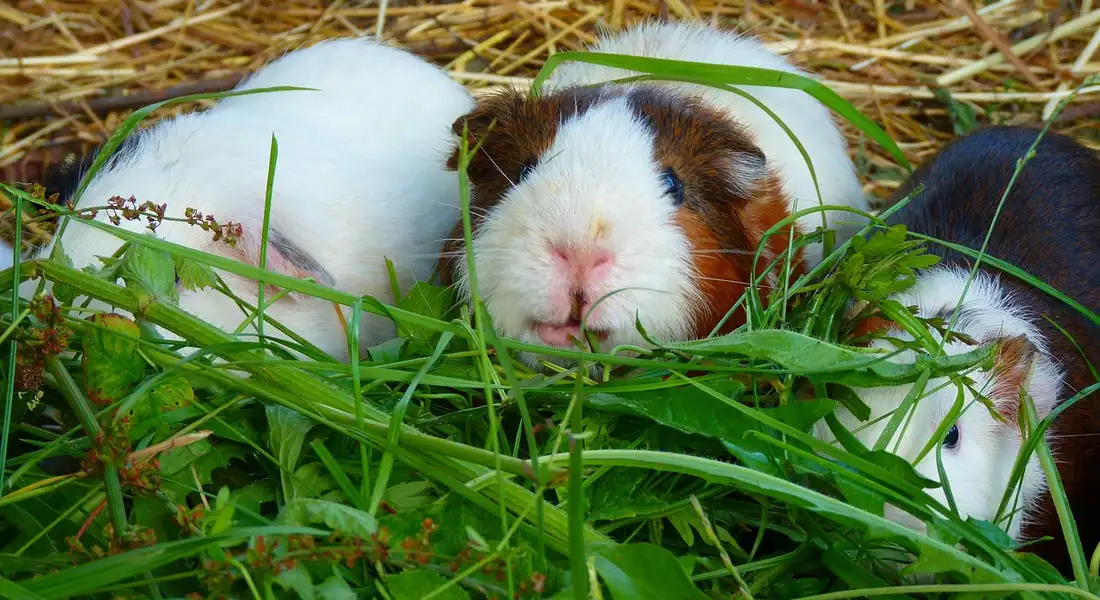
Step-by-step companion introductions
Begin introductions in a neutral space where no guinea pig has established territory, like a clean playpen or bathtub with towels. Always supervise initial meetings to prevent stress or aggression, and keep sessions short-just 10-15 minutes at first. I introduced Pepper and Clover this way, placing veggies in the center to encourage positive associations without forcing contact. Use an ol for clear steps:
- Place both pigs in the neutral area with hiding spots like cardboard boxes.
- Sit quietly nearby, speaking in a soft voice to model calm behavior.
- Offer high-value treats, such as cilantro or bell peppers, to build trust through shared rewards.
- Gradually increase interaction time over days if they show relaxed body language, like gentle sniffing or quiet wheeking.
Bonding exercises for multiple guinea pigs
Group activities can ease shyness by fostering teamwork. Try “floor time” with tunnels and hay piles where pigs like Biscuit can explore together, reducing isolation fears. In my setup, I scatter food to promote foraging as a group, which mimics natural herd behavior. Use a ul for simple exercises:
- Hide-and-seek with treats under safe objects to build curiosity.
- Gentle grooming sessions with a soft brush, starting with brief strokes if they tolerate touch.
- Parallel play by placing cages side-by-side before full introductions, letting them observe safely.
Managing group dynamics during socialization
Watch for signs of hierarchy, like rumbling or nudging, and intervene only if chasing or biting occurs. Provide multiple resources-two water bottles, extra hideouts-to minimize competition and give timid pigs escape routes. With Pepper and Clover, I noticed Clover’s graceful nature helped calm Biscuit’s reserved tendencies, so I paired them for quieter interactions. Rotate pairings slowly to avoid overwhelming any pig.
Behavior modification for social anxiety
For pigs with deep-seated fear, use desensitization by exposing them to low-stress social cues. Start with recorded guinea pig sounds at low volume during feeding, gradually increasing exposure as they eat calmly. I did this with Biscuit, pairing sounds with his favorite veggies, and he began to associate noises with positive outcomes. Reinforce brave behaviors with immediate treats, ignoring hiding to avoid rewarding fear. For new owners, a quick guide interpreting common guinea pig sounds can help you read wheeks, squeaks, and purrs to respond appropriately. This makes training more consistent and reassuring for your pig.
Patience and Progress Tracking
Realistic timeline expectations
Building confidence isn’t overnight-it can take weeks or months. Expect initial resistance, like hiding for days, but aim for tiny improvements, such as less flinching when you approach. From my years with guinea pigs, I’ve seen shy ones like Biscuit need 2-4 weeks just to stop bolting at sudden movements. Adjust your pace based on their comfort; rushing can set progress back.
Monitoring gradual confidence improvements
Keep a simple journal noting behaviors daily. Track metrics like time spent outside hideouts or frequency of vocalizations, which signal growing trust. I charted Clover’s progress by how often she initiated contact with Pepper, and over time, her thoughtful nature shone through in playful nudges. Use a ul for easy tracking tips:
- Note body language: Relaxed ears and slow movements mean success.
- Record treat acceptance-if they take food from your hand, it’s a win.
- Watch for social behaviors, like following cage mates or gentle popcorn jumps.
Adjusting methods based on individual progress
If a pig stalls, like Pepper did early on, switch tactics gently. Reduce session length or change the environment-moving to a quieter room can reignite curiosity without pressure. I found that alternating between one-on-one time and group play helped Biscuit adapt at his own pace. Always prioritize their welfare; if stress signs like teeth chattering persist, pause and reassess.
Celebrating small victories in behavior modification
Acknowledge every step forward, no matter how minor. Reward moments like a shy pig taking a veggie piece without retreating-it reinforces positive change and builds momentum. When Clover first wheeked during floor time, I celebrated with extra parsley, strengthening her confidence. Share these joys with family to keep motivation high and remind yourself that patience pays off.
FAQs
What factors affect a guinea pig’s confidence?
Confidence levels are shaped by genetics, past handling experiences, and the stability of their daily environment. Providing consistent care and gentle interactions can help overcome innate shyness over time.
How does socialization impact a guinea pig’s confidence?
Positive socialization with other guinea pigs fosters natural herd instincts and reduces feelings of isolation. Supervised group activities and gradual introductions build trust and encourage bolder behavior in timid pigs. Observing grooming cues helps decode their social bonds. Grooming is a core bonding behavior among guinea pigs.
Does habitat affect guinea pig confidence?
A secure habitat with ample hiding spots and low noise levels directly boosts a guinea pig’s comfort and willingness to explore. Maintaining a predictable layout and routine minimizes stress, supporting steady confidence growth. For tips on creating an ideal living space, you can learn how to build and set up the perfect guinea pig cage.
Your Shy Guinea Pig’s Journey to Confidence
Building a confident guinea pig starts with patience, a consistent routine, and gentle, daily interactions that respect their individual pace. Pair this with offering high-value treats and creating a secure habitat to help your pet feel brave enough to explore and connect with you. By learning the happy cues—such as relaxed body language, content chirps or wheeks, and confident approaching—you’ll know when your guinea pigs are happy.
As a responsible owner, your commitment to observing and learning from your guinea pig’s unique personality is the most powerful tool for their well-being. Proper care for guinea pigs includes providing a balanced diet, a clean living space, and regular health checks. With daily interaction and gentle handling, you can support their comfort and safety. Continue seeking out safe, enriching, and eco-friendly care practices to ensure your small friend lives a long, happy, and healthy life.
Further Reading & Sources
- How Can I Build Their Confidence? | The Guinea Pig Forum
- How To Get My Guinea Pig To Trust Me [Best Tips To Try]
- How to Get Your Guinea Pig to Trust You: 14 Steps (with Pictures)
- 4 Steps to Bond With Your Guinea Pigs (2023 Update!) – GuineaDad
Kate is a passionate guinea pig owner and advocate for small pet welfare. With over a decade of experience caring for guinea pigs, she has become a trusted voice in the small pet community.
Uncategorized