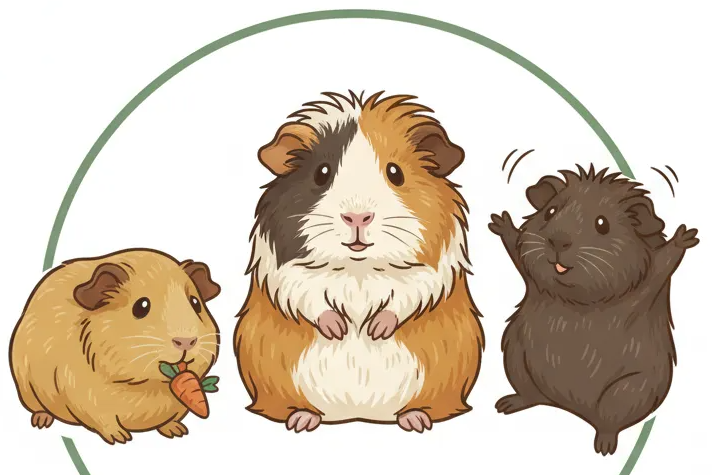
Essential Guinea Pig Cage Accessories
Hello CavyFam! Are you setting up a cozy home for your guinea pig and feeling unsure about which accessories are truly necessary? It’s natural to worry about creating a safe, stimulating environment that prevents boredom and stress for your pets.
I’ll guide you through the must-haves, covering bedding choices, food and water setups, hiding spots, enrichment items, and cleaning tools. With years of hands-on experience caring for my own guinea pigs like Pepper, Clover, and Biscuit, I’ve learned what keeps them healthy and content.
Hydration and Feeding Essentials
Keeping your guinea pigs well-fed and hydrated is key to their happiness and health. I’ve learned through caring for Pepper, Clover, and Biscuit that the right accessories make all the difference in their daily routines.
- Must-have items include leak-proof water bottles, sturdy food bowls, and hay racks to support their diet.
- Place water bottles and bowls in easily accessible spots to encourage regular use and reduce stress.
- Clean all feeding items daily to prevent bacteria buildup and ensure freshness.
Timothy hay should make up the bulk of their diet, as it aids digestion and keeps teeth healthy. Hay provides the daily fiber guinea pigs need to maintain gut motility and prevent dental issues. Vitamin C-rich pellets are essential because guinea pigs can’t produce this nutrient on their own, helping prevent issues like scurvy.
Water Bottles and Dispensers
- Choose bottles with secure, non-drip nozzles that are simple to disassemble for thorough cleaning.
- Mount the bottle at a height where your guinea pig can reach it comfortably without straining, ideally at shoulder level.
My guinea pig Biscuit, who’s reserved but intelligent, drinks more when the bottle is positioned just right. Regularly check for leaks to keep the cage dry and avoid wet bedding that can lead to skin problems.
Food and Hay Storage
- Opt for heavy ceramic or stainless steel bowls that won’t tip over during enthusiastic eating.
- Use hay racks to hold Timothy hay off the floor, keeping it clean and reducing waste.
Clover, with her graceful nature, appreciates hay that’s fresh and easy to nibble from a rack. This setup mimics natural foraging behavior and promotes mental stimulation.
Selecting Safe Materials
- Prioritize ceramic or stainless steel for bowls and racks, as they are durable, non-toxic, and easy to sanitize.
I avoid plastic because it can harbor bacteria and might be chewed, posing a choking hazard. Stainless steel has held up well with my active trio, especially Pepper, who’s gentle but steady in his habits.
Shelter and Comfort Must-Haves
Creating a cozy environment helps guinea pigs feel secure and reduces anxiety. From my experience, providing multiple shelters and proper bedding transforms their cage into a safe haven. For the ultimate guide to safe bedding options for guinea pigs, you’ll find practical tips on choosing substrates, depth, and routine changes. This knowledge helps keep them comfortable and stress-free.
- Include hideaways, soft bedding, and liners to cater to their need for privacy and comfort.
- Options range from hidey houses to fleece liners, each with unique benefits for cleanliness and enrichment.
- Always choose bedding that minimizes dust and odors to protect respiratory health.
Hideaways and Cozy Spots
- Recommend at least two hidey houses per guinea pig to prevent territorial disputes and offer escape routes.
- Add tunnels or fabric cubes for exploration, which encourage natural behaviors and physical activity.
Biscuit loves curling up in a small hideaway after a busy day, while Clover enjoys the extra space a tunnel provides. Multiple hiding spots reduce stress and allow each pig to express their personality freely.
Bedding and Liner Options
- Compare fleece liners, which are reusable and soft, with disposable paper-based bedding for easier cleanup and odor control.
- Highlight materials that are highly absorbent and dust-free to maintain a healthy living space.
I use fleece liners for Pepper’s area because they’re eco-friendly and gentle on his feet. Fleece requires frequent washing, but it cuts down on waste and provides a plush surface for lounging.
Safe Bedding Practices
- Avoid cedar or pine shavings due to harmful oils that can irritate lungs; opt for paper-based or aspen alternatives instead.
After switching to aspen bedding, I noticed fewer sneezes from my guinea pigs, which supports better respiratory health. This simple change safeguards their well-being and aligns with animal welfare principles by prioritizing safety over convenience.
Enrichment and Playtime Accessories
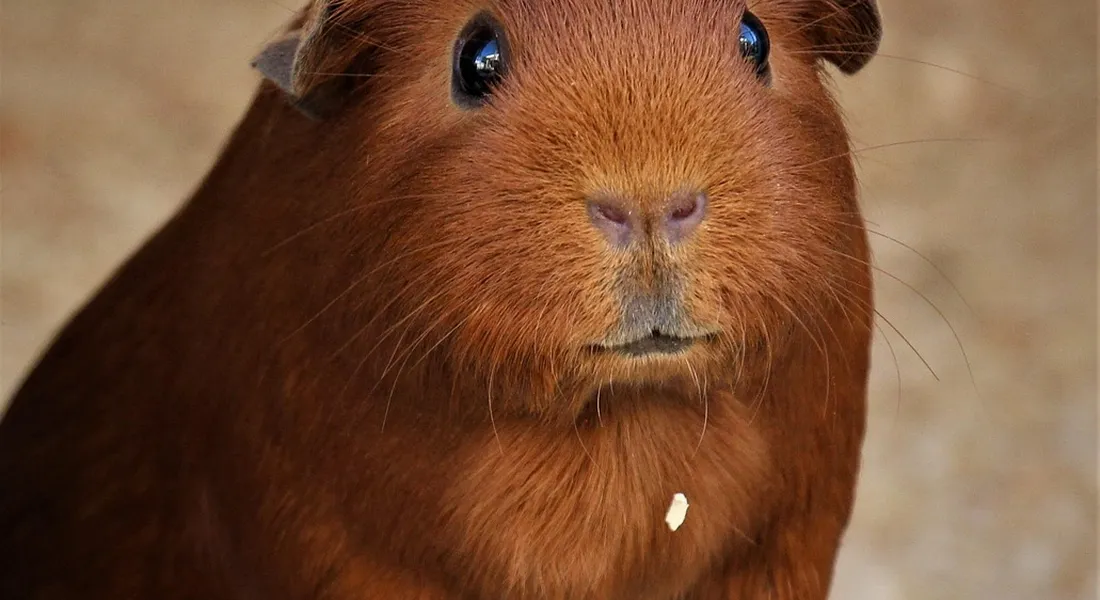
Guinea pigs thrive when their environment sparks curiosity and activity. From my time with Pepper, Clover, and Biscuit, I’ve seen how chew toys, tunnels, and ramps transform a cage from a simple home into an engaging space that wards off boredom. These items tap into their natural instincts, like gnawing and exploring, which keeps their minds sharp and bodies active. For a deeper dive, the ultimate guide to guinea pig foraging toys and activities can spark treasure-hunt moments in any cage. It outlines quick setups—from hidden treats to simple puzzle feeders—matching every pig’s pace and curiosity.
Introducing new accessories safely ensures your guinea pig feels comfortable. Always start by placing the toy in a quiet corner of the cage and watch for signs of interest or stress. If you enjoy DIY projects, you can also make homemade toys and treats for your guinea pig, then observe how they respond to ensure safety. Start with simple, pet-safe materials to keep things fun and safe. Here’s a simple way to do it:
- Let your guinea pig sniff the new item from outside the cage first.
- Place it near their favorite spot and observe for a day.
- If they ignore it, try rubbing a bit of hay on it to attract them.
Chew Toys and Blocks
Chewing is essential for guinea pigs to wear down their constantly growing teeth. I rely on edible chew blocks made from apple wood or compressed hay, which Pepper adores for their texture and taste. Rotating toys every week prevents them from getting bored—Clover perks up when I swap in a new wooden block or a hay ball. This approach is part of the guinea pigs chew safely complete guide, which covers safe chew options, materials, and dental health tips. You’ll also find quick signs to watch for that indicate healthy teeth and any chews to avoid.
- Apple wood sticks: Safe and long-lasting for gnawing.
- Mineral blocks: Provide extra nutrients while supporting dental health.
- Willow balls: Encourage play and satisfy chewing urges.
Tunnels and Ramps
Tunnels and ramps add layers of fun and exercise to your guinea pig’s day. Choosing the right size and material makes all the difference in safety and enjoyment. This safety guide explains how to keep guinea pigs safe when using climb ramps. It covers ramp grip, height, and supervision. Follow these steps to set them up properly:
- Pick tunnels with wide openings-at least 6 inches across-so even a fluffy Peruvian like Biscuit can scoot through easily.
- Cover ramps with fleece or rubber mats to prevent slips; I’ve found this keeps my agile Abyssinian, Clover, confident while climbing.
Encouraging Active Play
Beyond the cage, floor time is vital for stretching their legs. Using soft exercise mats outside the cage gives them a secure area to run and explore without risking injury. I lay out mats for Pepper and friends, and they love zooming around-it’s a joy to watch their personalities shine during these sessions.
- Waterproof mats: Easy to clean and protect your floors.
- Non-slip surfaces: Reduce the chance of falls during play.
Health and Safety Equipment
Keeping your guinea pig healthy starts with a safe, clean habitat. Items like litter trays and safety locks not only simplify your routine but also prevent common hazards. Proper setup reduces odors and minimizes accidents, making life better for both you and your pet. For multi-level cages, following good safety tips—such as secure ramps, wide ledges, and non-slip surfaces—helps prevent falls. These practices make multi-level guinea pig cages safer and easier to manage.
Setting up a litter area is straightforward and pays off in easier maintenance. Start by placing a corner litter tray filled with paper-based or aspen litter, which is gentle on their feet. Here’s how to get it right:
- Position the tray in a corner they frequently use for bathroom breaks.
- Add a handful of soiled bedding initially to guide them to the spot.
- Clean it daily to reinforce the habit and control smells.
Litter Training Basics
Litter training can improve cage hygiene over time. With patience, most guinea pigs learn to use a tray, which cuts down on mess and stress. I trained Biscuit gradually by rewarding her with a veggie treat when she used the tray—now she’s more consistent, and cleanup is a breeze. Potty training your guinea pig follows the same approach—set up a dedicated tray and reward progress. With consistency, you can keep mess to a minimum and make cleanup even easier.
- Corner trays: Fit snugly and maximize space in the cage.
- Guinea pig-safe litter: Avoid clay or clumping types that can harm if ingested.
Safety Enhancements
Small details can make a big difference in preventing escapes or injuries. Installing safety locks on cage doors has saved me from surprise adventures with my curious trio. Follow these steps to enhance security:
- Attach child-proof locks or simple clips to doors-especially if you have a clever pig like Clover who might figure out latches.
- Inspect all accessories for sharp edges or loose parts; I run my hands over every new item to ensure it’s smooth and secure.
Monitoring Health Signs
Accessories can serve as early warnings for health issues. Notice changes in chewing habits-if Pepper stops gnawing on his blocks, it might signal dental pain needing a vet visit. Watching how they interact with toys helps you spot problems early, ensuring they stay happy and healthy.
- Reduced activity in tunnels: Could indicate joint pain or illness.
- Uneven wear on chew toys: May point to teeth misalignment.
Cleaning and Organization Tools
Keeping your guinea pig’s home tidy is a daily act of love. I’ve found that having the right tools on hand makes cage maintenance feel less like a chore and more like a quick, satisfying refresh for my herd’s space.
- A dedicated handheld brush and dustpan for swift spot-cleaning of poops and stray hay.
- Pet-safe cage cleaner spray, preferably enzymatic, to break down waste and control odors without harsh chemicals.
- A stack of old towels or paper towels for wiping down plastic hides and ramps.
- Clear, labeled storage bins to corral extra bedding, backup fleece liners, and a rotation of toys.
Daily and Weekly Cleaning
A consistent routine prevents messes from piling up and keeps your piggies healthy. My own schedule with Pepper, Clover, and Biscuit has taught me that a little effort each day saves a massive cleanup later.
- Each morning, I do a quick sweep with my brush and dustpan to remove soiled bedding and any damp spots.
- I wipe down their food bowl and water bottle area with a damp cloth to prevent sticky buildup.
- Once a week, every hidey, tunnel, and chew toy gets a thorough scrub with warm, soapy water and a complete rinse.
- This is also when I swap out all the bedding or wash their fleece liners to start the week fresh.
Odor Control Strategies
A smelly cage is usually a sign that something in the routine needs adjusting. Proper odor control starts with understanding that guinea pigs themselves are not inherently smelly pets; their environment just needs the right support. Odor comes from waste and moisture in the enclosure, not from the animals themselves. With regular cleaning, proper bedding, and good ventilation, odor can be controlled effectively.
- I swear by enzymatic cleaners because they actually digest the waste molecules that cause smells, rather than just masking them with perfume.
- Ensure the room has good air circulation; a stuffy room will trap odors no matter how clean the cage is.
- Avoid cramming too many accessories into the cage, as this creates hard-to-reach corners where waste and odor can accumulate.
- Spot-clean wet patches from urine immediately, as this is the primary source of persistent ammonia smells.
Storing Accessories Efficiently
An organized storage system makes cage cleaning day a breeze. Keeping all your guinea pig supplies in one dedicated spot saves you time and stress when you need to do a quick swap or a deep clean.
- I use clear plastic bins with lids to store extra hay, which keeps it dry and dust-free while letting me see my supply level.
- Label bins for “Clean Toys,” “Toys for Washing,” and “Spare Fleece” so everything has a home.
- Dedicate a small caddy for your daily-use tools-brush, spray bottle, cloth-so you can grab it and go.
FAQs
What are the most critical accessories for a guinea pig cage?
Essential items include secure hideaways to provide a sense of safety and reduce stress. Durable food dishes and water bottles are also vital for daily nutrition and hydration.
What accessories are particularly important for indoor guinea pig cages?
Indoor cages benefit from odor-absorbing bedding options like fleece liners to maintain freshness. Incorporating quiet, space-saving toys helps keep guinea pigs active without causing disruptions.
How do outdoor guinea pig cage essentials differ from indoor ones?
Outdoor setups require weatherproof shelters to protect from rain and sun, along with sturdy, lockable doors for security. Adding insulated bedding and shade covers helps regulate temperature in changing conditions.
Your Guinea Pig’s Perfect Setup
From my years with Pepper, Clover, and Biscuit, I’ve seen that cozy hideouts and sturdy food bowls make a world of difference in their daily lives. Focus on accessories that support natural behaviors, like chewing and hiding, to keep your guinea pigs mentally and physically healthy.
Commit to learning more about guinea pig care through trusted resources and observing your pets’ unique personalities. Proper guinea pig care also includes providing a spacious, clean cage, daily enrichment, and regular health checks. Choosing sustainable, non-toxic materials not only protects your furry friends but also helps preserve our planet for future generations.
Further Reading & Sources
- guinea pig accessories products for sale | eBay
- Accessories – Guinea Pig Cage Company
- r/guineapigs on Reddit: What should I add to their cage?
- Guinea Pig Cage Accessories | Teacup Nethies
Kate is a passionate guinea pig owner and advocate for small pet welfare. With over a decade of experience caring for guinea pigs, she has become a trusted voice in the small pet community.
Uncategorized