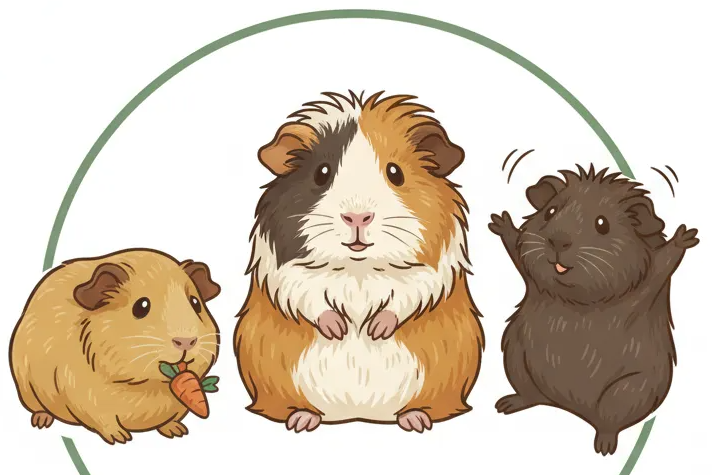
Why Do Guinea Pigs Smell and How to Control Odor
Hello CavyFam! You adore your little wheeking friend, but sometimes their home can get a bit… fragrant. You’re not alone in wondering if a smelly cage is just a normal part of guinea pig life.
In this guide, we’ll explore the real reasons behind odors, effective daily cleaning routines, the best odor-fighting bedding, and smart diet adjustments. I’ve learned these methods through years of sharing my home with my own guinea pigs, Pepper, Clover, and Biscuit.
Understanding Guinea Pig Sensitivity to Smells
How Guinea Pigs Use Their Sense of Smell
Guinea pigs rely on their sense of smell for everything from finding food to recognizing friends and sensing danger. Their noses are always twitching, picking up scents that help them navigate their world safely. I’ve noticed with my guinea pig Pepper that he sniffs new toys or treats carefully before approaching them, which shows how much he depends on smell to feel secure.
They use scent glands to mark territory and communicate with other guinea pigs. This natural behavior means they are highly attuned to odors in their environment, which can affect their stress levels and comfort. Guinea pigs are also sensitive to loud noises and can react quickly to sudden sounds. They may freeze, squeak, or rush to a hiding spot when startled. For instance, Clover often reacts to strong cleaning products by hiding, so I always use mild, pet-safe options to keep her calm.
- Sniffing helps them identify safe foods and avoid potential threats.
- Scent marking establishes social bonds and reduces conflicts in groups.
- Odors from other pets or changes in the home can cause anxiety, so gradual introductions work best.
Factors That Influence Odor Perception
Several elements affect how guinea pigs perceive smells, including their age, health, and living conditions. Older guinea pigs like Clover may be more sensitive to strong odors, while younger ones like Biscuit adapt faster but still need a clean space. Keeping their habitat well-ventilated and free from ammonia buildup is key to their well-being. Air quality matters: household scents and cleaning chemicals can affect guinea pigs’ respiratory health. Opt for unscented cleaners and avoid candles or aerosols near their enclosure.
Environmental factors like humidity and bedding type play a big role in odor intensity. High humidity can trap smells, making the cage feel stuffy and unpleasant for your pet. I use absorbent, eco-friendly bedding made from paper or aspen shavings to control moisture and reduce irritation.
- Monitor your guinea pig’s reactions to new scents to gauge their comfort.
- Clean cages regularly to prevent overwhelming odors that could stress them out.
- Avoid scented products, as artificial fragrances can harm their sensitive respiratory systems.
Common Sources of Guinea Pig Odor
Urine and Feces Odor Build-Up
Urine and feces are the main culprits behind guinea pig odors, especially if not cleaned promptly. Ammonia from urine can build up quickly, creating a strong smell that’s harmful to both you and your pet. In my experience, spot-cleaning daily and doing a full cage clean every 3-4 days keeps things fresh for Pepper and the others. This aligns with a complete guide on how often to clean a guinea pig cage. Sticking to a consistent schedule helps prevent ammonia buildup and keeps Pepper comfortable.
Using the right bedding can make a huge difference in controlling waste odors. Opt for biodegradable options like fleece liners or hemp bedding, which are absorbent and easy to wash or compost. This not only cuts down on smell but also supports animal welfare by providing a healthier habitat.
- Remove wet spots and droppings daily to minimize odor accumulation.
- Choose bedding that locks in moisture and neutralizes ammonia.
- Rinse food and water areas to prevent bacterial growth that worsens smells.
Diet and Digestion Effects on Smell
What your guinea pig eats directly impacts how their waste smells, as digestion produces gases and byproducts. High-protein or sugary foods can lead to stronger-smelling urine and feces, so balance their diet with plenty of hay and fresh veggies. I’ve found that feeding Biscuit a mix of timothy hay and leafy greens keeps his droppings less pungent.
Sudden changes in diet might cause digestive issues that increase odor. Introduce new foods slowly to avoid upsetting their stomach and creating foul smells. For example, too many carrots once made Clover’s cage smell sour, so I stick to small, varied portions now.
- Provide unlimited hay to aid digestion and reduce odor-causing bacteria.
- Limit fruits and treats high in sugar to prevent smelly waste.
- Offer fresh water daily to flush out toxins and keep their system running smoothly.
Health Issues That Cause Unusual Odors
Unusual odors can signal health problems like infections or dental issues that need immediate attention. A foul smell from your guinea pig’s mouth or rear could indicate dental disease or a urinary tract infection, which requires a vet visit. I once noticed a strange odor from Pepper and took him to the vet, where we caught a minor infection early.
Skin conditions or impacted scent glands might also produce bad smells. Regular grooming and checks for lumps or discharge help catch issues before they worsen. Advocating for animal welfare means staying vigilant-Biscuit had a slight odor from his grease gland, but gentle cleaning with a damp cloth resolved it.
- Watch for changes in smell accompanied by lethargy or loss of appetite.
- Clean scent glands monthly to prevent buildup and odors.
- Schedule routine vet check-ups to address hidden health concerns promptly.
Daily Hygiene and Grooming for Odor Prevention
Regular Grooming Routines
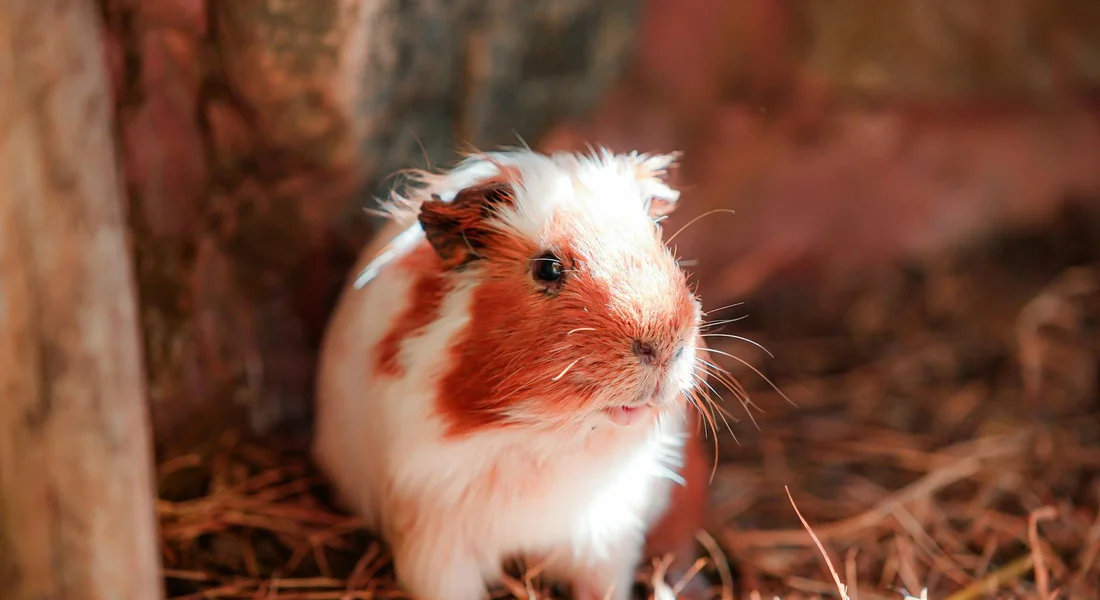
I groom my guinea pigs weekly to keep them clean and odor-free. Regular brushing removes loose fur and debris that can trap smells. For long-haired breeds like Biscuit, I use a soft-bristle brush daily to prevent mats. Short-haired guinea pigs shed less and usually need only light grooming every week or two. In contrast, long-haired varieties require more frequent brushing to prevent tangles and mats. To learn more about how to groom different guinea pig breeds, check out this helpful resource.
I check their scent glands near the rear monthly. A gentle wipe with a damp cloth keeps this area clean and odorless. I learned this after Pepper developed a mild smell from built-up grease.
- Brush short-haired guinea pigs like Pepper once a week
- Brush long-haired guinea pigs like Biscuit daily
- Trim nails every 3-4 weeks to prevent waste buildup
- Use small animal-safe shampoo for occasional baths
Spot Cleaning Techniques
Spot cleaning twice daily makes a huge difference in odor control. Removing soiled bedding immediately prevents ammonia from building up. I keep a small scoop and bag near their cage for quick cleanups.
I watch where each guinea pig prefers to eliminate. Clover always uses the same corner, so I focus my spot cleaning there. This targeted approach saves time and bedding.
- Remove wet patches and droppings morning and evening
- Replace about one-third of bedding in soiled areas
- Wipe down plastic surfaces with vinegar solution
- Check hiding houses and food bowls for hidden messes
Cage Setup and Maintenance to Minimize Smell
Choosing the Right Bedding and Litter
After trying various options, I found paper-based bedding works best for odor control. Absorbent materials like recycled paper pellets last longer between changes. They’re also dust-free, which helps my guinea pigs’ respiratory health.
I avoid pine and cedar shavings completely. These woods contain phenols that can irritate guinea pigs’ sensitive respiratory systems. The strong scent masks odors temporarily but isn’t worth the health risk.
- Paper-based bedding: Highly absorbent, low dust
- Aspen shavings: Natural, moderately absorbent
- Fleece liners: Reusable, requires frequent washing
- Hemp bedding: Eco-friendly, excellent odor control
Optimal Cage Size and Setup
My three guinea pigs live in an 8-square-foot C&C cage. Larger spaces distribute waste better and reduce concentrated odor areas. When I upgraded from a pet store cage, the smell improvement was immediate. For anyone planning a setup, a complete space requirements guide helps you estimate the right size and features for your flock. It covers minimum dimensions, per-pig space, and layout considerations to keep things clean and comfortable.
Proper ventilation is crucial for odor management. I keep their cage away from direct sunlight but in a well-ventilated room. Good air flow prevents stale smells from accumulating.
- Provide minimum 7.5 square feet for one guinea pig
- Add 2-3 square feet for each additional pig
- Use multiple hiding areas to spread out elimination spots
- Elevate food areas to keep hay and pellets clean
Effective Cleaning Schedules
I follow a tiered cleaning system that keeps smells under control. Partial changes mid-week extend the life of bedding between full cleanings. This approach works better than waiting until the cage becomes overwhelmingly smelly.
Deep cleaning happens every Sunday in my house. I use a vinegar-water solution to disinfect surfaces without harsh chemicals. The acidic nature of vinegar neutralizes ammonia odors effectively.
- Daily: Spot clean soiled areas twice daily
- Mid-week: Replace half bedding, wipe down surfaces
- Weekly: Complete bedding change, full cage disinfecting
- Monthly: Deep clean all accessories and hiding spots
Diet’s Role in Controlling Guinea Pig Odor
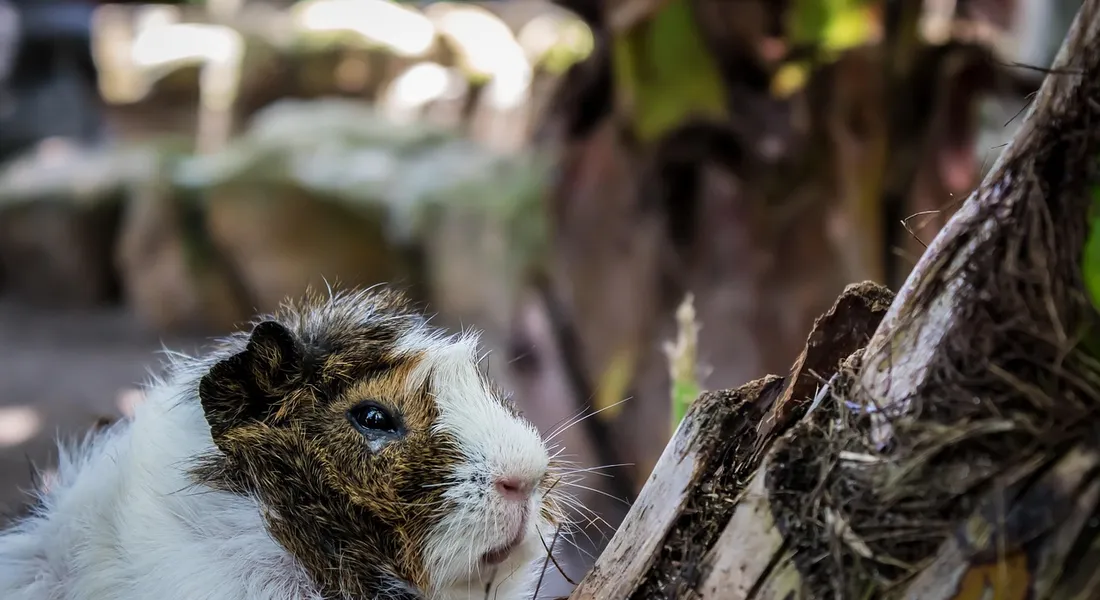
What your guinea pigs eat directly affects how their cage smells. I’ve noticed a huge difference in odor simply by adjusting my herd’s diet over the years. Their digestive systems are sensitive, and the wrong foods can lead to stronger waste and more potent ammonia in their urine. Unlike some other animals, guinea pigs don’t spray urine to mark territory, so any odor is directly linked to their diet and health.
Foods That Reduce Odor
Focusing on the right foods makes waste less smelly and supports overall health. A high-fiber diet is non-negotiable for keeping odors to a minimum. My guinea pigs, especially Biscuit, have much less pungent droppings when their diet is correct.
- Unlimited Timothy Hay: This should be 80% of their diet. It promotes healthy digestion and produces firmer, less odorous feces.
- Fresh Leafy Greens: Cilantro, romaine lettuce, and parsley in moderation help maintain a balanced gut.
- Bell Peppers: A great source of Vitamin C that doesn’t cause digestive upset or gas.
- High-Quality Pellets: Look for brands with simple ingredients and no colorful, sugary bits.
Avoiding Smelly Treats and Overfeeding
Many common treats are the main culprits for a stinky cage. Overfeeding, especially with sugary fruits and vegetables, is a fast track to a foul-smelling habitat. My guinea pig Clover is particularly sensitive, and I see an immediate change in her waste if she gets the wrong snack.
- Avoid Cruciferous Vegetables: Limit broccoli, cauliflower, and cabbage as they can cause gas and bloating.
- Limit High-Sugar Fruits: Fruits like grapes and bananas should be rare treats, not daily snacks.
- Skip Dairy and Meat: Guinea pigs are strict herbivores. Their bodies cannot process animal proteins.
- Measure Pellet Portions: About 1/8 cup per pig per day is sufficient to prevent overeating and excess waste.
Environmental Adjustments for Better Air Quality
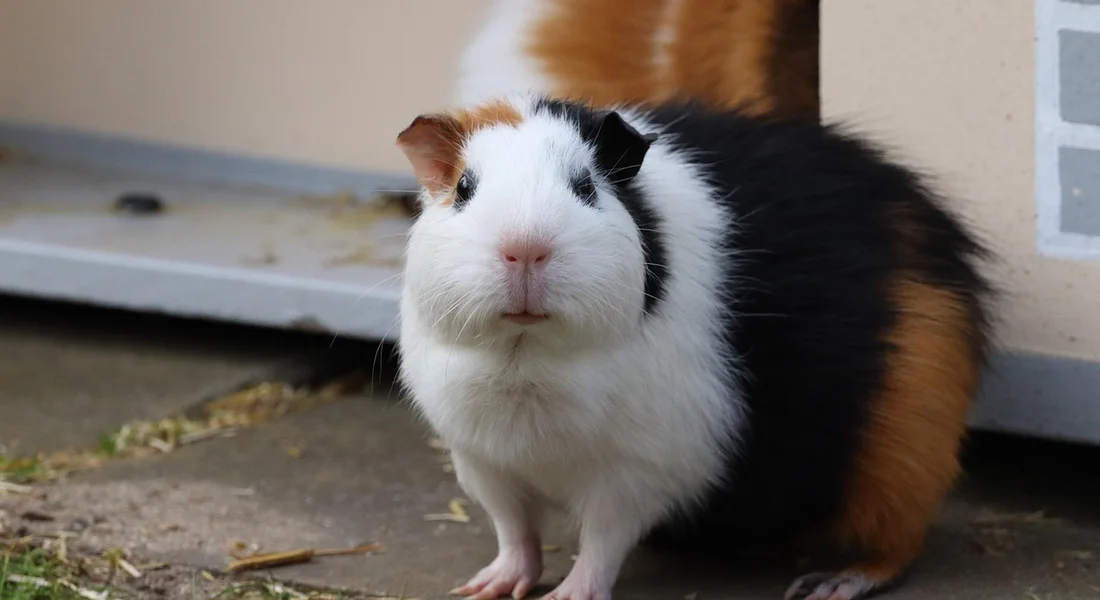
Even with a perfect diet, your setup can trap smells. Creating an environment that doesn’t hold onto odors is just as important as what you feed them. I’ve experimented with many cage setups to find what works best for air quality.
Improving Ventilation and Air Circulation
Stagnant air is the enemy of a fresh-smelling room. Good airflow prevents ammonia from building up and becoming overwhelming. My pigs’ cage is in a well-ventilated area, and I never have that “closed-in” smell.
- Place the cage away from corners and walls if possible to allow air to flow around it.
- Use a small, quiet fan in the room (not pointed directly at the cage) to keep air moving.
- Open a window for a short time each day, ensuring your pets are safe from drafts and extreme temperatures.
- Consider a cage with more mesh or wire panels, like a C&C cage, for superior ventilation compared to solid-walled habitats.
Controlling Humidity and Moisture
Moisture from water bottles, wet veggies, and urine accelerates odor development. Keeping the cage dry is your most powerful tool against bad smells. I am meticulous about moisture control, and it makes cage cleaning day much more pleasant.
- Use highly absorbent bedding, such as paper-based bedding or fleece liners, and change it regularly.
- Spot-clean wet spots and soiled areas at least once, preferably twice, a day.
- Wipe down water bottle nozzles daily to prevent drips from adding unnecessary moisture to the bedding.
- In humid climates, a small room dehumidifier can work wonders to keep the overall moisture level down.
Quick Troubleshooting for Persistent Odors
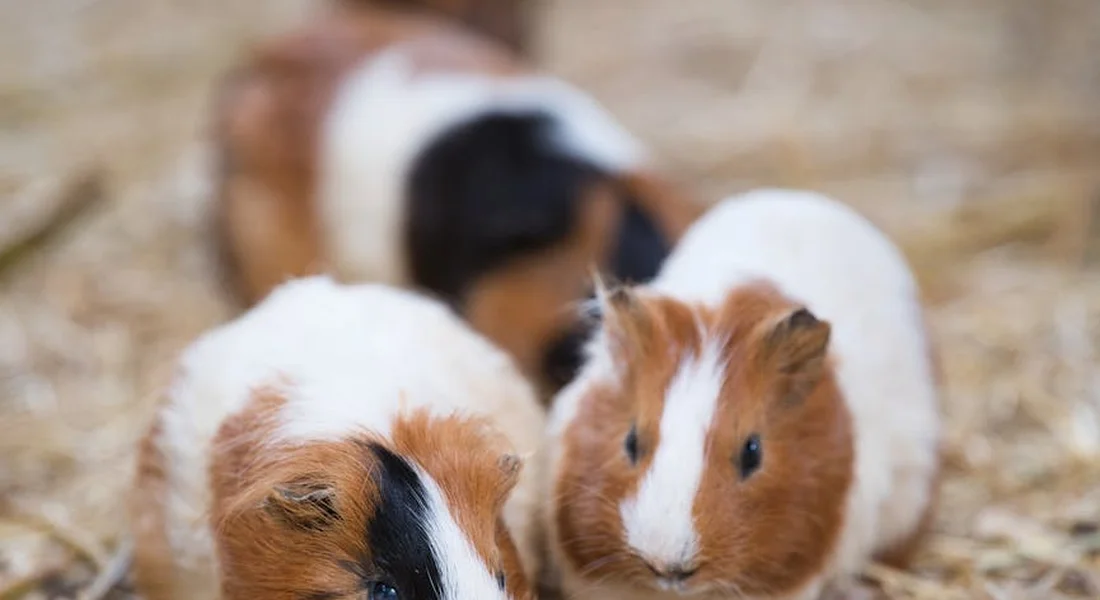
Persistent smells often stem from overlooked daily habits or minor issues that build up over time. I’ve noticed with Pepper, Clover, and Biscuit that a sudden strong odor usually means something in their routine needs tweaking. Start by checking these common culprits to pinpoint the source quickly.
- Overdue cage cleaning: Ammonia from urine accumulates fast in soiled bedding.
- Wet or moldy hay: Damp food sources can emit a musty, unpleasant smell.
- Diet imbalances: Too many watery veggies might cause runny droppings that stink.
- Poor ventilation: Stagnant air traps odors, making the cage area feel stuffy.
Addressing these areas first can often resolve the problem without major changes. Simple adjustments, like swapping bedding types or feeding drier greens, made a huge difference for my trio’s living space.
Immediate Steps for Odor Removal
If you’re facing a smelly situation right now, don’t worry—these steps can help you freshen things up fast. Acting quickly not only eliminates odors but also keeps your guinea pigs comfortable and healthy. I’ve used this method many times with my own pets to maintain a pleasant environment. Here’s a clean, step-by-step guide to cleaning a guinea pig cage. I’ll walk you through each step to ensure a fresh, safe habitat for your pets.
- Remove all soiled bedding and waste immediately. Scoop out wet spots and droppings daily to prevent buildup.
- Wipe down the cage with a vinegar-water solution. Mix one part white vinegar to two parts water for a safe, effective clean.
- Replace hay and check for dampness. Use fresh, dry hay to avoid mold growth that causes bad smells.
- Increase airflow around the cage. Open a window or use a fan to circulate air, but keep drafts away from your pets.
- Offer a small amount of timothy hay to encourage dry, less odorous droppings. This simple diet tweak helped Biscuit’s digestive issues.
Repeat these actions daily for the best results. Consistency is key; I found that doing a quick clean each morning kept odors at bay for Pepper and Clover.
When to Seek Veterinary Advice
Sometimes, odors signal underlying health problems that need professional care. If home fixes don’t work, it’s crucial to consider a vet visit to rule out serious conditions. From my experience, guinea pigs like Clover can hide illnesses well, so unusual smells are a red flag. Messy fur and a funky odor are hard to ignore.
- Strong, foul odors from urine or droppings: This might indicate a urinary tract infection or digestive disorder.
- Smelly discharge from eyes, nose, or ears: Could point to respiratory issues or infections.
- Changes in eating or behavior paired with bad smells: For example, if Biscuit stops eating and the cage smells off, it’s time to act.
- Persistent odor despite thorough cleaning: Suggests a chronic issue like dental problems affecting drool or diet.
Always choose a vet experienced with small animals to ensure gentle, effective treatment. Prioritizing their health early can prevent discomfort and improve their quality of life.
FAQs
Are commercial odor control sprays safe for guinea pigs?
Most commercial sprays contain harsh chemicals that can harm guinea pigs’ sensitive respiratory systems. Opt for pet-safe, natural alternatives or focus on regular cleaning instead. To ensure you use only safe products, check out natural and safe cleaning products for guinea pig cages.
What natural odor eliminators work best for guinea pig cages?
Baking soda is effective for absorbing odors when placed under bedding, and diluted white vinegar can neutralize smells during cage cleaning. Always ensure proper ventilation to keep the air fresh for your pets.
Can odontogenic cysts cause bad odors in guinea pigs?
Yes, odontogenic cysts are dental issues that may lead to infections and foul mouth odors. If you detect unusual smells, seek veterinary care to address underlying health problems.
Do Dorset guinea pigs have specific odor issues?
There is no recognized “Dorset” breed, but all guinea pigs can develop odors if not cared for properly. Focus on consistent hygiene and a balanced diet to minimize any breed-related smells.
How can a door stop assist in guinea pig odor control?
A door stop can help maintain cage security and reduce draft-related odor spread in the room. However, it’s more important to use absorbent bedding and clean regularly for effective odor management.
Your Journey to a Fresher Guinea Pig Habitat
From my years with Pepper, Clover, and Biscuit, I’ve seen firsthand that a clean cage and balanced diet are your top allies in odor control. Stick to a routine of daily spot cleaning and weekly deep cleans to keep scents at bay and your pets content.
Responsible ownership means always growing in your care skills and choosing earth-friendly options. Explore reusable bedding or natural toys to nurture your guinea pigs while reducing your environmental pawprint.
Further Reading & Sources
- r/CleaningTips on Reddit: How do I stop the house from smelling like guinea pigs? I clean daily and use an air purifier, but it doesn’t seem to matter.
- How to reduce the smell of indoor guinea pig cages? | The Guinea Pig Forum
- My guinea pigs are in my room and making it stink. How can I prevent this? – Quora
- Guinea Pig Odor Control – Guinea Pig Bedding & Cage Odor Control – GuineaDad
Kate is a passionate guinea pig owner and advocate for small pet welfare. With over a decade of experience caring for guinea pigs, she has become a trusted voice in the small pet community.
Uncategorized