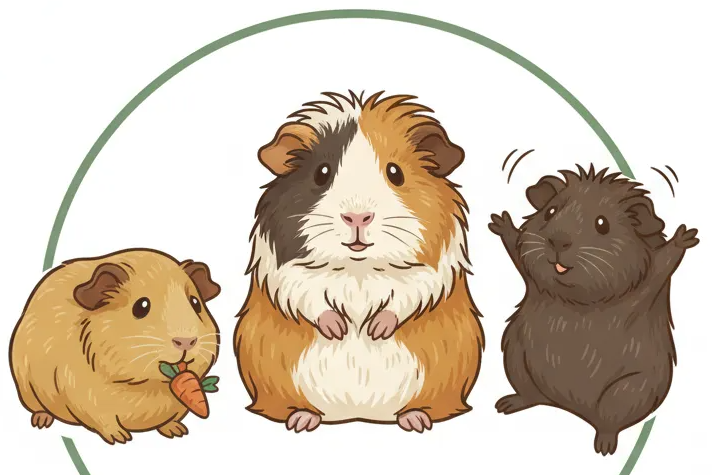
How to Potty Train Your Guinea Pig
Published on: January 23, 2026 | Last Updated: January 23, 2026
Written By: Kate M. Callahan
Hello CavyFam! Is your guinea pig’s cage constantly messy, making you feel like you’re on a never-ending cleaning duty? You’re not alone, and the good news is that you can teach your furry friend better bathroom habits.
In this guide, I’ll walk you through the benefits of potty training, how to set up the perfect potty area, and my favorite positive reinforcement techniques that actually work. I’ve successfully trained my own three guinea pigs-Pepper, Clover, and Biscuit-using these very methods.
Understanding Guinea Pig Potty Habits
Guinea pigs are naturally tidy creatures with surprisingly predictable bathroom patterns. They often choose one or two specific corners of their cage to use as a toilet area, a behavior I’ve observed repeatedly with my own trio. This isn’t random; it’s a deeply ingrained instinct to keep their main living and sleeping spaces clean. You can use this to your advantage.
Spend a few days simply watching your pet’s movements. Notice where they tend to pause and relieve themselves most often. Pepper, my calm American, always uses the far left corner after his morning vegetable snack. Clover, the thoughtful Abyssinian, prefers a spot near her hideout. Their chosen locations often relate to feelings of security and established routine. This careful observation is the first and most crucial step to successful training.
Essential Supplies for Guinea Pig Potty Training
Gathering the right tools before you start makes the entire process smoother for both you and your pet. Based on my years of trial and error, here is what you absolutely need.
- A small, low-sided corner litter box designed for small animals.
- Safe, absorbent litter like paper-based pellets or aspen shavings.
- High-value treats for immediate positive reinforcement.
- A small dustpan and brush for quick, daily cleanups.
Having these items ready turns a daunting task into a manageable, step-by-step project. I keep my supplies in a small caddy right next to the cage for convenience.
Choosing the Right Litter Box and Location
The best litter box is one your guinea pig will actually use. I’ve found that simple, triangular corner boxes work perfectly because they fit snugly into the cage without taking up too much space. Place the box directly in the corner your pig has already chosen as their bathroom spot. Don’t try to force a new location on them. This tip is part of the best cage setup new guinea pig beginners guide. Keep following the guide for more practical setup tips.
To make it appealing, I always put a small handful of their regular hay in one side of the box. Guinea pigs love to munch while they do their business! For my more reserved pig, Biscuit, placing the box near a familiar hidey made him feel secure enough to use it. Positioning is everything; work with their instincts, not against them.
Selecting Safe Litter and Bedding
The litter you choose is critical for your guinea pig’s health. I made the mistake years ago of using a clumping cat litter and learned a hard lesson about respiratory safety. Paper-based pellet litter is my top recommendation because it’s highly absorbent, controls odor well, and is completely dust-free.
You must avoid cedar and pine shavings, as the aromatic oils can cause serious respiratory and liver issues. Unscented aspen shavings are a safe wood alternative. I layer a thin amount of the chosen litter in the box, different from the main cage bedding. This texture difference helps your pig understand the box’s specific purpose. My pigs took to paper pellets almost instantly, making cleanup a breeze.
A Step-by-Step Potty Training Plan
Training your guinea pig to use a litter box takes patience and a clear plan. I’ve successfully trained my three guinea pigs—Pepper, Clover, and Biscuit—using this method. Consistency and positive reinforcement are your best tools for success. Proper care means keeping their habitat clean with fresh hay and water. A well-cared-for pig is easier to train.
Step 1: Set Up the Litter Area
Choose a corner where your guinea pig already tends to go potty. Place a shallow litter box there filled with familiar bedding like paper-based or aspen shavings. Avoid cedar or pine, as they can irritate their sensitive respiratory systems. Making the litter area cozy with a bit of hay from recommended sources encourages natural foraging and potty habits. When I set up Pepper’s litter box in her favorite corner, she started using it within days because it felt like her safe space.
Step 2: Encourage Use with Positive Reinforcement
Watch for cues like sniffing, circling, or squatting-these signal it’s potty time. Gently place your guinea pig in the litter box when you see these signs. Reward them immediately with a small treat, like a piece of carrot or cilantro, after they use it correctly. Timing the reward right after the action helps them connect the behavior with the treat. Clover, my Abyssinian, learned quickly because I always had her favorite veggie bits ready to reinforce good habits.
Step 3: Handle Accidents and Clean Up
Accidents happen, so clean them up right away with an enzymatic cleaner to remove odors that might attract repeat visits. Never scold your guinea pig—it only causes stress and slows training. Using a pet-safe enzymatic spray prevents lingering smells that confuse your guinea pig. This is all part of a complete guinea pig hygiene cleaning routine, including daily spot-cleaning, cage sanitation, and litter box upkeep. Regular cleaning helps prevent odors and makes training easier. When Biscuit had accidents outside the box, I cleaned the spot thoroughly, and he stopped returning to it after a few tries.
Step 4: Establish a Consistent Routine
Stick to a daily schedule by taking your guinea pig to the litter box at the same times each day, especially after meals or play sessions. Repetition builds habits, so aim for short, frequent sessions. Linking potty breaks to feeding times creates a predictable rhythm your guinea pig can rely on. I feed my crew at 7 AM and 6 PM, and they often head to the litter box right after, making training smoother over weeks. For busy days, try a few simple tips and tricks for managing guinea pig care: keep routines short, repeatable, and set reminders for feeding and potty times. This predictable rhythm helps you stay on track even when your schedule is packed.
Solving Common Potty Training Challenges
Even with the best plans, you might hit snags. Here are typical issues and how I’ve tackled them with my guinea pigs. Patience and small adjustments often resolve most problems without stress.
- Refusal to use the litter box: Try moving it to a quieter spot or adding more of their preferred bedding. Pepper avoided hers until I swapped to softer paper bedding she loved.
- Accidents in other spots: Clean those areas thoroughly with an enzymatic cleaner and temporarily block access. Clover kept going behind her hidey, so I placed a small barrier until she relearned the box location.
- Sudden changes in habits: If your guinea pig stops using the box, check for health issues like urinary infections and consult a vet. Biscuit’s reserved nature meant I had to watch closely for any signs of discomfort.
- Multiple guinea pigs not cooperating: Provide separate litter areas if needed, and reward each one individually to avoid competition. My trio needed their own spaces initially to feel secure.
Maintaining a Clean and Healthy Potty Area
Keeping your guinea pig’s potty spot pristine is non-negotiable for their health and your training success. I clean my herd’s main potty corners every single day without fail. A quick daily scoop prevents odor buildup and makes the area more inviting for repeat use. For owners following the weekly guinea pig care routine ultimate checklist, this daily step pairs with the weekly cage refresh. It’s a simple habit that supports long-term health and training success.
For a deeper clean, I replace all the bedding in their potty zones at least twice a week. I learned the hard way with Biscuit that a dirty corner can quickly lead to a soiled, unhappy pig. Using plain white vinegar diluted with water is my go-to for scrubbing the plastic litter pan, as it’s effective and completely safe for curious noses. To follow a complete schedule guide, use this baseline: spot-clean daily and refresh the full cage twice a week. Deep sanitizing can be done monthly.
I steer clear of harsh chemicals, scented cleaners, or pine and cedar shavings, which can irritate their sensitive respiratory systems. Paper-based bedding or fleece liners work wonderfully. While you clean, it’s the perfect time to do a quick health check on the waste itself.
- Look for normal, oval-shaped, firm droppings.
- Watch for any dramatic changes in urine color; it should not be consistently cloudy, bloody, or overly thick.
- Notice if your guinea pig seems to be straining or crying out while urinating.
My gentle boy Pepper once had a UTI, and the first sign was him hunching uncomfortably in his usual potty spot. Catching these subtle signs early can make all the difference in getting them prompt veterinary care.
The Role of Patience and Consistency in Training
Training a guinea pig requires a special kind of patience, one that I’ve cultivated over years with my three distinct personalities. You cannot rush this process. For shy, timid guinea pigs, confidence grows one small victory at a time. Each tiny step gains courage and trust. Success is built on a foundation of tiny, repeated actions, not grand, single gestures.
I maintain a strict schedule, placing my pigs in their designated potty areas after waking up, after playtime, and about 20 minutes after meals. This consistency helps their internal clocks sync with your training goals, making accidents less likely. Following a normal frequency guide, you’ll learn what typical poop and pee patterns look like. Regularly tracking these can help you spot changes that signal a health issue early.
Clover, my graceful Abyssinian, took nearly three months to reliably use her corner. She needed quiet encouragement and never responded well to frustration. Building trust is the secret ingredient; a scared guinea pig will not learn effectively.
Celebrate every small win with a tiny piece of their favorite veggie. If an accident happens, which it will, simply clean it up without any fuss or scolding. Your calm, persistent energy teaches them that their potty area is a safe and predictable place.
- Stick to your routine, even on weekends or busy days.
- Use the same verbal cue, like “go potty,” each time you place them in the area.
- Spend quiet time near their habitat so they become comfortable with your presence.
Remember, you are not just teaching a behavior; you are building a bond. The journey of potty training, with all its patience and consistency, ultimately deepens the unique friendship you share with your guinea pig.
FAQs
Can I use potty pads for guinea pig litter training?
Potty pads can be used as an alternative, but they may not contain mess as effectively as a litter box. Always choose non-toxic, absorbent pads and change them frequently to maintain cleanliness.
Where can I find a good guinea pig potty tray on Amazon?
Amazon offers a variety of corner litter trays designed for small animals, with many options featuring low sides for easy access. Check product ratings and reviews to select a durable, well-liked model that suits your cage setup.
What do Reddit users say about guinea pig potty training?
Reddit communities often highlight the value of patience and using favorite treats to reinforce good habits. Many users suggest observing your guinea pig’s natural bathroom spots first to place the litter tray strategically. For those curious about what guinea pigs like and dislike, there’s a complete guide that covers their preferences. It helps you tailor routines and enrichment to your pet’s comfort.
How can I find a guinea pig potty tray at a local store?
Visit pet supply stores or large retailers with pet sections, as they commonly stock small animal litter boxes. You can also call ahead or use online store locators to check availability before you go.
Are there guinea pig potty trays available at Walmart?
Walmart typically carries basic small animal litter trays in their pet care department at an affordable price. Be sure to verify stock online or in-store, as selection can vary by location.
Your Potty-Trained Pal Awaits
Success comes from setting up a consistent litter area and rewarding every small step with patience and praise. Your guinea pig will learn to associate their corner with bathroom breaks, making cleanup faster and life together cleaner.
Being a great pet owner means always learning new ways to keep your furry friends happy and healthy. Choosing eco-friendly bedding and toys shows you care for your guinea pigs and our planet, creating a better home for everyone.
Further Reading & Sources
- r/guineapigs on Reddit: How to potty train a guinea pig?
- How to Potty Train a Guinea Pig | Tips for Successful Litter Training
- Litter Training Guinea Pigs The Right Way – Home & Roost
- Potty training guinea pigs???? – Guinea Lynx Forums
Kate is a passionate guinea pig owner and advocate for small pet welfare. With over a decade of experience caring for guinea pigs, she has become a trusted voice in the small pet community.
Uncategorized