Can Guinea Pigs Use and Climb Ramps Safely? (A Safety Guide)
Hello CavyFam! Wondering if a ramp is a safe addition to your guinea pig’s cage? You might be picturing fun new levels for them to explore, but also worrying about potential tumbles.
In this guide, I’ll cover safe ramp angles, choosing the right materials, DIY ramp ideas, and crucial safety checks.
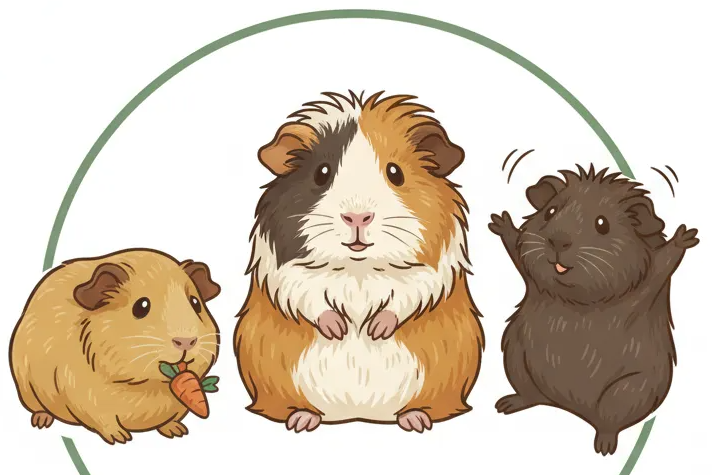
I’ve spent years crafting safe climbing setups for my own guinea pigs-Pepper, Clover, and Biscuit-and I’m here to share what truly works.
Can Guinea Pigs Use Ramps?
Yes, guinea pigs can absolutely use ramps, but they are not natural climbers like some other small pets. Their stout bodies and short legs make steep or slippery inclines a real challenge. My guinea pig, Pepper, will confidently march up a gentle ramp to his hay box, while my Abyssinian, Clover, needs a bit more coaxing and a textured surface for grip. It really depends on the individual pig’s confidence and physical ability. Speaking of enrichment, people often wonder whether exercise balls or wheels are safe for guinea pigs. In general, exercise wheels are discouraged because they can injure a pig’s back, so many keepers avoid them or use alternatives under close supervision.
You must observe your pet’s behavior closely. A guinea pig that freezes, refuses to move, or tries to turn around halfway up is telling you the ramp isn’t right for them. Forcing them can lead to stress or a dangerous fall. My Peruvian, Biscuit, was very reserved at first and needed a ramp with high sides before she felt secure enough to explore.
Guinea Pig Ramp Safety Essentials
Creating a safe ramp experience is non-negotiable for your pet’s wellbeing. The right setup prevents injuries and builds your guinea pig’s confidence for a happier, more enriched life. I learned this the hard way with a ramp that was too steep, which startled Clover and made her avoid that part of her cage for days. There are 5 critical safety mistakes to avoid during guinea pig floor time.
Choosing the Right Ramp Design
Not all ramps are created equal. You need to consider several factors to find the perfect fit for your cage and your pets.
- Gentle Incline: The ramp must have a very low slope. A good rule of thumb is that for every 12 inches in length, the height should only rise 2-3 inches.
- Ample Width: The ramp should be at least 5-6 inches wide to accommodate their body size and allow for comfortable turning.
- Solid Flooring: Always choose a solid surface over wire or mesh. Their tiny feet can easily get caught and injured.
- High Sided Walls: Ramps need sides that are at least 3-4 inches high to prevent your guinea pig from accidentally stepping or falling off the edge.
Essential Safety Features You Can’t Ignore
Once you have the basic design, these features transform a simple ramp into a secure pathway.
- Non-Slip Traction is Key: A smooth ramp is a slipping hazard. Cover the surface with a low-pile carpet, a rubber shelf liner, or securely glued-on strips of felt.
- Secure Anchoring: The ramp must be firmly attached to both the cage floor and the upper level. A wobbly ramp will terrify your pet and is unsafe.
- Regular Safety Inspections: Check the ramp weekly for any loose fittings, worn traction material, or damage. A quick check takes seconds but prevents accidents.
Materials Matter for Safety and Comfort
The material of the ramp itself contributes significantly to its safety and how your guinea pig perceives it.
- Wood: A great choice as it’s sturdy and easy to modify. Ensure it’s sealed with a pet-safe, non-toxic sealant to protect against urine damage.
- Plastic: Often lightweight and easy to clean, but it can be very slippery. Adding traction is an absolute must with plastic ramps.
- Metal: I generally avoid metal ramps as they can be cold, noisy, and often feature dangerous wire mesh flooring.
Training Your Guinea Pig to Use Ramps
My guinea pig, Pepper, was initially terrified of the ramp I bought. Patience and positive reinforcement are your most powerful tools for training. I never forced her; instead, I made the ramp a source of good things. Using small, healthy treats as rewards helped Pepper see the ramp as a place of fun. For best results with treats during rewards-based training, choose tiny veggie pieces and pair them with praise as she progresses.
Step-by-Step Ramp Introduction
- Place the ramp flat on the floor of their cage, not at an incline.
- Scatter their favorite veggies along its length to encourage exploration.
- Once they walk across it comfortably, prop it at a very slight angle.
- Use a high-value treat, like a small piece of bell pepper, to lure them up one or two steps.
- Gradually increase the angle over several days as they gain confidence.
Clover, my Abyssinian, learned fastest when I used fresh cilantro as a reward. Always end each session on a positive note, even if progress is small. A stressed guinea pig will not learn.
Building or Choosing Safe Ramps
Not all ramps are created equal. After a bad experience with a slippery plastic ramp, I now build my own. The right ramp prevents injuries and builds your pet’s confidence. Safety is the absolute priority.
Key Features of a Safe Ramp
- Gentle Slope: A steep ramp is intimidating and dangerous. Aim for the longest, most gradual incline that fits your cage.
- Solid, Non-Slip Surface: Avoid wire or smooth plastic. I line my ramps with a soft fleece liner that provides excellent grip for their tiny feet.
- Secure Side Rails: Walls on both sides prevent your guinea pig from accidentally stepping off the side, especially important for young or skittish pigs like Biscuit.
Safe Materials for DIY Ramps
If you’re building, choose non-toxic, sturdy materials.
- Untreated Wood: A great option, but you must seal it with a pet-safe sealant to prevent urine absorption.
- Corrugated Plastic: Lightweight and easy to clean. Just be sure to add a textured surface for traction.
- Fleece Liners: My personal favorite for covering any ramp surface. They are soft, absorbent, and provide a secure footing.
Always test the ramp’s stability yourself by applying gentle pressure before letting your guinea pig use it. A wobbly ramp will scare them and could lead to a fall. When you transition your guinea pig to outdoor play, start with short, supervised sessions in a secure area. Ensure all equipment, especially ramps, is stable before each outdoor outing.
Special Considerations for Age and Health

Not every guinea pig can tackle a ramp with the same energy. Your pig’s age and overall health dramatically influence their ability to climb safely. For safety, a quick scan of a guinea pig cage safety guide can help you set up ramps and containment to prevent escapes. It covers how to anchor ramps, use side rails, and choose safe materials. My older girl, Clover, who’s three, is much more thoughtful and careful on ramps than my energetic one-year-old, Biscuit.
Senior Guinea Pigs
As cavies age, they often develop arthritis or simply lose some muscle strength. A steep or slippery ramp can be a genuine obstacle and a source of pain for an older pig. I noticed Clover would hesitate at the base of a ramp she used to zip up, which was my first clue her needs were changing.
- Always provide a much gentler slope-aim for the flattest angle possible.
- Ensure the ramp surface has a high-traction carpet or fleece covering.
- Consider a ramp with low, solid sides to make them feel more secure.
- Place food and water on the main level to eliminate unnecessary trips.
Piggies with Mobility Issues
Whether from past injury, illness, or being overweight, some pigs struggle with mobility. For a guinea pig with limited movement, a well-designed ramp can provide essential access and enrichment. My vet once advised me that forcing a struggling pig can lead to further injury and stress. Guinea pigs can also rest in hammocks, but safety matters. Choose a snug, sturdy hammock and install it low to the ground, then supervise initial use.
- Consult your veterinarian for a personalized plan.
- A wide, sturdy ramp is non-negotiable for stability.
- Monitor your pet closely for any signs of discomfort or reluctance.
- Be prepared to remove the ramp entirely if it causes more harm than good.
Preventing Ramp-Related Injuries
A few simple precautions can make the difference between a fun accessory and a trip to the emergency vet. Proactive safety checks are the single best way to prevent ramp accidents before they happen. I do a quick “paw-test” on all my ramps weekly, pressing down to check for any wobbles or loose parts.
Surface Traction is Everything
A smooth, slippery ramp is an accident waiting to happen. Your guinea pig’s tiny feet need a rough, textured surface to grip properly. I learned this the hard way when Pepper slid down a bare wood ramp and looked so startled.
- Line the ramp with a piece of indoor-outdoor carpet.
- Secure a fleece liner with binder clips for a soft, grippy surface.
- You can even glue strips of sandpaper-style grip tape for ultimate traction.
- Avoid any materials that feel slick to your own touch.
Secure Construction and Placement
A wobbly ramp is a terrifying experience for a prey animal. Every ramp must be firmly attached to the cage or platform at both the top and bottom. I use heavy-duty zip ties for a connection that doesn’t budge, even during the most enthusiastic popcorn sessions.
- Check all connections and joints daily for looseness.
- Ensure the ramp is wide enough for your largest pig to turn around comfortably.
- Place the ramp in a corner for added stability and security.
- Never allow the ramp to rest on a wobbly hidey or food bowl.
Supervise Initial Use
Never assume your guinea pig will instinctively know how to use a new ramp. The first few introductions are critical for building confidence and ensuring safety. I always sit with my pigs, offering tiny cilantro treats as encouragement when they try a new setup. To help your new pig feel safe and acclimated, give them time to explore at their own pace and keep noises and sudden moves to a minimum. A calm, predictable routine helps them settle in and build confidence.
- Stay nearby to guide them if they seem confused or scared.
- Place their favorite veggies at the top to motivate them.
- If a pig repeatedly falls or refuses, the ramp design needs to change.
- Patience is key-let them explore at their own pace.
FAQs
How can ramps and bridges be used safely together in a guinea pig cage?
Ramps and bridges should be connected with secure, stable attachments to prevent shifting or collapses. Ensure both have solid, non-slip surfaces to support confident movement and prevent slips or falls.
What advantages does a ramp tunnel offer for guinea pigs?
A ramp tunnel provides a enclosed, secure pathway that reduces stress and encourages exploration by mimicking natural burrowing behaviors. It also helps protect guinea pigs from drafts and adds visual interest to their habitat.
Why is it crucial to have sides on a guinea pig ramp?
Sides prevent guinea pigs from accidentally stepping off the edge, which is vital for their safety and confidence during climbs. High sides, at least 3-4 inches, also reduce the risk of falls, especially for skittish or young pigs. These principles also apply to multi-level cages. For multi-level setups, add secure ramps and close gaps between levels to keep guinea pigs safe.
What are the best materials for covering a guinea pig ramp?
Fleece liners or low-pile carpet are ideal covers as they offer excellent grip and are soft on guinea pig feet. Avoid slippery materials and ensure the cover is securely attached to prevent bunching or movement during use. In the ultimate guide to safe bedding options for guinea pigs, these choices are highlighted for safety and comfort. For a complete setup, continue exploring additional safe bedding options and maintenance tips.
How do I safely install a ramp leading to a loft?
Anchor the ramp firmly to both the main cage floor and the loft to eliminate wobbling and ensure stability. Use a gentle slope and non-slip surface to make the climb easy and prevent injuries from slips or missteps.
Your Guinea Pig Ramp Safety Checklist
Always choose ramps with a gentle slope and a non-slip surface to prevent falls and injuries. Supervising your guinea pig during their first few ramp adventures is the single best way to ensure they gain confidence safely, just like when you’re learning floor time.
Continually observing your pets helps you adapt their habitat to their unique personalities and needs. Learning about their natural behaviors is a rewarding part of providing a stimulating and eco-conscious home for your small companions.
Further Reading & Sources
- r/guineapigs on Reddit: Are ramps bad for guinea pigs?
- Ramp & Loft for Guinea Pig C&C Cage Coroplast | Kavee C&C Cages USA
- Guinea Pig Ramps, Stairs, and Ladders
- Ramps | C&C Guinea Pig Cages & Lofts | Guinea Pig Habitats – Guinea Pig Cage Company
Kate is a passionate guinea pig owner and advocate for small pet welfare. With over a decade of experience caring for guinea pigs, she has become a trusted voice in the small pet community.
Uncategorized