Is Ivy Poisonous to Guinea Pigs? Safety Guide
Hello CavyFam! If you’re wondering whether ivy is safe for your guinea pigs, you’ve come to the right place. Many common houseplants can be harmful, and it’s smart to check before letting your pets explore.
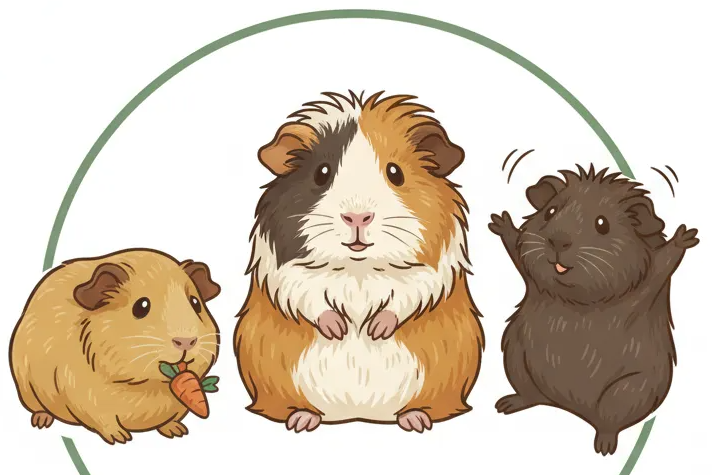
In this guide, I’ll cover how to identify toxic ivy types, the specific risks ivy poses to guinea pigs, symptoms of poisoning to watch for, and safe plant alternatives for their habitat. Having cared for my own guinea pigs-Pepper, Clover, and Biscuit-for years, I’ve learned firsthand how crucial plant safety is for their well-being.
Understanding Ivy and Its Dangers
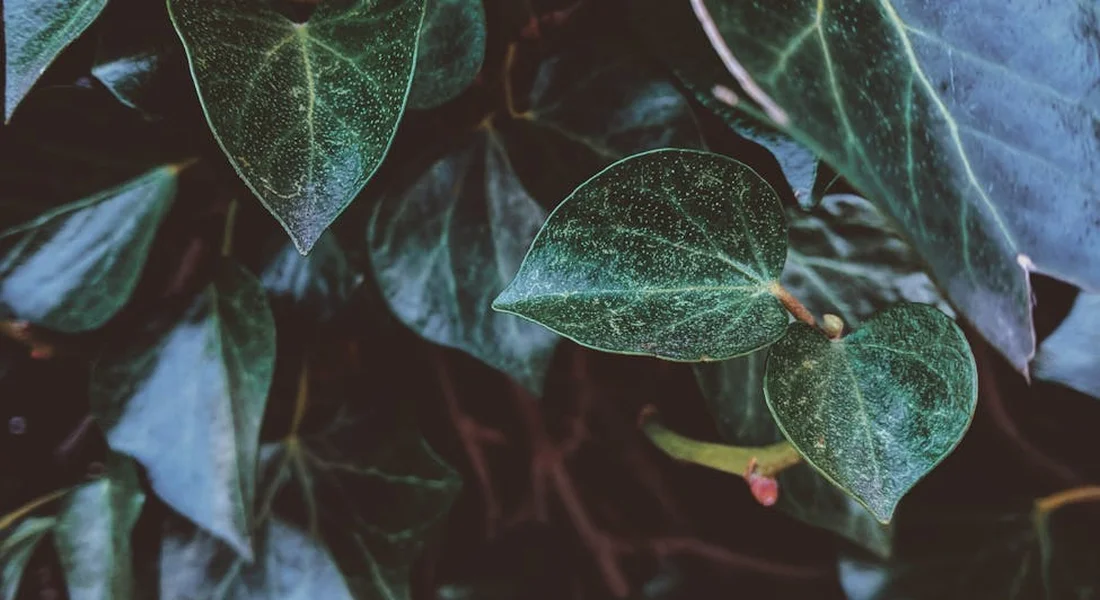
Many common ivy plants, like English Ivy, contain substances called polyacetylene compounds and glycosides. These natural chemicals are irritants that can cause serious internal distress for your guinea pig. When ingested, they essentially create a burning sensation along the mouth, throat, and digestive tract.
From my own experience, my curious piggy Biscuit once nibbled a leaf that fell from a hanging plant. It was a stark reminder that even a tiny amount of the wrong plant can trigger a reaction. Their small body size means toxins concentrate quickly, making them far more vulnerable than larger pets.
The primary danger lies in the leaves, but the berries are even more potent. All parts of the ivy plant should be considered unsafe and kept completely out of reach.
Recognizing Ivy Poisoning Symptoms
If you suspect your guinea pig has eaten ivy, time is critical. Watch for these immediate and delayed symptoms.
Immediate Physical Signs
- Excessive drooling or foaming at the mouth
- Pawing at the mouth or face due to irritation
- Visible swelling of the lips, tongue, or throat
- Difficulty swallowing or a refusal to eat
Any sign of oral discomfort is a major red flag that requires immediate action.
Systemic and Behavioral Changes
- Sudden lethargy or unusual stillness
- Signs of abdominal pain, like a hunched posture
- Diarrhea or a lack of fecal pellets
- Decreased water consumption leading to dehydration
I’ve noticed that a lethargic guinea pig, like my usually active Pepper becoming still, is one of the most telling signs something is wrong. Their energy levels can plummet frighteningly fast. Here’s a quick, step-by-step checklist I use when my guinea pig seems lazy or lethargic. If anything on the list is off, I contact a vet for guidance.
What to Do Immediately
- Remove any remaining plant material from their mouth and vicinity.
- Provide fresh, clean water to help flush their system.
- Contact your veterinarian or an emergency pet clinic without delay.
- Do not attempt to induce vomiting or give any home remedies.
Prompt veterinary care is the single most important factor for a positive outcome. Bring a photo or sample of the plant to help the vet identify the toxin quickly.
Immediate Steps for Suspected Ingestion

If you suspect your guinea pig has nibbled on ivy, act quickly but calmly. Your first move should always be to contact your veterinarian or an emergency pet poison hotline immediately. I’ve had to make that call myself once when Pepper got into a houseplant, and having professional guidance instantly eased my panic. It also underscores the importance of foraging safety. Learn about the 10 common mistakes that could poison your guinea pig.
While waiting for advice or preparing to go to the clinic, follow these steps:
- Gently remove your guinea pig from the area where the ivy is located.
- Check their mouth for any leftover plant pieces and carefully remove them if safe to do so.
- Offer fresh, clean water to help flush their system, but do not force them to drink.
- Keep them in a quiet, comfortable carrier or enclosure to minimize stress.
Never attempt to induce vomiting or give any medications without explicit veterinary instruction. What helps other animals can be extremely dangerous for guinea pigs. When it comes to herbs, some that are harmless to others can be unsafe for guinea pigs. Always consult a veterinarian before introducing any herbs to their diet.
Preventing Exposure in Your Home
Prevention is the absolute best medicine. Guinea pigs are naturally curious and will taste almost anything within reach, so creating a safe environment is your top priority.
Start by doing a full audit of your home, both indoors and out, identifying any ivy plants. Look for common types like English Ivy or Devil’s Ivy (Pothos), which are frequent in households.
- Place all houseplants in rooms your guinea pigs cannot access, preferably on high shelves.
- If you have outdoor enclosures or playpens, ensure they are situated far from any ivy growth in the garden.
- Consider using physical barriers like small pet playpen fences to section off indoor green spaces.
From my own experience, I found that swapping out risky plants for safe, edible alternatives kept my herd-Pepper, Clover, and Biscuit-happy and engaged. You can replace ivy with guinea pig-safe options like spider plants, wheatgrass, or basil, which provide enrichment without the risk.
Always supervise any floor time or outdoor play. A moment’s distraction is all it takes for a curious pig like Biscuit to find trouble. To make floor time safe and fun for your guinea pig, set up a secure, guinea pig-friendly play area. Creating a consistently safe habitat is the most reliable way to protect your furry friends from accidental poisoning.
Safe Plant Alternatives for Enrichment
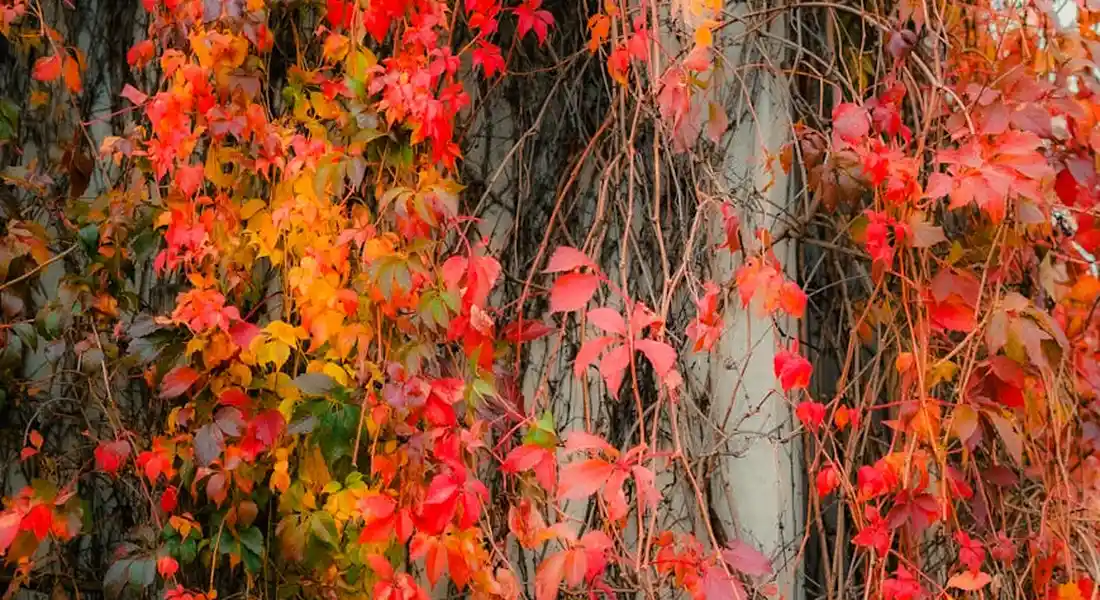
I’ve found that providing a variety of safe, edible plants is one of the most rewarding parts of caring for my guinea pigs, Pepper, Clover, and Biscuit. Offering fresh greens and herbs not only adds nutritional variety but also stimulates their natural foraging instincts. These safe vegetables and greens, like romaine lettuce, cilantro, and dandelion greens, are a key part of a guinea pig diet. Watching them nibble is a simple joy.
My herd gets particularly excited when I bring in fresh grasses like wheatgrass or oat grass from my pesticide-free garden patch. Fresh, untreated grass is a fantastic and cost-free way to provide fiber and enrichment. I always rinse it thoroughly, even from my own yard.
My Go-To Safe Plants and Herbs
- Dandelion Greens: A huge hit! I pick the young leaves from areas I know haven’t been sprayed.
- Cilantro & Parsley: These herbs are staples in our kitchen, and the pigs love the strong aroma.
- Mint & Basil: I grow these in pots on my windowsill for a ready, safe supply.
- Leaf Lettuces: Romaine, green leaf, and red leaf are favorites. I avoid iceberg due to its low nutritional value.
Biscuit, my Peruvian, is often a little hesitant with new foods. I always introduce any new plant in a tiny amount to monitor for any digestive upset. Patience is key with reserved piggies.
Building a Knowledge Base for Pet Safety
When I first brought Pepper home, I was overwhelmed by the conflicting information online about what was safe. Building a reliable knowledge base is your most powerful tool for preventing emergencies. It turns fear into confident care.
I started a simple notebook, dividing a page into “Safe,” “Unsafe,” and “Need to Research” columns. Physically writing down trusted information helped cement it in my memory. I still refer to it sometimes.
Steps to Create Your Own Safety Protocol
- Bookmark Reputable Sites: I rely on university agriculture extensions and well-regarded guinea pig welfare organizations.
- Consult Your Exotics Vet: I asked my vet for a list of common toxic plants in our local area during our first check-up.
- Use a Plant ID App Cautiously: These are great for initial identification, but I always cross-reference the results with my trusted sources.
- When in Doubt, Leave it Out: This is my golden rule. If I cannot 100% identify a plant as safe, it does not go near my pets.
Creating this habit of verification has given me immense peace of mind. I know that the environment I provide for my guinea pigs is not just fun, but fundamentally safe. Their well-being is always the top priority.
Quick Reference: Safe vs. Unsafe
| Generally Safe | Always Unsafe |
|---|---|
| Dandelion leaves & flowers | Ivy (all types) |
| Cucumber | Foxglove |
| Bell Peppers | Lily of the Valley |
| Carrot Tops | Rhubarb Leaves |
FAQs
What are the signs of ivermectin overdose in guinea pigs?
Signs of overdose can include tremors, lethargy, or difficulty walking. Always seek immediate veterinary care if you notice these symptoms to prevent serious harm.
What is an IV catheter used for in guinea pigs?
An IV catheter is primarily used for administering fluids, medications, or nutrients directly into the bloodstream. It helps ensure precise and rapid treatment during surgeries or emergencies.
What is the recommended topical dose of ivermectin for guinea pigs?
The topical dose varies by weight and product, so it must be prescribed by a veterinarian. Never self-dose, as incorrect amounts can lead to toxicity or treatment failure.
How is an IV catheter placed in a guinea pig?
A veterinarian places an IV catheter by carefully inserting it into a vein, often in the leg or neck, under sterile conditions. This procedure requires expertise due to guinea pigs’ small size and delicate veins.
Where can I find guinea pig videos on YouTube?
You can find guinea pig videos by searching for dedicated channels like “Little Adventures” or “Scotty’s Animals” that focus on care and entertainment. These videos can be a great addition to your ultimate guide on guinea pig foraging toys and activities. Always verify the source for accurate and safe information.
Keeping Your Guinea Pigs Safe and Happy
Always keep ivy far away from your guinea pigs, as its leaves and berries can cause serious health issues from mouth irritation to digestive distress. Instead, provide a steady diet of fresh, vet-approved greens like romaine lettuce, bell peppers, and cilantro to keep them nourished and content.
Being a proactive pet owner means regularly checking which plants and foods are safe, creating a habitat that supports their well-being without harm. This fits well into your weekly guinea pig care routine—the ultimate checklist for owners. Use it to stay on top of diet, habitat, and enrichment every week. Continue learning about guinea pig care and choose eco-friendly bedding and toys to build a healthy, sustainable life for your small companions.
Further Reading & Sources
- Forages – Poison ivy? – Guinea Pig Cages
- Poison Oak and Poison Ivy Immunity Studies in Guinea Pigs – PMC
- Immunologic studies of poisonous Anacardiaceae: I. Production of tolerance and desensitization to poison Ivy and oak urushiols using esterified urushiol derivatives in guinea pigs – PubMed
- Poison Oak and Poison Ivy Immunity Studies in Guinea Pigs – PMC
Kate is a passionate guinea pig owner and advocate for small pet welfare. With over a decade of experience caring for guinea pigs, she has become a trusted voice in the small pet community.
Uncategorized