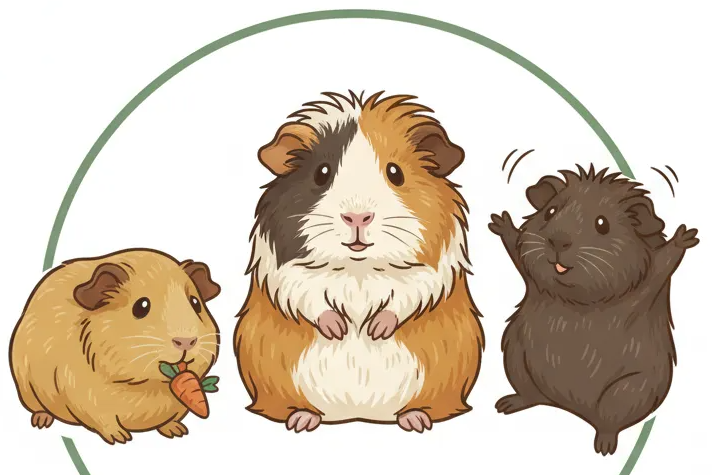
5 Critical Safety Mistakes to Avoid During Guinea Pig Floor Time
Hello CavyFam! Worried about keeping your guinea pigs safe during floor time? You are not alone, and I have felt that same concern while caring for my own pets.
I will walk you through unsafe surfaces, electrical hazards, toxic plants, escape risks, and poor supervision. My years of hands-on experience with guinea pigs like Pepper, Clover, and Biscuit give me the insight to help you prevent accidents.
Securing a Safe Environment for Floor Time
Creating a safe play area is your first and most important job. I learned this the hard way when my curious guinea pig, Biscuit, tried to nibble on a loose electrical cord during his first floor time exploration. You must treat the room like you’re baby-proofing it for a tiny, low-to-the-ground explorer.
Start by blocking off every potential escape route or dangerous hiding spot. Guinea pigs are masters of squeezing into impossibly small spaces. Translate that caution into your cage setup: choose a sturdy, roomy enclosure with secure latches. Make sure there are no gaps for curious noses to squeeze through.
- Use sturdy, solid playpen panels or a dedicated pet playpen without large gaps.
- Move all houseplants out of reach, as many common varieties are toxic if ingested.
- Tuck away or cover all electrical cords with protective tubing to prevent chewing.
- Pick up any small objects from the floor that could be a choking hazard.
Next, think about the floor surface itself. A soft, absorbent layer is non-negotiable for their comfort and your cleanup. I always lay down a few old towels or a machine-washable fleece blanket for my trio to run on.
Finally, ensure the room’s climate is stable. Guinea pigs are very sensitive to temperature extremes, so avoid drafty areas and direct sunlight that could cause overheating. A comfortable room temperature between 65°F and 75°F (18°C – 24°C) is perfect for their play session. If your home cools at night, you may need a gentle heating option to maintain their temperature. Use a thermostatically controlled heat source placed safely outside the cage or under a mat, ensuring the animals cannot touch it directly.
Supervising and Handling with Care
Never, ever leave your guinea pig alone during floor time. Constant, direct supervision is the single most effective way to prevent accidents and injuries. I sit on the floor with my pigs, Pepper, Clover, and Biscuit, so I can react instantly if they head somewhere they shouldn’t. Not supervising during floor time is one of the 15 deadly mistakes first-time guinea pig owners commonly make. By learning to avoid these common errors, you can keep your pets safe and thriving.
Your presence is also crucial for their sense of security. Guinea pigs are prey animals and can startle easily.
- Keep interactions calm and quiet; avoid sudden movements or loud noises.
- Watch for signs of stress, like freezing in place or trying to burrow and hide.
- If you have other pets, especially cats or dogs, they must be in a separate, closed room.
When it’s time to pick them up, proper technique is vital for their safety. I always use two hands to support their entire body, one under the chest and the other cradling the hindquarters. Never scoop them up from above or by a single limb, as this can cause serious injury.
End the session on a positive note. Using a favorite veggie treat to lure them back into a carrier is a gentle and stress-free method that builds trust. This positive reinforcement makes future floor times something they eagerly anticipate.
Identifying and Removing Common Hazards
Your home is full of hidden dangers that a curious guinea pig will find in minutes. I learned this when Pepper once tried to nibble a power cord I’d overlooked. Always do a hands-and-knees inspection of the floor time area before letting your pets out. This is part of preparing your home for your guinea pig’s entire lifespan. Small safety habits now can prevent big problems later.
Electrical and Chewing Dangers
Guinea pigs’ teeth never stop growing, so they chew constantly. This makes electrical cords a major hazard.
- Unplug and lift all cords completely off the floor.
- Use cord protectors or simply block access to areas with electronics.
- Remove any shoes, bags, or remote controls they could gnaw on.
Toxic Plants and Small Objects
Many common houseplants are poisonous to small animals. My Abyssinian, Clover, once munched on a dropped leaf before I could stop her.
- Identify all plants in the room and move any toxic varieties far away.
- Sweep or vacuum thoroughly to pick up small items like coins, pins, or rubber bands.
- Check under furniture for forgotten hazards like dropped pills or chocolate.
Managing Temperature and Surface Safety
Guinea pigs are extremely sensitive to temperature and can overheat or get chilled quickly. Their delicate feet are also prone to injury. Creating a comfortable physical environment is just as important as removing objects they could eat. When temperatures rise, overheating becomes a real risk and guinea pigs can struggle to regulate their body heat. Keeping the habitat cool and well-ventilated helps them handle heat more safely.
Preventing Overheating and Chilling
These animals thrive in the same temperatures most people find comfortable. My herd is happiest between 65°F and 75°F (18°C – 24°C).
- Never place the playpen in direct sunlight, even for a short time.
- Avoid drafty areas near doors, windows, or air conditioning vents.
- Provide a hidey house so they can retreat if they feel too warm or exposed.
Choosing the Right Flooring
Hardwood, tile, and laminate floors are too slippery and can cause leg injuries. I always see my Peruvian, Biscuit, move more confidently on a textured surface.
- Use a large, machine-washable fleece blanket as a primary floor covering.
- Interlocking foam play mats provide excellent cushioning and traction.
- Never use towels with loose loops, as tiny toes can get caught.
Preventing Escape Risks and Interactions
Guinea pigs are naturally curious and can slip through tiny openings you might not even notice. From my time with Pepper, I learned that even a gentle guinea pig can bolt if startled, so securing the play area is non-negotiable. Always check for gaps under doors or between furniture where they could hide or escape.
- Use a sturdy playpen or barrier that’s at least 12 inches high to block off the floor space.
- Inspect the room for chewable hazards like electrical cords, which Clover once nibbled on-thankfully, I caught her in time.
- Supervise closely during every session; even a moment’s distraction can lead to a risky dash.
Interactions with other pets or young children require careful management to avoid stress or injury. I always introduce my guinea pigs to my calm dog slowly, keeping sessions short and rewarding positive behavior with treats. Never assume that a friendly pet won’t react unpredictably around small animals like Biscuit.
- Start with brief, supervised meetings in a neutral space to gauge reactions.
- Teach children to handle guinea pigs gently, supporting their full body to prevent falls or fear.
- Separate animals if any signs of aggression or anxiety appear, and provide hiding spots for your guinea pigs to retreat to.
Regularly assess your setup for wear and tear, as guinea pigs might test barriers over time. Advocating for their welfare means anticipating risks before they happen, not just reacting to close calls. Simple adjustments, like adding baby gates or soft mats, can make floor time both fun and secure for everyone involved. And remember, regular checks should be part of your weekly guinea pig care routine.
FAQs
How often should I provide floor time for my guinea pigs?
Guinea pigs thrive with regular exercise, especially regular daily floor time sessions of at least 30 minutes to an hour to keep them active and healthy in a secure, supervised space.
What are some signs that my guinea pig is enjoying floor time?
Look for behaviors like popcorning, where they leap joyfully, and curious exploration of their environment. They may also make soft purring sounds and move around confidently without hiding.
How can I make floor time more engaging for my guinea pigs?
Incorporate safe toys such as tunnels, chew balls, and cardboard hideouts to encourage natural play and mental stimulation. Scatter small, healthy treats around the area to promote foraging and keep them interested.
Your Guinea Pig’s Safety First
Always supervise your guinea pig closely during floor time to spot hazards like loose wires or small objects they might chew on. I’ve seen my guinea pigs, like gentle Pepper and graceful Clover, stay out of trouble when I keep a watchful eye and puppy-proof the area thoroughly. Proper guinea pig care also means providing a clean, safe living space, fresh water, and regular health checks. With these basics, floor time stays safe and enjoyable for your little pets.
Keep growing your knowledge on guinea pig care to make eco-friendly choices, such as using biodegradable bedding or homemade toys from safe household items. For a focused look, see the ultimate guide to safe bedding options for guinea pigs. It helps you compare materials and choose safe, eco-friendly options. Responsible ownership means adapting to new insights, ensuring pets like intelligent Biscuit thrive in a healthy, sustainable environment.
Further Reading & Sources
- The Definitive Guide to Floor Time for Guinea Pigs
- Floor Time | Guinea Pig Habitats | C&C Guinea Pig Cages – Guinea Pig Cage Company
- Setting Up Floor Time with your Guinea Pigs! – Piggie Floor Time – GuineaDad
- Guinea Pig Floor Time: How to Provide a Safe & Fun Experience
Kate is a passionate guinea pig owner and advocate for small pet welfare. With over a decade of experience caring for guinea pigs, she has become a trusted voice in the small pet community.
Uncategorized