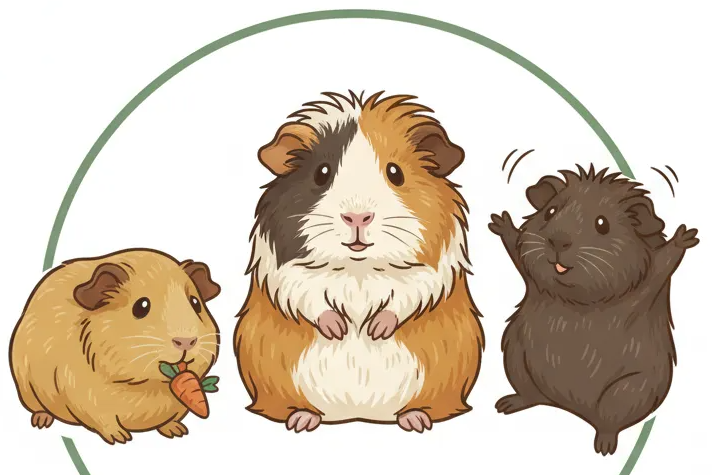
Edible Weeds and Foraged Plants for Guinea Pigs
Hello CavyFam! Are you curious about which backyard weeds are safe for your guinea pigs to nibble on? You might feel nervous about accidentally picking a plant that could harm your furry friends. Adding fresh, foraged greens can boost their nutrition and mimic their natural diet, but knowing what’s safe is the first step to success.
I’ll guide you through essential topics to ensure your pets thrive:
- Identifying safe edible weeds
- Understanding nutritional benefits
- Harvesting and preparing plants safely
- Avoiding common toxic varieties
With years of hands-on care for my guinea pigs Pepper, Clover, and Biscuit, I can help you forage with confidence.
A Gentle Introduction to Edible Weeds
You might look at your lawn and see a nuisance, but I see a guinea pig’s gourmet salad bar. Many common “weeds” are packed with vitamins and minerals that commercial pellets simply can’t provide. I’ve spent years picking handfuls for my own herd-Pepper, Clover, and Biscuit-and watching their excited wheeks is proof enough.
Let’s start with the classics you likely have growing right outside your door. Dandelions are a complete powerhouse, offering vitamins A, C, and K, along with calcium. My gentle Pepper adores the entire plant, from the yellow flower to the root.
- Dandelion: Entire plant is safe. High in vitamin C.
- Clover: Leaves and flowers. A favorite of my graceful Clover.
- Plantain: The broad-leaf variety. Excellent for digestive health.
- Chickweed: A tender, mild green. Perfect for younger pigs like Biscuit.
Introduce any new green slowly to prevent tummy upset. I always start with a piece the size of my thumbnail and watch for any changes over 24 hours. Your pig’s unique personality will guide you; my reserved Biscuit prefers new foods left quietly in his hidey-hole. When you’re transitioning to a new pellet brand, use a step-by-step approach: start with mostly the old brand with a touch of the new, and gradually increase the new brand over 7–10 days.
Essential Foraging Safety and Ethics
Foraging is wonderful, but safety for your pets and the environment comes first. I never, ever harvest from areas that may have been sprayed with pesticides or herbicides. A single contaminated leaf can cause serious harm.
Location is everything. I stick to my own untreated backyard or trusted areas far from busy roads. Exhaust fumes coat plants with toxins you cannot simply wash off. If you wouldn’t eat it yourself, don’t feed it to your guinea pig.
Proper identification is non-negotiable. Many toxic plants mimic safe ones.
- Use a reliable plant identification guide or app.
- When in doubt, throw it out. It’s not worth the risk.
- Cross-reference with multiple sources.
Washing is a crucial final step. I give all foraged greens a vigorous rinse under cool water and a soak in a vinegar-water solution to remove dirt and potential pests. Pat them dry with a towel to prevent soggy, spoiled greens.
Finally, forage ethically. Take only what you need, and never strip an area completely bare. This ensures the plants can regrow and continue to support the local ecosystem. It’s a simple act of respect for nature that provides for our pets.
Safe and Nutritious Edible Weeds for Your Herd
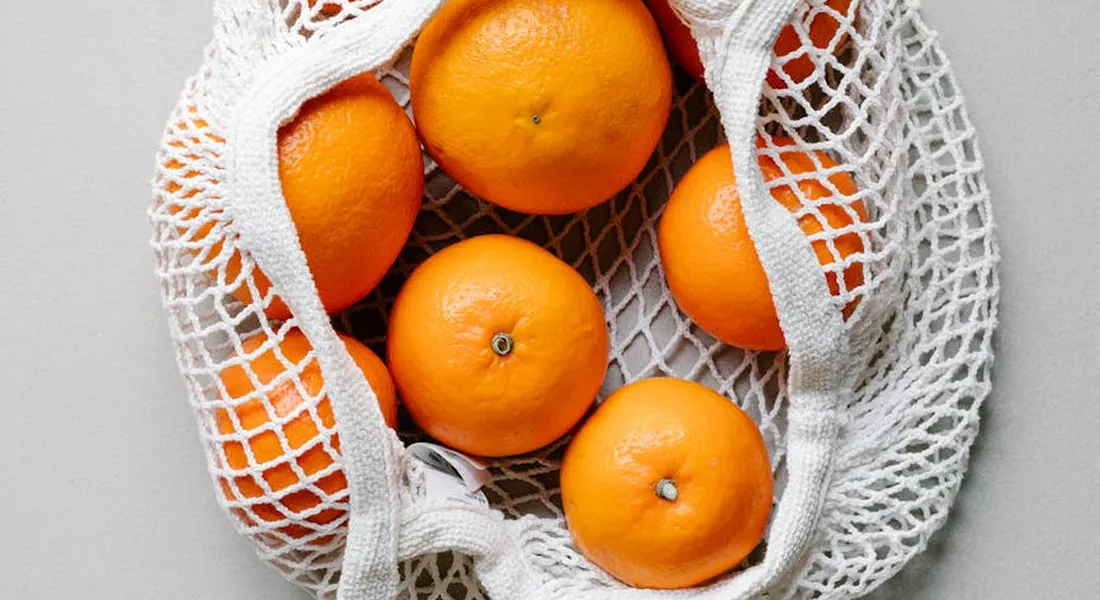
Foraging for weeds can turn your guinea pig’s diet into a vibrant, vitamin-packed feast. I’ve watched my own herd—Pepper, Clover, and Biscuit—thrive on these natural treats, and their health has never been better. Guinea pigs also eat wheatgrass and other grasses as tasty, nutrient-rich greens. They provide valuable fiber and aid digestion. Always pick from areas free of pesticides and chemicals to keep your pets safe.
The Wonderful World of Dandelions
Dandelions are a powerhouse of nutrients, rich in vitamins A, C, and K, which support vision and immune health. Their bright yellow flowers and tender leaves make them a favorite snack that my gentle Pepper gobbles up with enthusiasm. I love how their earthy scent fills the air when I gather them fresh from the yard.
How to Prepare Dandelion for Your Guinea Pigs
Preparing dandelions is simple and ensures your guinea pigs get the most benefit. Follow these steps to serve them safely and deliciously:
- Rinse the leaves and flowers thoroughly under cool water to remove dirt and bugs.
- Pat them dry with a clean towel to prevent excess moisture in the cage.
- Chop larger leaves into bite-sized pieces to make eating easier for small mouths.
- Mix a small handful with their regular veggies to introduce new flavors gradually.
Other Fantastic Foraged Finds
Beyond dandelions, many common weeds offer variety and nutrition. My thoughtful Clover adores the delicate texture of plantain leaves, while Biscuit’s reserved nature makes him savor chickweed slowly. Here are a few safe options to explore:
- Plantain: High in fiber, it aids digestion and has a mild, grassy taste.
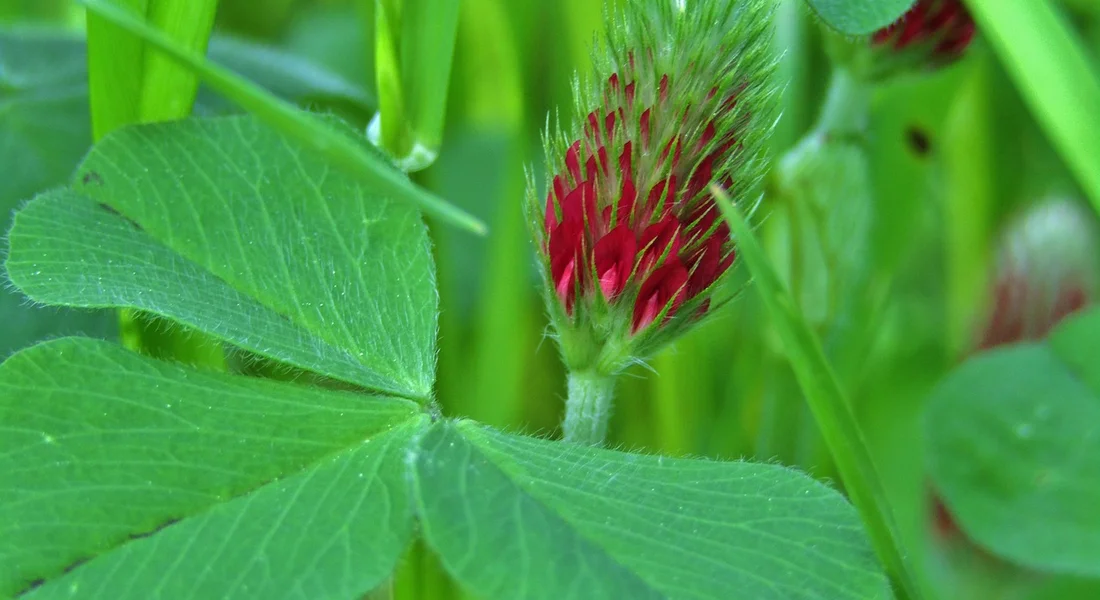
- Clover: Packed with protein, but feed in moderation to avoid bloating.
- Chickweed: Offers vitamin C and a soft texture that older guinea pigs find easy to chew.
Preparing and Serving Your Foraged Greens
Proper preparation makes foraged greens a safe and enjoyable part of your guinea pig’s diet. Before feeding, I trim off bruised edges and cut the greens into bite-sized pieces for my guinea pigs. This prep helps prevent choking and makes mealtimes easier and more enjoyable. I always wash everything twice to remove any hidden contaminants, and it gives me peace of mind knowing my herd is eating clean. Store extras in a breathable bag in the fridge to keep them fresh for up to three days.
How Much and How Often to Feed
Moderation is key to preventing digestive issues and ensuring a balanced diet. Start with a tablespoon of foraged greens per guinea pig, two to three times a week, and watch how they react. Also, consider how often to feed. Many guinea pigs do best with small portions daily or every other day, adjusted to their digestion. For more information, check the guidelines on feeding frequency for guinea pigs. My herd’s steady appetite tells me when they’re ready for more, but I never overdo it to keep their tummies happy.
Plants to Absolutely Avoid
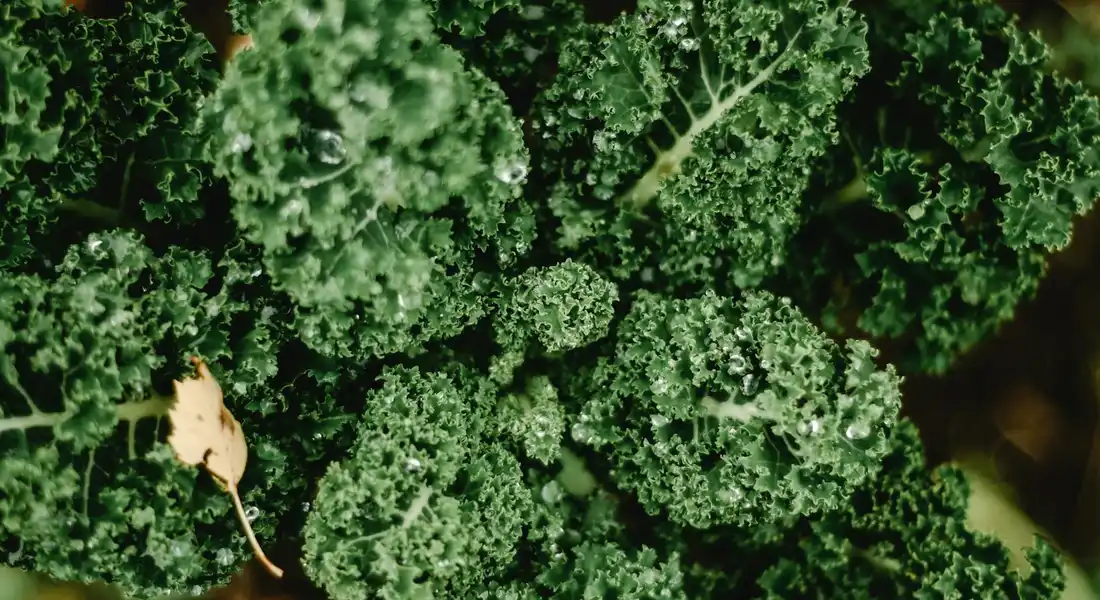
When you’re out foraging, it’s easy to get excited about all the green goodies, but some plants can make your guinea pig very sick. I learned this the hard way when Pepper nibbled on a leaf I hadn’t properly identified, leading to a scary vet visit that taught me to always err on the side of caution. For safety, foraging outdoors with guinea pigs means only picking leaves you can positively identify and know are safe. If you’re unsure about a plant, skip it and consult a reliable guide or veterinarian. Always double-check each plant before offering it.
- Foxglove: Contains digitalis, which can cause heart problems and is often fatal.
- Nightshade family plants: Like tomatoes or potatoes leaves, they have solanine that leads to digestive upset.
- Rhubarb leaves: High in oxalic acid, which can cause kidney damage over time.
- Buttercups: Their sap irritates the mouth and stomach, making guinea pigs drool or refuse food.
- Daffodils: All parts are toxic and can cause vomiting or worse if ingested.
Stick to plants you’re 100% sure about to keep your furry friends safe and healthy. If in doubt, skip it-your guinea pig’s well-being isn’t worth the risk—especially when choosing safe flowers and plants for guinea pigs to eat.
Building a Balanced Diet with Foraged Greens
Foraged greens can add wonderful variety to your guinea pig’s meals, but they should never replace their main diet of hay and pellets. From my experience with Clover, who thrives on a mix of store-bought and foraged foods, I’ve seen how a balanced approach prevents digestive issues and keeps her coat shiny. Start slow to let their systems adjust. Safe greens like romaine, cilantro, and dandelion greens can be a healthy addition when offered in moderation. Always wash and introduce new greens gradually to monitor for any digestive upset.
- Identify safe plants confidently: Use a guide or app to recognize edible weeds like dandelions or plantain.
- Wash greens thoroughly: Rinse under cool water to remove dirt, pesticides, or bugs that could harm your pet.
- Introduce one new plant at a time: Offer a small amount and watch for any changes in behavior or droppings over 24 hours.
- Mix with familiar foods: Combine foraged greens with their regular hay to ease the transition.
- Limit portions to avoid overfeeding: Too much can cause bloating; aim for a handful per day as a treat.
Biscuit, my Peruvian, loves the occasional chickweed, but I keep it to a few times a week to maintain nutritional balance. Rotate different greens to provide a range of vitamins and keep meals interesting.
Always prioritize high-quality hay as the foundation of their diet, using foraged plants as supplements for enrichment and health. This way, you’re supporting their natural foraging instincts safely. When choosing the best hay for your guinea pig, look for fresh, green, dust-free hay and avoid moldy bales. Timothy hay is typically the best staple for most adults, while alfalfa may be better for growing youngsters or pregnant sows.
FAQs
How should I store foraged greens to keep them fresh?
Store foraged greens in a breathable bag or container in the refrigerator to maintain their quality. Use them within a few days and discard any that appear wilted or moldy to ensure safety.
Can I feed foraged plants to baby guinea pigs?
Introduce foraged plants to baby guinea pigs only after they are weaned and eating solid foods. Start with small amounts of mild greens, like chickweed, and monitor for any digestive issues. Guinea pigs have specific dietary needs and rely on a steady supply of hay and fresh greens. Foraged plants should supplement, not replace, their usual foods.
What are the signs that a plant is unsafe, even if it looks edible?
Unsafe plants often have features like milky sap, thorns, or a strong, bitter odor. Always verify identification with multiple sources and avoid any plant that raises doubts to prevent health risks.
Your Guinea Pig’s Natural Pantry Awaits
Always identify plants with 100% certainty using a reliable guide or expert before offering any foraged greens to your curious pets. Not all herbs are guinea pig-safe, so I always check which ones are truly safe. I’ve found that introducing one new, safe plant at a time helps me monitor how my own guinea pigs, like gentle Pepper and thoughtful Clover, react to these fresh tastes.
Embracing foraged foods is a wonderful step toward a more natural and eco-friendly diet, reducing reliance on store-bought packaging. Your journey as a pet owner is a continuous learning experience, and your dedication to their well-being makes all the difference in their happy, healthy lives.
Further Reading & Sources
- Ultimate Guide To Foraging For Guinea Pigs: Plants + Weeds
- 13 MORE FREE FOODS Your Guinea Pigs Can Eat | Part 2 | FORAGING for Safe Edible Wild Plants & Food – YouTube
- Safe wild weeds/plants you can feed your piggies | The Guinea Pig Forum
- Guinea Lynx :: Common Forages
Kate is a passionate guinea pig owner and advocate for small pet welfare. With over a decade of experience caring for guinea pigs, she has become a trusted voice in the small pet community.
Uncategorized