Hairless Guinea Pigs: Your Complete Care and Cost Guide
Hello, CavyFam! Thinking about welcoming a unique, wrinkly friend into your home? You’re probably wondering if caring for a hairless guinea pig is a completely different ballgame. Their delicate skin and special needs can seem a bit intimidating at first glance.
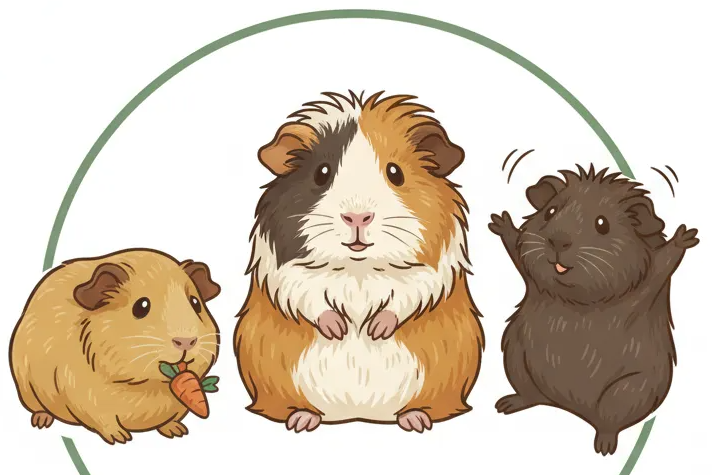
I’ve got you covered. We’ll walk through everything you need to know, from daily routines to budgeting for your new pal. We will cover essential care, initial setup costs, ongoing monthly expenses, and common health considerations. I’ve learned a lot from my own guinea pigs, Pepper, Clover, and Biscuit, and I’m here to share that hands-on experience with you.
What Are Hairless Guinea Pigs?
Hairless guinea pigs, most famously known as Skinny Pigs, are a unique variety of the common domestic guinea pig, scientifically named Cavia porcellus.
They are not a naturally occurring breed but were the result of a laboratory breeding program in the 1970s.
This intentional crossbreeding created a guinea pig with a mostly hairless body, a genetic trait that has been selectively maintained by breeders ever since.
- Their average lifespan is 5 to 7 years, similar to their furry cousins, when provided with excellent care.
- General temperament is wonderfully social and curious, though they can be a bit more sensitive and seek warmth.
- Physical traits include a visible spine and ribcage, giving them a distinct “hippopotamus” or “hippo” appearance that I find utterly charming.
- They have patches of hair typically on their muzzles, feet, and sometimes along their backs.
A common myth is that hairless guinea pigs are hypoallergenic.
This is not true, as most pet allergies are reactions to proteins in an animal’s saliva and dander, not just its hair.
From my experience living with both furry and hairless piggies, I noticed no difference in my own mild allergies; both types required the same level of environmental cleaning to keep symptoms at bay.
Hairless Guinea Pig Breeds and Types
While all hairless guinea pigs share the core trait of lacking a full coat, there are two primary breeds you will encounter among the different types and breeds of guinea pigs.
The Skinny Pig is the most common, born with hair on its nose and feet, while the Baldwin is born with a full coat of fuzzy hair that they completely lose as they mature.
Here is a comparison of their key traits:
| Breed | Coat Patterns & Colors | Unique Features | Rarity & Availability |
|---|---|---|---|
| Skinny Pig | Can display any standard guinea pig color and pattern on their skin, including solid, brindle, and Dutch markings. | Retains coarse hair on its muzzle, feet, and legs. Wrinkled skin is common. | More common and widely available from specialized breeders. |
| Baldwin | Skin color is typically a uniform pinkish tone once their baby fur falls out. | Born fully furred. Loses all hair by about two months old, resulting in completely smooth, soft skin. | Much rarer and can be difficult to find. Often requires joining a waitlist with a dedicated breeder. |
Finding a Baldwin was a long-term quest for me, and their unique development is a fascinating process to witness.
Their complete lack of hair makes their skin exceptionally soft, almost like warm suede.
Essential Daily Care and Maintenance
Diet and Nutrition
A hairless guinea pig’s diet is the engine for their health and warmth. I’ve found that a consistent, high-quality diet is the single best thing you can do for their wellbeing. An ideal overall diet for a healthy guinea pig combines hay, leafy greens, and fortified pellets to deliver fiber and essential vitamins. This balanced approach supports digestion, dental health, and steady warmth.
- Unlimited Timothy Hay: This should make up about 80% of their diet, supporting digestion and wearing down their constantly growing teeth.
- High-Quality Pellets: Offer a small, measured amount daily. Look for pellets fortified with Vitamin C, which they cannot produce on their own.
- Fresh Vegetables: A daily cup of mixed veggies provides essential nutrients. Our herd loves bell peppers, romaine lettuce, and cilantro.
- Constant Fresh Water: Provide water in a heavy, tip-proof bowl or a clean water bottle, refreshed daily.
Stick to a simple feeding schedule: fresh hay and water available at all times, pellets in the morning, and veggies in the evening. Safe foods include cucumber, zucchini, and carrots as occasional treats. Always avoid iceberg lettuce, potatoes, and any processed human foods.
Housing and Environment
Without a fur coat, their living space becomes their primary protection. A proper cage is not a luxury for a hairless pig; it is a fundamental necessity for survival. This touches on 7 dangerous myths about guinea pig housing myths. We’ll debunk them to keep pets safe.
- Cage Size: A single guinea pig needs a minimum of 7.5 square feet, but more space is always better, especially for pairs.
- Bedding Options: I strongly recommend soft, absorbent fleece liners. They are gentle on sensitive skin and more economical long-term. Avoid dusty wood shavings like pine or cedar.
- Enrichment Items: Include multiple hideouts, tunnels, and chew toys. My pigs, Pepper and Clover, spend hours rearranging their paper bag forts.
Temperature control is absolutely critical; maintain an environment between 75°F and 80°F (24°C – 27°C). Keep their cage away from drafts, direct sunlight, and air conditioning vents. A small space heater with a thermostat can be a lifesaver in colder climates. Humidity should be kept moderate to prevent dry skin.
Skin Care and Grooming
Their bare skin requires a dedicated routine that differs greatly from furry guinea pigs. Their skin is as sensitive as a newborn baby’s and needs just as much attentive care. To properly care for guinea pigs with this sensitivity, use a gentle regimen with soft, clean bedding. Regular, light grooming and timely vet visits can help prevent skin issues.
- Bathing: Bathe them only once a month or when noticeably dirty using a gentle, guinea pig-specific shampoo. Over-bathing strips their skin of natural oils.
- Moisturizing: After a bath and pat-dry, apply a tiny amount of pure, unscented coconut or olive oil to prevent flaky, dry skin.
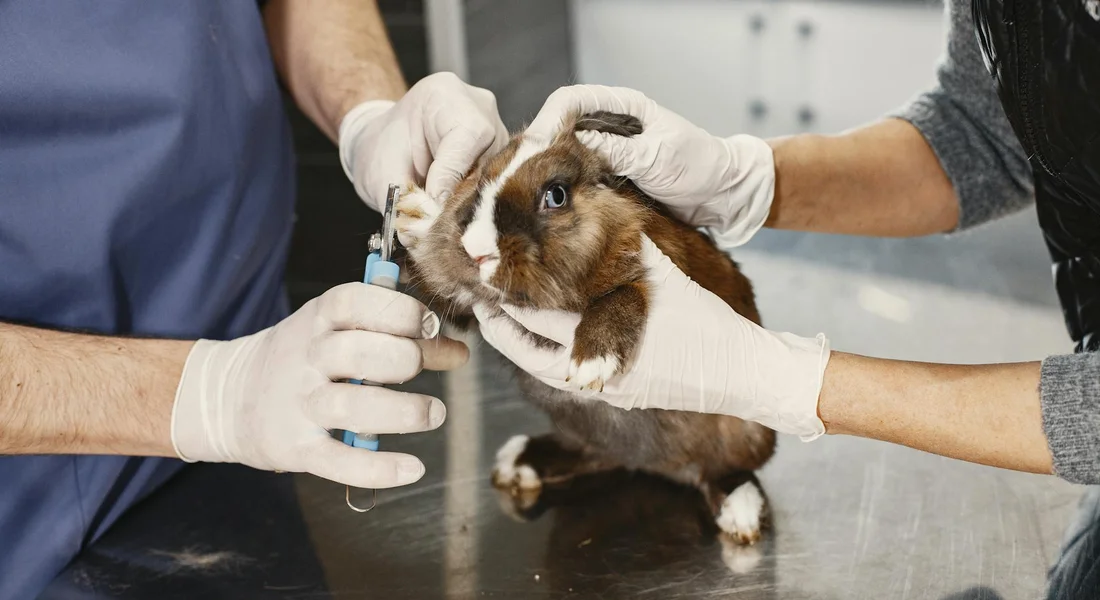
- Nail Trimming: Check nails every two weeks. Their quick is visible, so use small animal clippers to trim just the tip to avoid injury.
- Teeth Check: Monitor their front teeth for even wear. Provide plenty of hay and wooden chews to prevent overgrowth.
A soft, guinea pig-sized sweater is not just a cute accessory; it’s vital for keeping them warm outside of their ideal cage temperature. I keep a few on hand for Biscuit, especially during cooler evenings.
Social and Exercise Needs
Hairless guinea pigs have the same social drives as their furry cousins. Housing them alone is a disservice to their nature; they are herd animals that thrive on companionship. Always aim to have at least two pigs together. Knowing how many guinea pigs can live together in one cage helps ensure they get along comfortably.
Provide at least an hour of supervised floor time daily in a secure, pet-proofed area. Create a fun obstacle course with cardboard boxes and tubes to encourage natural foraging and exploration behaviors. My trio loves chasing each other around a simple track made of bent grid panels.
Health and Wellness Considerations
Common Health Issues
Being hairless makes them prone to specific ailments that require a watchful eye. You become their first line of defense, and knowing what to look for can make all the difference.
- Skin Conditions: Watch for dryness, flakiness, sunburn, fungal infections (ringworm), and minor cuts or abrasions.
- Respiratory Problems: They are susceptible to pneumonia and upper respiratory infections, often signaled by sneezing or labored breathing.
- Other Ailments: Like all guinea pigs, they can suffer from bladder stones, scurvy (Vitamin C deficiency), and digestive issues like bloat.
Any change in behavior is a red flag; look for lethargy, hiding, a sudden lack of appetite, or weight loss. Regularly feel their body for any unusual lumps or bumps, and inspect their skin for persistent redness or sores.
Preventive Care
Proactive care is far less stressful and expensive than reactive emergency visits. Establishing a relationship with an exotic animal vet before you have an emergency is one of the smartest things you can do.
- Routine Vet Visits: Schedule a wellness check-up at least once a year. There are no standard vaccinations for guinea pigs, but these visits are crucial for catching underlying issues.
- Health Monitoring at Home: Weigh your pig weekly with a kitchen scale-sudden weight loss is often the first sign of illness. Also, monitor their daily food and water intake and droppings.
Keeping a simple health journal with weekly weights and notes on behavior has helped me spot subtle trends with my own pets. This information is invaluable for your veterinarian.
Cost Analysis and Budgeting
Initial Costs
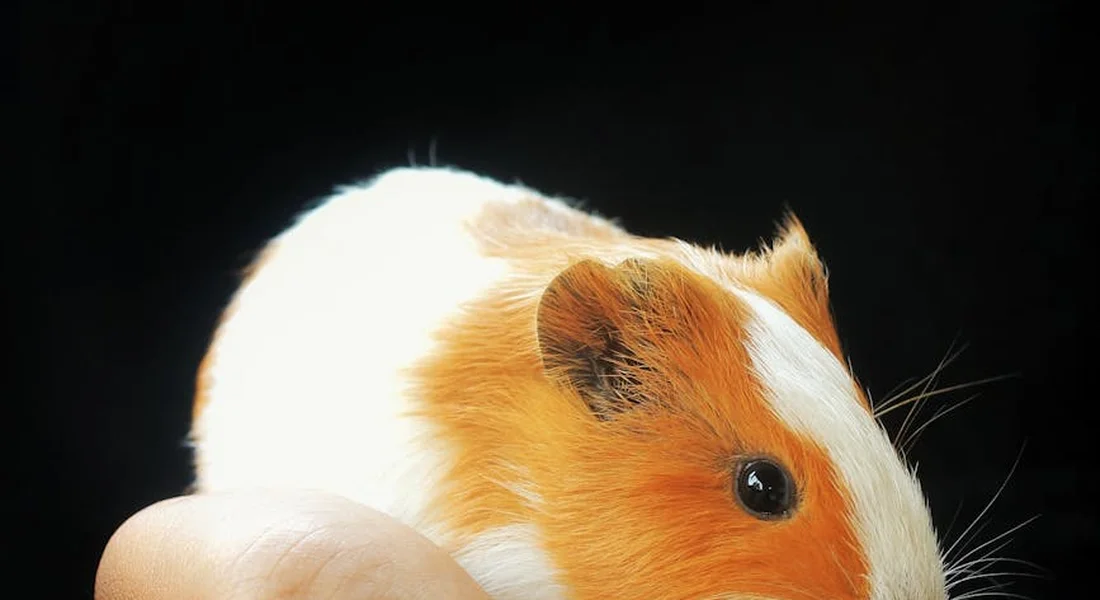
Getting a hairless guinea pig started requires a solid financial foundation. I’ve found the initial setup for my pigs, Pepper and Clover, cost between $200 and $400, depending on how fancy you get with their habitat. But it’s just a small part of the overall commitment (taking care of guinea pigs can be costly).
- Purchase Price: A hairless guinea pig (like a Skinny Pig) typically costs $50 to $150 from a reputable breeder, which is often more than a haired breed.
- Supplies & Setup: A spacious cage runs $60-$120. You’ll also need a water bottle, food bowls, hideouts, and safe bedding, adding another $80-$150.
Compared to haired guinea pigs, hairless breeds usually have a higher upfront cost. Haired guinea pigs can often be adopted for as little as $25, but their specialized cousins command a premium due to their unique breeding. If you’re deciding where to get one, compare pet stores, breeders, and adoption options. Each route has its own costs and welfare considerations.
Ongoing Expenses
Caring for a hairless guinea pig is a monthly commitment. My monthly budget for Biscuit, my Peruvian, is about $40-$60, covering all her essentials and a little extra for treats. To keep budgeting realistic, create a monthly and annual breakdown that includes vet visits, bedding, and replacements. This helps you plan ahead and avoid surprises.
- Monthly Costs: High-quality hay ($15-$20), fresh vegetables ($10-$15), and bedding like fleece liners or paper-based products ($10-$15) are the core recurring expenses.
- Veterinary Care: An annual check-up costs around $50-$80. Always set aside at least $200-$500 for an emergency fund, as exotic vet visits for issues like respiratory infections or skin problems can be unexpectedly costly.
Budgeting Tips
Providing excellent care doesn’t have to break the bank. I save money by buying hay in bulk from local farms and washing reusable fleece liners instead of constantly buying disposable bedding.
- Source vegetables from local farmers’ markets, often cheaper and fresher than grocery stores.
- Create a separate “pet emergency fund” and contribute a small amount each month, so a surprise vet bill isn’t a crisis.
Planning for these costs ensures your piggy lives a comfortable, happy life. Investing in quality items upfront, like a durable cage, often saves you money on replacements down the line. You can save money on guinea pig supplies without compromising quality by choosing durable multi-use items. Shop around for deals, but prioritize quality.
Finding and Adopting a Hairless Guinea Pig
Bringing a hairless guinea pig into your home is an exciting step. I strongly advocate for checking rescue organizations first, as many wonderful pigs need a second chance at a loving home. After settling in, schedule your new guinea pig’s first veterinary check-up within the first week to confirm health and establish a care plan. This initial visit can cover diet, dental health, and preventive care to set you both up for success.
- Adoption vs. Breeder: Adoption fees are generally lower ($25-$75) and you’re giving a pig a home. Reputable breeders offer health guarantees but at a higher cost.
- Responsible Adoption Steps:
- Search on Petfinder or contact local guinea pig rescues.
- Visit the facility to meet the pig and ask about its history and health.
- Prepare your home completely before bringing your new friend.
- Evaluating Health & Background: Look for clear, bright eyes and clean, supple skin without flakiness or sores. Ask about their diet, any past illnesses, and how they interact with people.
Taking your time to find the right pig ensures a better match for your family. A healthy, well-socialized pig will be more active and curious, showing interest in its new surroundings.
FAQs
Is it normal for a hairless guinea pig to have a prominent spine?
Yes, a visible spine is a natural feature due to their lack of fur and is not a cause for concern. However, if you notice sudden weight loss or other signs of illness, consult a veterinarian.
Why do hairless guinea pigs look like hippos?
Their hairless bodies and wrinkled skin give them a resemblance to hippopotamuses, which is why they are affectionately nicknamed “hippos.” This unique appearance is a result of selective breeding and is part of their charm.
How often should I put a sweater on my hairless guinea pig?
Use a sweater whenever the temperature falls below 75°F to help them retain body heat and prevent chilling. Make sure the sweater is made of soft, breathable material and fits comfortably without restricting movement.
What factors affect the lifespan of a hairless guinea pig?
Key factors include a balanced diet, proper housing, and regular veterinary care to prevent common health issues. Avoiding stressors like extreme temperatures and providing social companionship can also contribute to a longer, healthier life.
How can I find a reputable seller for a hairless guinea pig in my area?
Start by checking online platforms like Petfinder or contacting local exotic pet rescues and breeders with positive reviews. Always arrange a visit to assess the animal’s health and living conditions before making a decision.
Your Journey with Hairless Guinea Pigs Starts Here
Focus on keeping their skin moisturized and their living space draft-free to prevent health issues. Regular vet check-ups and a diet rich in vitamin C are non-negotiable for their vibrant life.
Always adopt from shelters to support animal welfare and reduce overpopulation. Keep exploring eco-friendly bedding and toy options to make your pet care routine kinder to the planet.
Further Reading & Sources
- Hairless Guinea Pig | PetMD
- The Ultimate Guide to Hairless and Skinny Guinea Pigs
- Hairless Guinea Pig: Essential Tips & Tricks for Happy Living | Supertails
- The Complete Guide to Skinny Pigs – The Hairless Guinea Pig (2023 Update!) | GuineaDad
Kate is a passionate guinea pig owner and advocate for small pet welfare. With over a decade of experience caring for guinea pigs, she has become a trusted voice in the small pet community.
Uncategorized