
Budgeting for Guinea Pig Care: A Realistic Monthly and Annual Breakdown
Published on: March 20, 2026 | Last Updated: March 20, 2026
Written By: Kate M. Callahan
Hello CavyFam! Are you feeling unsure about the true costs of keeping your guinea pigs thriving each month and year? Let’s clear up the confusion with a straightforward, honest look at what to expect.
In this guide, I’ll walk you through initial setup expenses, monthly food and bedding outlays, annual vet check-ups, and practical cost-saving strategies. With years of firsthand experience caring for my own guinea pigs like Pepper, Clover, and Biscuit, I can offer reliable, real-world advice to help you plan confidently.
Initial Setup Costs for Your Guinea Pig
Getting your guinea pig settled in requires some upfront investment, but I’ve found that planning ahead saves money and stress. Based on my experience with Pepper, Clover, and Biscuit, these one-time purchases set the stage for a happy, healthy life together.
- Cage: A spacious enclosure is non-negotiable for their comfort and exercise.
- Water bottle: Leak-proof designs prevent messes and ensure fresh water access.
- Bedding: Absorbent materials like paper-based or fleece liners keep their home dry.
- Adoption fees: Rescuing guinea pigs often includes initial vet checks, which I did for all three of mine.
| Essential Item | Low-End Cost | High-End Cost | Notes from My Setup |
|---|---|---|---|
| Cage | $50 | $150 | I chose a mid-range cage for my trio to allow ample roaming space. |
| Water Bottle | $5 | $15 | A sturdy bottle with a silent ball mechanism reduces noise and spills. |
| Bedding (initial bag) | $10 | $25 | Paper bedding worked best for Clover, who has sensitive feet. |
| Adoption Fee | $20 | $50 | Pepper’s fee included a health screening, which gave me peace of mind. |
Beyond the basics, cage accessories and enrichment toys make their environment stimulating. I’ve noticed that simple items like tunnels and chew toys prevent boredom and encourage natural behaviors. For boredom busters, explore 20 safe, engaging enrichment ideas for guinea pigs. These ideas help keep them mentally sharp and physically active.
- Hideouts: Small huts or fleece pouches offer security, much like Biscuit’s favorite spot.
- Toys: Wooden chews or balls with bells provide mental stimulation and dental health benefits.
- Ramps or platforms: These add vertical space for exploration, which my Abyssinian, Clover, adores.
Monthly Recurring Expenses Breakdown
Monthly costs are where budgeting gets real, but with a little strategy, you can keep it manageable. Feeding three guinea pigs has taught me that quality nutrition doesn’t have to break the bank if you shop smart. Guinea pigs should have fresh hay and water available all day. They also do best with a small daily portion of pellets and fresh vegetables.
Food costs include hay, pellets, and fresh vegetables. Timothy hay is the staple in my house, and I buy it in bulk to save money and reduce packaging waste.
- Hay: A large bag lasts about a month and costs $15-$30, depending on quality.
- Pellets: Look for vitamin C-fortified options; I spend $10-$20 monthly for a balanced diet.
- Fresh vegetables: Daily greens like romaine lettuce and bell peppers add variety and cost $15-$25 per month.
Bedding, litter, and cleaning supplies are recurring needs for a hygienic habitat. Regular spot-cleaning with safe, eco-friendly products keeps odors down and my guinea pigs healthy. A complete guinea pig hygiene cleaning routine also includes full cage cleans and regular litter changes. This broader approach helps maintain long-term cleanliness and animal health.
- Bedding replacement: I change fleece liners or bedding weekly, costing $10-$20 monthly.
- Cleaning supplies: Vinegar-based sprays or pet-safe disinfectants run $5-$10 per month.
- Litter areas: For corner litter boxes, absorbent materials add another $5-$15 to the bill.
Grooming and preventive care items ensure your guinea pig stays in top shape. Routine grooming sessions with Pepper have strengthened our bond and caught health issues early.
- Nail clippers: A good pair lasts years, but replacements or sharpening might cost $5-$10 occasionally.
- Brushes: For long-haired breeds like Biscuit, a soft brush prevents mats and costs $5-$15.
- Preventive items: Vitamin C supplements or parasite control add $5-$10 monthly for peace of mind.
Annual Veterinary and Health Care Budget
-
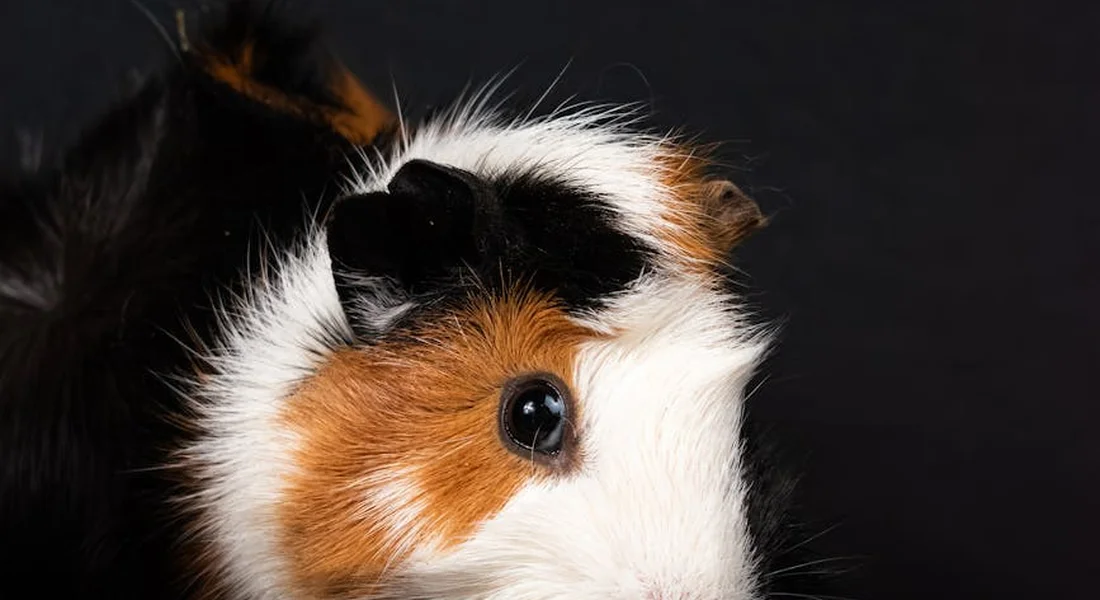
Estimate annual checkup costs at $50 to $100 per guinea pig, covering physical exams and basic wellness checks. Preventive care like nail trims and weight monitoring adds another $20 to $40 yearly, helping catch issues early. When you bring home a new guinea pig, plan their first veterinary check up to establish a health baseline. A short guide to that visit helps you know what to ask and how to budget. From my experience with Pepper, her gentle nature made vet visits smooth, but I always budget for extras like fecal tests at $25 each.
-
Spaying or neutering ranges from $150 to $400, depending on your location and the pig’s health. Common procedures include dental filing for overgrown teeth, costing $75 to $200, or treating respiratory infections with antibiotics at $30 to $80. When Clover had a minor eye issue, the exam and meds totaled $120, reminding me to plan for these surprises.
-
Start by calculating your total annual vet needs-I aim for $300 per pig. Set up a monthly savings transfer of $25 to a separate account, so you’re prepared without stress. Track expenses in a simple spreadsheet, and consider bundling care for multiple pigs to save on trip fees.
Emergency Fund and Pet Insurance Planning
-
An emergency fund is vital for sudden costs like injuries or illnesses. When Biscuit needed urgent care for a digestive issue, my savings covered the $250 bill, preventing tough choices. Unforeseen events happen often in guinea pig care, so having a buffer keeps them safe and comfortable.
-
Begin by saving $500 as a starter fund-adjust based on your pig’s age and health. Automate small deposits, like $15 per paycheck, into a high-yield savings account for steady growth. Review and top up the fund every six months, especially after routine checkups reveal new needs.
-
Pet insurance options include accident-only plans from providers like Nationwide, costing $10 to $20 monthly, or comprehensive coverage for illnesses at $15 to $30. Compare deductibles and reimbursement rates; I chose a plan with 90% coverage after a $100 deductible for peace of mind. Weigh premiums against potential out-of-pocket costs to pick what fits your budget.
Cost-Saving Tips and Smart Budgeting

-
Get creative with DIY toys and accessories to cut costs without sacrificing fun.
I often make tunnels from cardboard boxes or paper towel rolls for Pepper, Clover, and Biscuit-they love exploring these simple setups.
Homemade items like fleece-lined hideouts or untreated wood chews keep them engaged and safe, saving you money on store-bought options.
-
Buy hay and pellets in bulk to reduce frequent purchases and lower per-unit costs.
For bedding, consider reusable fleece liners instead of disposable types; they last longer and are eco-friendly.
Switching to bulk orders for essentials like timothy hay can slash your monthly expenses by up to 30%, based on my own budgeting with my trio.
-
Evaluate products by observing your guinea pigs’ reactions-think of it as a “guinea pig judge” test.
If Biscuit ignores a new toy but Clover adores it, you know where to invest next time.
Focus on items that spark natural behaviors like chewing or hiding, ensuring every dollar supports their well-being and happiness.
Long-Term Financial Commitment Overview
-
Total monthly expenses typically range from $50 to $100 for basics like food, bedding, and occasional treats.
Annually, this adds up to around $600 to $1,200, not including unexpected vet visits.
Planning for these costs upfront helps you avoid surprises and keeps your guinea pigs healthy and content. This frames the idea behind ‘7 ways you’re wasting money in guinea pig care’—spotting financial mistakes before they add up. Being proactive with costs helps you keep them healthy and avoid unnecessary spending.
-
Replacement parts, such as worn-out cages or chewed accessories, add to ongoing costs over their 5-7 year lifespan.
I replace fleece liners every few months and upgrade toys annually for my group.
Budgeting for wear-and-tear items ensures their environment stays safe and stimulating without breaking the bank.
-
With careful planning, guinea pig care is affordable and rewarding.
Start a small savings fund for emergencies, and you will feel confident handling any situation.
Over the years, I have found that a little foresight makes all the difference in providing a joyful life for pets like Pepper, Clover, and Biscuit.
FAQs
How can I use the ‘guinea pig judge’ method to evaluate new toys?
Introduce one toy at a time and watch for positive interactions like chewing or exploring. This helps you buy only items your guinea pig enjoys, reducing wasted money on unused products. Watching their reactions can tell you if your guinea pigs are happy. Curious, relaxed play typically signals contentment.
What behaviors indicate my guinea pig is a good judge of accessories?
Look for signs of curiosity, such as sniffing or playing with the item repeatedly. If they avoid or seem stressed by it, that product may not be a good fit for their needs.
Why would a guinea pig owner need a badge holder?
A badge holder can keep ID tags or vet records easily accessible during travels or emergencies. It helps ensure important information is organized and readily available for quick reference.
How do I adjust my guinea pig budget for seasonal changes?
Account for higher costs in winter for bedding and heating, and summer for fresh veggies. Include a seasonal care checklist to prep for spring, summer, fall, and winter so you can adjust bedding, housing, and greens as the seasons shift. Review expenses monthly to adapt your budget based on seasonal availability and your guinea pig’s activity levels.
Can the ‘guinea pig judge’ approach help with budgeting for multiple pigs?
Yes, observe each guinea pig’s preferences to buy shared items they all enjoy, like communal hideouts. This prevents duplicate purchases and ensures your budget covers essentials that benefit the entire group. When you plan, think in terms of must-have versus nice-to-have supplies for guinea pigs. Prioritize must-haves—things that support health, safety, and enrichment—before considering nicer, optional items.
Your Guinea Pig Budget Blueprint
Creating a realistic budget means accounting for all recurring expenses like food and bedding, while also building a small savings fund for surprise vet visits. Planning for both predictable and unexpected costs is the most effective way to ensure your guinea pigs’ lifelong health and happiness. This goes hand in hand with preparing their living environment for the long term.
Being a great pet owner means committing to ongoing learning about their needs and seeking out eco-friendly options, like paper-based bedding, whenever possible. Your dedication to responsible, informed care makes all the difference in creating a wonderful life for your small companions.
Further Reading & Sources
- How Much Do Guinea Pigs Cost? | The Cost of Guinea Pigs
- How Much Do Guinea Pigs Cost To Take Care Of? | Should I Get Guinea Pigs?
- Guinea Pig Care Guide – Penny & Wild
- How Much Are Guinea Pigs? Budgeting Tips and Cost Guide 2024 | Chewy
Kate is a passionate guinea pig owner and advocate for small pet welfare. With over a decade of experience caring for guinea pigs, she has become a trusted voice in the small pet community.
Uncategorized