
Where Can I Surrender or Rehome My Guinea Pig? (Options & Tips)
Hello CavyFam, wondering where you can surrender or rehome your guinea pig when life throws a curveball?
It’s a heart-tugging choice, and I know you’re concerned about finding a safe, loving next chapter for your furry friend.
In this guide, I’ll cover shelter options, rehoming strategies, safety checks, and cost considerations to ease your mind. Having cared for guinea pigs like gentle Pepper, graceful Clover, and reserved Biscuit for years, I’ve navigated rehoming challenges firsthand and can share reliable, compassionate advice.
First, Pause and Assess Your Situation
Before making any decisions, take a deep breath. Surrendering a pet is a significant emotional step, and ensuring you’ve explored all options can bring you peace of mind. I remember feeling overwhelmed when my work schedule changed dramatically, worrying I couldn’t give my guinea pigs the attention they deserved.
Life throws unexpected challenges our way. Consider if your situation is temporary or if there are small adjustments that could make keeping your pet possible. A financial strain might be eased by a community pet food bank, while a lack of time could be solved by involving other family members in daily care.
- Is your housing issue permanent, or can you discuss reasonable pet accommodations with your landlord?
- Could a trusted friend or family member provide temporary foster care during a crisis?
- Have you reached out to local guinea pig communities online for support and creative solutions?
Exhausting every alternative first ensures you’re making the most informed and compassionate choice for your furry friend.
Your Primary Surrender Options: Shelters and Rescues
If rehoming yourself isn’t feasible, organized shelters and rescues are your safest bet. These organizations provide a structured pathway to a new home, prioritizing the animal’s health and well-being above all else. For foster guinea pigs, a proper rehome plan means coordinating with the rescue to pass along medical history and care notes to the adopter. It also helps ensure a smooth transition and ongoing support after placement. The process might feel formal, but that structure is what protects guinea pigs from uncertain futures.
Understanding How a Humane Society or Animal Shelter Works
Your local humane society or municipal shelter is a general intake facility. They accept a wide variety of animals, which means their staff are trained to handle many species, but they may not be guinea pig specialists. When I’ve volunteered, I saw firsthand how their primary goal is to provide immediate safety, basic veterinary care, and adoption services.
You will typically need to call ahead or check their website for surrender procedures. Be prepared for the possibility of a surrender fee, which helps offset the cost of food, housing, and medical treatment for your pet. This fee is a crucial part of funding their lifesaving work.
- Pros: Widely available, provide immediate safe harbor, and have established adoption channels.
- Cons: Can be stressful for prey animals like guinea pigs due to noise from other animals, and cage space may be limited.
The Specialized Care of a Guinea Pig Rescue
For the most tailored and species-specific care, a dedicated guinea pig rescue is often the ideal choice. These rescues are run by people who live and breathe guinea pigs; they understand their subtle behaviors, dietary quirks, and social needs intimately. My guinea pig, Biscuit, was initially very shy, and a specialized rescue would know exactly how to help a pig like him blossom.
These organizations often operate through a network of experienced foster homes. Your guinea pig will likely go directly into a home environment, which drastically reduces stress and allows for personalized socialization. This is crucial for rescued, traumatized guinea pigs, as they need gentle, consistent trust-building. They focus on slow, positive interactions to rebuild confidence. They are experts at matching guinea pigs with compatible companions and knowledgeable adopters.
- Pros: Expert, species-specific care; lower-stress, home-like environments; and meticulous screening of potential adopters.
- Cons: Fewer in number geographically and may have waiting lists due to limited foster space.
Navigating Private Rehoming Safely
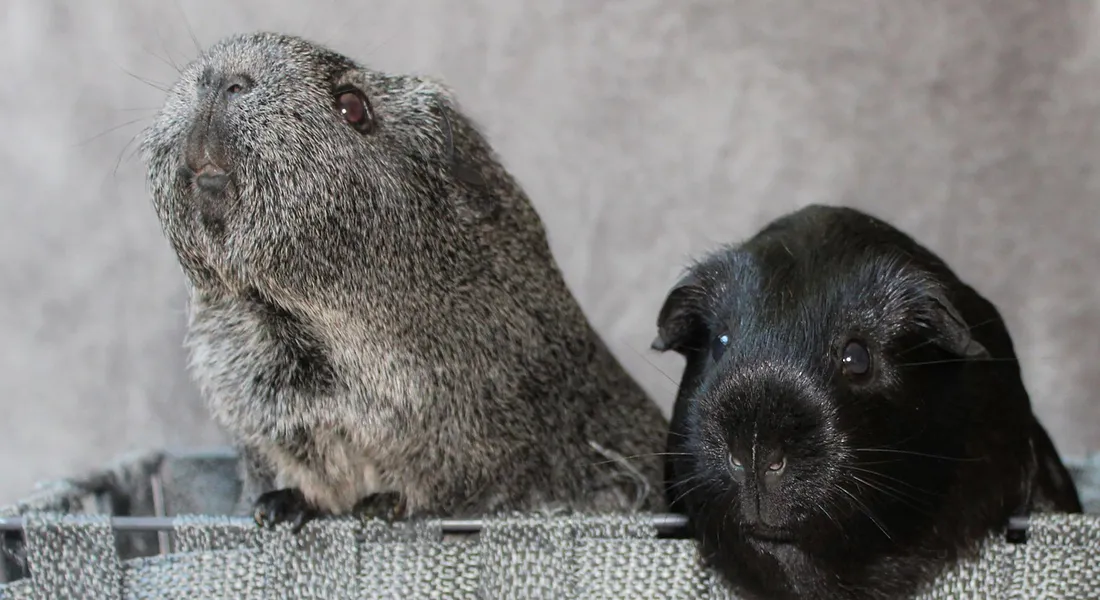
Finding a new home privately gives you more control over your guinea pig’s future. I’ve helped rehome several pigs this way, and a thoughtful process prevents heartache. Emotional commitment to guinea pig ownership matters—these little animals thrive with steady care and daily bonding.
Crafting an Honest and Effective Adoption Ad
Your ad is the first impression. Be transparent and paint a clear picture of your pet’s life.
- Use high-quality, recent photos showing their face and full body.
- Write a catchy headline like “Gentle Companion Seeking Quiet Home.”
- Describe their personality, likes, and dislikes in detail. For example, my guinea pig Biscuit is reserved but adores cucumber slices.
- Disclose any health or behavioral issues upfront to build trust.
- Include their age, breed, and if they’re bonded with another pig.
A thorough and truthful description attracts the right kind of adopter who understands the commitment.
Screening Potential Adopters: A Step-by-Step Guide
This is your most critical job. You are your guinea pig’s advocate.
- Start with an initial email or message exchange. Ask open-ended questions about their experience and planned setup.
- Conduct a phone or video call to hear their tone and ask deeper questions. I always ask, “What will a typical day look like for my guinea pig?”
- Request photos of their intended cage setup and the room where the pig will live.
- Ask for a veterinary reference to confirm they provide regular care.
- Trust your gut. If something feels off, politely decline. Your pig’s welfare is the priority.
A good adopter will welcome your questions and be excited to share their plans.
Preparing Your Guinea Pig for a Smooth Transition
A little preparation can ease the stress of moving to a new environment for your small friend.
What to Pack for Your Guinea Pig’s New Beginning
Think of this as a care package that provides comfort and continuity.
- A several-day supply of their current pellet brand and hay to prevent digestive upset.
- A bag of their favorite veggies and treats.
- Their used, unwashed hidey house and a familiar fleece blanket. The familiar scent is incredibly reassuring.
- A written care sheet detailing their routine, favorite foods, and vet contact information.
- Any medications with clear dosage instructions.
Sending familiar items tells the new family what your pig loves and gives your pet a piece of home.
Supplementary Rehoming Resources and Networks
Beyond the primary shelters and rescues, a whole network of specialized resources exists to help your guinea pig find a safe new home. These niche networks often have volunteers with deep, specific knowledge about guinea pig care and behavior. I’ve found that people in these communities genuinely understand the unique needs of cavies. If you’re wondering whether guinea pigs are exotic pets and what you need to know, these resources can help. They cover housing, diet, daily care, and long-term responsibilities.
Guinea Pig-Specific Rescue Organizations
These are often your best bet for a truly smooth transition. Dedicated guinea pig rescues operate with a singular focus on the wellbeing of these small pets. They understand their dietary quirks, social structures, and common health issues in a way general shelters might not.
- They often have extensive waiting lists, so contact them early.
- Many provide lifelong “return” policies if the new home doesn’t work out.
- They perform thorough home checks and vet potential adopters meticulously.
Social Media and Online Forums
The power of community cannot be overstated. Platforms like Facebook have dedicated groups for guinea pig rehoming where members are passionate advocates. I’ve seen countless successful rehomings happen through these networks.
- Search for groups with names like “[Your City] Guinea Pig Rehoming.”
- Be prepared to answer detailed questions about your pet’s history and temperament.
- Always screen potential adopters carefully, even in friendly groups.
Local Community Boards and Vet Offices
Never underestimate the power of good old-fashioned local outreach. Many veterinary clinics allow flyers for pet rehoming, reaching a pre-qualified audience of animal lovers. This is how I found a wonderful new home for a shy guinea pig years ago. If you’re weighing options for acquiring a guinea pig, you might consider adoption from shelters or rescues, or buying from a reputable breeder or pet store. Either path can work, as long as you prioritize animal welfare and proper care.
- Create a simple, clear flyer with a good photo of your guinea pig.
- Include key details: name, age, personality traits, and any special needs.
- Ask your local vet if you can post it in their waiting area.
- Check community centers and pet supply store bulletin boards.
Using these supplementary networks often gives you more control over the rehoming process. You can personally ensure your guinea pig is going to a home that understands their gentle nature, much like my Pepper, Clover, and Biscuit enjoy. That careful handoff also helps your piggy feel safe as they acclimate to a new home. With a calm, consistent routine and a quiet space, they can settle in more quickly. It takes a bit more legwork, but the peace of mind is worth it.
FAQs
What are the benefits of using a guinea pig rescue for adoption?
Guinea pig rescues provide expert, species-specific care in low-stress home environments. They carefully screen adopters to ensure a safe and loving forever home for your pet. Proper care of guinea pigs starts with a balanced diet and a clean, safe living space. Rescues guide new owners on these basics to help your pet thrive.
Is it safe to rehome my guinea pig for free?
Rehoming for free can attract irresponsible owners, so always screen adopters thoroughly and ask detailed questions. Charging a small fee often helps ensure the adopter is committed to providing proper, long-term care.
How can I find local options to rehome my guinea pig near me?
Search online for “guinea pig rescue near me” or join local social media groups dedicated to small pet rehoming. You can also contact nearby animal shelters or veterinary offices for referrals and resources. If you need professional care, look for an exotic veterinarian near you who treats guinea pigs and other small mammals. They can help with nutrition, dental care, and emergency needs.
What are common problems when rehoming guinea pigs?
Common issues include finding adopters who understand guinea pigs’ social needs and proper habitat requirements. Emotional stress for both the owner and pet during the transition can also be a significant challenge. These challenges are common during the guinea pig’s adjustment period after adoption. A post-adoption blues guide can help owners recognize stress signs and establish a calm, consistent routine for their new companion.
Are there specific resources for rehoming guinea pigs in California?
California has dedicated guinea pig rescues in areas like Los Angeles and the Bay Region that specialize in rehoming. Utilize online adoption sites and local community forums to find vetted options tailored to your location.
Your Guinea Pig’s Happy Path Forward
From my time with Pepper, Clover, and Biscuit, I’ve found that reaching out to guinea pig rescues or carefully vetting new homes yourself offers the most compassionate route for rehoming. Always share your pet’s full story and needs to help them settle in smoothly with their next family.
Committing to lifelong learning about guinea pig care, like exploring eco-friendly bedding options, builds a stronger bond and a healthier home for your pets. Understanding guinea pig nesting behavior and bedding needs helps you choose the right materials. A cozy, well-arranged nest supports calmer, happier pets. I encourage you to keep growing as a pet owner—your dedication makes all the difference in their well-being and our planet’s future.
Further Reading & Sources
- r/guineapigs on Reddit: What’s the best it’s to rehome my Guinea pig?
- How to Safely Rehome Your Guinea Pig: A Guide to Finding Them a Loving New Family
- Rehoming Your Guinea Pig | Southern California Guinea Pig Rescue
- Find Guinea Pigs ♥ Near You! – Guinea Pig Finder
Kate is a passionate guinea pig owner and advocate for small pet welfare. With over a decade of experience caring for guinea pigs, she has become a trusted voice in the small pet community.
Uncategorized