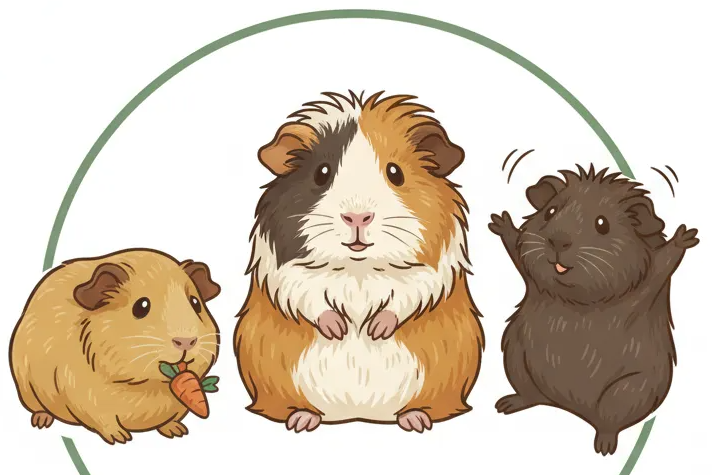
What to Feed Your Baby Guinea Pig: A Complete Nutrition Guide
Hello CavyFam! Bringing home a new baby guinea pig is so exciting, but figuring out their diet can feel a little overwhelming. You want to give them the best start, and that begins with the right food.
In this guide, I’ll walk you through everything you need to know, including the best types of hay and pellets, introducing fresh veggies safely, setting up a proper feeding schedule, and which foods to strictly avoid. This advice comes from my own years of caring for guinea pigs like my gentle boy, Pepper, and I’m here to make it simple for you.
The Foundation of a Baby Guinea Pig Diet
A balanced diet isn’t just about filling their belly; it builds the foundation for a long, healthy life. Proper nutrition in the first few months directly supports their rapid bone development, organ function, and immune system strength. I’ve seen the difference it makes with my own guinea pigs-Pepper grew into such a sturdy, healthy adult because we got his early diet right.
Key Components for Growing Piggies
- Alfalfa Hay: This is the superstar for babies. It’s rich in calcium and protein, which are vital for their growing bones and bodies.
- Timothy Hay: While alfalfa is the main event, introducing Timothy hay early helps their digestive system get used to the high fiber they’ll need as adults.
- Guinea Pig Pellets: Look for pellets specifically formulated for young guinea pigs. They are fortified with extra vitamin C, which is crucial since their bodies can’t produce it.
- Fresh Greens: Introduce small amounts of mild greens to acquaint them with a variety of textures and nutrients.
The Weaning and Transition Process
Baby guinea pigs will start nibbling on solid food within days of birth while still nursing. Weaning is a natural, gradual process where they slowly rely less on their mother’s milk and more on hay and pellets. This transition is part of normal guinea pig eating habits. By about three weeks old, they are typically eating solid food proficiently. I remember watching Clover, my Abyssinian, carefully mimic her mother’s eating habits-it was a beautiful process to witness.
Observing Their Eating Habits
Spend a few quiet moments each day just watching them eat. You’ll learn their individual preferences and notice immediately if one isn’t eating as enthusiastically as the others. This is how I spotted that Biscuit, my Peruvian, was a slower eater and needed a quieter spot away from the more enthusiastic pigs during mealtime. Early observation helps you catch any potential health issues before they become serious. It can also reveal any food aggression at mealtimes, so you can adjust routines to keep meals peaceful. Simple steps like separate bowls or staggered feeding can help manage mealtimes more calmly.
Essential Foods for Your Young Guinea Pig
Knowing exactly what to offer makes mealtime both safe and exciting. Providing a variety of these essential foods ensures they get a full spectrum of vitamins and minerals. My pigs get visibly excited when they hear the rustle of the fresh greens bag-it’s one of the best parts of my day.
Safe and Nutritious Staples
- Alfalfa Hay: Unlimited access. Think of it as their milk replacement, packed with calcium for strong bones.
- Timothy Hay: Offer this alongside alfalfa. Its high fiber content is essential for a healthy, moving digestive system.
- Fortified Pellets: A small, measured amount daily. Check the label to ensure Vitamin C is included to prevent scurvy.
- Fresh Greens: Romaine lettuce, cilantro, and bell peppers (all colors!) are fantastic, vitamin-rich daily options.
Delicious Fresh Foods to Offer
Variety is the spice of life, even for a guinea pig! Introduce new greens one at a time and in small quantities to avoid upsetting their sensitive stomachs. When planning a guinea pig-friendly diet, choose safe vegetables and greens and introduce them gradually. Good options include romaine lettuce, cilantro, and parsley. I always wash everything thoroughly to remove any pesticides.
- Great Daily Greens: Romaine lettuce, cucumber slices, bell peppers (seeds removed), and carrot tops.
- Fruits as Occasional Treats: A tiny cube of apple (no seeds!), a single blueberry, or a small slice of strawberry. Fruit is high in sugar, so offer it only once or twice a week.
A Simple Guinea Pig Food Chart
You can create a visual guide right on your fridge. Use a small whiteboard or a piece of paper to draw a simple chart with three columns: “Every Day,” “A Few Times a Week,” and “Special Treats.” This helps everyone in the family remember what’s safe to feed. Under “Every Day,” list alfalfa hay, pellets, and romaine lettuce. In “A Few Times a Week,” put cilantro and cucumber. “Special Treats” is for that small piece of apple or a blueberry. It’s a system that has worked wonderfully for keeping my trio healthy and happy.
How Much to Feed and When: Portions and Schedule
-
Step 1: Ensure fresh hay availability at all times for constant grazing
I keep a massive pile of timothy hay in their enclosure so my guinea pigs, Pepper and Clover, can munch whenever they feel like it. Their digestive systems need that constant fiber to keep moving properly.
-
Step 2: Offer a small handful of pellets daily, tailored to age and size
A quarter cup of high-quality, alfalfa-based pellets is perfect for my young pig, Biscuit, to support his rapid growth. For my older adults, I switch to a timothy-based pellet to manage their weight. So which is right for your guinea pig—timothy hay vs alfalfa pellets—depends on life stage and growth goals. In general, alfalfa pellets suit growing youngsters, while timothy pellets suit adults.
-
Step 3: Introduce fresh vegetables in small meals, once or twice a day
I serve a small dish of leafy greens like romaine lettuce and cilantro in the morning and another in the evening. This prevents their sensitive stomachs from getting overwhelmed.
-
Step 4: Maintain a consistent feeding schedule to support digestion
My trio knows that 8 AM and 6 PM mean fresh veggies are coming, and this predictability keeps their gut health stable. A routine makes them feel secure and prevents digestive upsets.
-
Step 5: Always provide clean, fresh water in a secure bowl
I use a heavy ceramic bowl that can’t be tipped over, and I refresh the water completely every single day. Proper hydration is just as vital as the food they eat.
Adjusting Portions as Your Guinea Pig Grows
-
When Biscuit was a tiny baby, he needed unlimited alfalfa pellets and hay, but as he approaches six months, I’m slowly transitioning him to the adult diet. Young pigs under six months need more calorie-dense food for development.
-
Watch for a rounded, firm belly as a sign of good health; a sunken abdomen or visible spine can signal underfeeding. Conversely, if your pig is leaving a lot of pellets uneaten or gaining too much weight, you might be overfeeding.
Vitamin C: A Must-Have for Healthy Development
-
Guinea pigs cannot produce their own vitamin C, so a dietary source is non-negotiable for preventing scurvy and ensuring proper growth. I learned this the hard way years ago and now prioritize it above all else. To help them reliably meet their needs, I supplement their water with vitamin C solution daily.
-
The best daily sources I use are a slice of green bell pepper, a small broccoli floret, a sprig of fresh parsley, and high-quality fortified pellets. Bell peppers are a particular favorite in my herd and are incredibly reliable.
-
A vitamin C deficiency often shows up as a rough, unkempt coat, low energy where they don’t popcorning, or a reluctance to eat. If you see these signs, it’s time to reassess their diet immediately.
-
I make it a rule to include at least one high-vitamin C vegetable in every single one of their two daily veggie meals. This consistent, daily incorporation is far more effective than occasional large doses.
Foods to Avoid for Baby and Young Guinea Pigs
Just like human babies, young guinea pigs have developing digestive systems that can’t handle certain foods. Their small bodies are especially vulnerable to ingredients that cause gas, bloating, or toxicity. I learned this the hard way when a tiny piece of onion made one of my first young cavies very sick. Farting or burping can be part of a guinea pig’s digestive process as their systems grow, which is one of the guinea pig digestive facts new owners should know.
Harmful Items and Their Risks
Some foods create immediate problems, while others cause slow damage over time.
- Onions and Garlic: These contain compounds that can destroy a guinea pig’s red blood cells, leading to life-threatening anemia. Even a small amount is dangerous.
- High-Sugar Fruits (like grapes or bananas): Too much sugar disrupts their delicate gut bacteria. This imbalance often leads to painful diarrhea and bloating. I only offer these as tiny, rare treats for my trio.
- Kale in Excess: While nutritious, kale is high in calcium and oxalates. Feeding it daily can contribute to the formation of bladder stones, a serious and painful condition. I rotate it with other greens instead.
Quick Reference: Unsafe Foods
Keep this list handy to protect your young cavy.
- Potatoes and their peels
- Beans and legumes
- Dairy products (yogurt drops, cheese)
- Meat or animal products
- Chocolate and candy
- Avocado
- Rhubarb
- Seeds and pits from fruits
Common Mistakes in Guinea Pig Feeding
Many new owners unintentionally make these errors. I certainly did when I first brought Pepper home.
- Avoiding Human Foods: Our snacks are often too salty, sugary, or fatty. Stick to fresh, plain vegetables and specially formulated pellets to keep their digestion smooth.
- Steering Clear of Dry Grains and Fatty Treats: Seed mixes and yogurt-covered snacks are like junk food for guinea pigs. They promote obesity and offer little nutritional value. Biscuit became a bit pudgy on these before I switched his diet.
Always check pellet ingredients for fillers like corn or added sugars; the first ingredient should be a grass hay like timothy. A high-quality pellet makes a world of difference in their energy and coat health.
Special Considerations for Pregnant Guinea Pigs
Pregnancy demands more from a cavy’s body. Her diet must support both her health and the growth of her pups.
Dietary Adjustments for Expectant Mothers
A pregnant guinea pig needs a careful balance of increased nutrients without excessive weight gain.
- Increased Alfalfa Hay: I mix alfalfa hay with their usual timothy hay. The extra calcium and protein in alfalfa are crucial for developing strong bones in the babies and maintaining the mother’s health.
- More Vitamin C-Rich Veggies: Pregnancy increases the need for this vital nutrient. I offer extra bell peppers and a little parsley daily. Vitamin C is not stored in their bodies, so a consistent daily supply is non-negotiable.
Nutrient Balance is Key
It’s tempting to overfeed, but moderation is still important. You are aiming for nutrient-dense foods, not simply more food. An overweight mother can have a difficult pregnancy and delivery.
From my experience caring for a pregnant Clover, I found that splitting her daily vegetables into three smaller meals helped her eat consistently without feeling overwhelmed. Observing her eating habits closely allowed me to adjust portions to keep her energetic and at a healthy weight. She always had a hearty appetite for her alfalfa mix, which was a great sign.
FAQs
Where can I find a printable PDF food chart for my guinea pig?
Printable PDF food charts are available on many reputable guinea pig care websites and forums. Always verify the source to ensure it provides accurate, vet-approved information for your pet’s diet. These charts should include daily calorie requirements and recommended portion sizes to help maintain a healthy weight. Knowing your guinea pig’s daily calorie needs can guide feeding choices and prevent obesity or malnutrition.
What is the best place to buy guinea pig food near me?
You can purchase guinea pig food at local pet stores, farm supply shops, or large retailers like Walmart. Online stores also offer a wide selection and convenient home delivery options for bulk purchases. To save money without compromising quality, compare price per pound and choose trusted store brands with similar nutrition. Buying in bulk from reputable sellers and taking advantage of sales or loyalty programs can lower costs while still meeting your guinea pig’s dietary needs.
Why should I use a food bowl that attaches to the cage?
Attachable food bowls help prevent spills and keep the feeding area tidy by securing the bowl in place. They are ideal for energetic young guinea pigs who might tip over standard bowls during play. Why do guinea pigs flip their food bowls and how to stop it.
Your Guinea Pig’s Healthy Feeding Journey
From raising Pepper, Clover, and Biscuit, I’ve seen how the right diet shapes a happy, energetic pet. Focus on unlimited timothy hay, fresh vegetables rich in vitamin C, and age-appropriate pellets to support their rapid growth and well-being.
Staying curious about guinea pig care helps you make better choices for their health and the planet. Embrace eco-friendly options like biodegradable bedding or locally sourced veggies to reduce waste and nurture a sustainable home for your furry friends. Plus, this ties into our ultimate guide on safe bedding options for guinea pigs. It highlights practical choices and tips to keep their sleeping space comfy and safe.
Further Reading & Sources
- How Much Should I Feed Baby Guinea Pigs? | Feeding Guinea Pigs
- RVC Exotics Service Royal Veterinary College Royal College Street London
- The Guide to Caring for Baby Guinea Pigs
- Feeding your guinea pigs – why they don’t need life stage food | Guinea Pig Awareness Week
Kate is a passionate guinea pig owner and advocate for small pet welfare. With over a decade of experience caring for guinea pigs, she has become a trusted voice in the small pet community.
Uncategorized