Guinea Pig Reproduction: When Do They Reach Maturity?
Hello CavyFam! Are you wondering when your guinea pig hits maturity and what that means for their health and behavior? It’s a common worry for owners aiming to prevent accidental breeding and keep their pets happy.
In this article, I’ll explain the typical age ranges for maturity, key signs to watch for, breeding considerations, and essential care tips. Having raised guinea pigs like gentle Pepper and graceful Clover for years, I’ve gathered firsthand knowledge to help you navigate this stage confidently.
Understanding Guinea Pig Puberty and Sexual Maturity
Guinea pigs mature much faster than many new owners expect. This rapid development means you must be prepared for potential breeding far earlier than anticipated. I learned this firsthand when my first guinea pig, Pepper, surprised me with her early maturity.
Males, or boars, can become sexually capable as young as 3 weeks old. Females, or sows, often follow closely behind. This precocious nature is a key reason for separating sexes before they even reach one month of age. Their bodies are ready for reproduction long before they are fully grown adults.
Full physical and social maturity takes longer. A guinea pig isn’t considered a fully developed adult until they are around 6 to 8 months old. This creates a crucial window where they are physically able to reproduce but are still essentially juveniles themselves. In terms of a growth timeline, you can expect development to unfold month by month during the first year. Tracking milestones by month helps caregivers anticipate changes in size, behavior, and care needs.
Female Guinea Pig Reproductive Development
Watching my sow, Clover, grow taught me the subtle signs of a maturing female. Female guinea pigs typically experience their first heat cycle between 4 and 8 weeks of age. This cycle, or estrus, repeats approximately every 15 to 17 days.
You might notice specific behavioral changes signaling this stage.
- A distinct increase in rumbling or purring sounds.
- A subtle swaying or wiggling motion of her hips.
- She may become more restless and active in her enclosure.
- Her interest in male guinea pigs, if housed nearby, will become obvious.
Breeding a female before she is 5 to 6 months old carries significant health risks. Her pelvic bones do not fully fuse until this age. An early pregnancy can lead to dystocia, a life-threatening condition where the pups cannot pass through the birth canal.
From my experience, a female’s personality can also shift slightly during these cycles. My gentle Clover becomes more assertive, while the usually reserved Biscuit seeks more attention. Understanding these cycles helps you provide better, more empathetic care for your growing sow.
Male Guinea Pig Reproductive Milestones
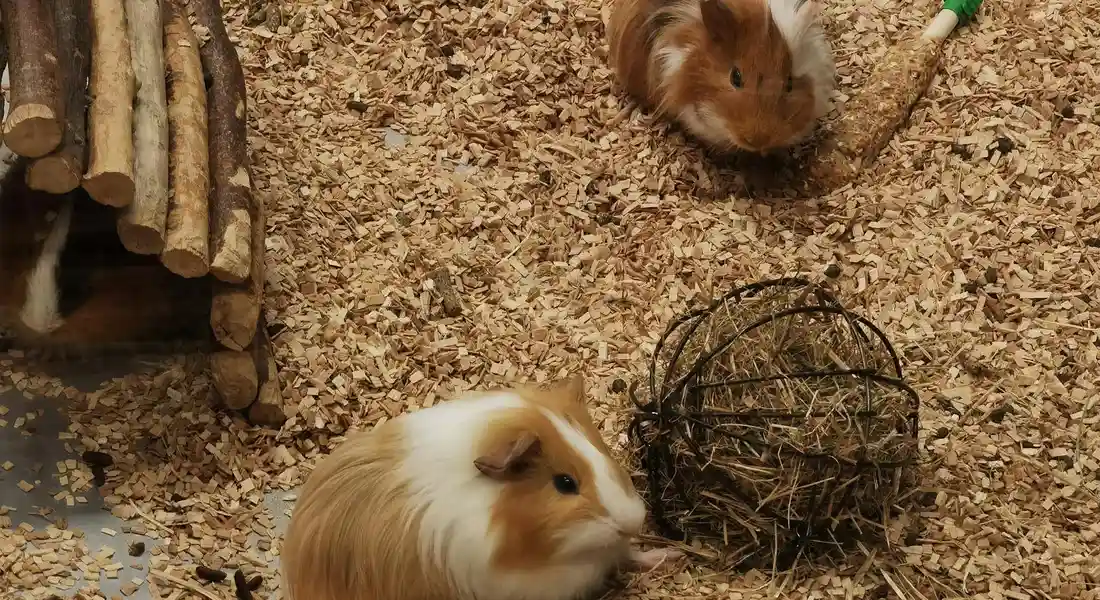
Male guinea pigs, or boars, develop at a surprisingly fast pace. My boar Pepper began showing signs of maturity right around the 3 to 4-week mark, which is much earlier than many new owners expect. While they are not fully grown, their reproductive system is often active.
Behavioral Signs of Male Maturity
You’ll notice distinct changes in your boar’s behavior as he matures. These actions are his natural way of establishing dominance and signaling he is ready to mate. From my experience with Pepper and observing others, here are the most common signs:
- Rumbling and Strutting: A low, vibrating rumble often accompanies a side-to-side walk, a clear display of confidence.
- Mounting: He may attempt to mount cage mates, regardless of their sex, as a dominance behavior.
- Scent Marking: Dragging his bottom across the floor to leave scent trails from his anal gland.
- Increased Vocalization: More frequent wheeking and purring, especially when he senses a female nearby.
- Testicle Development: His testicles will become clearly visible, usually by 2-3 months of age.
Breeding Age Considerations for Guinea Pigs
Knowing when they can reproduce is different from knowing when they should. Responsible breeding requires waiting until both the boar and sow are physically and developmentally ready. Rushing this process can lead to severe health complications.
The safest guideline is to wait until the female is at least 4 to 6 months old. This allows her skeleton, particularly her pelvis, to fully develop and widen. For males, while they can impregnate a female very young, it’s best to wait until they are a stable 3-4 months old to ensure they are healthy and robust.
Risks of Early Pregnancy in Young Sows
Breeding a sow too young is one of the most dangerous situations in guinea pig care. I’ve spoken with rescues that see too many tragic cases where a young mother doesn’t survive delivery. The primary risk involves her pelvic bones.
- Pelvic Bone Fusion: A sow’s pelvic bones fuse between 9 and 12 months of age. If she becomes pregnant before this fusion, the bones cannot separate enough for the large pups to pass.
- Dystocia (Obstructed Labor): This is the direct result of an underdeveloped pelvis and almost always requires an emergency, high-risk C-section.
- Stunted Growth: The immense nutritional demands of pregnancy can permanently stunt the young mother’s own growth and development.
- Higher Mortality Rates: Both the young sow and her pups face a significantly higher risk of death during or shortly after birth.
Think of it like a human teenager having a baby; her body simply isn’t ready for the immense physical strain. Waiting for full maturity is a critical act of animal welfare that protects the life and health of the mother.
Guinea Pig Reproductive Lifespan and Fertility
Guinea pigs remain fertile for a surprisingly long portion of their lives. Females can typically have healthy litters until they are around four or five years old, though their peak fertility is earlier. I’ve observed this gradual change with my own older sow, whose maternal instincts remained strong even as her body slowed down.
Optimal Breeding Window for Healthy Litters
The ideal time for a female to have her first litter is between four and seven months of age. Breeding too early, before her pelvic bones have fully developed, can lead to serious and often fatal birthing complications. Waiting much beyond a year for a first litter can also be problematic, as the pelvic bones may begin to fuse, creating the same dangerous scenario.
This “golden window” ensures the mother is physically mature enough to handle pregnancy and delivery safely. Planning for a litter requires careful consideration of the sow’s age and overall health to prioritize her wellbeing above all else.
Managing Guinea Pigs During Sexual Maturity
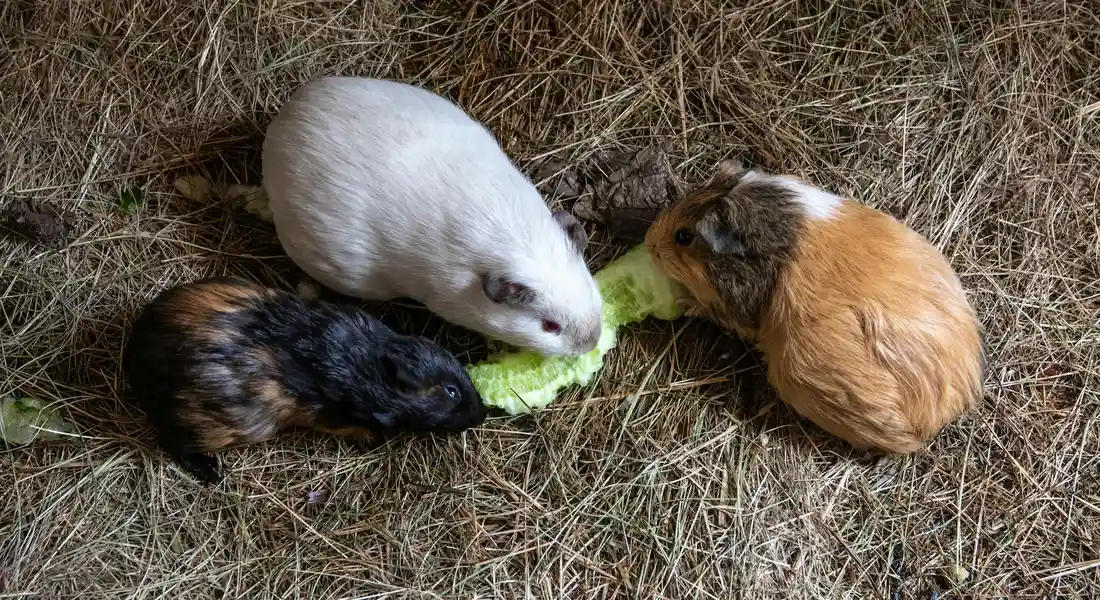
When your guinea pigs hit puberty, their dynamics can shift dramatically. You might notice increased mounting, rumbling, chasing, or even minor squabbles as they establish a new social order. Understanding guinea pig dominance behaviors helps you read these signals and support a healthy hierarchy. By observing who leads, who submits, and how conflicts are resolved, you can intervene calmly to keep everyone safe and stress-free. This is a natural process, but it requires your attentive management to keep everyone safe and stress-free.
Step-by-Step Separation Protocol
- Identify signs of approaching maturity. Watch for males (“boars”) developing a more prominent bulge near their rear, and both sexes becoming more vocal and active. My boar, Pepper, started doing a funny little “rumble strut” everywhere he went.
- Prepare separate living spaces in advance. Have a second cage or a secure divider ready before you actually need it. This prevents a panicked, last-minute separation that can heighten stress for you and your pets.
- Implement safe introduction techniques if they must interact. Always use a neutral area, like a playpen on the floor, and provide plenty of hiding spots and veggies to distract them. Supervise all interactions closely.
- Monitor for stress or behavioral issues after separation. Look for signs like refusing food, excessive hiding, or a lack of normal vocalizations. A temporary drop in appetite can be normal, but it shouldn’t last more than a day.
- Adjust care routines as needed. Separated guinea pigs still need social interaction. Spend more one-on-one time with each, or consider housing them in side-by-side cages where they can see and smell each other safely, which worked wonders for my pair, Clover and Biscuit.
Health Monitoring During Reproductive Years
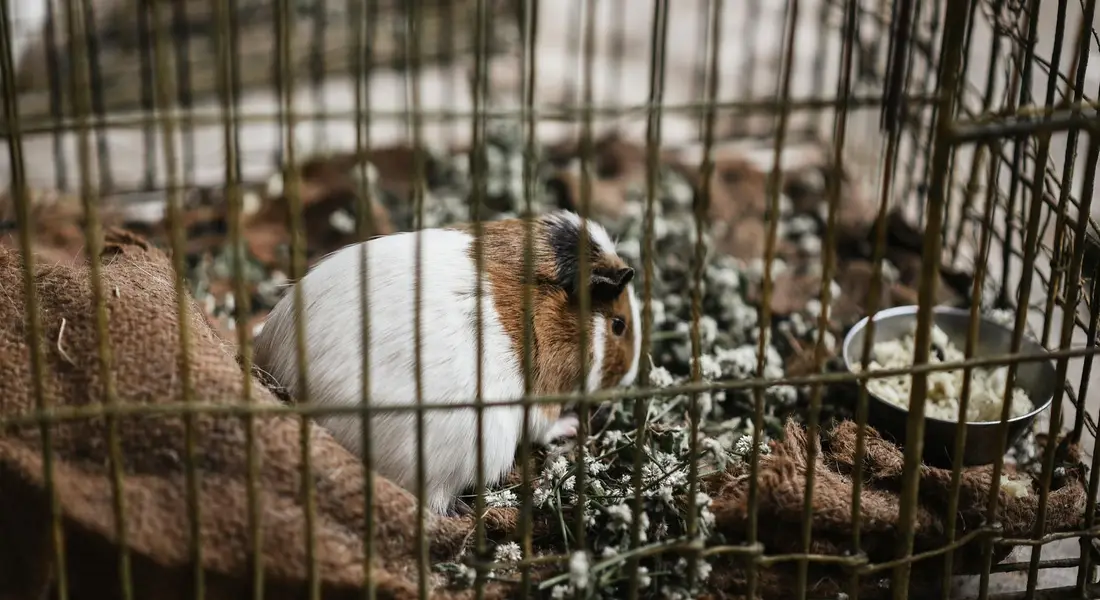
Keeping a close watch on your guinea pig’s health during their reproductive prime is one of the most responsible things you can do as an owner. I’ve found that a proactive approach helps catch small issues before they become big, stressful problems for both you and your pet. This period demands extra vigilance. During health checks, handle your guinea pig gently and securely, supporting its chest and hindquarters. Keep the pig close to your body to reduce stress and prevent sudden movements.
Regular Health Check Parameters
You should perform a simple, gentle health check on your guinea pig at least once a week. Making this a calm, routine part of your care builds trust and helps you learn what is normal for your specific pig. This simple check is a staple on the weekly guinea pig care routine ultimate checklist for owners. Keeping to it every week helps you spot subtle changes early. My pig, Pepper, is so used to it now she just settles right in for her mini check-up.
Here are the key things to monitor closely:
- Weight: Weigh your guinea pig weekly using a kitchen scale. Sudden weight loss can signal illness, while in females, a steady gain might indicate pregnancy.
- Appetite and Hydration: Notice any changes in how much they eat or drink. A drop in appetite is often the first sign something is wrong.
- Activity Level: Is your usually lively pig suddenly lethargic? Or is a typically calm pig unusually restless? Both shifts warrant attention.
- Breathing: Listen for any wheezing, clicking, or labored breathing, which can point to respiratory infections.
For females, you need to be extra observant. Female guinea pigs are prone to reproductive cancers and life-threatening pregnancy complications, making regular vet exams non-negotiable. My graceful Clover gets a thorough check-up every six months. When you bring a new guinea pig home, schedule its first veterinary check-up soon after the move to establish a health baseline. This initial visit helps you plan future care and screenings.
- Watch for any unusual vaginal discharge or bleeding.
- Gently feel her abdomen for any unusual lumps or swelling.
- Monitor her closely for signs of dystocia (difficult birth) if she is pregnant, such as prolonged, unproductive straining.
For males, the concerns are different but just as important. Check the perineal sac regularly for a buildup of debris and “boar glue,” a natural but sticky secretion that can cause impaction if not cleaned. My intelligent but reserved Biscuit requires this care to stay comfortable.
FAQs
What are the key indicators that a guinea pig has reached full adulthood?
A fully mature guinea pig usually stops growing in size and maintains a stable weight. Their behavior becomes more consistent, with less of the erratic activity common in younger pigs.
How does the maturity level of a guinea pig influence its market price?
Mature guinea pigs often cost less than young ones because they are past the high-demand baby stage. However, prices can vary based on breed, health, and whether they are already trained or socialized. To answer ‘how much do guinea pigs cost,’ a complete price breakdown helps. It covers upfront costs, ongoing care, and accessories.
Should I consider adopting a mature guinea pig instead of a young one?
Adopting a mature guinea pig can be rewarding as they may already have settled personalities and basic training, especially when compared to adopting a baby guinea pig. It also helps reduce overpopulation and gives an older animal a loving home.
What health issues are prevalent in guinea pigs as they age past maturity?
Older guinea pigs are more prone to dental problems, arthritis, and obesity due to slower metabolism. Regular vet check-ups and a balanced diet are essential to manage these age-related conditions.
Is spaying or neutering recommended for guinea pigs after they reach sexual maturity?
Spaying or neutering can prevent unwanted litters and reduce risks of reproductive cancers, especially in females. Consult a vet experienced with small animals to discuss the procedure’s timing and benefits.
Caring for Your Maturing Guinea Pig
Guinea pigs can breed as early as four weeks, so separate males and females promptly to prevent unwanted pregnancies. I always monitor my guinea pigs like Pepper and Biscuit for signs of maturity, ensuring they have a balanced diet and regular vet check-ups. This way, I can prevent unwanted mating in their cage.
Responsible ownership means committing to lifelong learning about guinea pig health and eco-friendly practices, like using sustainable bedding. By staying informed and making mindful choices, you provide a safer, happier life for your pets and help protect our planet.
Further Reading & Sources
- Guinea Pig Life Cycle – Reproduction – Pregnancy – Breeding
- Guinea Lynx :: Reproduction
- Breeding and Reproduction of Guinea Pigs – All Other Pets – Merck Veterinary Manual
- How do guinea pigs breed? – RSPCA Knowledgebase
Kate is a passionate guinea pig owner and advocate for small pet welfare. With over a decade of experience caring for guinea pigs, she has become a trusted voice in the small pet community.
Uncategorized