How to Bond with Your Guinea Pig and Build a Long-Term Relationship
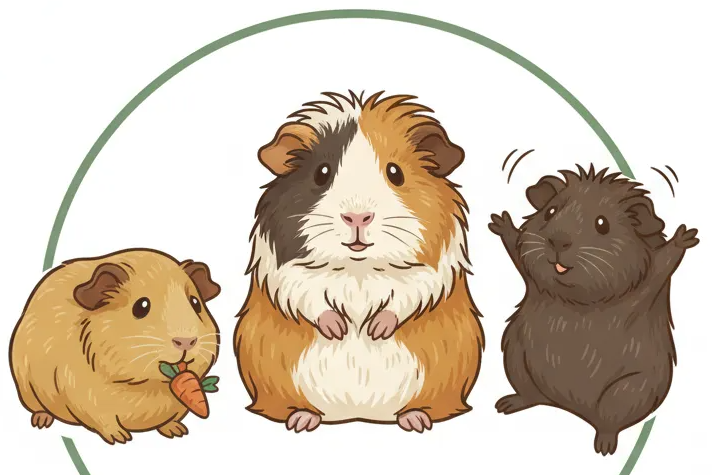
Hello CavyFam! Are you struggling to connect with your guinea pig and worried they might never warm up to you? I felt the same when I first brought home my trio-Pepper, Clover, and Biscuit-but with patience, I learned the secrets to earning their trust.
In this article, I’ll guide you through understanding guinea pig behavior, safe handling techniques, daily bonding activities, creating a comfortable habitat, and recognizing signs of a strong bond. My years of hands-on experience with guinea pigs like Pepper, Clover, and Biscuit have taught me how to build lasting, joyful relationships with these gentle pets.
Understanding the Importance of Guinea Pig Bonding
Bonding with your guinea pig is like building a friendship that grows over time. My guinea pigs, Pepper, Clover, and Biscuit, each responded differently to bonding efforts, showing me how unique their personalities are. When you invest in this connection, you help reduce their stress and make them feel secure.
Guinea pigs are social animals that thrive on companionship and gentle interactions. Ignoring bonding can lead to loneliness, which might cause health issues or behavioral changes in your pet. Prolonged loneliness can cause severe stress that worsens health, and in extreme cases may shorten a guinea pig’s life. This is why regular bonding time and a compatible companion are essential. I noticed Clover became more graceful and thoughtful as we spent quiet moments together.
- Strengthens trust and reduces fear responses
- Encourages natural behaviors like vocalizing and exploring
- Supports overall mental and physical health
Through my years of caring for guinea pigs, I’ve seen how bonding transforms shy pets into confident companions. Biscuit started reserved, but now she eagerly approaches me for treats and gentle strokes. This process isn’t just about taming-it’s about mutual respect and understanding.
Creating a Calm Environment for Trust-Building
Start by setting up a quiet space where your guinea pig feels safe from loud noises and sudden movements. I always place their cages in low-traffic areas of my home to minimize stress. Guinea pigs are sensitive to loud noises and may react to sudden sounds. They might freeze, squeal, or seek shelter when startled. Use soft bedding and hideaways so they can retreat when needed.
Lighting and temperature play big roles in keeping your pet comfortable. Avoid bright lights and drafty spots to help your guinea pig relax and focus on bonding with you. I use natural light for Pepper’s cage, which seems to keep her calm and steady. They don’t need direct sunlight to stay healthy—bright indirect light helps regulate their day-night cycle, while direct sun can overheat or burn their skin.
- Choose a consistent spot for interactions to build routine
- Add familiar items like their favorite toys or tunnels
- Speak in a soft, reassuring tone to soothe them
In my experience, a calm environment makes trust-building much smoother. When I introduced Clover to handling, I did it in a peaceful room with minimal distractions, and she adapted quickly. Always prioritize their comfort to foster a lasting bond.
Gentle Handling and Daily Interaction Techniques
Step-by-Step Guide to Building Trust
Building a deep connection with your guinea pig starts with patience and daily effort. I’ve seen with my own guinea pigs, like gentle Pepper, that consistent, calm interactions lay the groundwork for a trusting relationship. So, what are the common bonding behaviors, and what do they mean? Understanding these cues helps you read your pig’s comfort and response to your presence.
- Sit quietly near their enclosure daily to let them acclimate to your presence without pressure.
- Offer high-value treats from your hand, such as fresh veggies, to create positive associations.
- Progress to gentle chin strokes once they seem comfortable, avoiding sudden movements.
- Begin short lap sessions in a bonding scarf to provide security and closeness during handling.
When I first tried this with Biscuit, who was initially reserved, the slow approach made him more curious and less fearful over time. Always prioritize their comfort to prevent stress and build mutual trust.
Interpreting Guinea Pig Communication and Body Language
Guinea pigs express themselves through a variety of sounds and physical cues. Learning to read these signals helps you respond appropriately and deepens your bond with your pet. In this complete guide to guinea pig vocalizations, we explain what each sound means and how to respond. By understanding their calls, you can better support your pig’s comfort and wellbeing.
Common Vocalizations and Their Meanings
- Wheeking: A high-pitched, excited sound often indicating hunger or anticipation-Clover wheeks loudly when she hears the rustle of a treat bag.
- Purring: Can signal contentment or mild irritation; observe their posture-a relaxed purr from Pepper means she’s enjoying the moment.
- Chutting: Soft, repetitive noises that show curiosity or exploration, commonly heard during play or investigation.
Key Body Language Cues to Watch For
- Popcorning: Joyful leaps and twists that indicate happiness-Biscuit often popcorns after a fresh bedding change.
- Freezing or Hiding: Signs of fear or stress; give them space and speak softly to reassure them without forcing interaction.
- Relaxed Posture: Lying down with legs tucked and eyes half-closed shows they feel safe and content in their environment.
By tuning into these behaviors, you can better meet their needs and avoid misunderstandings. Respecting their communication styles fosters a happier, healthier life for your guinea pig, as you understand their personality and temperament.
Practical Tools for Successful Bonding Sessions
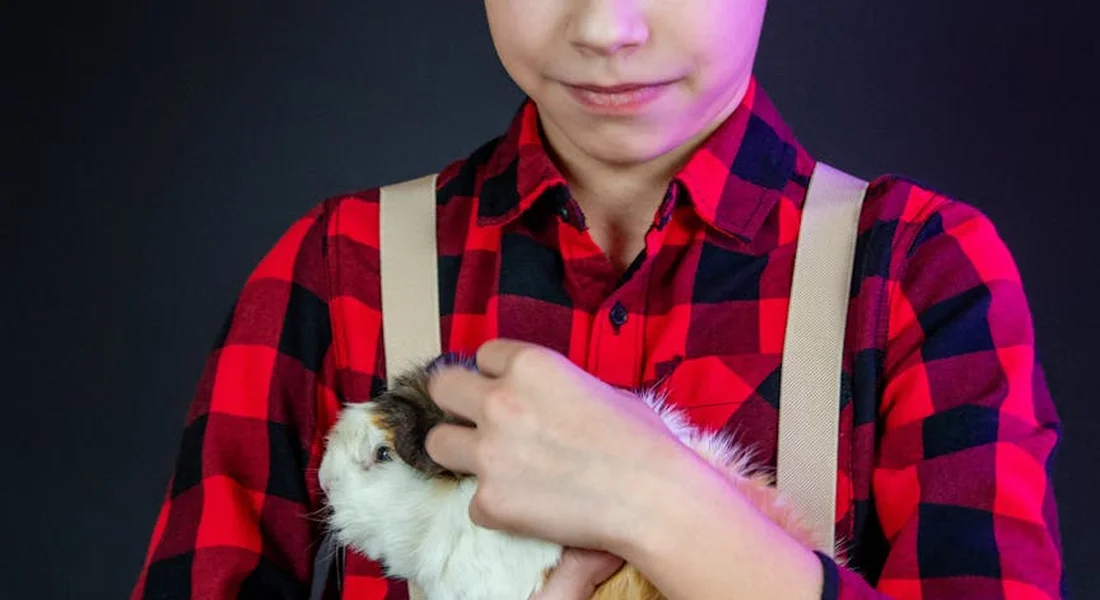
Building trust with your guinea pig starts with simple, consistent actions that show you care. I found that using a soft, fleece-lined cuddle sack made Pepper feel secure during our first interactions, which sped up our bonding process. Understanding their emotions helps answer the question of whether guinea pigs bond with their owners. When you tune into their cues—soft squeaks, purrs, and staying close—you’ll see love and trust grow. Always approach your pet slowly and speak in a calm, gentle voice to avoid startling them.
Offering treats by hand is a powerful way to create positive associations. Clover, my Abyssinian, learned to recognize my scent and voice through daily veggie rewards like cucumber slices or bell peppers. Start with small pieces to prevent overfeeding and build excitement for your visits.
- Use a cozy hideaway or tunnel for safe exploration during floor time.
- Incorporate gentle petting sessions, focusing on areas like behind the ears.
- Keep bonding sessions short-5 to 10 minutes-to prevent stress.
Guinea pigs communicate through sounds and body language, so pay close attention to their cues. Biscuit, my Peruvian, would softly purr when content, helping me understand when she was ready for more interaction. By learning to interpret common guinea pig behaviors and body language, you can respond more effectively to their needs. Watch for posture, ear position, and vocal cues to gauge mood. Avoid loud noises or sudden movements to keep the environment peaceful.
Maintaining Your Long-Term Relationship Through Routine
Consistency is key to deepening your bond over time. Establishing a daily feeding and play schedule helps your guinea pig feel secure and anticipate your presence. I made it a habit to spend quiet time with each of my pigs in the morning and evening, which strengthened our connection.
Regular handling and grooming sessions build trust and keep your pet healthy. Brushing Biscuit’s long fur weekly not only prevented mats but also gave us quality one-on-one time. Use this opportunity to check for any health issues like overgrown nails or skin irritations.
- Set aside dedicated time each day for interaction, even if it’s just sitting near their cage.
- Rotate toys and hideouts to keep their environment stimulating and engaging.
- Involve them in household routines, like supervised floor time while you read or relax.
Eco-friendly choices, like using recycled paper bedding, show care for their well-being and the planet. Switching to safe, natural materials reduced dust and made Pepper’s living space more comfortable. Always prioritize products that are non-toxic and sustainably sourced.
Common Bonding Challenges and Solutions
Many owners face hurdles like shyness or fear when bonding with their guinea pigs. If your pig hides or runs away, try sitting quietly nearby with a treat to encourage curiosity without pressure. I remember Clover took weeks to approach me, but patience paid off.
- Challenge: Nipping or teeth chattering. Solution: Respect their space and avoid forcing interaction; offer treats from a distance first.
- Challenge: Lack of interest in play. Solution: Introduce new, safe toys or hide veggies for foraging to spark engagement.
- Challenge: Stress from loud environments. Solution: Move their cage to a quiet area and use soft background music to soothe them.
Health issues can also affect bonding, so monitor for signs like lethargy or loss of appetite. Properly caring for guinea pigs means maintaining clean housing, a balanced diet, and gentle daily handling. These basics support health and bonding. Regular vet check-ups ensure your guinea pig stays happy and responsive to your efforts. Advocating for their welfare means addressing problems early to maintain a strong relationship.
FAQs
What is a guinea pig bonding pouch and how does it help?
A guinea pig bonding pouch is a soft, wearable carrier that keeps your pet secure while allowing close contact with you. It helps build trust by making them feel safe and comfortable during daily interactions.
How can I make a guinea pig bonding scarf pattern?
You can create a simple bonding scarf by cutting fleece into a rectangle and sewing it into a loop with a pouch for your guinea pig to sit in. This DIY project offers a cozy, portable way to bond while keeping your hands free for other activities.
Are there professional services for guinea pig bonding near me?
Yes, some pet behaviorists or exotic veterinarians offer bonding services to help socialize shy or stressed guinea pigs. Check local directories or online forums to find experts who specialize in small animal care and bonding techniques.
Your Guinea Pig Bonding Adventure Awaits
Regular, gentle interactions and tasty, healthy treats form the foundation of trust with your guinea pig. Pay close attention to their unique cues and personalities to deepen your connection over time. Understanding their personality helps you see why guinea pigs can be excellent pets when you meet their needs. When you tailor care to their individual quirks, they become rewarding, engaging companions.
Commit to lifelong learning and eco-conscious choices, like opting for sustainable bedding or toys, to enhance their well-being. From my time with Pepper, Clover, and Biscuit, I’ve seen how small, thoughtful changes make a big difference in their happiness and our planet’s health.
Further Reading & Sources
- Guinea pig bonding basics | Animal Humane Society
- How to introduce guinea pigs – PDSA
- 20 best ways to bond with your guinea pigs
- Guinea Pig Companionship | Bonding with your guinea pigs | Guinea PIg Awareness Week
Kate is a passionate guinea pig owner and advocate for small pet welfare. With over a decade of experience caring for guinea pigs, she has become a trusted voice in the small pet community.
Uncategorized