Can Guinea Pigs Eat Fresh Green Beans?
Published on: October 9, 2026 | Last Updated: October 12, 2026
Written By: Kate M. Callahan
Hello CavyFam! You’re likely wondering if fresh green beans make a safe, tasty treat for your guinea pigs.
Many owners feel anxious about introducing new foods, worrying over digestive troubles or hidden dangers.
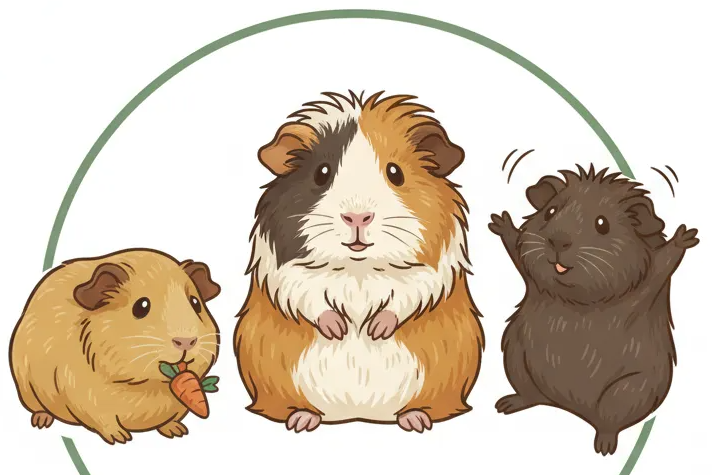
I’ll walk you through nutritional perks, safe serving sizes, possible risks, and easy preparation steps. Having cared for my guinea pigs Pepper, Clover, and Biscuit for years, I share advice rooted in daily life with these sweet companions.
Are Fresh Green Beans Safe for Guinea Pigs?
Yes, fresh green beans are a safe and healthy treat for your guinea pigs when fed in moderation. I’ve found that my own guinea pigs, like Pepper and Clover, enjoy nibbling on raw green beans without any issues, as long as I stick to small portions. Raw green beans contain natural compounds like oxalates, which in large amounts could contribute to bladder stones, but the levels in green beans are low enough that occasional feeding poses minimal risk. Cellulose, the fiber in green beans, actually supports digestion, but overfeeding might lead to bloating or gas-something I watch for with Biscuit, who has a sensitive stomach.
It’s crucial to avoid canned or processed green beans, as they often come with added salt, preservatives, or sauces that can harm your pet. Stick to fresh, raw options to keep your guinea pig’s diet natural and safe, just like I do for my furry friends. For an ideal overall diet for a healthy guinea pig, prioritize unlimited hay, daily fresh vegetables, and a small portion of fortified pellets.
- Always wash green beans thoroughly to remove pesticides or dirt.
- Serve them raw and uncooked to preserve nutrients.
- Introduce slowly to monitor for any digestive upset.
- Chop into bite-sized pieces to prevent choking hazards.
- Limit treats to a few times a week to avoid overconsumption.
What Parts of Green Beans Can Guinea Pigs Eat?
Guinea pigs can safely eat both the pods and the beans inside fresh green beans. In my experience, Pepper loves crunching on the whole pod, while Clover prefers the tender beans, making it a versatile snack. The entire fresh green bean is edible and packed with nutrients, but avoid any tough stems or wilted parts that could be hard to digest. Guinea pigs also enjoy leafy greens, especially romaine lettuce. Just like with beans, offer romaine in moderation as part of a varied diet.
- Pods: Crunchy and fiber-rich, great for dental health.
- Beans: Soft and nutrient-dense, easy to eat.
- Avoid stems or any spoiled sections to prevent issues.
Risks of Feeding Canned or Cooked Green Beans
Feeding canned or cooked green beans to guinea pigs is risky and best avoided. Canned varieties often contain high levels of sodium or preservatives that can lead to dehydration or kidney strain, which I’ve seen cause lethargy in other pets. Cooking green beans can break down some nutrients and introduce oils or seasonings that upset their delicate digestive systems.
Raw green beans retain their natural water content and vitamins, making them a healthier choice. Always opt for fresh, unprocessed options to support your guinea pig’s well-being, as I do to keep my trio happy and hydrated.
Nutritional Benefits of Green Beans for Guinea Pigs
Green beans offer a range of nutritional perks that support your guinea pig’s health, from digestion to overall vitality. High fiber content helps regulate their digestive system, and I’ve noticed Biscuit’s stools are more consistent when he gets these as a treat. The water content in fresh green beans aids in hydration, especially during warmer months, and the vitamins contribute to a shiny coat and strong immune function.
- Fiber: Promotes healthy digestion and prevents constipation.
- Water content: Keeps guinea pigs hydrated, reducing the risk of urinary issues.
- Low calories: Ideal for weight management without overfeeding.
- Personal example: Clover’s energy levels perk up after a green bean snack, and it’s a fun way to bond during feeding time.
Key Vitamins and Minerals in Green Beans
Green beans are rich in essential vitamins and minerals that play vital roles in your guinea pig’s health. Vitamin C is a standout nutrient, as guinea pigs can’t produce it themselves, and a deficiency can lead to scurvy-something I guard against by offering fresh veggies like green beans. Other key components support everything from bone strength to blood clotting.
- Vitamin C: Boosts immune function and prevents scurvy.
- Vitamin K: Aids in blood clotting and bone health.
- Potassium: Helps maintain proper heart and muscle function.
- Folate: Supports cell growth and overall development.
How to Feed Green Beans Safely and in Moderation
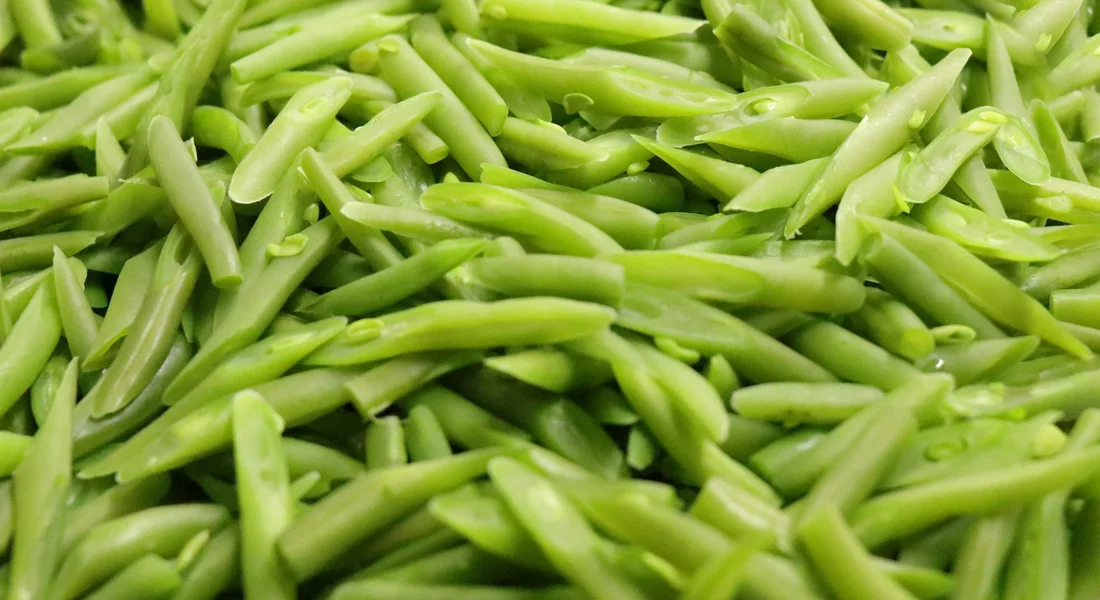
Feeding green beans to your guinea pig requires care to keep them healthy and happy. I always start slow and watch closely, just like I do with my own guinea pigs Pepper, Clover, and Biscuit.
-
Introduce green beans gradually to avoid upsetting their sensitive stomachs.
-
Offer small portions once or twice a week to prevent overfeeding.
-
Monitor for any changes in behavior or digestion after each feeding.
-
Set a weekly limit of one to two green beans per guinea pig to maintain balance.
-
Always wash beans thoroughly to remove pesticides, ensuring a safe treat.
Step-by-Step Introduction to Green Beans
-
Begin with a tiny piece, about half an inch long, to test their reaction. This cautious approach helps prevent digestive surprises, as I learned when introducing new foods to gentle Pepper.
-
Watch for signs like changes in appetite or energy over the next day. Observing closely for 24 hours lets you catch issues early, much like I do with thoughtful Clover.
-
Slowly increase the amount if they show no discomfort, adding a bit more each time. Gradual increases build tolerance without overwhelming their system.
-
Keep green beans as an occasional treat, not a daily staple. Limiting treats supports overall health and prevents nutrient imbalances.
Portion Size and Frequency Guidelines
-
For smaller guinea pigs like Biscuit, offer one small green bean pod per week. Adjusting portions based on size prevents weight gain and keeps them active.
-
Larger or adult guinea pigs, such as steady Pepper, can handle up to two pods weekly. Sticking to this range avoids overloading their diet with excess sugars.
-
Space out feedings, giving green beans no more than twice in a seven-day period. This frequency ensures variety without risking digestive upset.
-
Always chop beans into bite-sized pieces to reduce choking hazards. Small pieces make eating easier and safer for your pet.
Potential Risks and How to Manage Them
While green beans are generally safe, they come with risks that need attention. Being aware of these dangers helps you protect your guinea pig’s well-being, something I prioritize with all my pets.
-
Oxalates in green beans can contribute to bladder stones if fed too often. Limit intake to reduce this risk and support urinary health.
-
Overfeeding may lead to obesity or bloating, especially in less active pigs. Stick to recommended portions to maintain a healthy weight.
-
If your guinea pig shows signs of discomfort, stop feeding green beans immediately. Quick action can prevent minor issues from becoming serious. When it comes to greens, collard greens can be safe for guinea pigs in moderation. Start with a small portion and monitor their response.
-
Consult a vet if you notice persistent symptoms or if your guinea pig has a history of digestive problems. When handling your guinea pig for a health check, do so gently and securely, supporting the chest and hindquarters to minimize stress. Keep visits calm and brief. Professional advice ensures timely care and peace of mind.
Signs of Digestive Issues to Watch For
-
Diarrhea or loose stools indicate possible intolerance. This was a red flag I noticed once with reserved Biscuit, prompting me to adjust his diet.
-
Lethargy or reduced activity levels can signal discomfort. Watch for changes in energy, as even graceful Clover slows down when unwell.
-
Loss of appetite or refusal to eat other foods. Immediately remove green beans and offer hay and water to soothe their stomach.
-
Bloating or a distended belly requires urgent veterinary care. Don’t wait-prompt treatment can save your guinea pig from pain.
Comparing Green Beans with Other Vegetables
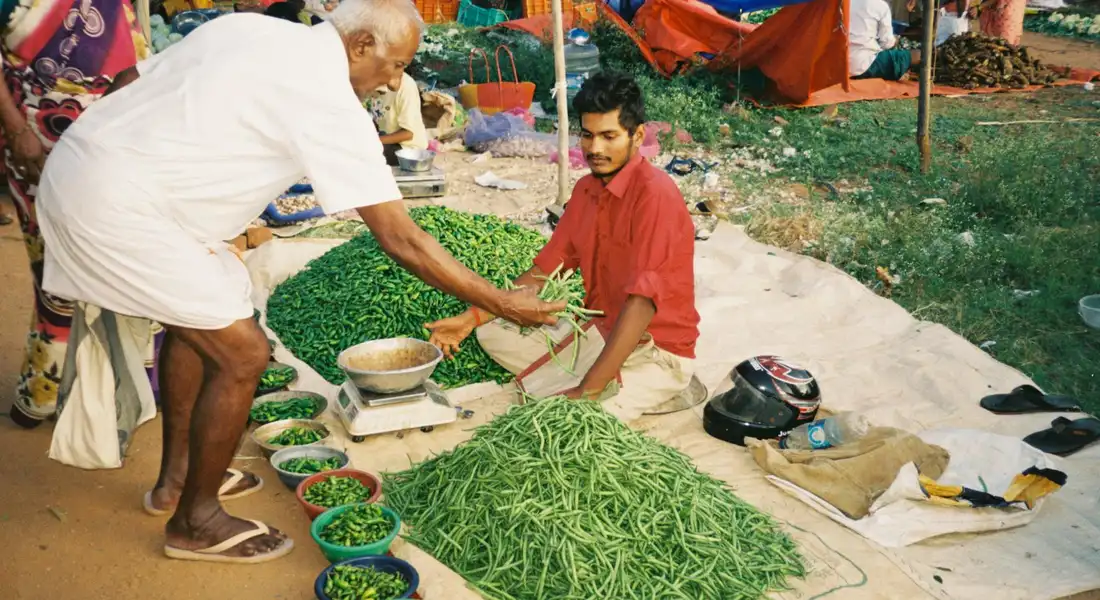
Understanding how green beans stack up against other veggies helps you diversify their diet wisely. I often compare options to ensure my guinea pigs get a mix of nutrients without excess risks.
| Vegetable | Nutrition Highlights | Safety Notes |
|---|---|---|
| Green Beans | High in fiber, low in sugar | Safe in moderation, watch for oxalates |
| Peas | Rich in protein and vitamins | Higher in sugar, feed sparingly |
| Carrots | Packed with vitamin A | High in sugar, limit to occasional treats |
Green Beans vs. Spinach and Broccoli
-
Green beans have lower oxalate levels than spinach, reducing kidney stone risks. This makes them a safer choice for regular variety in your guinea pig’s meals.
-
Broccoli offers more fiber but can cause gas if overfed. I balance both in my pets’ diets to avoid bloating, especially for sensitive eaters.
-
Spinach is nutrient-dense but high in oxalates, so use it rarely. Rotating veggies like green beans keeps diets interesting and healthy.
-
Always prioritize low-oxalate options to support long-term health. Your guinea pig will thrive with a thoughtful, varied approach to feeding. Proper care also means providing a clean cage, fresh water, and daily hay. Regularly monitor your guinea pig’s weight and health to catch issues early.
Special Considerations for Different Guinea Pigs
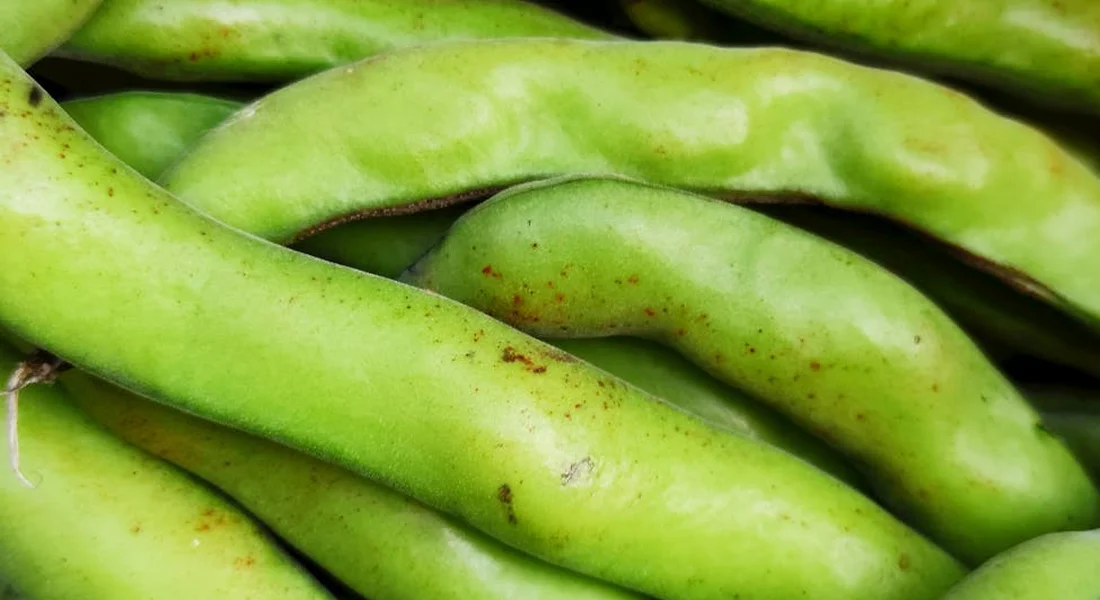
Not all guinea pigs have the same dietary needs, so it’s key to tailor green bean feeding based on age, health, and life stage. Adjusting portions and frequency helps prevent digestive upsets and supports overall well-being. From my own herd-Pepper, Clover, and Biscuit-I’ve seen how small changes make a big difference in their energy and happiness.
Feeding Green Beans to Baby Guinea Pigs
Baby guinea pigs, like my young Biscuit, have sensitive digestive systems that are still developing. Wait until they are at least 4-6 weeks old and steadily eating solid foods before introducing tiny, chopped green bean pieces. Start with a portion about the size of a pea once or twice a week, and always pair it with their regular hay and pellets to ensure balanced nutrition. Make sure you are feeding your baby guinea pig the right foods during their early weeks.
- Begin with minimal amounts to monitor for any signs of bloating or discomfort.
- Chop beans finely to reduce choking hazards and aid digestion.
- Focus on high-fiber staples like timothy hay, which babies need for growth.
Considerations for Pregnant or Ill Guinea Pigs
Pregnant or sick guinea pigs, such as Clover during her last litter, may benefit from the extra vitamins in green beans but require careful monitoring. Green beans can offer hydration and fiber, yet overfeeding might lead to gas or nutrient imbalances in vulnerable pigs. I always consult my vet before making diet changes for ill or expecting guinea pigs to avoid unintended risks.
- Offer small, occasional servings to supplement their main diet without overwhelming their system.
- Watch for changes in appetite or behavior and adjust accordingly.
- Seek professional advice to tailor feeding plans for specific health conditions.
Fun and Healthy Green Bean Recipes
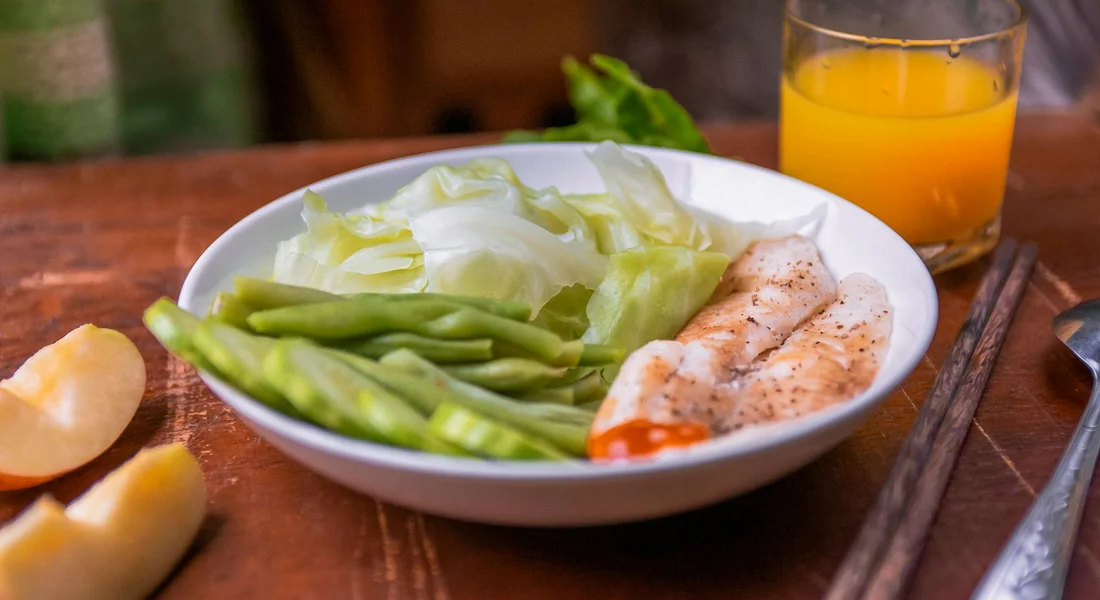
Spicing up your guinea pig’s menu with green bean-based treats can encourage natural foraging and add variety. These simple recipes use fresh, safe ingredients to keep meals exciting and nutritious. I’ve tested these with my trio, and they love the crunchy textures and mild flavors-just remember to serve treats in moderation and ensure they are part of a balanced diet as outlined in foods safe for guinea pigs.
Simple Green Bean Salad Recipe
This quick salad mixes green beans with other guinea pig-friendly veggies for a refreshing snack. Always wash all produce thoroughly to remove pesticides and dirt before serving. I make this for Pepper and friends as a weekly treat, and it never fails to get those happy wheeks!
- Wash a handful of fresh green beans and chop them into small, bite-sized pieces.
- Combine with safe veggies like shredded carrots or a few spinach leaves in a small bowl.
- Serve a teaspoon-sized portion per guinea pig, and remove any uneaten bits after an hour to keep their cage clean.
DIY Green Bean Chew Stick Idea
Creating a chew toy from green beans promotes dental health and satisfies their natural gnawing instincts. This DIY project uses eco-friendly materials to reduce waste and support animal welfare. My guinea pigs, especially Clover, enjoy nibbling on these during playtime, and it’s a fun way to bond.
- Gather fresh green beans, untreated wooden skewers, and natural twine.
- Thread a few whole green beans onto the skewer, leaving space for easy chewing.
- Secure the beans with twine and hang it in their enclosure for supervised play, replacing it weekly to ensure freshness.
FAQs
Can guinea pigs with a history of bladder stones eat green beans?
Green beans have low oxalate levels, so they can be fed occasionally to guinea pigs with such conditions. Guinea pigs can also eat bean sprouts and their leaves in moderation as part of a varied diet. Always consult a veterinarian to tailor the diet and minimize risks.
How do green beans help keep guinea pigs hydrated?
Fresh green beans are high in water content, which supports hydration and overall health. This makes them a useful treat, especially in warm climates or for pigs that drink less water.
What is a simple way to prepare green beans as a quick snack?
When preparing vegetables for guinea pigs, wash them thoroughly and trim the ends. Cut into small, bite-sized pieces for easy chewing and safe portions. Chop fresh green beans into small pieces and mix them with your guinea pig’s regular hay for added texture and interest. Serve raw and remove any leftovers promptly to maintain cage cleanliness.
Your Guinea Pig’s Green Bean Guide: Final Tips
Fresh green beans make a safe, occasional snack for your guinea pig when served in small, washed portions to avoid tummy troubles. Always introduce new foods slowly and balance them with a variety of veggies for optimal health. Besides beans, safe greens like romaine lettuce, kale, and parsley can be enjoyed as part of a balanced guinea pig diet.
Responsible pet ownership means continuously educating yourself on eco-friendly practices, like choosing fresh, pesticide-free produce to support your guinea pig’s well-being and the planet. From caring for my own guinea pigs-Pepper, Clover, and Biscuit-I’ve seen how small, informed choices lead to happier, healthier lives for our furry friends.
Further Reading & Sources
- r/guineapigs on Reddit: How many green beans can guinea pigs eat in a sitting
- GuineaDad Food Blog: Can guinea pigs eat green beans?
- Green Beans and Guinea Pigs: The Do’s and Don’ts of Feeding Veggies
- Green beans | The Guinea Pig Forum
Kate is a passionate guinea pig owner and advocate for small pet welfare. With over a decade of experience caring for guinea pigs, she has become a trusted voice in the small pet community.
Uncategorized