How to Save Money on Guinea Pig Supplies Without Compromising Quality
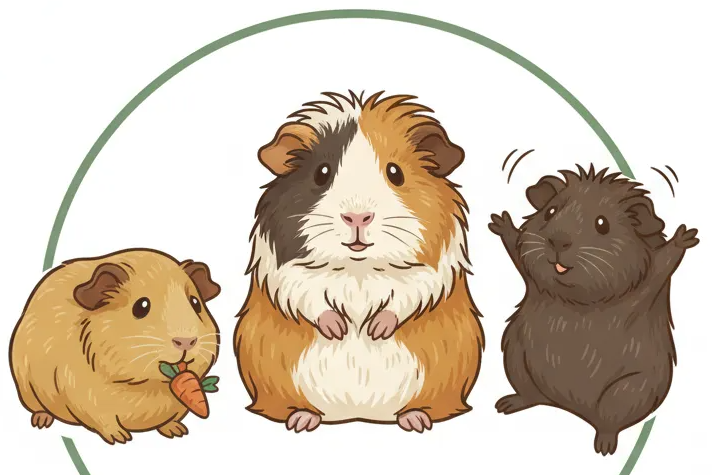
Hello CavyFam! Does the cost of keeping your guinea pigs healthy and happy feel overwhelming? I know that worry well from budgeting for my own trio-Pepper, Clover, and Biscuit.
I will guide you through smart shopping strategies, easy DIY alternatives, and budget-friendly product picks. With years of hands-on experience caring for my guinea pigs, I have found reliable ways to cut costs while keeping their well-being a top priority.
Why Smart Budgeting Matters in Guinea Pig Pet Care
When I first brought home Pepper, I spent far too much on flashy, unnecessary items. Smart budgeting isn’t about being cheap; it’s about redirecting your funds to what truly matters for your pet’s health and happiness. This shift in mindset saved me hundreds of dollars annually without ever compromising the quality of care my herd receives.
A well-planned budget acts as a financial safety net. Unexpected veterinary costs are a reality of pet ownership, and having a dedicated savings fund can prevent a health crisis from becoming a financial one. I learned this the hard way when Clover needed an emergency dental procedure.
Thoughtful spending also reduces waste. By purchasing only what you need, you avoid the common pitfall of a cupboard full of expired treats and unused accessories, which is better for your wallet and the planet. My own household became much more organized and less cluttered once I adopted this principle.
Choosing Affordable Yet Nutritious Food and Hay
Hay is the cornerstone of a guinea pig’s diet, making up about 80% of what they eat. Its high-fiber content supports digestion and helps wear down teeth, both essential for guinea pig health. That’s why hay is so important in a guinea pig’s diet. Buying hay in bulk from a local farm or a reputable online supplier is the single most effective way to cut costs while ensuring a constant, high-quality supply. I purchase a whole bale every few months for my trio, and the savings are substantial compared to small pet store bags.
Not all hay is created equal, and knowing the differences helps you buy smart.
- Timothy Hay: This is the gold standard for adult guinea pigs. It’s high in fiber and perfect for daily consumption and dental health.
- Orchard Grass: A fantastic, softer alternative if someone in your household has allergies to Timothy hay. My gentle Pepper prefers its texture.
- Alfalfa Hay: Reserve this for young, pregnant, or nursing pigs due to its high calcium and protein content. It’s too rich for healthy adults long-term.
When it comes to pellets, the bag’s price tag doesn’t always reflect its nutritional value.
Look for plain, timothy-based pellets without colorful bits, seeds, or dried fruit, as these mixes are often less healthy and more expensive. A simple, high-fiber pellet is all they need. Here’s a quick guide I use:
| What to Look For | What to Avoid |
|---|---|
| Timothy Hay as first ingredient | Seeds, nuts, or colored pieces |
| Vitamin C stabilized | High sugar content (e.g., molasses) |
| Uniform, plain pellets | Generic “animal fat” listed |
Finally, don’t underestimate the power of fresh veggies. I supplement my pigs’ diet with affordable, guinea pig-safe vegetable scraps like green leaf lettuce, bell pepper cores, and cucumber ends, which reduces food waste and grocery bills. My thoughtful Clover gets especially excited for her evening veggie plate.
Cost-Effective Bedding and Cage Solutions
When I first brought Pepper and Clover home, I was shocked by how quickly bedding costs added up. Switching to fleece liners saved me hundreds of dollars annually and reduced waste significantly. Fleece is soft, washable, and you can often find affordable remnants at fabric stores.
Smart Bedding Choices
Paper-based bedding works well if you prefer disposable options. Look for bulk bags from farm supply stores – they’re the same material but priced for larger animals. When you’re choosing between paper, wood, or fleece bedding, consider your pig’s comfort and how you’ll clean up. What works best can vary from pig to pig. Avoid cedar or pine shavings, as the strong oils can irritate guinea pigs’ sensitive respiratory systems. My trio, especially Biscuit, sneezed constantly until I switched.
- Fleece liners: reusable, cozy, and cost-effective over time
- Paper bedding in bulk: economical and highly absorbent
- Aspen shavings: a safe wood-based alternative
Budget-Friendly Cage Ideas
Commercial cages are often too small and overpriced. C&C (cubes and coroplast) cages offer more space for less money and let you customize the layout. I built a large two-level enclosure for my guinea pigs using grid panels and a coroplast base-it cost half the price of a store-bought equivalent.
- Measure your available space and sketch a simple design
- Purchase wire storage cubes and coroplast from hardware stores
- Assemble the grids and line the base with coroplast for easy cleaning
If DIY isn’t your style, check online marketplaces for used C&C cages or large rabbit cages. Always sanitize secondhand cages with a pet-safe disinfectant before use.
DIY and Upcycled Toys for Guinea Pig Enrichment
Guinea pigs don’t need expensive toys to stay happy—they love exploring simple, safe items from around your home. My guinea pigs get more excited about a cardboard tube than any plastic toy I’ve ever bought. Enrichment prevents boredom and encourages natural behaviors like chewing and foraging. This is exactly the kind of foraging activity we cover in the ultimate guide to guinea pig foraging toys and activities.
Easy Homemade Chew Toys
Chewing keeps their teeth healthy and satisfies their curiosity. Untreated willow or applewood sticks are free if you have access to pesticide-free trees. I often collect fallen branches, bake them to kill germs, and offer them to Pepper, who gnaws contentedly for hours.
- Cardboard toilet paper rolls: stuff with hay for a fun puzzle
- Paper bag hideouts: great for hiding and nibbling
- Old fleece scraps: braid into tug toys or cozy mats
Foraging Fun on a Budget
Scatter feeding encourages natural foraging instincts without fancy equipment. Instead of a food bowl, hide pellets and veggie pieces in a shallow box filled with hay or shredded paper. Clover, my thoughtful Abyssinian, adores digging through the hay to find her treats.
- Take a small, clean cardboard box
- Add a layer of Timothy hay or shredded newspaper
- Hide small vegetable pieces or pellets inside
- Watch your guinea pig root around happily!
You can also create simple tunnels from old oatmeal containers or shoeboxes with entry holes cut out. Always supervise your guinea pigs with DIY toys and remove any items that show signs of wear or damage. Biscuit, though reserved, becomes incredibly bold when exploring new cardboard castles-it’s a joy to watch.
Smart Shopping Habits for Maximum Savings
I’ve found that being a savvy shopper is the single most effective way to save money on my guinea pigs’ needs. Buying hay in bulk from farm supply stores has consistently cut my costs by more than half compared to small pet store bags. The quality is often superior, and my herd of three goes through it quickly. When choosing the best hay for your guinea pig, look for fresh, green hay with a pleasant scent and avoid dusty or moldy bales.
Don’t overlook the power of price comparison. I keep a simple list on my phone of the regular prices for items like pellets and bedding at my local stores and online. This habit helps me instantly recognize a genuine sale versus marketing hype, ensuring I only buy when the price is truly right.
Subscribing to auto-ship programs for predictable items can lead to significant discounts over time.
- Set up recurring deliveries for pellets and bedding to save 5-15%.
- This ensures you never run out of essentials, preventing expensive last-minute trips.
- You can easily pause or adjust shipments based on your current inventory.
Ensuring Safety and Quality on a Tight Budget
Saving money should never come at the expense of your pet’s health. I always prioritize safety by meticulously checking the materials of any new hideout or toy, especially secondhand items, for sharp edges or toxic paints. A cheap toy becomes very expensive if it causes a vet visit.
When considering DIY alternatives, research is non-negotiable. I learned this the hard way with a homemade fleece tunnel that my curious guinea pig, Biscuit, decided to nibble on. Stick to safe, proven materials like untreated wood, cardboard, and guinea pig-safe fleece for any projects you undertake at home.
Here is a simple checklist I use for any new supply, regardless of cost:
- Is it made from non-toxic, chew-safe materials?
- Does it have a solid reputation among other guinea pig owners?
- Is it easy to clean and sanitize to prevent illness?
- Is the size appropriate to prevent injury or entrapment?
For items like food bowls, investing a little more in heavy ceramic dishes prevents frequent tipping and food waste. A one-time purchase of a quality, tip-proof bowl saves money and mess in the long run, making it a smarter financial choice than repeatedly buying flimsy plastic ones.
Long-Term Maintenance to Stretch Your Guinea Pig Budget

Keeping your guinea pigs happy and healthy doesn’t have to drain your wallet month after month. A little upfront effort in maintenance saves you from constant, costly replacements. I learned this the hard way with my own herd; Pepper, Clover, and Biscuit have taught me that smart routines are the secret to a sustainable budget.
Mastering Your Bedding System
Bedding is one of your biggest recurring costs. Switching to a layered system with reusable fleece liners over absorbent mats was a complete game-changer for my wallet and my trash output. I wash them weekly, and a single set has lasted me over two years.
- Spot-clean the cage daily to remove soiled hay and droppings. This extends the time between full bedding changes.
- For disposable bedding, consider layering. Put a thinner, cheaper layer on top of a more absorbent but pricier one underneath to control odor.
- Bake soiled wood shavings in the sun on a baking sheet for a few hours to refresh them before disposal, reducing how much you use.
Smart Food and Hay Management
Wasted food is wasted money. Storing your hay in a large, airtight container like a plastic storage bin preserves its freshness and prevents it from becoming a dusty, inedible mess. My piggies turn their noses up at stale hay, so this simple step eliminated so much waste.
- Buy hay in bulk from local farms or feed stores. The price per pound is dramatically lower than pet store bags.
- Use a heavy ceramic bowl for pellets to prevent tipping. A “hay rack” that is really just a small, vertical grid storage cube from an organization store can hold hay neatly and reduce trampling.
- Wash and feed your guinea pigs vegetable scraps like bell pepper cores and carrot tops. It’s a free supplement to their diet!
Proactive Health and Habitat Care
Preventive care is the ultimate money-saver. Learning to trim your guinea pigs’ nails at home prevents a $50+ vet visit for a simple grooming task. To do it safely and avoid injury, use proper nail-trimming clippers and trim just a little at a time. It takes patience, but with treats and a good pair of clippers, you can do it. Gently support your pig and watch for signs of stress during the process.
- Check their teeth weekly. Overgrown teeth lead to expensive dental problems. Provide unlimited hay, which is nature’s tooth filer.
- Clean water bottles with a bottle brush and vinegar weekly to prevent bacterial slime, keeping your pets healthier.
- Rotate and disinfect toys and hideys monthly with a pet-safe cleaner to extend their life and prevent the need for new ones.
DIY Enrichment and Toy Rotation
Guinea pigs don’t need expensive toys. My trio, especially the intelligent Biscuit, gets the most enjoyment from simple cardboard boxes with new holes cut in them each week. It costs nothing and keeps them mentally stimulated. For more ideas on enriching playtime, check out how to make homemade toys and treats for your guinea pig.
- Create tunnels from old oatmeal containers or paper bags.
- Weave fresh herbs like cilantro or parsley through the grids of their cage for a fun and edible foraging toy.
- Rotate two or three sets of toys. When you put the “old” ones back after a few weeks, they seem new and exciting again, curbing boredom without new purchases.
FAQs
What sound does a guinea pig make?
Guinea pigs make a variety of sounds, including wheeking when excited and purring when content. Each vocalization helps communicate their mood or needs to their owners. In this complete guide to guinea pig vocalizations, we’ll explain what each sound means and how to respond. By understanding these calls, you can better care for your pig and strengthen your bond.
What does a guinea pig say?
Guinea pigs use sounds like loud wheeks to express excitement for food or rumbles to show annoyance. Understanding these cues can help you respond to their emotions and care for them better. A new owner’s guide on interpreting common guinea pig sounds walks you through what each noise means and how to respond in daily care. By recognizing the sounds, you can comfort or reward your pet more effectively.
Where can I find a guinea pig having fun gif?
You can find fun guinea pig GIFs on websites like Giphy or Tenor by searching terms like “guinea pig popcorning.” These animations capture playful behaviors like jumping and running, which indicate happiness.
What is the treatment for allergic dermatitis in guinea pigs?
Consult a veterinarian for a proper diagnosis and treatment plan, which may include identifying and removing allergens from their environment. Treatment often involves prescribed medications, such as antihistamines or topical creams, to relieve symptoms and prevent recurrence.
Where can I buy guinea pig shavings on Amazon?
You can purchase guinea pig shavings on Amazon by searching for safe, dust-free options like aspen or paper-based bedding. Always read product reviews and descriptions to ensure they are non-toxic and suitable for your pet’s health. This is part of the ultimate guide to safe bedding options for guinea pigs. It helps you choose materials that minimize dust and irritation for your little friend.
Caring Smart, Loving Well
Remember, saving money on your guinea pigs doesn’t mean cutting corners; it means getting creative with DIY projects and being a strategic shopper who knows where to find quality for less. A practical budgeting approach gives you a realistic monthly and annual breakdown for food, bedding, toys, and vet care. Your resourcefulness is the ultimate supply that keeps your pets happy and your budget healthy.
Committing to a pet is a journey of continuous learning, so always stay curious about new ways to provide excellent, eco-friendly care. Being a responsible owner means growing alongside your pets, ensuring they live a long, vibrant life full of your thoughtful attention.
Further Reading & Sources
- r/guineapigs on Reddit: Advice on where to buy cheaper guinea pig supplies? (And other questions)
- Guinea Pig Supplies & Accessories + Free Shipping | Petco
- Guinea Pig Supplies, Accessories & Essentials | PetSmart
- Guinea Pig Market: Fleece Bedding, Liners, Cage Accessories, Cozies, Toys, Supplies
Kate is a passionate guinea pig owner and advocate for small pet welfare. With over a decade of experience caring for guinea pigs, she has become a trusted voice in the small pet community.
Uncategorized